Leopard Gecko Lifespan: How Long Do They Live?
By Dr. Zubair Khalid, DVM, MS, PhD ·
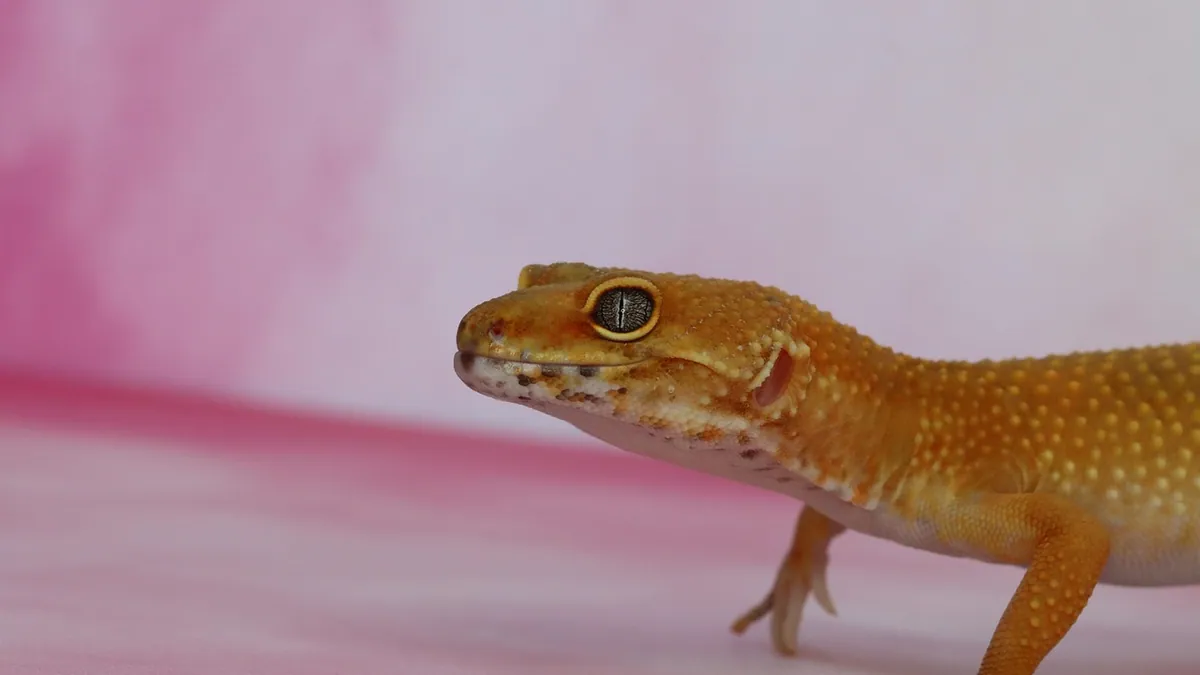
Leopard geckos commonly live 10 to 20 years in captivity when their housing, heating, and diet are right. Many owners expect a few years and end up with a two-decade commitment. The leopard gecko lifespan you get depends far more on your setup than on luck.
This article is educational and is not a substitute for veterinary diagnosis or treatment.
Quick Answer
- A healthy captive leopard gecko usually lives somewhere between 10 and 20 years, with good care pushing many individuals toward the upper end of that range.
- Captive reptiles often outlive their wild counterparts, a pattern seen across lizard groups where animals in human care generally live longer than those in the wild [1].
- Maximum lifespan in reptiles is tied to body size, environmental stability, and life history strategy, so consistent temperatures and a stable enclosure support longer life [2].
- Most preventable deaths in pet geckos trace back to poor heating, poor diet, or untreated illness, not old age.
- Book a veterinary checkup when you first get the gecko and any time you see weight loss, appetite changes, or difficulty shedding.
What Determines a Leopard Gecko Lifespan in Captivity
Genetics set a ceiling. Husbandry decides how close your gecko gets to it.
Wild lizards face predators, parasites, food shortages, and temperature swings. Captive animals avoid most of those pressures, and across lizard species, animals in captivity are generally longer lived than animals in the wild [1]. That does not mean every captive gecko reaches old age. It means the main threats to your gecko are the ones you control.
Research on maximum lifespan across species shows that environmental stability, body size, and life history strategy all predict how long an animal can live [2]. For a leopard gecko, "environmental stability" translates to steady heat, correct humidity, clean water, and a predictable feeding schedule. When those hold steady for years, the animal's body is not constantly repairing damage from cold spells, dehydration, or nutritional gaps.
One more useful idea from reptile biology: longevity is not equally flexible in every species. Some lizards live about the same length of time whether they are in the wild or in a tank, which suggests their lifespan is tightly constrained by biology [1]. Leopard geckos are not in that group. They respond well to good care, which is why the gap between a neglected gecko and a well-kept one can be a decade or more.
How to Support a Long, Healthy Life: Step by Step
Step 1: Get the heat gradient right
Leopard geckos are crepuscular, meaning they are most active around dawn and dusk. They need a warm side and a cool side so they can regulate their own body temperature. A belly heat source under one end of the tank, controlled by a thermostat, is the standard setup. Without a thermostat, a heat mat can overheat and burn your gecko.
Temperature problems are slow and quiet. A gecko that is too cool stops digesting food properly, eats less, and slowly loses condition. You may not notice for months.
Step 2: Feed a varied insect diet
A single-insect diet is one of the most common causes of long-term health decline. Rotate feeder insects and dust them with a calcium and vitamin D3 supplement on a schedule your veterinarian recommends. Gut-loading feeders before you offer them improves their nutritional value.
For a full breakdown of feeder types, schedules, and supplement rotation, see the Leopard Gecko Diet and Feeding Guide.
Step 3: Keep the enclosure clean and dry where it should be
Leopard geckos are desert-adapted. They need a humid hide for shedding, but a constantly damp tank invites skin and respiratory problems. Spot-clean waste daily, replace water daily, and do a full substrate change on a regular schedule.
Step 4: Provide a proper hide and shed setup
Every gecko needs at least three hides: a warm hide, a cool hide, and a humid hide. The humid hide is where shedding happens. When shedding goes wrong, retained skin around the toes and eyes can cause serious problems.
Shell and skin health issues in geckos often start with husbandry, and the same principles of correcting the environment apply. The guidance in Leopard Gecko Care: Pyramiding & Shell Health Management covers how environment drives these problems.
Step 5: Weigh your gecko monthly
A kitchen scale that reads in grams is one of the most useful tools you own. Track the number. A slow downward trend over weeks is often the first sign of illness, and it shows up long before your gecko looks obviously sick.
Step 6: Find a reptile veterinarian before you need one
Exotic animal medicine is a specialty. Not every clinic treats reptiles. Identify a veterinarian who sees reptiles in your area now, so that when something goes wrong you are not searching during an emergency.
Lifespan and Care Checklist by Life Stage
| Life stage | Approximate age | What to focus on |
|---|---|---|
| Hatchling and juvenile | 0 to 12 months | Small, frequent meals, careful handling, correct heat, monthly weights |
| Subadult | 1 to 2 years | Transition to adult feeding schedule, confirm sex, full enclosure setup |
| Adult | 2 to 10 years | Stable weight, annual veterinary check, consistent supplements |
| Senior | 10 years and older | Watch for arthritis, slower appetite, and weight loss, more frequent checkups |
Senior geckos are not a well-defined group the way senior dogs and cats are. There is no single age when a leopard gecko becomes geriatric. Instead, watch for changes: less interest in food, slower movement, difficulty climbing, or a duller appearance. Any of those warrant a veterinary visit.
If you keep other long-lived pets, it helps to plan for their timelines too. Species like parrots can live for decades, as covered in How Long Do Parrots Live? Lifespan by Species, and small mammals such as guinea pigs have their own expected ranges in How Long Do Guinea Pigs Live? Lifespan and Care. Knowing what "normal" looks like for each species makes it easier to spot when something is off.
Signs That Something Is Wrong
Reptiles hide illness well. By the time a leopard gecko looks sick, it has often been sick for a while. Watch for these signs:
- Weight loss or a thinning tail. The tail is where a gecko stores fat. A shrinking tail is a red flag.
- Refusing food for more than a few days. Brief appetite dips happen, especially in winter. A week or more without eating is not normal.
- Retained shed. Skin stuck on the toes, around the eyes, or at the tip of the tail can cut off circulation.
- Stuck eyelids or a swollen eye. This is often linked to shed problems or infection.
- Limping, dragging a limb, or difficulty walking. This can point to injury, metabolic bone disease, or arthritis.
- Mouth rot. Look for swelling, discharge, or a foul smell around the mouth.
- Lethargy. A gecko that stops coming out at dusk and stays hidden all day may be unwell.
- Abnormal droppings. Runny, bloody, or unusually colored waste needs veterinary attention.
- Regurgitation. Vomiting food shortly after eating can signal a blockage, infection, or temperature problem.
Any of these deserve a call to your veterinarian. Several together mean you should go in soon.
Common Mistakes That Shorten a Leopard Gecko's Life
No thermostat on the heat source. This is the single most common and most dangerous setup error. Unregulated heat mats cause burns and fires.
Feeding only one type of insect. Nutritional gaps build up over years and show up as bone disease, poor shedding, and organ problems.
Skipping calcium and vitamin D3. Without proper supplementation, geckos develop metabolic bone disease. The bones soften, the jaw can deform, and limbs can bend. This is painful and often permanent.
Using sand or loose substrate with young geckos. Impaction from swallowed substrate can be fatal. Paper towel is a safe choice for juveniles.
Co-housing. Leopard geckos are solitary. Two geckos in one tank often leads to stress, bite wounds, and one animal that stops eating.
Ignoring a stuck shed. A small ring of retained skin on a toe can tighten like a band and kill the tissue.
Waiting too long to see a vet. Reptiles decline slowly and then crash fast. Early intervention is far cheaper and more effective.
Assuming a gecko is "just old." There is no reliable way to confirm old age at home. A veterinary exam and diagnostics are how you find out whether a symptom is age-related or treatable.
Setup Details That Matter for Health
Enclosure size. A single adult leopard gecko needs a floor area large enough to create a real temperature gradient. Bigger is generally better as long as the heat gradient stays intact.
Substrate. Paper towel for quarantine and juveniles. A safe solid or digestible substrate for adults, based on your veterinarian's advice.
Thermostat. Non-negotiable. It controls the heat mat or heat source and prevents overheating.
Thermometer and hygrometer. Measure the actual temperature and humidity in the tank, not just the room. Guessing is how burns and dehydration happen.
Water dish. Shallow, clean, refreshed daily. Dehydration is a common and preventable problem.
Calcium dish. A small dish of calcium without D3 lets your gecko self-regulate. Replace it if it gets soiled.
Humid hide. Damp moss or a similar material, misted as needed, especially during shed cycles.
Quarantine space. If you keep more than one reptile, a separate enclosure for new arrivals prevents spreading illness.
Record keeping. A simple log of weights, feeding dates, shed dates, and any symptoms gives your veterinarian real information instead of guesses. This is one of the highest-value habits you can build.
Limitations and When to Contact a Veterinarian
No article can tell you what is wrong with your individual gecko. Individual cases need a veterinarian who can examine the animal, ask about your setup, and run appropriate tests.
Contact an emergency veterinary clinic now if your gecko:
- Has a prolapse (tissue protruding from the vent)
- Is bleeding heavily or has an open wound
- Has been burned by a heat source
- Is unresponsive, limp, or having trouble breathing
- Has a suspected impaction and has stopped passing waste
Call your veterinarian the same day if your gecko:
- Has not eaten for a week or more
- Has lost noticeable weight or tail volume
- Has retained shed around the eyes, toes, or tail tip
- Has discharge, swelling, or a bad smell around the mouth
- Is regurgitating food repeatedly
Schedule a routine visit if your gecko:
- Is new to your home (a baseline exam is worth it)
- Has not seen a vet in over a year
- Is over 10 years old and showing any change in behavior or appetite
- Needs a fecal test or a check on a chronic condition
If you are ever unsure whether something is urgent, call the clinic and describe what you see. Most reptile veterinarians would rather answer a question than treat a crisis.
Frequently Asked Questions
How long do leopard geckos live?
Most well-cared-for leopard geckos live into their teens, and some reach 20 years or more. The range depends heavily on heating, diet, and how quickly health problems get treated. Plan for a long commitment before you bring one home.
Do leopard geckos live longer in captivity than in the wild?
Yes, generally. Across lizard species, animals in captivity tend to outlive their wild counterparts, though the size of that gap varies by species [1]. Wild geckos deal with predators, parasites, and food scarcity that captive geckos never face.
Can I tell how old my leopard gecko is?
Not accurately, especially as an adult. Growth rings and size give rough clues at best. If you got your gecko as an adult with no history, treat it as an adult of unknown age and focus on current body condition instead.
Does a bigger enclosure make a leopard gecko live longer?
A larger enclosure helps because it lets you create a proper temperature gradient, which supports digestion and immune function. Size alone does not extend life. Heat control, diet, and hygiene matter more.
What is the most common cause of early death in pet leopard geckos?
Husbandry problems, especially incorrect heating and nutritional deficiencies. Metabolic bone disease from missing calcium and vitamin D3, burns from unregulated heat sources, and untreated infections are all common and largely preventable. Regular weighing and veterinary checkups catch these early.
Related Articles
- Leopard Gecko Care: Pyramiding & Shell Health Management
- Leopard Gecko Diet and Feeding Guide
- My Leopard Gecko Died: Common Causes Explained
- Leopard Gecko Growth and Weight Chart Explained
- Do Leopard Geckos Make Good Pets? Pros and Cons
References
- Preliminary Evolutionary Trends of Ctenophorus Dragon (Lacertilia: Agamidae) Lifespans, With a New Longevity Record. Ecology and evolution, 2026.
- Statistical Models Validate Environmental Stability, Body Size and Life History Strategies as Predictors of Maximum Lifespan. Animals : an open access journal from MDPI, 2026.