Why Is My Leopard Gecko Digging? Normal or a Problem?
By Dr. Zubair Khalid, DVM, MS, PhD ·
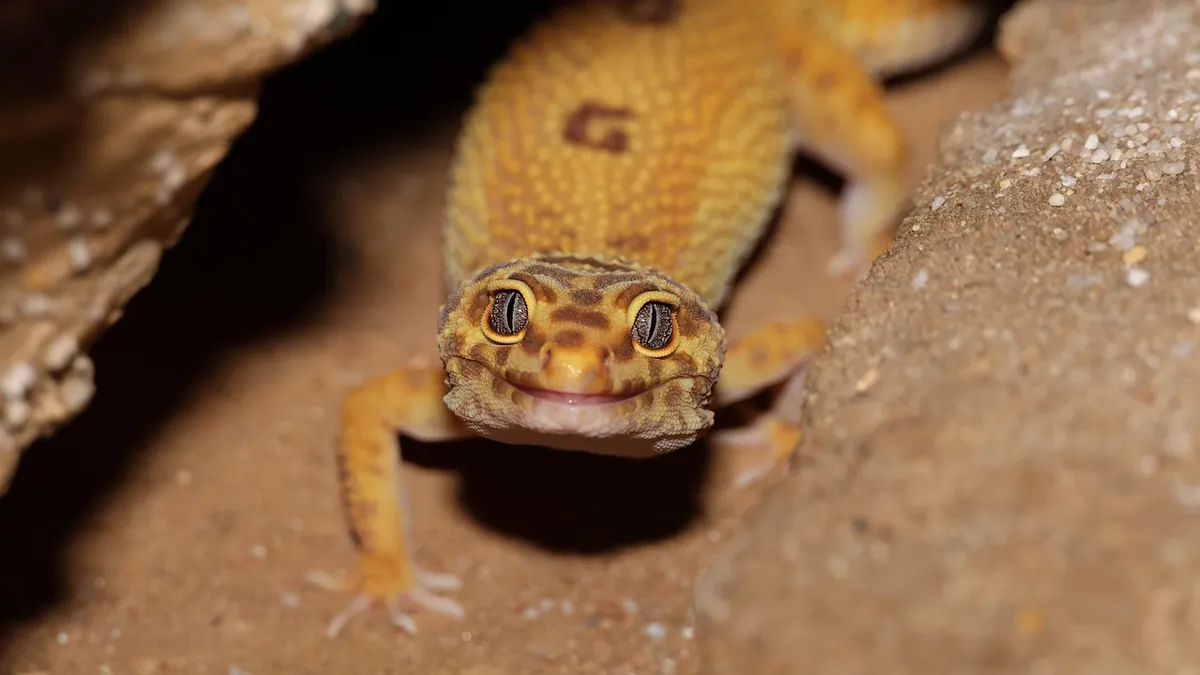
Why is my leopard gecko digging? In most cases, digging is normal leopard gecko behavior. These lizards burrow to regulate body temperature, hunt for moisture, prepare a nest, or simply explore. Sometimes, though, constant digging points to stress, poor substrate, or a health problem that needs a veterinarian.
This article is educational and is not a substitute for veterinary diagnosis or treatment.
Quick Answer
- Digging is normal when your gecko is burrowing to cool down, warm up, or find humidity.
- A female leopard gecko digging a hole may be looking for a place to lay eggs, even if she has never been with a male.
- Nonstop digging, digging at the glass, or digging plus weight loss can signal stress, illness, or an enclosure problem.
- Loose, diggable substrate and a proper humid hide often reduce restless digging.
- Never punish digging. Fix the environment instead, and call a veterinarian if your gecko also stops eating or looks unwell.
Why Is My Leopard Gecko Digging? Normal Reasons First
Leopard geckos are ground-dwelling lizards from dry, rocky regions of Asia. Wild geckos spend a lot of time in cracks, burrows, and loose soil. Digging is built into their behavior, so seeing it does not automatically mean something is wrong.
Thermoregulation and Humidity Seeking
Reptiles cannot make their own body heat. They move between warm and cool areas to control their temperature, and digging is one way to do that. Soil a few inches down is often cooler and damper than the surface. A gecko that digs into the substrate may be trying to cool off or find moisture.
Soil moisture matters a great deal to burrowing reptiles. In one study, a strictly fossorial reptile chose moderately low moisture substrates in a lab gradient but avoided the wettest ones [1]. That tells you something useful. Your gecko wants some moisture in the soil, but not a swamp. Bone-dry substrate or soaking-wet substrate can both push digging behavior in the wrong direction.
Burrowing as Natural Foraging and Exploration
Digging is also how many geckos investigate their world. They root through loose material looking for insects, and they test new corners of the enclosure. Young geckos and recently rehomed geckos often dig more while they learn their space. If your gecko digs, eats well, sheds normally, and has clear eyes, this is likely normal exploration.
Pre-Egg-Laying Behavior in Females
A female leopard gecko digging a hole is often doing exactly what nature designed her to do. Female reptiles choose nest sites with specific temperature and moisture conditions, and they adjust the timing, location, and depth of their nests to improve the odds that their offspring survive [2]. Even a female that has never been housed with a male can produce infertile eggs, and she may dig for days before laying.
If your female is digging in one corner, pacing, and refusing food, she may be close to laying. Provide a lay box with moist substrate and leave her alone as much as possible.
Medical Causes to Rule Out
Digging can also be a sign that something in your gecko's body or habitat is off. These causes need a closer look.
Stress and Hormonal Changes
Stress changes how reptiles move and use space. In a fossorial reptile, researchers used corticosterone, the main stress hormone in reptiles, to raise stress levels and then tracked movement underground. The stressed males changed their movement and spatial patterns compared with controls [3]. In plain terms, a stressed gecko may dig more, roam more, or hide more.
Common stressors include:
- Enclosure too small or too open
- Temperatures outside the correct range
- No proper hide on the warm side and cool side
- Handling that is too frequent or too rough
- A new tankmate or a predator (like a cat) staring into the tank
- Loud vibrations from speakers, doors, or foot traffic
Poor Substrate and Dehydration
Substrate that is too dry, too shallow, or too hard to dig in frustrates a gecko's natural burrowing urge. So does a lack of humidity. When soil dries out, burrowing reptiles can lose body water and show higher stress hormone levels, while those in wetter substrates do better [1]. A gecko that cannot find moisture may dig harder and longer.
Illness and Pain
A sick gecko may dig, pace, or press into corners. Watch for these signs alongside the digging:
- Refusing food for more than a few days
- Weight loss or a thin tail
- Sunken eyes or dull skin
- Trouble shedding, especially around the toes or eyes
- Swollen limbs, jaw, or vent
- Abnormal droppings or straining
- Lethargy or weakness
Some of these overlap with husbandry problems. A gecko with floppy tail syndrome or a gecko with overgrown dental spurs may change how it moves and rests. If your gecko's body condition is changing, read our guide to Leopard Gecko Care: Floppy tail syndrome and proper husbandry guide and Leopard Gecko Care: Overgrown Dental Spurs & Tooth Trimming Guide for related husbandry details.
When Leopard Gecko Digging Becomes a Problem
Normal digging comes and goes. Problem digging is constant, intense, or paired with other symptoms.
Ask yourself these questions:
- Is the digging nonstop for hours, day after day?
- Is your gecko digging at the glass or trying to climb the walls?
- Has appetite, weight, or droppings changed?
- Is the gecko digging in one spot and then lying there limp?
- Did the behavior start after a change in tank, temperature, or handling?
If you answered yes to any of these, treat it as a signal to check the habitat and the gecko's health. A single yes does not prove illness, but it does mean you should act.
What to Do Step by Step
1. Check the Basics
Measure the temperatures in your tank with a reliable thermometer. Confirm you have a warm hide, a cool hide, and a humid hide. Check that the gecko has fresh water and a shallow dish. Make sure the enclosure is not in a high-traffic or noisy spot.
2. Improve the Substrate
Use a loose, diggable substrate that holds a little moisture without staying soaked. Avoid sharp sand, gravel, or large bark pieces that can cause impaction if swallowed. Aim for a substrate that clumps slightly when you squeeze it, similar to what a burrowing reptile prefers [1]. Keep the humid hide damp, not dripping.
3. Add Enrichment
Give your gecko something to do:
- Cork bark flats and tubes to explore
- A lay box for females
- Leaf litter to push around
- A few small rocks to climb over
- New scents by rotating cage furniture
Enrichment reduces boredom-driven digging. It also gives your gecko choices, which lowers stress.
4. Handle Less, Observe More
If your gecko is digging because of stress, cut back on handling for a week or two. Watch from a distance. Note when the digging happens (day, night, after feeding, before shedding). This pattern helps your veterinarian.
5. Support Egg-Laying Females
If you have a female, provide a lay box with moist substrate and a gentle temperature gradient. Give her privacy. Do not dig her out to check on her constantly. If she strains for more than a day or seems unable to pass eggs, call a veterinarian.
6. Recheck After Changes
Make one change at a time, then wait a week. If digging drops to normal levels, you found the trigger. If it does not, move to the next step.
What Not to Do
- Do not punish digging. Spraying, tapping, or yelling teaches fear, not calm.
- Do not remove all substrate. A bare tank removes a natural behavior and can raise stress.
- Do not assume a female is "just fat" when she may be carrying eggs.
- Do not use sand alone for young geckos. Impaction risk is real.
- Do not ignore weight loss. A thin gecko needs a vet visit, not a substrate change.
- Do not trust myths that digging means your gecko is "bored with you" or "wants a mate." Behavior has physical and environmental causes.
When to Call a Veterinarian or Behavior Professional
Call a veterinarian who treats reptiles if:
- Your gecko has not eaten for several days
- You see weight loss, sunken eyes, or a thin tail
- Your female has been digging and straining for more than 24 hours
- You see swelling, discharge, or bleeding near the vent
- Your gecko is weak, trembling, or unable to right itself
- Droppings are abnormal or absent
A certified behavior professional can help if the habitat checks out and the digging continues. They can review your setup, handling routine, and enrichment plan.
Limitations and When to Contact a Veterinarian
This article covers common patterns, not your individual gecko. Every case needs a veterinarian who can examine the animal, review the habitat, and run tests if needed.
Contact a veterinarian the same day if your gecko:
- Stops eating and starts losing weight
- Strains to pass eggs or droppings for more than a day
- Has a swollen or discolored vent
- Shows sudden weakness or tremors
Go to an emergency clinic now if your gecko:
- Is unresponsive or limp
- Has a prolapse (tissue sticking out of the vent)
- Has trouble breathing
- Has a severe injury from a tankmate or a fall
Schedule a routine visit if:
- Digging continues for more than two weeks despite habitat fixes
- You are unsure whether your female is carrying eggs
- Your gecko's shedding, appetite, or activity level has changed
Frequently Asked Questions
Is it normal for a leopard gecko to dig every night?
Yes, some nightly digging is normal, especially in the evening when geckos are most active. If your gecko digs, eats, sheds, and poops normally, the behavior is likely fine. Constant digging for hours with no rest is the pattern to watch.
Can a female leopard gecko dig without a male?
Yes. Females can produce infertile eggs without ever being with a male. She may dig for days before laying. Provide a moist lay box and privacy, and call a vet if she strains or seems unable to lay.
Does digging mean my leopard gecko is too hot or too cold?
It can mean either. Digging to cool down is common when the surface is warm. Digging to find warmth happens when the tank is too cool. Check your temperatures with a digital thermometer and adjust the heat source.
Should I stop my leopard gecko from digging?
No. Digging is natural. Instead, give your gecko proper substrate, a humid hide, and enrichment. If digging is constant and paired with appetite loss or weight change, see a reptile veterinarian.
Can stress make a leopard gecko dig more?
Yes. Stress hormones change movement and space use in fossorial reptiles [3]. A stressed gecko may dig more, pace, or hide. Reduce handling, fix the enclosure, and remove loud or visual stressors. If the behavior continues, have your gecko examined.
Related Articles
- Leopard Gecko Care: Overgrown Dental Spurs & Tooth Trimming Guide
- Leopard Gecko Care: Pyramiding & Shell Health Management
- Leopard Gecko Care: Floppy tail syndrome and proper husbandry guide
- Leopard Gecko Tail Drop Care
- Leopard Gecko Morphs Explained for Owners
- Leopard Gecko Care Guide for Beginners
- Leopard Gecko Poop: What's Normal and What's Not
- Why Is My Turtle or Tortoise Digging? Normal vs. Problem
- Why Is My Bearded Dragon Digging? Normal or a Problem?
References
- Living Low and Dry: Costs of and Resilience to Soil Hydric Stress in a Fossorial Amphisbaenian Reptile. Integrative zoology, 2025.
- Can nesting behaviour allow reptiles to adapt to climate change?. Philosophical transactions of the Royal Society of London. Series B, Biological sciences, 2023.
- Going stressed underground: corticosterone-induced stress responses alter the movement and spatial ecology of males in a fossorial reptile. Movement ecology, 2026.