Leopard Gecko Enclosure Setup: Bioactive and Basic
By Dr. Zubair Khalid, DVM, MS, PhD ·
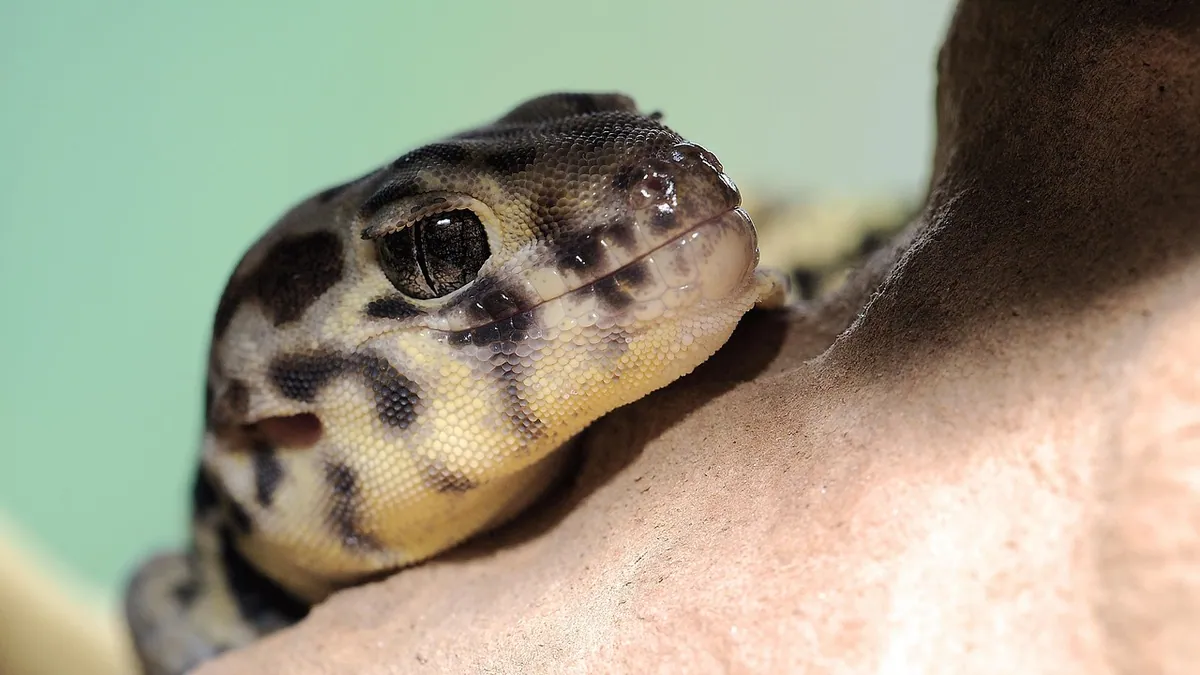
A good leopard gecko enclosure gives your gecko a warm basking spot, a cool retreat, deep hiding places, and a safe surface to walk on. Tank size, heat gradient, hides, and substrate are the four pieces that matter most, and you can build them in either a simple setup or a bioactive one. This article is educational and is not a substitute for veterinary diagnosis or treatment.
Quick Answer
- Use a tank with at least 36 by 18 inches of floor space for one adult leopard gecko, and go bigger if you can. Floor area matters more than height.
- Create a heat gradient from about 88 to 92°F on the warm side down to the mid 70s on the cool side, measured with a digital thermometer, not a stick-on dial.
- Provide at least three hides: a warm hide over the heat source, a cool hide, and a humid hide lined with damp moss or paper towel for shedding.
- Choose a substrate your gecko can walk on and that holds some humidity, such as a soil and sand mix, or use plain paper towel for a hospital or quarantine setup.
- A bioactive enclosure adds live plants and a clean-up crew of microfauna, but it still needs the same heat gradient, hides, and monitoring as a simple setup.
Leopard Gecko Tank Setup: Size, Heat, and Hides
Start with the enclosure itself. A single adult leopard gecko needs a floor footprint of at least 36 by 18 inches. Height is less important because leopard geckos are ground dwellers, so spend your budget on floor space. A larger tank is easier to keep stable and gives you room for a true temperature gradient.
Glass aquariums with a screen lid work well. Front-opening terrariums are easier to work in and cause less stress when you reach in. Whichever you choose, the lid must be secure. Leopard geckos are strong climbers when they want to be.
The heat gradient
Leopard geckos are ectotherms, which means they rely on behavior to control their body temperature. A study of a related snake species found that body temperature shifted with season, time of day, air temperature, feeding status, and shedding phase, and that animals with food in their stomachs kept higher body temperatures [1]. Your gecko needs the same ability to move between warm and cool zones.
Set up a gradient like this:
- Warm side floor: about 88 to 92°F directly over the heat source.
- Cool side floor: mid 70s.
- Ambient air: low 80s on the warm side, low 70s on the cool side.
- Night: a gentle drop is fine, but do not let the tank fall below the low 70s.
Use an under-tank heat mat or a deep heat projector on a thermostat. A thermostat is not optional. An unregulated heat mat can hit temperatures that burn a gecko's belly before you notice. Measure the floor temperature with a digital probe thermometer or an infrared temperature gun, not a stick-on dial that reads air temperature only.
For a deeper look at dialing in the warm and cool zones, see Leopard Gecko Care: Temperature gradient hot side cold side setup.
Hides and enrichment
Give your gecko at least three hides:
- A warm hide sitting directly over the heat source.
- A cool hide on the opposite end.
- A humid hide in the middle, filled with damp sphagnum moss or damp paper towel, kept moist during shedding.
Enrichment matters more than many owners expect. In one study, leopard geckos showed interest in items that let them hide and climb, and geckos kept in low-stimulus rack systems approached enrichment items faster and interacted with them more often than geckos in planted terrariums [2]. That tells you something useful. A plain tank is not neutral. It is a missed opportunity. Add cork bark, flat slate, and a few climbing opportunities even in a simple setup.
Leopard Gecko Substrate: What to Use and What to Avoid
Substrate is one of the most argued-about topics in leopard gecko care, so here is a practical way to think about it.
For a simple setup, plain paper towel is safe, cheap, and easy to inspect. It is the right choice for a new gecko during quarantine, for a sick gecko, and for any gecko recovering from surgery or a shedding problem. The downside is that it offers no digging and holds no humidity.
For a permanent setup, a mix of topsoil and play sand gives your gecko something to dig in and helps hold humidity in the humid hide area. Avoid calcium sand, crushed walnut, and any loose substrate made of sharp or fine particles that can clump in the gut if swallowed.
Substrate choice affects welfare, not just looks. In a three-year study of long-nosed vipers, snakes housed on newspaper were less likely to eat, had lower fecal quality, and showed higher stress hormone levels in feces and shed skin than snakes housed on mulch, and mulch enclosures were significantly more humid [3]. That is a snake study, not a leopard gecko study, so do not read it as a direct rule for your gecko. Read it as a reminder that bare, dry housing has measurable costs.
Whatever you choose, spot clean daily and do a full substrate change on a schedule that matches the material. Paper towel gets replaced whenever it is soiled. Soil and sand mixes get spot cleaned daily and refreshed as needed.
Bioactive vs Simple: A Side-by-Side Comparison
A leopard gecko bioactive enclosure is a planted, self-sustaining setup with a clean-up crew of microfauna that break down waste. A simple setup is easier to control and easier to troubleshoot. Neither is automatically better. The right choice depends on your experience, your budget, and how much time you can give to monitoring.
| Feature | Simple setup | Bioactive setup |
|---|---|---|
| Substrate | Paper towel or a basic soil and sand mix | Layered drainage, soil, and sand mix |
| Plants | None or fake plants | Live, gecko-safe plants |
| Clean-up crew | None | Springtails and isopods |
| Humidity control | Manual misting of the humid hide | Plants and substrate help hold humidity |
| Cleaning | Frequent spot cleaning, regular full changes | Less frequent full changes, more monitoring |
| Best for | New owners, quarantine, sick geckos | Experienced owners with stable temps |
| Main risk | Dry, bare tank with little enrichment | Wet substrate and rising humidity if drainage fails |
If you want to build a bioactive tank, plan the layers carefully. For a full walkthrough of drainage, substrate, microfauna, and plant selection, see Building Bioactive Reptile Terrariums: Substrate Layers, Microfauna Clean-Up Crews, and Plant Selection.
One caution specific to leopard geckos. They come from dry, rocky habitat, so a bioactive setup that stays damp can cause skin and respiratory problems. Keep the humid hide moist and the rest of the tank dry. If your substrate stays wet, your drainage layer is not working.
Step-by-Step Setup Checklist
Work through this in order. Do not add the animal until the tank has run for at least a few days and temperatures are stable.
- Choose the tank. Minimum 36 by 18 inches of floor space for one adult.
- Place the heat source on one end. Under-tank mat or deep heat projector, always on a thermostat.
- Add the thermostat probe. Secure it at floor level over the heat source.
- Let the tank run empty for 24 to 48 hours. Check the warm floor, cool floor, and ambient air.
- Add substrate. Paper towel for quarantine, soil and sand mix for long-term.
- Add three hides. Warm, cool, and humid.
- Add enrichment. Cork bark, slate, and climbing pieces.
- Add a shallow water dish. Refresh it daily.
- Add a digital thermometer and hygrometer. One probe on each end is ideal.
- Add the gecko. Leave it alone for the first week except for feeding and water changes.
For a broader care overview that pairs with this setup, see Leopard Gecko Care Guide for Beginners.
Signs Something Is Wrong With Your Setup
Your gecko will usually tell you when the enclosure is off. Watch for these signs and act on them.
- Refusing food for more than a few days in a gecko that was eating well.
- Staying on the cool side all the time, which often means the warm side is too hot.
- Staying on the warm side all the time, which often means the cool side is too warm or the warm hide is not warm enough.
- Trouble shedding, especially retained skin on the toes, tail tip, or eyelids.
- Sunken eyes, loose skin, or a thin tail, which suggest dehydration or weight loss.
- Wheezing, open-mouth breathing, or mucus around the nose.
- Repeated attempts to escape or constant glass surfing.
- Regurgitating food, which can point to temperatures that are too low for digestion.
A study of bearded dragons found that naturalistic enclosures provided better thermal heterogeneity than standard enclosures, meaning the animals had more usable temperature choices [4]. That is the goal in your leopard gecko tank too. Your gecko should be able to find its preferred temperature at any time of day.
Common Husbandry Mistakes That Cause Illness
Most health problems in captive leopard geckos trace back to the enclosure. These are the ones I see most often.
No thermostat on the heat source. This is the single most common cause of thermal burns. A heat mat without a thermostat can spike well above safe temperatures.
Measuring air temperature instead of floor temperature. Leopard geckos absorb heat through their bellies. A stick-on dial on the back wall tells you almost nothing useful.
A tank that is too small. A small tank cannot hold a real gradient. The warm and cool ends end up nearly the same temperature, and your gecko has no way to cool down.
No humid hide, or a humid hide that dries out. Retained shed on the toes can cut off circulation. Retained shed on the eyes can cause serious damage.
Loose substrate that is not appropriate. Fine calcium sand and crushed walnut can cause impaction, especially in young or debilitated geckos.
Overly wet bioactive substrate. A bioactive tank that stays damp is a respiratory risk for a desert species.
No enrichment. A bare tank with one hide and a water dish gives your gecko nothing to do. Enrichment items that allow hiding and climbing drew clear interest from leopard geckos in a controlled study [2].
Skipping quarantine. New geckos should spend their first weeks on paper towel so you can monitor droppings, appetite, and shedding before you commit to a permanent substrate.
Ignoring species differences in housing research. Housing studies do not always agree across species. In one study of three snake species, the effect of enriched terrariums versus rack systems on stress hormones differed by species, and in ball pythons the enriched terrariums were associated with higher corticosterone levels [5]. That does not mean enrichment is bad for leopard geckos. It means you should judge your own animal's behavior and health instead of assuming one housing style fits every reptile.
Supplies That Matter for Health
You do not need much, but the items you do need should be good ones.
- A digital probe thermometer or infrared temperature gun.
- A thermostat for every heat source.
- A hygrometer to track humidity.
- A shallow water dish that your gecko can easily climb out of.
- A calcium dish without vitamin D3 for free-choice licking, plus a supplement schedule your veterinarian helps you set.
- A secure screen lid with clips.
- A small kitchen scale to track weight over time.
Weigh your gecko monthly and write it down. A slow drop in weight is often the first sign of a problem, long before you notice anything else. For more on body condition and long-term health monitoring, see Leopard Gecko Care: Pyramiding & Shell Health Management and Leopard Gecko Care Requirements: A Practical Guide for New Owners.
Limitations and When to Contact a Veterinarian
No article can replace an exam of your specific animal. Individual cases need a veterinarian who can see your gecko, review your setup, and run tests if needed.
Contact an exotic animal veterinarian the same day if you see:
- Retained shed around the eyes, toes, or tail tip that you cannot soften and remove.
- A burn, blister, or dark discolored patch on the belly.
- Refusal to eat for more than five to seven days in an adult, or any refusal in a juvenile.
- Vomiting or regurgitation more than once.
- Diarrhea, bloody stool, or a prolapse.
- Sudden weight loss or a visibly thin tail.
Go to an emergency clinic now if your gecko is:
- Unresponsive, limp, or unable to right itself.
- Breathing with its mouth open while resting.
- Having seizures or tremors.
- Bleeding from the vent or mouth.
- Stuck in a shed that is covering the eyes or nostrils.
If you suspect your gecko swallowed substrate or was exposed to a toxin, call your veterinarian or an animal poison control service right away. Have the product name and your gecko's weight ready.
Book a routine visit within the first few weeks of getting a new gecko. A baseline weight, fecal check, and setup review will catch problems early, when they are easiest to fix.
Frequently Asked Questions
Can I keep a leopard gecko in a 20-gallon tank?
A 20-gallon long tank is too small for an adult. It cannot hold a proper heat gradient, so your gecko has no real cool zone to move to. Use at least a 36 by 18 inch footprint for one adult.
Do leopard geckos need a heat lamp or a heat mat?
Either can work if it is on a thermostat. What matters is that the floor over the heat source reaches the right temperature and that the cool end stays cool. Measure with a probe or infrared gun, not a stick-on dial.
Is a bioactive enclosure better for a leopard gecko?
Not automatically. Bioactive setups offer digging and enrichment, but they are harder to control and can run too humid for a desert species. A simple, well-monitored tank with good hides and enrichment can meet the same needs.
How often should I clean the tank?
Spot clean daily and replace soiled paper towel right away. Full substrate changes depend on the material and how heavily the tank is stocked. A bioactive tank needs less frequent full changes but more monitoring of humidity and the clean-up crew.
Why is my leopard gecko not eating?
Temperature problems are the most common cause. If the warm side is too cool, digestion slows and appetite drops. Check your gradient first, then look at shedding, stress from a new enclosure, and weight loss, and call a veterinarian if it lasts more than a few days.
Related Articles
- Leopard Gecko Care: Temperature gradient hot side cold side setup
- Leopard Gecko Care Guide for Beginners
- Leopard Gecko Care: Pyramiding & Shell Health Management
- Building Bioactive Reptile Terrariums: Substrate Layers, Microfauna Clean-Up Crews, and Plant Selection
- Leopard Gecko Care Requirements: A Practical Guide for New Owners
- Leopard Gecko Diet and Feeding Guide
- What Do Leopard Geckos Need in Their Tank?
- Best Leopard Gecko Substrate: Safe Options and Risks
- Leopard Geckos in the Wild: Habitat and Diet Facts
References
- Thermal biology characteristics of the Caspian whipsnake (Dolichophis caspius, Gmelin, 1789) under natural and laboratory conditions. Journal of comparative physiology. B, Biochemical, systemic, and environmental physiology, 2026.
- The Effect of Enrichment on Leopard Geckos (Eublepharis macularius) Housed in Two Different Maintenance Systems (Rack System vs. Terrarium). Animals : an open access journal from MDPI, 2023.
- Effects of Substrate Provision and Associated Cleaning Practices on Welfare Indicators in Eastern Long-Nosed Vipers (Vipera ammodytes meridionalis) During Growth and Development. Zoo biology, 2025.
- Influence of enclosure design on the behaviour and welfare of Pogona vitticeps. PloS one, 2025.
- Species-specific variations in corticosterone concentrations in captive snake shed skins: implications for housing systems and welfare. BMC veterinary research, 2026.