Leopard Geckos in the Wild: Habitat and Diet Facts
By Dr. Zubair Khalid, DVM, MS, PhD ·
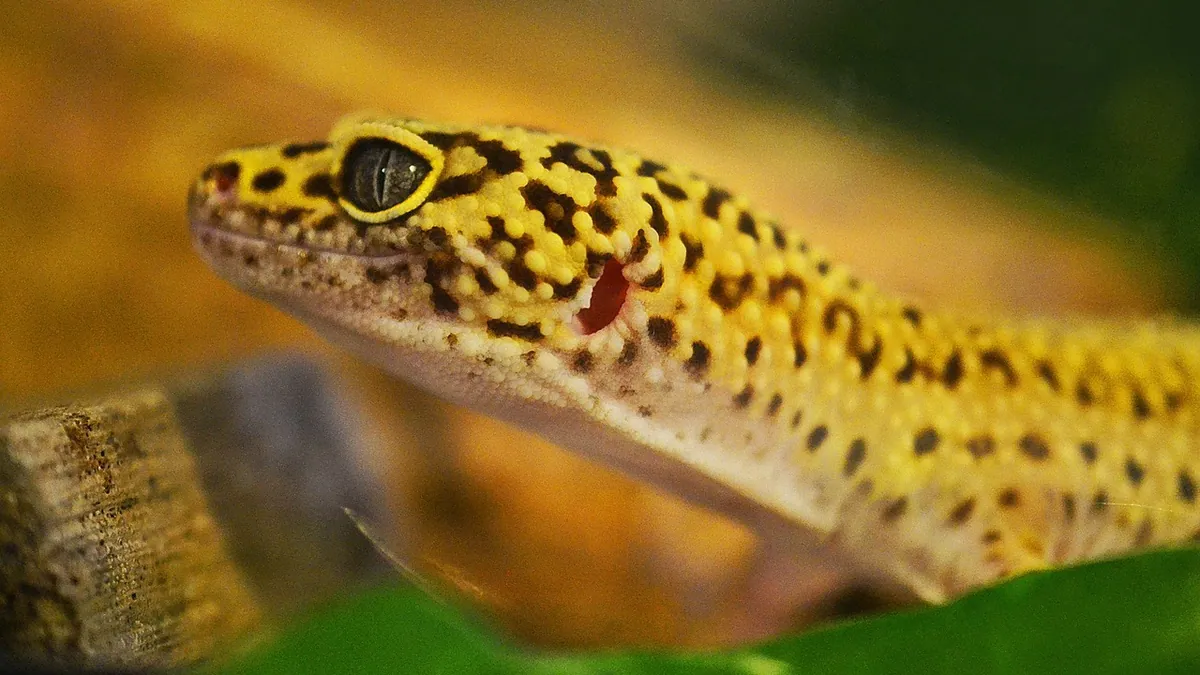
Leopard geckos in the wild live in dry, rocky grasslands and semi-desert areas of South and Central Asia, where they spend their days hidden in crevices and come out at night to hunt insects. They do not live in rain forests or on sand dunes, and they do not bask in the open sun the way many other lizards do. Knowing where a leopard gecko in the wild actually lives and what it eats explains almost every choice you make in a captive setup, from the heat mat to the feeding schedule.
This article is educational and is not a substitute for veterinary diagnosis or treatment.
Quick Answer
- Wild leopard geckos are insect eaters, which makes them insectivorous lizards in veterinary terms [1].
- They are ground dwellers that hide in rock crevices and burrows during the day and forage at night.
- Their natural environment is dry and rocky with warm ground and cooler air, so belly heat matters more than hot air.
- A wild diet is whatever insects they can catch, which is why captive feeding focuses on variety and gut-loaded prey.
- Wild geckos control their own temperature and food intake, so you have to recreate that control with a proper thermal gradient and measured portions.
What the Wild Habitat Tells You About Your Setup
Ground heat beats air heat
Wild leopard geckos do not climb to bask. They press their bellies against warm rock and absorb heat from below. That single fact is the reason a heat mat or a deep heat projector under one side of the enclosure works better than a heat lamp aimed at the air. Your goal is a warm zone where the gecko can flatten out and a cool zone where it can escape the heat. A gecko that cannot cool down will stay stressed, and a gecko that cannot warm up cannot digest its food.
Hiding spots are not optional
Crevice-dwelling lizards show extreme site fidelity. One study documented a female crevice-dwelling lizard that stayed in the same crevice for more than 43 months, with an estimated minimum home range of 0.014 m2 [2]. That is a lizard the size of your thumb living its whole adult life in a space smaller than a dinner plate. Your leopard gecko carries the same instinct. It wants a tight, dark, familiar hide, and it will use the same one night after night. Give it at least two hides, one on the warm side and one on the cool side, plus a humid hide for shedding.
Dry does not mean bone dry
These geckos come from arid and semi-arid regions, but they still need a humid microclimate to shed cleanly. A humid hide with damp moss or damp paper towel solves this without turning the whole enclosure into a swamp. Keep the rest of the enclosure dry and well ventilated.
Light and darkness
Leopard geckos are crepuscular and nocturnal. They do not need strong UVB the way a bearded dragon does, but a low-level light cycle helps them keep a normal day and night rhythm. Keep the enclosure out of direct sun and away from windows that swing in temperature.
A Practical Setup Checklist
| Item | What to provide | Why it matters |
|---|---|---|
| Enclosure | Solid floor, no loose sand | Impaction risk and easy cleaning |
| Substrate | Paper towel, tile, or safe loose mix | Simple to monitor stool and appetite |
| Heat | Under-tank heat on one side | Belly heat for digestion |
| Thermal gradient | Warm hide and cool hide | Lets the gecko choose its temperature |
| Hides | At least two, plus a humid hide | Matches natural crevice behavior [2] |
| Water | Shallow dish, refreshed daily | Hydration and shedding support |
| Food | Live insects, varied | Matches an insectivorous diet [1] |
| Supplements | Calcium and multivitamin, dosed by your vet | Prevents metabolic bone disease |
What Do Leopard Geckos Eat in the Wild?
An insect-only diet
Veterinary nutrition references classify the leopard gecko as insectivorous, along with the day gecko, whiptail lizard, anole, and chameleon [1]. In the wild, that means a gecko eats whatever invertebrate it can overpower: crickets, beetles, roaches, spiders, moths, and larvae. The mix changes with the season and the location, so no two wild meals look alike.
Why variety matters in captivity
A wild gecko gets a broad spread of nutrients because it eats many species. A captive gecko fed only one insect, every day, for years, gets a narrow spread. That gap is where problems start. Rotate at least two or three feeder species, gut-load them before offering them, and dust with calcium and a multivitamin on a schedule your veterinarian helps you set. For a full breakdown of feeder types and portion sizes, see the Leopard Gecko Diet and Feeding Guide.
Hunting is part of eating
Lizards that hunt actively have sensory systems built for tracking prey, including a well-developed olfactory and vomeronasal system [3]. Your gecko is wired to search, stalk, and strike. Dropping dead food in a bowl removes that whole sequence. Offer live insects and let the gecko hunt. It is exercise, it is mental stimulation, and it is normal behavior.
How much and how often
Wild geckos eat irregularly. Some nights they catch several insects, some nights none. Captive geckos get fed on a schedule, which is safer but easy to overdo. Overfeeding is one of the most common causes of obesity and fatty liver disease in pet leopard geckos. If your gecko looks wide at the base of the tail and slow to move, cut back and read Leopard Gecko Care: Fatty liver disease weight and diet management.
Step-by-Step: Recreating Natural Conditions at Home
- Set up the enclosure before you bring the gecko home. Heat, hides, water, and a thermometer should all be running for a day first.
- Place the heat source under one third of the floor. Leave the rest unheated.
- Measure the floor temperature in both zones with a probe or infrared thermometer, not a stick-on gauge.
- Add a warm hide over the heat, a cool hide on the far side, and a humid hide in between.
- Keep a shallow water dish on the cool side and refresh it daily.
- Feed live, gut-loaded insects in the evening, when a wild gecko would be active.
- Remove uneaten insects after about 15 minutes so they do not nibble on your gecko.
- Weigh your gecko monthly on a small kitchen scale and write the number down.
- Check the eyes, mouth, vent, and toes weekly for discharge, swelling, or retained shed.
- Book a wellness visit with a reptile-experienced veterinarian when you first get the gecko, then yearly.
Signs Something Is Wrong
- Refusing food for more than a week or two
- Weight loss you can see at the tail base
- Sunken eyes or loose, wrinkled skin
- Stuck shed on the toes, tail tip, or around the eyes
- Swollen or closed eyes
- Wheezing, open-mouth breathing, or mucus at the nose
- A firm swelling in the belly or a lump anywhere on the body
- Limbs that look bowed, rubbery, or twitchy
- Pale gums or a pale mouth
- Blood in the stool or a stool that stays runny
- A gecko that never leaves the cool side or never leaves the warm side
- Any prolapse from the vent
Common Mistakes Owners Make
Treating it like a desert lizard
Leopard geckos are not sand dune animals. They live on hard-packed ground and rock. Loose sand risks impaction and does not match their natural substrate.
Skipping the thermal gradient
A single temperature for the whole enclosure forces the gecko to choose between too hot and too cold. Wild reptiles move between microclimates all day to hold their preferred body temperature [4]. Give yours that same choice.
Feeding only one insect
A single-species diet is the fastest route to nutritional deficiency. Mix it up.
Overfeeding because the gecko begs
A captive gecko will often eat far more than a wild one would catch. Portion control is your job.
Ignoring the humid hide
Bad sheds are preventable. A damp hide costs almost nothing and prevents lost toes and tail tips.
Buying a gecko before the setup is ready
Improvised housing causes most of the early health problems veterinarians see in young leopard geckos. Get the enclosure right first. If you are new to the species, start with the Leopard Gecko Care Guide for Beginners.
Assuming all morphs need the same care
Most morphs are kept the same way, but some lines carry genetic issues that affect the eyes or nervous system. Ask the breeder and your vet. Leopard Gecko Morphs Explained for Owners covers what to watch for.
Supplies and Setup Details That Affect Health
Thermometer. A digital probe or infrared thermometer tells you the actual floor temperature. Stick-on dials can be off by many degrees.
Thermostat. A thermostat on the heat mat prevents burns and overheating. This is not optional.
Hide boxes. Tight-fitting hides mimic the crevices wild geckos use [2]. A hide that is too big feels unsafe and gets ignored.
Water dish. Shallow and wide, so the gecko can drink without climbing.
Feeder insect container. Keep insects in a separate bin with their own gut-load food. What the insect eats becomes what your gecko eats.
Scale. A small digital kitchen scale is the cheapest early warning system you own. Monthly weights catch problems weeks before you see them.
Quarantine space. A new gecko should be kept apart from any existing reptiles for at least 60 to 90 days with separate tools and hands washed between enclosures.
Cleaning supplies. A reptile-safe disinfectant and paper towels. Spot clean daily, deep clean monthly.
Limitations and When to Contact a Veterinarian
No article can examine your gecko. Individual cases need a veterinarian who can look at the animal, run tests, and weigh the history.
Call an emergency clinic now if your gecko has a prolapse, is gasping or breathing with its mouth open, has a seizure, is bleeding, or has been attacked by another animal.
Call the same day if your gecko has not eaten for more than a week, has lost visible weight, has stuck shed cutting off a toe or tail tip, has swollen eyes, or has a sudden change in posture or walking.
Book a routine visit if you just brought the gecko home, if you are unsure about diet or supplements, if the gecko is not growing on schedule, or if you need help confirming the sex or the morph. Your veterinarian calculates any medication dose from your pet's weight and health, so never use a dose you found online.
Frequently Asked Questions
Do leopard geckos live in the wild?
Yes. Wild populations live across dry, rocky parts of South and Central Asia. They are ground-dwelling and nocturnal, hiding in crevices during the day and hunting insects after dark.
Can I keep a wild-caught leopard gecko as a pet?
It is a bad idea. Wild-caught reptiles carry parasites, adapt poorly to captivity, and are stressed by handling. Captive-bred geckos are healthier, calmer, and far easier to care for.
Is a heat lamp or a heat mat better for a leopard gecko?
A heat mat or other under-tank heat source matches how these geckos warm up in nature. They absorb heat through their bellies from warm ground. Always run it through a thermostat.
How do I know if my gecko is too thin or too heavy?
Look at the tail. A healthy tail is plump but not ballooned, and the body should be wider than the neck without looking round. Weigh your gecko monthly so you can spot trends instead of guessing.
Do leopard geckos need UVB light?
They can survive without strong UVB if their diet and supplements are correct, but a low-level UVB source can help with calcium metabolism. Ask your veterinarian what fits your setup and your gecko's age.
Related Articles
- Leopard Gecko Diet and Feeding Guide
- Leopard Gecko Care: Fatty liver disease weight and diet management
- Leopard Gecko Care Guide for Beginners
- Leopard Gecko Care: Pyramiding & Shell Health Management
- Leopard Gecko Morphs Explained for Owners
- Leopard Gecko Care Requirements: A Practical Guide for New Owners
- What Do Leopard Geckos Need in Their Tank?
- Leopard Gecko Lifespan: How Long Do They Live?
- Do Leopard Geckos Make Good Pets? Pros and Cons
References
- Nutrition in Lizards - Management and Nutrition. Merck Veterinary Manual.
- Extreme spatial confinement and high site fidelity in a crevice-dwelling lizard with a minimal home range. BMC zoology, 2025.
- How Foraging Mode Sculpts Sensory Systems: Morphological Evidence From DiceCT and Histology in Sympatric Lizards. Ecology and evolution, 2025.
- Alpine viper in changing climate: thermal ecology and prospects of a cold-adapted reptile in the warming Mediterranean. Scientific reports, 2024.