Best Leopard Gecko Substrate: Safe Options and Risks
By Dr. Zubair Khalid, DVM, MS, PhD ·
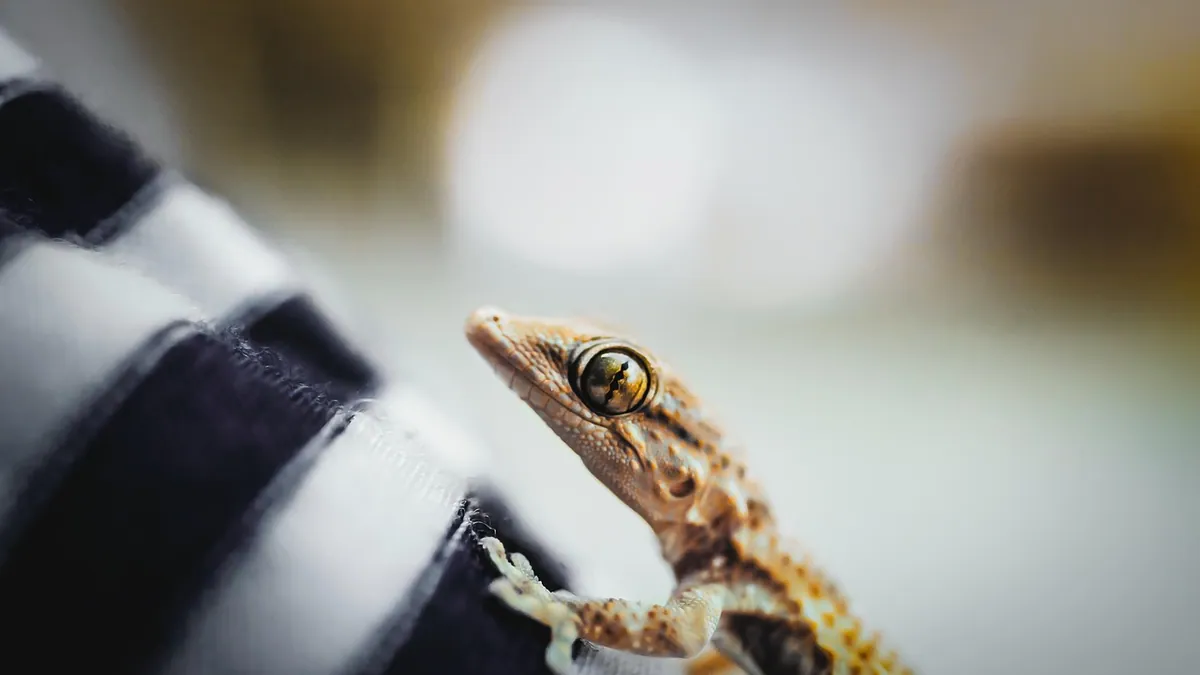
Choosing the best leopard gecko substrate comes down to one rule: it must hold humidity and allow natural digging without putting your gecko at risk of swallowing it. For most owners, a solid surface such as slate tile or paper towel is the safest everyday choice, while a properly designed loose or bioactive mix can work for experienced keepers who manage feeding carefully. This article is educational and is not a substitute for veterinary diagnosis or treatment.
Quick Answer
- Solid substrates (slate tile, ceramic tile, paper towel) carry the lowest impaction risk and are easy to clean.
- Loose substrates can support digging and humidity, but only when the gecko is fed from a dish or tongs, never over the loose material.
- Pure calcium sand and fine play sand are the most common causes of sand impaction in leopard geckos and should be avoided.
- Skin, gastrointestinal, and eye problems are the three most common disorder groups seen in captive leopard geckos, and husbandry choices like substrate play a role [1].
- Any gecko that stops eating, stops passing stool, or strains to defecate needs a veterinary visit, because early impaction is far easier to treat than a blockage.
How to Choose and Set Up Leopard Gecko Substrate Step by Step
Start by deciding what job the substrate needs to do. Leopard geckos are ground-dwelling desert lizards that dig, hide, and shed. A good substrate supports those behaviors without being swallowed.
Step 1: Match the substrate to your gecko's habits
If your gecko lunges at prey and grabs mouthfuls of whatever is under its feet, use a solid surface. If your gecko is calm, eats from a dish, and you want to encourage digging, a loose mix can be appropriate. The behavior of the individual animal matters more than any single product.
Step 2: Decide between solid and loose
Solid options are simple and safe. Slate tile holds heat well, files nails naturally, and wipes clean. Paper towel is the best choice for a new gecko, a sick gecko, or a quarantine enclosure because you can see stool and urates clearly.
Loose options need more planning. A safe loose mix is usually a soil-based blend that holds humidity and clumps lightly, not a pure sand. If you want a living enclosure with plants and cleanup insects, a bioactive setup can work, but it requires a drainage layer, a cleanup crew, and careful monitoring of humidity.
Step 3: Build a humidity hide
Whatever you choose for the main floor, add a separate humid hide packed with damp moss or damp paper towel. This gives your gecko a place to shed and rehydrate without making the whole enclosure wet. Poor shedding is the single most common diagnosis in captive leopard geckos, so this step matters [1].
Step 4: Feed away from loose material
Never drop crickets or worms onto loose substrate. Use a shallow dish, tongs, or a feeding tile. This one habit prevents most accidental substrate swallowing.
Step 5: Clean on a schedule
Spot clean daily. Replace paper towel every few days. For tile, disinfect weekly. For loose or bioactive mixes, remove waste as you see it and refresh part of the mix periodically. Enclosures with a natural substrate tend to hold more humidity than bare or paper-lined enclosures, which is helpful for shedding but means you must watch for mold [2].
Step 6: Watch humidity and temperature
Aim for a warm side and a cool side so your gecko can regulate its own temperature. A humid hide should stay damp but not dripping. If the whole enclosure stays wet, you raise the risk of skin and respiratory problems.
If you are setting up a new enclosure from scratch, this guide on choosing the right reptile substrate walks through the general principles that apply across species.
Leopard Gecko Substrate Comparison Table
| Substrate | Digging | Humidity control | Impaction risk | Best for |
|---|---|---|---|---|
| Slate or ceramic tile | No | Low | Very low | Most adult geckos, easy cleaning |
| Paper towel | No | Low | Very low | Quarantine, new geckos, sick geckos |
| Soil and sand mix (bioactive) | Yes | Good | Low if fed off substrate | Experienced keepers, planted setups |
| Coconut fiber or coir | Some | Good | Low to moderate | Humid hides, mixed setups |
| Fine play sand | Yes | Low | Moderate to high | Not recommended alone |
| Calcium sand | Yes | Low | High | Avoid |
| Crushed walnut or bark chips | No | Low | High | Avoid |
Leopard Gecko Loose Substrate: What Makes It Safe or Unsafe
Loose substrate is not automatically dangerous. The risk comes from three things: particle size, how the gecko feeds, and whether the gecko is already sick.
Fine, dusty sand is the worst combination because it sticks to prey and to the tongue. Larger, irregular particles are more likely to be spat out. A soil-based mix that clumps holds burrows and supports humidity, which helps shedding.
Why sand impaction happens
Sand impaction occurs when a gecko swallows enough sand that it collects in the gut and cannot pass. This is more likely in geckos that are dehydrated, too cool, or already ill, because a sluggish gut moves material slowly. Early signs include reduced appetite, weight loss, and fewer stools. These non-specific signs are the most commonly reported problems in captive leopard geckos [1].
The humidity benefit of loose substrate
Natural substrates hold moisture better than paper or bare glass. In a study of long-nosed vipers, enclosures with a mulch substrate were significantly more humid than those with newspaper, while enclosure temperature did not differ between the two [2]. That humidity advantage is real, and it is one reason keepers use soil mixes for leopard geckos. Just remember that more humidity means more attention to ventilation and mold.
Bioactive substrate basics
A leopard gecko bioactive substrate is a living mix, usually soil, sand, and organic matter, with a cleanup crew of isopods and springtails. It can look great and support natural digging. It also needs a drainage layer, a light watering schedule, and a gecko that eats from a dish. If any of those pieces are missing, a simple tile floor is the better choice.
Leopard Gecko Tile Substrate: The Low-Risk Option
Tile is the substrate most veterinarians reach for when a gecko has a health problem. It is flat, easy to disinfect, and impossible to swallow.
Use unglazed or textured slate so your gecko can grip. Smooth glass-like tile causes slipping and can stress the joints. Cut pieces to fit snugly so there are no gaps where crickets hide.
Tile does not hold humidity, so you must provide a humid hide and possibly a shallow water dish. It also does not allow digging, which some geckos clearly enjoy. If your gecko digs constantly at the glass, you can offer a small dig box of safe soil mix instead of covering the whole floor.
Signs Something Is Wrong
Watch your gecko closely for the first few weeks after any substrate change. Problems usually show up in behavior before they show up in appearance.
Digestive red flags
- No stool for several days despite normal eating
- Straining or dragging the back legs
- Swollen or firm belly
- Regurgitating food
- Sudden refusal to eat
Skin and shedding red flags
- Stuck shed on the toes, tail tip, or around the eyes
- Dull or discolored patches
- Sores or blisters on the belly
- Repeated soaking in the water dish
Skin problems are the most common disorder group in captive leopard geckos, and dysecdysis (difficulty shedding) is the single most frequent diagnosis [1]. Substrate that is too dry or too wet both contribute.
Eye and respiratory red flags
- Squinting, swelling, or discharge from the eyes
- Wheezing, open-mouth breathing, or mucus around the nose
- Lethargy and loss of appetite together
Eye disorders made up a large share of diagnoses in one review of captive leopard geckos, so do not dismiss watery or crusty eyes as minor [1].
If your gecko drops its tail during handling or a stressful move, that is a separate problem. Read leopard gecko tail drop care for what to do next.
Common Mistakes with Leopard Gecko Substrate
- Using calcium sand because the label says it is digestible. It is not, and it is one of the leading causes of impaction.
- Feeding insects directly onto loose substrate. This is the easiest way for a gecko to swallow a mouthful of sand.
- Skipping the humid hide. Even a perfect floor substrate will not prevent shedding problems on its own.
- Making the whole enclosure damp. High humidity everywhere invites skin and respiratory issues. Keep the moisture in the hide.
- Changing substrate and diet at the same time. In tokay geckos, a change in diet combined with a change in housing increased fecal parasite load, even though either change alone did not [3]. Give your gecko time to adjust to one change before making another.
- Ignoring a gecko that has stopped eating. Reduced appetite is one of the most common reasons captive leopard geckos are brought to a veterinarian [1].
Supplies and Setup Details That Matter for Health
You do not need expensive equipment, but a few items make a real difference.
- Two thermometers or a temperature gun. Measure the warm side and the cool side, not just the middle.
- A hygrometer. Track humidity in the enclosure and inside the humid hide.
- A shallow water dish. Dehydration makes impaction more likely.
- A feeding dish or tongs. Keeps food off loose substrate.
- A quarantine setup. Paper towel and a simple hide for any new or sick gecko.
If you are new to the species, the leopard gecko care guide for beginners covers heating, lighting, and diet in more detail. Owners who want to understand how body condition and shell or skin health connect to husbandry can also review leopard gecko care and shell health management.
One more note on handling. Stressful events can affect a reptile's health in ways that are not obvious at first. In one study, a change in housing and diet together raised parasite shedding in geckos even though body condition looked normal [3]. Keep changes gradual and give your gecko quiet time to settle.
Limitations and When to Contact a Veterinarian
No article can tell you whether your specific gecko has an impaction, an infection, or a husbandry problem. That requires an examination, and often imaging or a fecal test. Individual cases need a veterinarian.
Contact an emergency veterinary service now if your gecko:
- Is unresponsive, limp, or cannot right itself
- Is breathing with its mouth open or gasping
- Has a prolapse (tissue protruding from the vent)
- Has a swollen, hard belly and has not passed stool in several days
Contact your veterinarian the same day if your gecko:
- Has stopped eating for more than a few days
- Is straining to defecate or dragging its back legs
- Has stuck shed around the eyes or toes that you cannot remove
- Has discharge, swelling, or bleeding anywhere
Schedule a routine visit if your gecko:
- Has gradually lost weight over weeks
- Sheds poorly at every cycle
- Has never had a fecal check since you adopted it
Bring a photo of your full enclosure and a description of your substrate, heating, and feeding routine. That information often points to the cause faster than anything else.
Frequently Asked Questions
Is sand safe for leopard geckos?
Fine sand and calcium sand are not safe as a primary substrate because they are easily swallowed and can cause impaction. If you want a loose mix, choose a soil-based blend and feed your gecko from a dish or with tongs. Watch for reduced appetite or missing stools, which are early warning signs.
Can I use paper towel forever?
Yes, paper towel is a perfectly acceptable long-term substrate, especially for geckos that are sick, new, or prone to grabbing substrate. It does not allow digging and dries out quickly, so you still need a humid hide. Many keepers use paper towel permanently with good results.
What is the best substrate for a leopard gecko that likes to dig?
A soil and sand mix that holds its shape is the best choice for a digger, ideally in a bioactive setup with a cleanup crew. Provide a drainage layer and keep the mix slightly damp, not soaked. Feed away from the loose material to reduce the chance of swallowing it.
How often should I change loose substrate?
Spot clean daily and replace the full mix every few months, or sooner if you see mold, a strong smell, or lots of waste. Bioactive setups need less frequent full changes but still need regular spot cleaning and monitoring. Paper towel should be replaced every few days.
Can substrate cause shedding problems in leopard geckos?
Yes, substrate that is too dry can lead to stuck shed, and stuck shed is the most common diagnosis in captive leopard geckos. A humid hide packed with damp moss or paper towel solves most of this. If shed stays stuck on the toes or eyes, see a veterinarian instead of pulling it off yourself.
Related Articles
- Choosing the Right Reptile Substrate
- Leopard Gecko Care: Pyramiding & Shell Health Management
- Leopard Gecko Tail Drop Care
- Leopard Gecko Care Guide for Beginners
- Leopard Gecko Tail Autotomy: Safe Tail Drop Healing and Nutrition
- Leopard Gecko Diet and Feeding Guide
- Leopard Gecko Enclosure Setup: Bioactive and Basic
- What Do Leopard Geckos Need in Their Tank?
- Why Is My Leopard Gecko Digging? Normal or a Problem?
References
- Husbandry factors are associated with skin, gastrointestinal and ophthalmic disorders in leopard geckos (Eublepharis macularius). The Veterinary record, 2026.
- Effects of Substrate Provision and Associated Cleaning Practices on Welfare Indicators in Eastern Long-Nosed Vipers (Vipera ammodytes meridionalis) During Growth and Development. Zoo biology, 2025.
- Changes in housing and diet combined increase fecal oxyurid load in captive tokay geckos. PeerJ, 2026.