Why Is My Leopard Gecko Biting or Licking Me?
By Dr. Zubair Khalid, DVM, MS, PhD ·
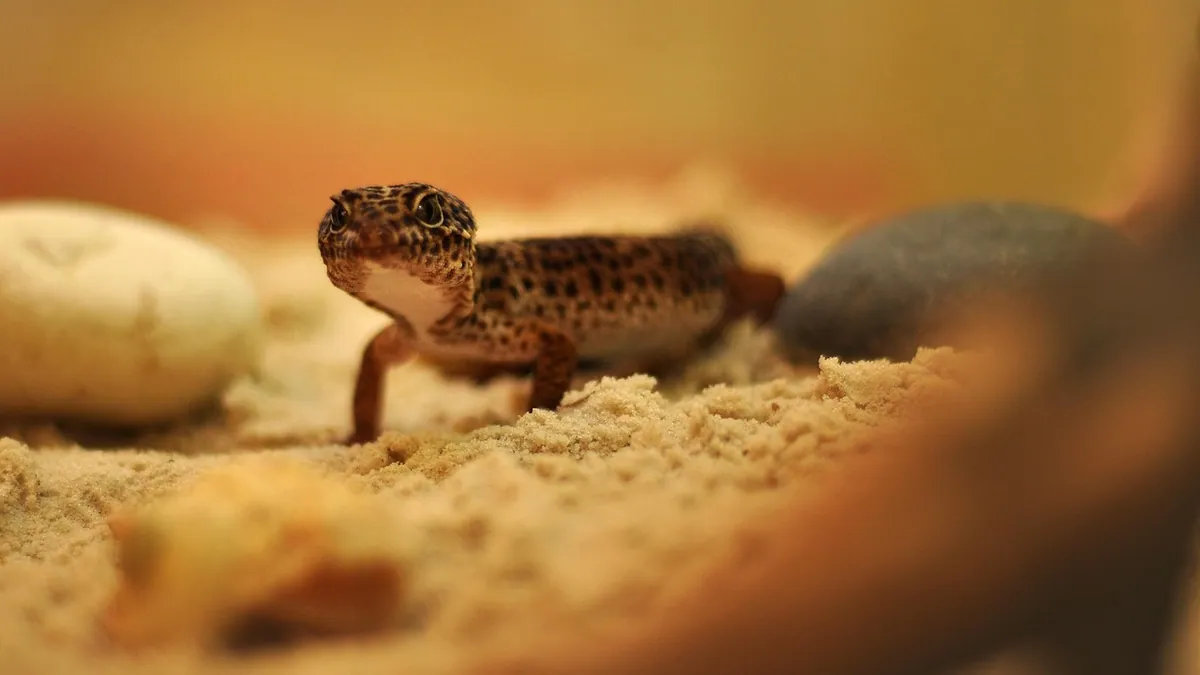
Why is my leopard gecko biting me? Most of the time, a leopard gecko bites because it is scared, startled, or defending itself, not because it is mean. Licking is usually curiosity or taste-testing, and pooping on you is often a stress response. Once you understand what your gecko is telling you, you can change how you handle it and cut down on bites fast.
This article is educational and is not a substitute for veterinary diagnosis or treatment.
Quick Answer
- A bite is almost always defensive. Leopard geckos bite when they feel threatened, not because they enjoy attacking people.
- Licking is normal. Your gecko is exploring, checking temperature, or tasting your skin, and it often happens right before a bite.
- Stress pooping on you is a fear response, not spite. It usually means handling felt too fast or too rough.
- Sudden biting in a calm, well-handled gecko can point to pain, illness, or a husbandry problem that needs a vet visit [1].
- Fix the setup and the handling first. Most biting fades when the gecko feels secure and is picked up correctly.
Why Is My Leopard Gecko Biting Me? The Normal Reasons First
Leopard geckos are small, soft-bodied prey animals. In the wild, almost everything bigger than them is a threat. That shapes their behavior in your home.
Defensive behavior, not aggression
When a leopard gecko feels cornered, it has three main tools: run, drop its tail, or bite. A bite is a last resort. It usually comes with a warning: a raised body, an arched back, an open mouth, a hiss, or a quick tail wave. If you reach in anyway, you get bitten.
This is defensive behavior. It is not the same as the aggression seen in some other reptiles, where animals actively attack. Leopard geckos bite to make a threat go away, then they try to escape.
Licking is how geckos gather information
Why is my leopard gecko licking me? Licking is normal gecko behavior. Your gecko uses its tongue and Jacobson's organ to sample smells and tastes. Your skin carries salt, sweat, lotion, and food residue, all of which are interesting. Licking your hand is often a calm, curious behavior.
Watch the sequence, though. A gecko that licks, pauses, then slowly opens its mouth is deciding whether your finger is food. That is your cue to move your hand away.
Feeding mistakes cause bites
Most "my leopard gecko bit me" stories involve fingers that smell like dinner. If you feed with your hands, or if you handle prey insects and then reach into the tank, your gecko may strike at your finger by mistake. Use tongs for feeding and wash your hands before handling.
Stress defecation is communication
If your leopard gecko pooped on you, that is not revenge. It is a fear response. Many reptiles empty their bowels when they are grabbed or restrained, which makes them lighter and harder for a predator to hold. It means the handling was too sudden, too high off the ground, or too long. It can also happen after a stressful car ride or a tank move.
Medical Causes to Rule Out
Behavior changes in a reptile often trace back to the body, not the brain. A gecko that was calm for months and now bites every time you touch it may be in pain.
Skin problems
Skin disease is the most common problem group in captive leopard geckos. In one review of 214 geckos seen at veterinary practices, skin issues accounted for about 38 percent of cases, and dysecdysis (stuck shed) was the single most common diagnosis at nearly 30 percent [1]. Stuck shed around the toes, eyes, or vent is painful. A gecko with retained skin may bite when you try to handle it.
Gastrointestinal and parasite issues
Gastrointestinal problems made up about 36 percent of cases in the same review, with endoparasitic burden as the second most common diagnosis overall [1]. A gecko with parasites may have a poor appetite, lose weight, or have abnormal droppings. It may also be irritable and quick to bite.
Eye and vitamin A problems
Ophthalmic disease affected about 22 percent of the geckos in that review, and presumptive hypovitaminosis A was the third most common diagnosis [1]. Vitamin A deficiency can cause swollen eyelids and vision problems. A gecko that cannot see well is easily startled and more likely to bite.
Husbandry as a root cause
That same review found significant links between husbandry factors and several disorders [1]. Temperature, humidity, enclosure size, and diet all affect health and behavior. Environmental stressors like wrong temperatures and dehydration have measurable physiological effects on reptiles [2]. A gecko kept too cool cannot digest food properly and will feel unwell.
If your gecko's biting started suddenly, book a veterinary visit before you assume it is a training problem. A reptile-experienced veterinarian can check for stuck shed, parasites, and nutritional problems. For more on mouth and skin issues, see Leopard Gecko Care: Overgrown Dental Spurs & Tooth Trimming Guide.
When Biting and Licking Become a Problem
Occasional licking is fine. A bite here and there during a bad handling session is common. The behavior becomes a problem when it changes your ability to care for the gecko.
Watch for these patterns:
- Biting every time you enter the tank, even for cleaning or water changes
- Biting that draws blood or that your gecko will not release
- Licking that turns into repeated strikes at your hand
- Pooping on you during every handling session
- A previously calm gecko that now bites, hisses, or hides constantly
Any of these can signal pain, illness, or chronic stress. Sudden behavior change in a reptile deserves a health check, because reptiles hide illness well until they are quite sick.
What to Do Step by Step
1. Get a health check first
If biting is new, see a veterinarian who treats reptiles. Ask about a fecal test for parasites, a skin exam for stuck shed, and a review of your diet and supplements. Bring photos of your enclosure and a description of your temperatures.
2. Handle correctly
- Approach from the side, not in published veterinary research. A hand coming from the sky looks like a predator.
- Scoop your gecko up from underneath with a flat palm. Do not grab it around the body.
- Keep handling sessions short at first, a few minutes, and stay low over a soft surface.
- Support the whole body. Let the gecko walk from hand to hand instead of being held still.
- Wash your hands before and after, and never handle right after touching insects.
3. Read the warnings
Learn your gecko's pre-bite signals: stiff body, raised tail, open mouth, hiss, or a slow lick followed by a pause. When you see them, stop. Put the gecko down gently and walk away. Respecting the warning prevents the bite.
4. Fix the environment
- Check your temperature gradient with a reliable thermometer. A gecko that cannot thermoregulate will be stressed.
- Provide at least three hides: a warm hide, a cool hide, and a humid hide for shedding.
- Keep the enclosure in a low-traffic area away from loud noises and other pets.
- Give your gecko time to settle after any change. New arrivals and tank moves need a quiet adjustment period.
5. Use enrichment and calm routines
Feed at consistent times with tongs. Offer a varied insect diet with proper calcium and vitamin supplementation as directed by your vet. Add clutter like cork bark and fake plants so your gecko can move without feeling exposed. A gecko with places to hide feels safer and bites less.
If you are also working on biting behavior in another pet, the same principles of reading signals and avoiding punishment apply. See Why Does My Bird Bite, and How to Stop It for a comparison.
What Not to Do
Do not punish your gecko
Never flick, tap, spray, or yell at a biting gecko. Punishment teaches a prey animal that hands are dangerous. It makes biting worse. It also damages your gecko's trust and can cause it to drop its tail.
Do not grab or chase
Chasing a gecko around the tank to catch it is the fastest way to get bitten. If your gecko runs, stop, wait, and try again later with a slower approach.
Do not assume it is "mean"
Leopard geckos do not have the brain wiring for spite. A biting gecko is scared, sick, or confused. Treat the cause, not the "attitude."
Do not skip the vet because the gecko "seems fine"
Reptiles mask illness. A gecko that is eating and moving can still have parasites or stuck shed. If biting is new and persistent, a checkup is the fastest path to answers.
Do not handle during shed
Geckos are uncomfortable and often irritable while shedding. Limit handling during this time and make sure the humid hide is working. Skin problems are the most common disorder group in this species, so shed support matters [1].
When to Involve a Veterinarian or Behavior Professional
Call a reptile-experienced veterinarian if:
- Your gecko bites hard enough to break skin or will not let go
- Biting started suddenly in a previously calm gecko
- You see stuck shed, swollen eyes, weight loss, or abnormal droppings
- Your gecko refuses food for more than a few days
- Your gecko poops on you every time you handle it, even with gentle technique
A certified behavior professional can help if your vet finds no medical cause and the biting continues. In most cases, though, the fix is a combination of health care, better handling, and a better enclosure.
Limitations and When to Contact a Veterinarian
This article covers common patterns, not your individual gecko. Every case needs a hands-on evaluation by a veterinarian who can examine the animal, review your husbandry, and run tests.
Contact a veterinarian the same day if your gecko has been bitten by another pet, has a wound, is bleeding, or is having trouble breathing.
Go to an emergency clinic now if your gecko is unresponsive, has prolapsed tissue from the vent, is gasping, or has a severe burn.
Schedule a routine visit within a week or two if biting is new, if you see stuck shed or weight loss, or if your gecko's appetite has dropped. Early visits are cheaper and easier than waiting until the gecko is critically ill.
Frequently Asked Questions
Will my leopard gecko bite me?
It can, but it usually will not unless it feels threatened or mistakes your finger for food. Most bites happen during rough handling, after a sudden grab, or when hands smell like insects. Calm, correct handling greatly reduces the risk.
Why does my leopard gecko lick then bite?
Licking is your gecko tasting and investigating your skin. If the taste or movement seems like prey, or if the gecko feels nervous, the lick can turn into a strike. Move your hand away when you see the pause after a lick.
Does my leopard gecko hate me when it bites?
No. Leopard geckos do not form hate. A bite means fear, pain, or a feeding mistake. Look at the situation, the gecko's health, and your handling technique instead of assuming the animal dislikes you.
Should I put my leopard gecko back after it bites me?
Yes, put it back gently and end the session. Continuing to handle a frightened gecko raises stress and makes future bites more likely. Try again another day with a slower, lower approach.
Can stress from handling make my leopard gecko sick?
Chronic stress can wear down a reptile's defenses and worsen existing problems. Multiple environmental stressors can interact and affect reptile physiology [2]. Keep handling short, respectful, and predictable, and fix any husbandry issues promptly.
Related Articles
- Leopard Gecko Care: Overgrown Dental Spurs & Tooth Trimming Guide
- Leopard Gecko Care: Pyramiding & Shell Health Management
- Bearded Dragon vs. Leopard Gecko: Choosing the Right Pet Lizard
- Do Leopard Geckos Bite? Why It Happens and What to Do
- Why Is My Leopard Gecko Glass Surfing?
- Why Is My Leopard Gecko Wagging Its Tail? Meanings Explained
References
- Husbandry factors are associated with skin, gastrointestinal and ophthalmic disorders in leopard geckos (Eublepharis macularius). The Veterinary record, 2026.
- Physiological responses and adaptive mechanisms of amphibians and reptiles to multiple interacting environmental stressors: an integrative review. Frontiers in physiology, 2026.