Are Amphibians Good Pets? What to Know First
By Dr. Zubair Khalid, DVM, MS, PhD ·
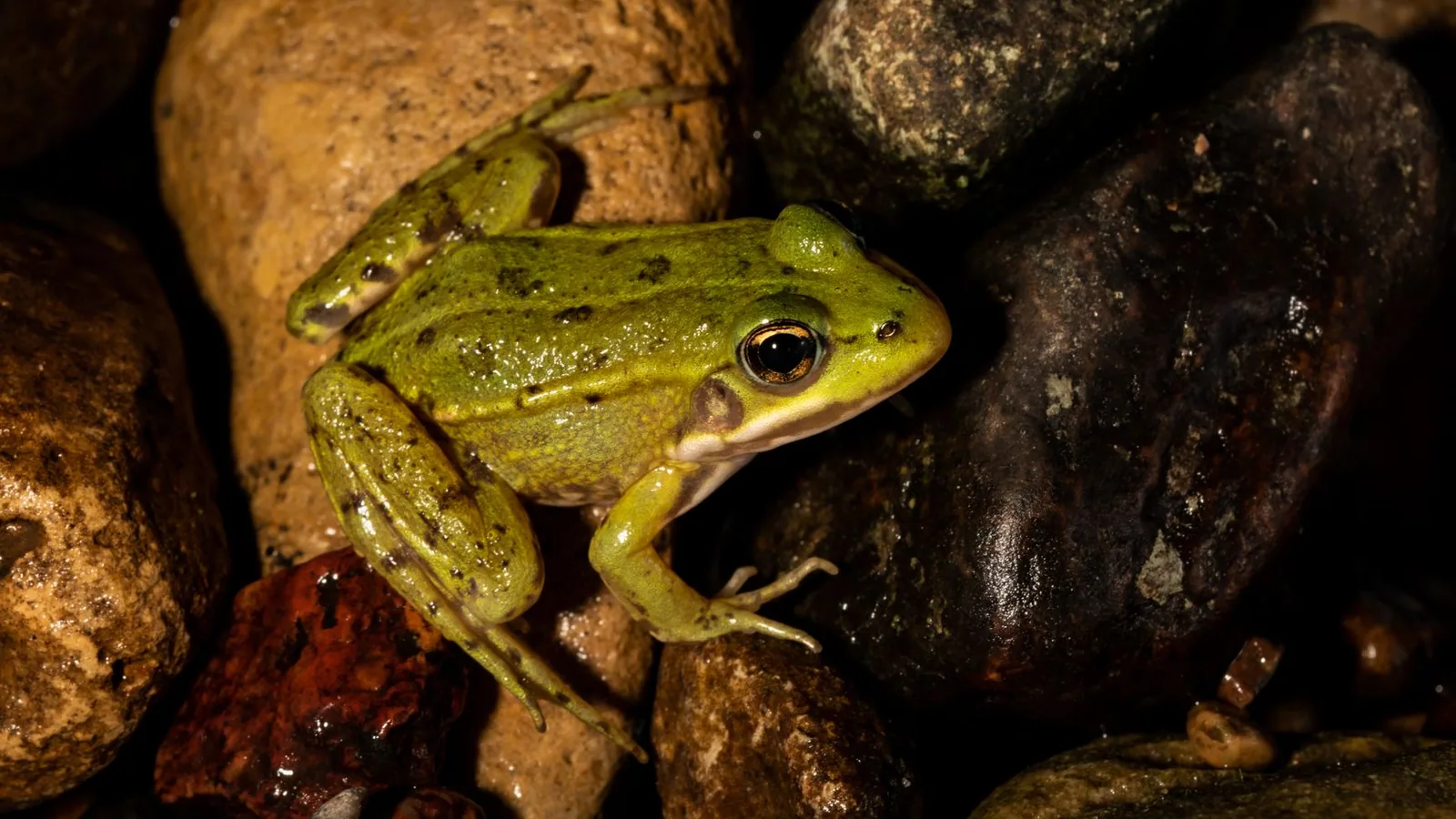
Key Takeaways
- Amphibian skin is highly permeable, making them acutely sensitive to environmental contaminants like chlorine, ammonia, and oils from human hands, necessitating the use of dechlorinated or spring water and strict handling protocols with wet nitrile gloves or thoroughly rinsed hands.
- Captive amphibians require precise environmental parameters, including high humidity (often >70%), specific temperature gradients, and appropriate substrate free of pesticides, as inadequate conditions can lead to dysecdysis, renal failure, and immunosuppression.
- Handling of amphibians must be minimized due to their delicate, permeable skin and potential for toxic secretions; when necessary, it should be brief and gentle to avoid stripping the protective mucous layer or causing injury.
- Common health issues in captive amphibians include chytridiomycosis (a fungal disease caused by Batrachochytrium dendrobatidis), metabolic bone disease (due to calcium deficiency or inadequate UVB), and renal disease, often linked to poor husbandry and water quality.
- Zoonotic risks, primarily Salmonella and Mycobacterium marinum, can be transmitted through direct contact or contaminated water, emphasizing the critical importance of rigorous hand hygiene after any interaction with amphibians or their enclosures.
- Legal and ethical considerations are paramount, with regulations like CITES and invasive species laws potentially restricting ownership, and a strong ethical imperative to prioritize animal welfare by providing species-specific needs and avoiding wild-caught specimens.
Amphibians such as frogs, toads, salamanders, newts, and caecilians have become increasingly popular in the exotic pet trade. Their fascinating life cycles, vibrant colours, and relatively quiet presence attract many enthusiasts. However, keeping an amphibian safely and humanely requires a deep understanding of their unique biology, environmental needs, and the potential risks to both the animal and the owner. This article synthesises current veterinary knowledge and guidelines from the AVMA, AAHA, CVMA, AVA, FVE, and the Merck Veterinary Manual to help prospective owners answer the central question: are amphibians good pets, and what must you know first?
Quick Q&A
Question: Are amphibians good pets for beginners?
Answer: Amphibians generally are not recommended for first-time pet owners without extensive preparation. They require precise temperature, humidity, and water quality control, a specialised diet (often live insects or prepared diets), and very limited handling due to their permeable skin. Veterinary care for amphibians is also more challenging to find, and common husbandry errors can lead to rapid illness or death.
Understanding Amphibian Natural History and Welfare
Amphibians occupy a unique evolutionary position between aquatic and terrestrial life. Their skin is highly permeable and plays critical roles in respiration, hydration, and osmoregulation. This permeability makes them extraordinarily sensitive to environmental contaminants, including chlorine, ammonia, and even oils from human hands. The Merck Veterinary Manual emphasises that captive amphibians thrive only when their enclosures replicate microhabitats found in the wild: many require a gradient of temperatures, high humidity (often above 70%), and access to clean, dechlorinated water for bathing or breeding.
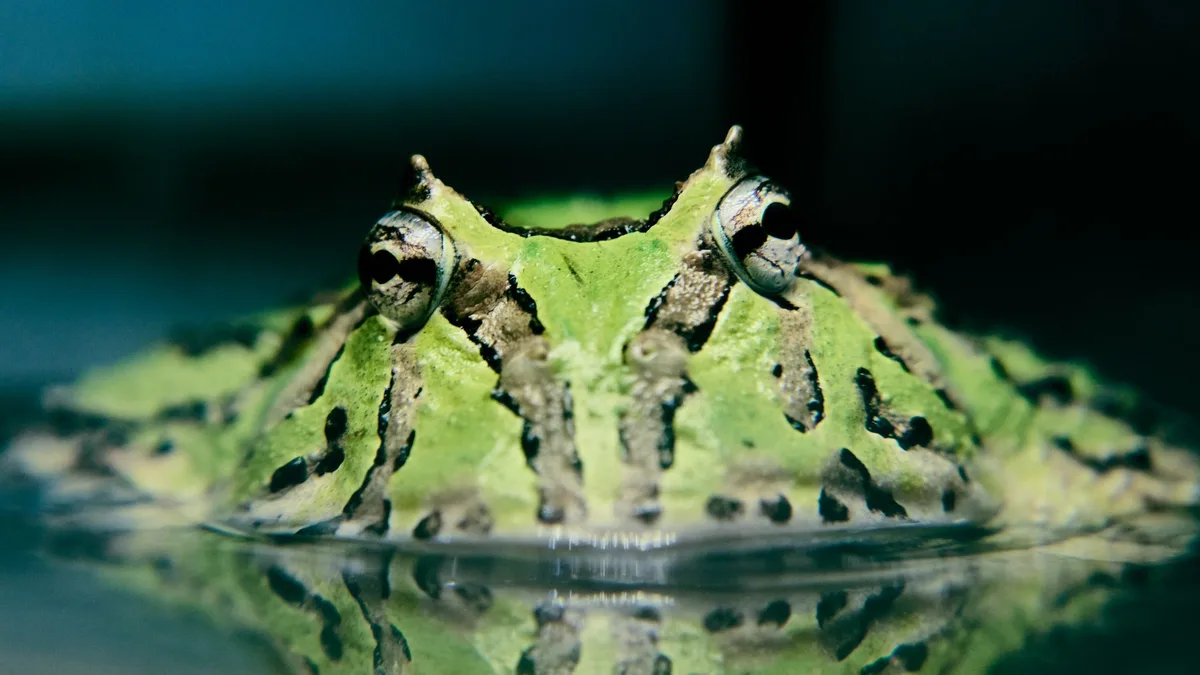 Amphibian skin is permeable, so water chemistry acts directly on the animal. Photo: Suki Lee via Pexels.
Welfare considerations must also account for the animal’s natural behaviour. Many amphibians are nocturnal, secretive, and territorial. Inappropriate housing, such as bare glass tanks or overcrowding, can cause chronic stress, immunosuppression, and disease. The AVMA’s guidelines on responsible exotic pet ownership stress that potential owners must research species-specific needs before acquisition and be prepared to provide for them throughout the animal’s lifespan, which can range from 5 to over 20 years depending on the species.
Handling Limits: Why Amphibians Are Not Cuddly Pets
One of the most common misconceptions about amphibians is that they can be handled frequently like mammals or reptiles. In reality, handling limits are strict and well justified by veterinary physiology.
Amphibian skin lacks a protective layer of scales or fur; instead, it is a mucous-coated, thin integument through which water and gases are exchanged. The oils, salts, and bacteria on human hands can be absorbed directly into the amphibian’s bloodstream, causing dehydration, electrolyte imbalance, and toxicosis. Many species (e.g., poison dart frogs) also secrete potent alkaloid toxins as a defence mechanism, which can cause irritation or more severe reactions in humans or other pets.
Therefore, handling should be reduced to the absolute minimum needed for health checks, enclosure cleaning, or veterinary procedures. When handling is necessary, use powder-free nitrile gloves wet with dechlorinated water, or wet bare hands after thorough rinsing with dechlorinated water. The Cornell College of Veterinary Medicine advises that any handling must be gentle and brief to avoid stripping the protective mucous layer or causing physical injury.
In Australia, the AVA similarly cautions that amphibians should never be handled by inexperienced individuals, and that regulatory requirements under the DAFF may restrict the keeping of certain native species.
Sensitivity: Skin and Environmental Requirements
The sensitivity of amphibians covers not only handling but also every aspect of their captive environment. Key factors include:
Water Quality
Most amphibians absorb water through their skin, making water quality paramount. Dechlorinated or spring water must be used; tap water containing chlorine, chloramine, or heavy metals can cause immediate harm. The CVMA notes that ammonia build-up from waste in aquatic or semi-aquatic set-ups is a leading cause of morbidity in captive amphibians. Regular water testing for pH (typically 6.5-7.5), ammonia, nitrite, and nitrate is essential.
Humidity and Substrate
Terrestrial species require high humidity (70-100%) maintained through misting, foggers, or live plants. Inadequate humidity leads to dysecdysis (abnormal shedding) and renal failure. Substrate choices range from coconut fibre to sphagnum moss; however, avoid small particulate substrates (e.g., sand) that may be ingested and cause gastrointestinal obstruction. The FVE and EFSA recommend that substrates be free of pesticides, fertilisers, and sharp fragments.
Temperature and Lighting
Amphibians are ectothermic and rely on external heat sources. A thermal gradient should be provided using under-tank heaters or low-wattage bulbs, with monitoring via thermometers and hygrometers. Many species require UVB lighting to synthesise vitamin D3 and prevent metabolic bone disease, though nocturnal species may have lower requirements. The AVMA’s welfare guidelines stress that incorrect temperature or photoperiod disrupts feeding behaviour, immune function, and reproduction.
Chemical Sensitivity
Amphibians are exquisitely sensitive to aerosols, cleaning agents, and even cigarette smoke. Enclosures should be located away from kitchen fumes, air fresheners, and direct sunlight. Safe cleaning includes using dilute hydrogen peroxide or specially formulated reptile/amphibian disinfectants, followed by thorough rinsing.
Commitment: The Long-Term Responsibility
Commitment to an amphibian pet extends well beyond the initial setup. Prospective owners must consider:
- Lifespan: Many frogs (e.g., White’s tree frog) live 10-15 years; some salamanders (e.g., axolotls) can exceed 15 years; aquatic caecilians may live 20+ years.
- Feeding: Most amphibians require live prey (crickets, dubia roaches, earthworms, waxworms) gut-loaded with calcium and vitamins. Some species (e.g., tomato frogs) accept frozen thawed pinky mice, but these should be offered sparingly.
- Veterinary Costs: Exotic animal veterinarians with amphibian expertise are less common and may charge higher consultation fees. Diagnostic imaging, blood work, and treatments (e.g., antifungal baths or fluid therapy) are available at qualified practices but can be costly.
- Time for Maintenance: Daily misting, spot cleaning, water changes, and weekly deep cleaning are minimal requirements. Mould, bacteria, and parasites can rapidly escalate if hygiene lapses.
The AAHA encourages exotic pet owners to establish a relationship with a veterinarian who follows the AAHA/AVMA exotic pet guidelines before acquiring the animal, ensuring that preventive care and emergency services are accessible.
Suitability for Beginners: What You Need to Know
Given the complexities above, are amphibians good pets for beginners? The consensus across veterinary organisations is that they are not ideal for first-time pet owners unless the owner is highly motivated and has access to reliable mentorship. However, certain species are considered more forgiving than others:
Potentially Suitable for Dedicated Beginners (with research):
- White’s tree frog (Litoria caerulea): Hardy, tolerates moderate handling (still minimal), eats readily, widespread captive bred.
- Axolotl (Ambystoma mexicanum): Fully aquatic, simple diet (earthworms, pellets), relatively tolerant of water quality fluctuations once established.
- Fire-bellied toad (Bombina orientalis): Semi-aquatic, active, hardy if kept cool and clean.
Not Recommended for Beginners:
- Poison dart frogs (Dendrobatidae): Require very high humidity, fruit fly cultures, and careful supplementation.
- Horned frogs (Ceratophrys spp.): Voracious, can bite, need large enclosures and specific temperature gradients.
- Pacman frogs: Prone to obesity and nutritional disorders without careful feeding.
- Most salamanders and newts: Often require large, bioactive terrariums and cooler temperatures.
The AVA’s position statement on exotic pets advises that beginners should consider the availability of veterinary services, legal requirements, and the potential for zoonotic disease before purchasing any amphibian.
Common Health Issues in Captive Amphibians
Veterinary medicine recognises several conditions that frequently affect captive amphibians, many linked to poor husbandry:
- Chytridiomycosis (chytrid fungus): A devastating fungal disease (Batrachochytrium dendrobatidis) that has caused global amphibian declines. Captive amphibians can be infected via contaminated equipment, water, or carrier animals. Clinical signs include lethargy, skin sloughing, and abnormal posture. Treatment requires antifungal medications (e.g., itraconazole baths) under veterinary direction.
- Metabolic Bone Disease (MBD): Caused by calcium deficiency, inadequate UVB, or unbalanced calcium:phosphorus ratios. Leads to soft bones, skeletal deformities, and neurological signs. Prevention through proper supplementation and lighting is critical.
- Renal Disease: Often from chronic dehydration or poor water quality. Presents as oedema, coelomic distention, and lethargy.
- Intestinal Impaction: From ingestion of substrate (e.g., sand, bark) or foreign material. Surgical intervention may be required.
- Parasitic Infections: Nematodes, flagellates, and coccidia are common in wild-caught specimens. Faecal screening by a veterinarian is recommended.
- Obesity: Common in opportunistic feeders like Pacman frogs. Leads to hepatic lipidosis and reduced lifespan.
The Merck Veterinary Manual recommends annual wellness examinations for amphibians, including body weight, skin assessment, and faecal parasite monitoring.
Zoonotic Disease Risks
Zoonotic diseases from amphibians are relatively uncommon but important to understand, especially for households with immunocompromised individuals, children, or pregnant women.
- Salmonella: Amphibians, like reptiles, can carry Salmonella species in their gastrointestinal tracts without showing signs. Human infection occurs through direct contact or contaminated surfaces. The CVMA and CFIA advise strict hand hygiene after any contact with amphibians or their enclosure water.
- Mycobacterium marinum: A non-tuberculous mycobacterium that can cause skin lesions (fish tank granuloma) in humans. Transmission occurs via broken skin contact with contaminated water.
- Chytrid fungus: While primarily a threat to amphibians, human infection is not documented; however, spores can persist on skin and clothing, potentially spreading to wild populations.
- Toxins: As mentioned, some amphibian skin secretions (e.g., from the poison dart frog or the Asian common toad) can cause local irritation, and ingestion can be life-threatening to dogs or cats.
The European Centre for Disease Prevention and Control (ECDC) and EFSA include amphibians in their guidelines on pet-associated zoonoses, recommending that enclosures be cleaned with gloves and that children under 5 avoid direct contact.
Legal and Ethical Considerations
Before acquiring an amphibian, prospective owners must verify local, national, and international regulations.
- CITES (Convention on International Trade in Endangered Species): Many popular amphibians (e.g., those from the genera Dendrobates, Ambystoma, and certain turtles that are actually reptiles but sometimes confused) are listed under Appendix II, requiring permits for international trade. Some are Appendix I (e.g., certain Caudata species) and cannot be traded for commercial purposes.
- Invasive Species Laws: In Australia, the DAFF prohibits the keeping of many non-native amphibians to protect unique ecosystems. For example, the cane toad (Rhinella marina) is a declared pest in Queensland and cannot be possessed without special permission. Similarly, in the United States, some states (e.g., California, Florida) restrict ownership of certain frogs and salamanders.
- Local Bylaws: European countries may require registration or licensing for keeping venomous or exotic amphibians (e.g., family Dendrobatidae). Always check with local wildlife authorities.
Ethically, the AVMA states that exotic pet owners should prioritise the animal’s welfare by providing an environment that meets its behavioural and physiological needs, and by avoiding wild-caught animals when captive-bred alternatives are available.
Finding a Qualified Veterinarian
A veterinary professional with experience in amphibian medicine is essential. The Association of Reptilian and Amphibian Veterinarians (ARAV) maintains a directory. In North America, the AVMA’s “Find a Vet” tool can be filtered to exotic animal practices. In Europe, the FVE and national veterinary associations often list specialists. Owners should verify that the veterinarian is comfortable with diagnostic procedures such as coelomic ultrasound, blood collection from the ventral abdominal vein or cardiac puncture (under anaesthesia), and prescription of appropriately formulated medications.
Routine preventive care includes:
- Annual physical examination
- Faecal parasite screening
- Nutritional assessment
- Skin and oral cavity evaluation
Conclusion
Are amphibians good pets? The answer depends entirely on the owner’s level of preparation, resources, and commitment to meeting the animal’s complex needs. While amphibians can be fascinating, educational, and rewarding for dedicated keepers, they are not low-maintenance or suitable for casual ownership. Their handling limits, extreme environmental sensitivity, and long-term medical care requirements place them among the most challenging of exotic pets.
For those willing to invest in rigorous research, appropriate enclosure setup, and a partnership with a qualified exotic animal veterinarian, keeping an amphibian can be a successful and enriching experience. However, for the average family seeking a pet that tolerates interaction and forgives minor care errors, a domesticated animal (such as a dog or cat) remains a more appropriate choice.
Related Clinical & Scientific Guides
References
Wright, K.M., & Whitaker, B.R. (2001). Amphibian Medicine and Captive Husbandry. Krieger Publishing Company.
Merck Veterinary Manual. (2023). Husbandry and Medicine of Amphibians. Retrieved from https://www.merckvetmanual.com.
American Veterinary Medical Association. (2022). Exotic Pets: Responsible Ownership. AVMA Guidelines.
Daly, J.W. (1998). Thirty years of discovering arthropod alkaloids in amphibian skin. Journal of Natural Products, 61(1), 162-172.
Cornell College of Veterinary Medicine. (2023). Amphibian Care and Handling. Cornell University.
Australian Veterinary Association. (2021). Position Statement: Exotic Pets. AVA.
Canadian Veterinary Medical Association. (2020). Zoonotic Diseases from Amphibians and Reptiles. CVMA.
EFSA Panel on Animal Health and Welfare. (2015). Scientific Opinion on the welfare of exotic animals kept in captivity. EFSA Journal, 13(6), 4139.
American Animal Hospital Association. (2023). AAHA Exotic Pet Care Guidelines. AAHA.
Daszak, P., Cunningham, A.A., & Hyatt, A.D. (2003). Infectious disease and amphibian population declines. Diversity and Distributions, 9(2), 141-150.