My Bearded Dragon Got Lost Outside: How to Find It
By Dr. Zubair Khalid, DVM, MS, PhD ·
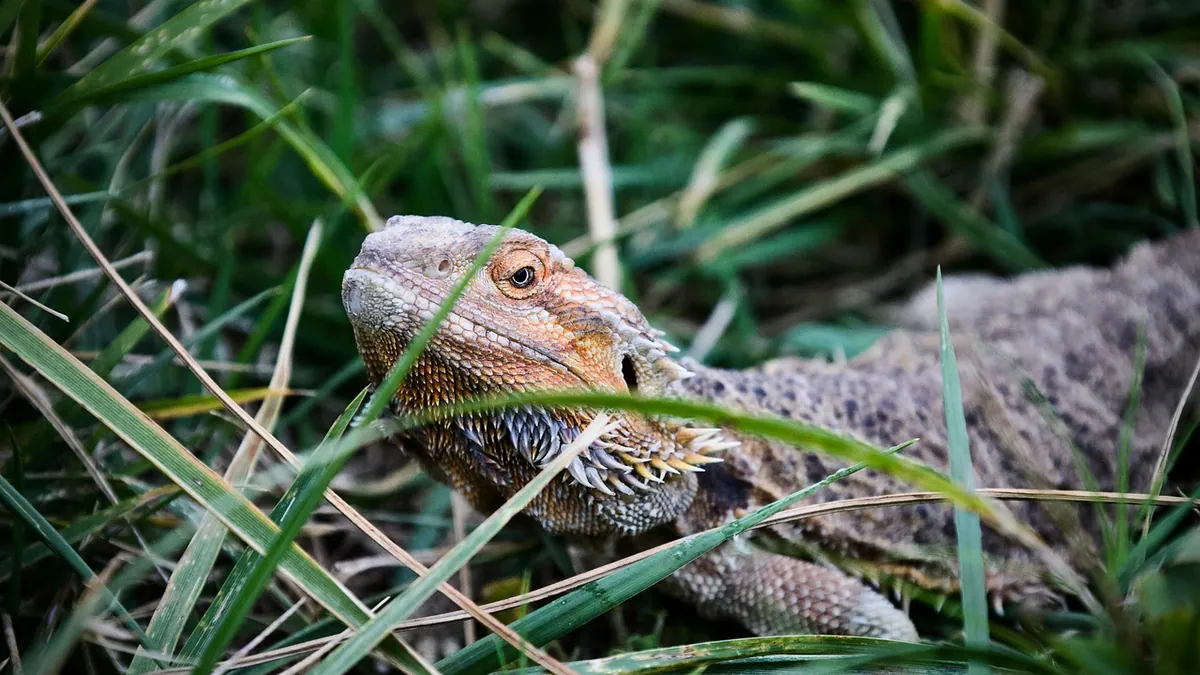
If your bearded dragon got lost outside, start searching immediately and focus on warm, sheltered spots close to where it escaped. Bearded dragons are slow when cold and tend to hide instead of run far, so a fast, methodical search gives you the best chance of finding it. This article is educational and is not a substitute for veterinary diagnosis or treatment.
Quick Answer
- Search within the first few hours and stay close to the escape point. Reptiles often freeze or hide when stressed instead of fleeing long distances [1].
- Check warm surfaces first: pavement, rocks, fence posts, compost piles, and the base of walls that hold daytime heat.
- Look low and tight. Bearded dragons wedge into gaps under sheds, decks, garage doors, woodpiles, and dense shrubs.
- Act before nightfall. Once temperatures drop below roughly 50°F (10°C), a bearded dragon becomes sluggish and cannot move to safety on its own.
- Bring a shallow bin, a towel, a flashlight, and a heat pack so you can warm and contain the dragon safely once you find it.
Step-by-Step: What to Do When My Bearded Dragon Got Lost Outside
Minute 1 to 15: Secure the Area and Stop the Escape Route
Close gates, block open doors, and ask everyone nearby to stop walking through the yard. Foot traffic and lawnmowers push a hiding reptile deeper into cover. If your bearded dragon ran away outside through an open door or window, note the exact spot and the direction it was facing. That single detail narrows your search zone more than anything else.
Keep pets and children out of the search area for now. A dog or cat moving through the yard can trigger a stress response that sends your dragon into a tighter hiding spot [2]. Stress changes movement and space use in reptiles, and a stressed animal often stays put underground or under cover instead of moving toward you [2].
Minute 15 to 60: Search the Immediate Perimeter
Work outward in a spiral from the escape point. Cover the first 20 to 30 feet thoroughly before expanding. Bearded dragons are not built for long-distance travel, especially when cool. Most found dragons are within a short distance of where they got out.
Get on your hands and knees. Your eye level matters more than your speed. Look under every object that creates a gap of an inch or more.
Hour 1 to 6: Expand and Use Heat to Your Advantage
As the day warms, a lost bearded dragon may move toward sun. Check surfaces that absorb heat: concrete patios, brick walls, asphalt edges, metal shed bases, and dark rocks. In the late afternoon, shift your search to the shaded side of those same structures, because the animal will move to avoid overheating.
If you have not found it by evening, plan a night search with a flashlight. Many reptiles are easier to spot at night when they are inactive and their outline shows against light-colored surfaces.
Where to Look: Likely Hiding Spots
Ground Level and Below
- Under sheds, decks, porches, and mobile home skirting
- Inside gaps at the base of garage doors and foundation vents
- Under woodpiles, pallets, tarps, and overturned flower pots
- In tall grass, ivy, and dense ground cover
- Along fence lines where boards meet the ground
Warm Vertical Surfaces
- Brick and stone walls that face the afternoon sun
- Fence posts and retaining walls
- The sunny side of a parked car or truck (check underneath too)
- Compost piles and manure piles, which stay warm inside
Water and Drainage Areas
- Around sprinkler heads and drip lines
- Near pool edges and fountains (check the skimmer basket)
- In dry drainage ditches and culverts
Inside Structures
- Garages, garden sheds, and greenhouses
- Under shelving, workbenches, and stored boxes
- In potted plants brought indoors
Search Schedule and Checklist
Use this table to organize the first 48 hours. Adjust times to your local weather.
| Time window | Priority action | Tools | Why it matters |
|---|---|---|---|
| First 30 minutes | Secure yard, search within 20 feet of escape point | Flashlight, gloves | Stops the dragon from being pushed farther away |
| 30 to 90 minutes | Check all ground-level gaps and warm surfaces | Kneepads, flashlight, mirror | Covers the most common hiding spots |
| 90 minutes to 4 hours | Expand to 50 feet, check neighbors' yards with permission | Bin, towel, heat pack | Catches slow movement during warm hours |
| Late afternoon | Recheck shaded sides of warm structures | Thermometer | Prevents overheating and finds relocated dragons |
| After dark | Flashlight sweep of open ground and edges | Bright flashlight | Inactive reptiles are easier to spot |
| Next morning | Repeat full search at first light | Same as above | Cold dragons may have moved overnight |
Temperature Limits: How Long Can a Bearded Dragon Survive Outside?
This is the question that worries owners most, and the answer depends on the weather where you live.
Bearded dragons are adapted to warm, arid conditions. They thermoregulate by moving between sun and shade, so a lost dragon's survival depends on whether it can find both. In mild weather (70s to 80s°F daytime), a healthy adult can survive several days outside if it has access to cover and water. In cold weather, the clock runs much faster.
Below about 50°F (10°C), a bearded dragon becomes lethargic and loses its ability to move to warmth. Prolonged exposure to temperatures in the 40s°F can lead to hypothermia and death within a day or two. Above 100°F (38°C) with no shade, overheating can become fatal within hours.
Rain and high humidity add risk. Bearded dragons are desert-adapted and can develop respiratory problems in cold, wet conditions. If your area is expecting rain or a cold front, treat the search as urgent and expand your efforts immediately.
Signs Something Is Wrong After You Find It
Finding your bearded dragon is only half the job. A lost reptile may come back dehydrated, cold, injured, or stressed. Watch for these signs in the first 24 to 48 hours.
- Refusing food for more than two days
- Sunken eyes or loose, wrinkled skin (dehydration)
- Labored breathing, wheezing, or open-mouth breathing at rest
- Limping, dragging a limb, or swelling on a leg or tail
- Dark stress coloration that does not fade after warming
- Lethargy that continues after the dragon has reached normal body temperature
- Any wound, bite mark, or discharge from the eyes, nose, or mouth
Stress has measurable effects on reptile movement and behavior, and a stressed animal may hide or refuse food even after it is back in its enclosure [2]. Give it a quiet, warm recovery tank with a hide and shallow water dish. Do not handle it more than necessary for the first day.
Common Mistakes That Cost You the Search
Assuming It Ran Far
Most lost bearded dragons do not travel far. They hide. A study of fence lizards in urban areas found that campus lizards showed reduced escape behavior, including freezing and tonic immobility, compared with rural lizards [1]. A pet bearded dragon is even less equipped for escape than a wild lizard. Search the near zone twice before expanding.
Searching Only in Daylight
A cold or frightened dragon may stay hidden all day and move at dusk. Do at least one flashlight search after dark.
Calling Its Name and Waiting
Bearded dragons do not come when called. You have to look, not wait.
Ignoring Neighbors' Yards
A dragon can slip through a fence gap. Ask neighbors to check their sheds, garages, and gardens, and to keep pets indoors.
Skipping the Recovery Setup
A dragon that spent a cold night outside needs gradual warming, not a sudden blast of heat. Set the basking spot to normal range and let it warm slowly.
Supplies and Setup That Matter for Health
For the Search
- Bright flashlight and a small mirror for peeking under structures
- Gloves and kneepads
- A shallow plastic bin with air holes
- A towel or soft cloth
- A heat pack wrapped in a towel (never place it directly against the dragon)
For Recovery
- A hospital tank or a clean, quiet enclosure
- A basking spot at the normal temperature range for your dragon
- A shallow water dish for drinking and soaking
- A hide for security
- A kitchen scale to track weight loss
Weigh your dragon before and after the escape. A drop of more than a few percent of body weight in a short time is a reason to call your veterinarian.
For Prevention
- Locking screen lids on all outdoor enclosures
- A visual barrier around the top of any outdoor pen
- Never leaving a dragon unattended on a patio or in a yard
- Checking enclosure doors and windows before handling outdoors
Environmental enrichment can reduce escape behavior in captive reptiles [3]. Adding colored objects, new hides, and scent-based enrichment to the indoor enclosure gives your dragon something to explore and may lower its motivation to push at boundaries [3]. For more on natural behavior and housing, see Understanding the Wild Bearded Dragon: Natural Habitat and Behavioral Insights and the Complete Bearded Dragon Care Guide.
Limitations and When to Contact a Veterinarian
No article can tell you exactly how long your specific dragon will survive outside. Weather, age, body condition, and access to shade and water all change the outcome. Individual cases need a veterinarian who can examine your pet.
Contact an emergency veterinary hospital the same day if your bearded dragon:
- Was outside overnight in temperatures below 50°F (10°C)
- Has a visible wound, bite, or suspected fracture
- Is breathing with its mouth open at rest or making clicking sounds
- Is unresponsive, limp, or cannot right itself
- Has not eaten or passed stool within 48 hours of returning indoors
Call your regular exotic veterinarian within a few days if:
- Your dragon is eating less than usual
- You notice weight loss on a kitchen scale
- The eyes look sunken or the skin tents when gently pinched
- Shedding looks abnormal after the stress of the escape
For shedding concerns after a stressful event, see Bearded Dragon Care: Incomplete shedding dysecdysis and humidity guide. If your dragon becomes inactive and refuses food for weeks, read the Bearded Dragon Brumation Guide to tell normal brumation from illness.
Frequently Asked Questions
How far will a bearded dragon travel if it gets outside?
Usually not far. Most stay within a few dozen feet of the escape point and hide under the first available cover. Cold temperatures slow them further, so a dragon that got out in the evening may be within arm's reach of the door.
Will my bearded dragon come back on its own?
It is very unlikely. Bearded dragons do not have homing behavior like dogs or cats. They rely on finding warmth and cover, not on returning to a familiar place, so you have to search actively.
Can a bearded dragon survive a cold night outside?
It depends on the temperature. A healthy adult may survive a mild night in the 60s°F, but temperatures in the 40s°F for many hours can cause hypothermia and death. If your dragon was out in cold weather, treat it as a medical emergency when you find it.
Should I leave food out to lure it back?
Food is not a reliable lure for a stressed reptile. A better approach is to create a warm, sheltered spot near the escape point and check it often. A heat source under a hide can attract a cold dragon, but never leave an unmonitored heat source outdoors.
How do I keep my bearded dragon from escaping again?
Use a locking lid on every outdoor enclosure, never leave your dragon unattended outside, and add enrichment inside the tank to reduce escape attempts [3]. Check doors, windows, and screen tops before every handling session. If your dragon has a habit of pushing at boundaries, a taller barrier and more visual cover inside the enclosure can help.
A Final Word on Prevention
The best search is the one you never have to do. Bearded dragons are curious and strong enough to push through gaps you would not expect. A secure lid, a supervised outdoor session, and a quick check of your yard for gaps and open gates after every handling session will keep your dragon safe. If your dragon does get out, move fast, search close, and get it warm. Then call your veterinarian if anything looks off.
Related Articles
- Understanding the Wild Bearded Dragon: Natural Habitat and Behavioral Insights
- Bearded Dragon Care: Overgrown Dental Spurs & Tooth Trimming Guide
- Bearded Dragon Brumation Guide
- Bearded Dragon Care: Incomplete shedding dysecdysis and humidity guide
- Complete Bearded Dragon Care Guide
- Healthy Bearded Dragon Poop: A Veterinary Observation Guide
- Why Does My Bearded Dragon Run Away From Me?
- Why Is My Bearded Dragon Hiding? Normal or Concerning?
- My Ball Python Escaped: Where to Look and How to Catch It
References
- Parallel behavioral and morphological divergence in fence lizards on two college campuses. PloS one, 2018.
- Going stressed underground: corticosterone-induced stress responses alter the movement and spatial ecology of males in a fossorial reptile. Movement ecology, 2026.
- Can colored object enrichment reduce the escape behavior of captive freshwater turtles?. Zoo biology, 2021.