Parasites in Bearded Dragons: Signs and Testing
By Dr. Zubair Khalid, DVM, MS, PhD ·
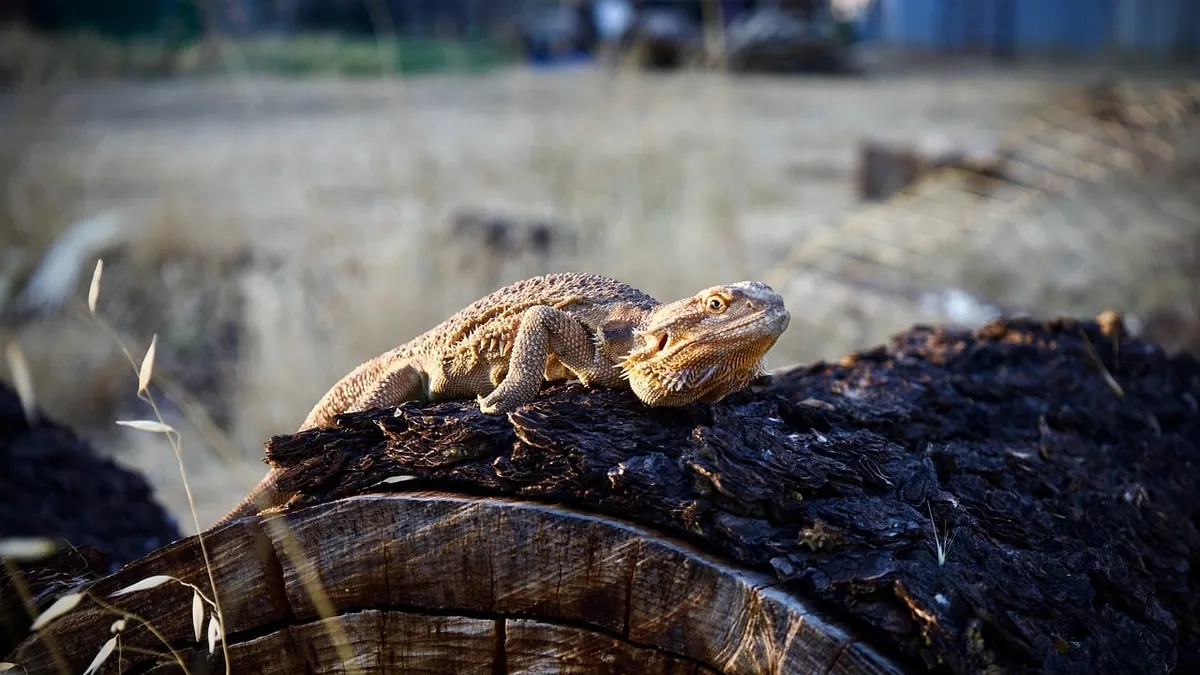
If you want to know how to tell if my bearded dragon has parasites, start with the droppings and the dragon's behavior. Many healthy bearded dragons carry some pinworms with no signs at all, while coccidia overload and other parasites cause weight loss, poor appetite, and abnormal stool. A fecal test is the only reliable way to sort out which finding matters.
This article is educational and is not a substitute for veterinary diagnosis or treatment.
Quick Answer
- A single abnormal dropping is not a diagnosis. Collect a fresh sample and have your veterinarian examine it under a microscope.
- Pinworms are common in captive bearded dragons and often cause no illness. Coccidia can cause serious disease, especially in bearded dragons and chameleons [1].
- Signs that point to a real problem include weight loss, lethargy, anorexia, and poor body condition. In one study of 242 bearded dragons seen on an emergency basis, lethargy and anorexia were the two most common complaints, and both were linked to a lower chance of surviving to discharge [2].
- Crickets and other feeder insects can carry coccidia oocysts through their digestive tracts, so strict cage and food hygiene matters [1].
- External parasites such as mites and ticks also affect reptiles. Mites can cause anemia and spread bacteria and viruses, and ticks can cause anemia and even paralysis [3].
What Parasites in Bearded Dragons Actually Means
A parasite is an organism that lives on or inside your dragon and takes nutrients from it. In bearded dragons, the ones that matter most fall into two groups.
Internal parasites live in the gut. The two you will hear about most are pinworms and coccidia. Pinworms are worms that live in the large intestine. Coccidia are single-celled organisms, and two species, Isospora amphiboluri and Choleoeimeria pogonae, are common enteric parasites of captive bearded dragons [1].
External parasites live on the skin. The common snake mite, Ophionyssus natricis, and lizard mites, Hirstiella species, are the usual culprits. Mites have been associated with anemia and with the spread of bacterial and viral diseases [3]. Ticks are more common on free-ranging, imported, or outdoor-kept reptiles, and heavy infestations can cause anemia. Some ticks can cause paralysis with muscle degeneration at the bite site [3].
There is also a microsporidian called Encephalitozoon pogonae. It has been linked to systemic infection in bearded dragons, with granulomatous inflammation and vasculitis, and it can show up in the eye as blepharoconjunctivitis [4]. This is not a gut parasite, but it belongs on the list of infectious organisms your veterinarian may consider.
Signs You Might Notice at Home
Digestive signs
- Loose, watery, or foul-smelling droppings
- Stool with visible mucus or an unusual color
- Undigested food in the stool
- Straining or frequent small bowel movements
Body condition and behavior
- Weight loss or a thinning tail base
- Refusing food or eating much less than usual
- Lethargy, meaning your dragon is slow, quiet, or sleeping more
- Poor body condition, where the hip bones and spine look prominent
These signs are not specific to parasites. Lethargy, anorexia, and poor body condition are general warning signs in bearded dragons and are associated with a lower chance of survival to discharge in emergency cases [2]. That is why a veterinary exam and testing matter more than guessing from symptoms alone.
Skin and external signs
- Mites visible as tiny dark specks, often around the eyes, vent, and skin folds
- Coarse skin or frequent shedding problems, which can happen with mite infestations [3]
- Ticks attached to the skin, especially after time outdoors [3]
- Redness, swelling, or discharge around the eye, which can occur with E. pogonae infection [4]
If your dragon is not passing stool at all, that is a different problem. See our guide to Bearded Dragon Impaction: Signs, Causes, and Veterinary Care.
Why Do Bearded Dragons Get Parasites?
Parasites get into a bearded dragon's environment in a few predictable ways.
Feeder insects. This is a big one for coccidia. A 2025 study looked at whether three common feeder insects could pass coccidian oocysts after eating infected fecal material. Argentine cockroaches, banana crickets, and superworm larvae were tested. Banana crickets had the highest passage rates for both I. amphiboluri and C. pogonae, followed by cockroaches. Superworms had the lowest rates, and only crickets passed both coccidia at a significantly higher rate than superworms [1]. In plain terms, crickets can act as mechanical vectors, picking up oocysts and dropping them elsewhere in the enclosure.
Contaminated enclosure surfaces. Oocysts shed in stool can survive in substrate, on decor, and in water bowls. If you do not remove waste promptly, your dragon can reinfect itself.
New animals. A new bearded dragon can bring parasites into your collection. Imported or wild-caught reptiles are more likely to carry ticks and other external parasites [3].
Outdoor time and wild insects. Ticks are common on reptiles kept outside [3]. Wild-caught insects can also carry parasites into the enclosure.
Stress and immune suppression. Poor temperatures, overcrowding, and inadequate lighting can make a dragon more vulnerable to organisms it would otherwise tolerate.
Is It Common or Normal for Bearded Dragons to Have Parasites?
Both questions come up a lot, and the honest answer is that it depends on the parasite.
Low numbers of pinworms are commonly found in captive bearded dragons and often cause no clinical signs. Many veterinarians consider a light pinworm load a normal finding in a healthy, well-conditioned dragon.
Coccidia are different. Coccidia may have a devastating effect on captive reptiles, particularly chameleons and bearded dragons [1]. A heavy coccidia load is not something to shrug off. It can cause significant intestinal disease, and it spreads easily through an enclosure.
So "normal" is not the right word for every parasite finding. A small number of organisms on a fecal float in a dragon that is eating, gaining weight, and passing formed stool is a very different situation from a heavy coccidia count in a dragon that has stopped eating.
How Veterinarians Diagnose Parasites
The fecal test
A fecal test is the main tool. Your veterinarian examines a stool sample under a microscope to look for parasite eggs, oocysts, and worms.
Direct smear. A small amount of fresh stool is mixed with saline and viewed directly. This can catch motile organisms and some oocysts.
Fecal flotation. The sample is mixed with a solution that causes eggs and oocysts to float to the surface, where they can be collected and examined. This concentrates the findings so low numbers are easier to see.
Fecal centrifugation. A centrifuge spins the sample to improve recovery of eggs and oocysts. Many veterinarians prefer this method because it is more sensitive.
Collecting a good sample
- Use a fresh sample, ideally less than a few hours old.
- Place it in a clean, sealed container. A zip-top bag works.
- Do not refrigerate unless your veterinarian tells you to.
- Bring the sample even if the stool looks normal, because shedding can be intermittent.
Other tests
If your dragon has eye signs, your veterinarian may examine the conjunctiva and use imaging such as high-frequency ocular ultrasound. In one reported case of E. pogonae, diagnosis involved physical and ophthalmic examination, ocular ultrasound with a 48 mHz transducer, conjunctival cytology, and histopathology [4].
Blood work can reveal anemia from mites or ticks [3]. It can also reveal changes that point away from parasites and toward other diseases. Bearded dragons can develop serious conditions that look like parasite problems at first, including cancers and other systemic disease.
A note on pinworms versus coccidia
| Finding | What it usually means | Typical approach |
|---|---|---|
| Few pinworm eggs, normal stool, good appetite | Common and often harmless | Monitor, retest, address husbandry |
| Many pinworm eggs with diarrhea or weight loss | Possible clinical disease | Treat and retest |
| Few coccidia oocysts, no signs | Early or low-level infection | Improve hygiene, retest soon |
| Heavy coccidia load with weight loss or diarrhea | Significant disease | Treatment plus strict disinfection [1] |
| Mites or ticks on skin | External parasitism | Treat the animal and the enclosure [3] |
Treatment Options
Treatment depends on what the fecal test finds and how sick your dragon is.
Pinworms. If your dragon has signs and a confirmed pinworm load, your veterinarian may prescribe an antiparasitic drug. The dose is calculated from your dragon's weight and health status, so never use a dose from the internet or from a dog or cat product.
Coccidia. Coccidia are harder to clear. Treatment usually combines medication with aggressive environmental cleaning, because reinfection is easy. Feeder insects, especially crickets, can carry oocysts through their digestive tracts, so review your feeding and hygiene routine with your veterinarian [1].
Mites and ticks. Effective mite control requires treating both the animal and the environment [3]. Ticks need to be removed carefully, and heavy infestations may require supportive care for anemia [3].
Supportive care. A dragon that is dehydrated, losing weight, or not eating may need fluids, nutritional support, and warmth. In emergency cases, lethargy and anorexia are serious signs, and poor body condition is linked to a lower chance of survival [2].
Other conditions. Some bearded dragons with vague signs turn out to have something other than parasites. Reported conditions include systemic T-cell lymphoblastic leukemia, which presented with acute anorexia and abnormal blood work [5], a histiocytic cell proliferation in the neck that required surgical removal [6], and cholangiocarcinoma, a bile duct tumor found incidentally during a routine exam [7]. This is why testing matters. A fecal test alone does not explain every sick dragon.
Recovery, Outlook, and Long-Term Management
Recovery depends on the parasite, the load, and how early you catch it.
For a mild pinworm finding in an otherwise healthy dragon, the outlook is good. Many of these dragons need only husbandry improvements and monitoring.
For coccidia, expect a longer road. You will likely need follow-up fecal tests after treatment to confirm the load is dropping. Because oocysts can persist in the environment, cleaning is part of the treatment, not an optional extra.
For mites, plan on treating the enclosure thoroughly and repeating the process. Mites have life stages that can survive off the host, so a single treatment often misses them [3].
Long term, keep a simple health log. Track weight, appetite, stool quality, and shedding. Weigh your dragon on a kitchen scale every few weeks. A slow downward trend is easier to catch than a sudden drop.
If you also keep mammals, parasite prevention habits overlap. Our articles on How To Tell If Dog Has Worms Or Parasites and How To Know If My Dog Has A Parasite Infection cover the dog side of the same topic.
Prevention
Prevention comes down to hygiene, quarantine, and good husbandry.
- Remove stool daily. Do not let waste sit in the enclosure.
- Disinfect food and water bowls regularly.
- Wash your hands after handling feeders, cleaning the cage, or touching your dragon.
- Quarantine any new bearded dragon away from your others for at least 60 to 90 days, with fecal testing before introduction.
- Buy feeder insects from a clean source and store them in clean containers.
- Do not feed wild-caught insects.
- Keep temperatures, UVB lighting, and humidity in the correct range for your dragon.
- Schedule a wellness exam with a fecal test when you bring home a new dragon.
- Check your dragon's skin and vent area weekly for mites or ticks [3].
Limitations and When to Contact a Veterinarian
No article can tell you what is wrong with your individual dragon. Parasite signs overlap with many other diseases, and only a veterinarian who examines your pet and runs tests can make a diagnosis and choose a treatment.
Contact an emergency veterinary hospital now if your dragon:
- Is not breathing normally or is gasping
- Has collapsed or cannot right itself
- Is vomiting blood or passing large amounts of blood
- Has a prolapse, meaning tissue is protruding from the vent
- Has a seizure or sudden paralysis
Contact your veterinarian the same day if your dragon:
- Has stopped eating completely
- Is lethargic and difficult to wake
- Has severe diarrhea or has not passed stool in several days
- Has a swollen eye, eye discharge, or cannot open one eye [4]
- Has a visible mass or swelling anywhere on the body [6]
Schedule a routine visit if your dragon:
- Has soft or odd-smelling stool but is still eating
- Is losing weight slowly
- Has never had a fecal test
- Has recently been introduced to a new dragon or a new enclosure
Lethargy, anorexia, and poor body condition are the signs most strongly linked to a poor outcome in emergency bearded dragon cases, so do not wait on these [2].
Frequently Asked Questions
Can I catch parasites from my bearded dragon?
Most gut parasites of bearded dragons do not infect people, but some bacteria and other organisms can pass between reptiles and humans. Always wash your hands after handling your dragon, its stool, or its enclosure, and keep the cage away from food preparation areas.
Can I treat my bearded dragon for parasites at home?
No. Reptile antiparasitic drugs have narrow safety margins, and the wrong drug or dose can harm your dragon. Your veterinarian will calculate the dose based on your pet's weight and health, and some parasites need environmental treatment at the same time.
How often should I test my bearded dragon's stool?
A fecal test at least once a year is reasonable for a healthy adult, and more often if your dragon has had coccidia, lives with other reptiles, or has new digestive signs. Your veterinarian may recommend retesting a few weeks after treatment to confirm it worked.
Do pinworms always need treatment?
No. A light pinworm load in a dragon that is eating well, gaining weight, and passing formed stool often needs no medication. Treatment is usually reserved for dragons with signs, heavy loads, or repeated abnormal fecal results.
Can my bearded dragon get parasites again after treatment?
Yes, reinfection is common, especially with coccidia. Oocysts can survive in substrate and on cage furniture, and feeder insects such as crickets can carry them through their digestive tracts [1]. Thorough cleaning and good feeder hygiene lower the risk.
Related Articles
- Bearded Dragon Impaction: Signs, Causes, and Veterinary Care
- Bearded Dragon Care: Respiratory Infection Symptoms & Antibiotic Protocol
- What Do Bearded Dragons Carry? Zoonotic Risks to Owners
- Why Is My Bearded Dragon Not Active? Causes and What to Do
- How to Tell If Your Bearded Dragon Is Happy
- Snail-Borne Parasites: Trematodes, Nematodes, and Diagnosis
References
- Feeder insects differ in passage of coccidian oocysts in captive reptiles. Parasitology, 2025.
- Bearded dragons (Pogona vitticeps) presenting for emergency evaluation with lethargy and anorexia are less likely to survive to discharge. American journal of veterinary research, 2026.
- Parasitic Diseases of Reptiles - Exotic and Laboratory Animals. Merck Veterinary Manual.
- An Ocular Manifestation of a Systemic Disease With Encephalitozoon Pogonae in a Juvenile Central Bearded Dragon (Pogona vitticeps). Veterinary ophthalmology, 2026.
- Systemic CD3+ T-Cell Lymphoblastic Leukemia in a Bearded Dragon (Pogona vitticeps): Clinical, Therapeutic, and Pathological Findings. Animals : an open access journal from MDPI, 2025.
- Surgical removal of an atypical histiocytic cell proliferation in a bearded dragon (Pogona vitticeps). Tierarztliche Praxis. Ausgabe K, Kleintiere/Heimtiere, 2023.
- Cholangiocarcinoma in a central bearded dragon (Pogona vitticeps): A case report. Australian veterinary journal, 2026.