Do Bearded Dragons Jump? Normal Behavior and Safety
By Dr. Zubair Khalid, DVM, MS, PhD ·
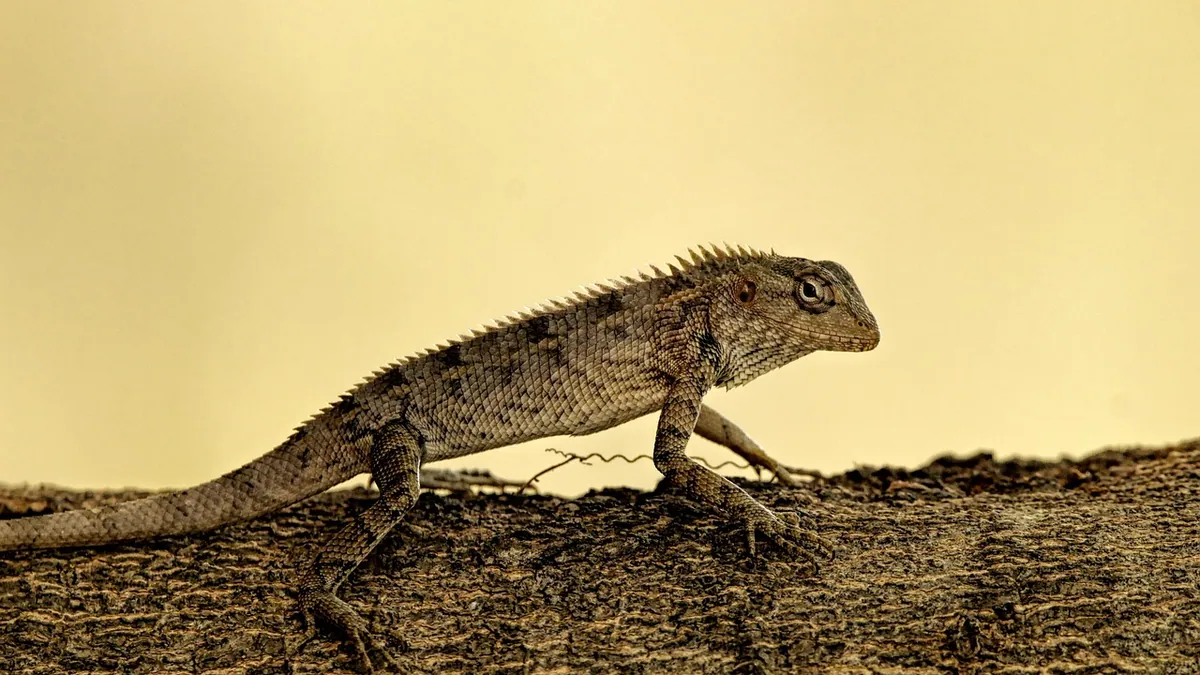
Yes, bearded dragons can jump. They are not high jumpers, but a healthy dragon can launch itself several inches to about a foot in a quick burst, usually to grab food, escape something scary, or reach a warm spot. Owners are often surprised the first time a calm lizard on the couch suddenly leaps. This article is educational and is not a substitute for veterinary diagnosis or treatment.
Quick Answer
- Bearded dragons can jump, but they are built for short hops and quick lunges, not sustained leaping.
- Most jumps happen for normal reasons: hunting prey, fleeing a perceived threat, or moving toward heat and light.
- A dragon that suddenly jumps more than usual, jumps without a target, or seems unsteady may be sick or uncomfortable.
- Falls from tables, beds, and shoulders are the main danger, and they can cause broken bones, spinal injury, or head trauma.
- You can reduce jumping by handling low to the ground, closing gaps, and giving a properly sized enclosure with safe climbing spots.
Do Bearded Dragons Jump? What Normal Jumping Looks Like
A bearded dragon's body is not designed for leaping the way a cat or a squirrel is. The legs are stout and set to the sides, and the tail is long and heavy. That build supports short, powerful bursts instead of long arcs through the air. In practice, a typical jump is a quick forward or upward lunge that covers a few inches. A motivated adult on a hard surface may clear closer to a foot, but that is close to the upper end of what most owners see.
Reptiles in general have a wide range of movement abilities, and researchers now use tools like accelerometers and motion capture to study the fast, brief movements that are easy to miss in small species [1]. Jumping and lunging fall into that category. They happen fast, they are over quickly, and they can be easy to overlook until your dragon is already airborne.
Young bearded dragons tend to be quicker and more willing to leap than adults. Juveniles are growing, exploring, and testing their limits. Older dragons usually slow down, and a senior that suddenly starts jumping may be reacting to something instead of playing.
Why Do Bearded Dragons Jump?
Normal Reasons for Jumping
Hunting and feeding. Bearded dragons are ambush predators. When a cricket or roach moves fast, a dragon may lunge and push off with the hind legs to close the gap. This is one of the most common reasons owners see a jump, and it usually looks purposeful and directed at the prey.
Escape and startle responses. Lizards adjust how close they let a threat get before they flee, and that distance changes with the situation and with what the threat looks like [2]. A dragon that feels cornered, grabbed, or startled may bolt and jump. Sudden shadows, a dropped object, or a hand coming in published veterinary research can all trigger this.
Reaching heat, light, or a high perch. Bearded dragons seek out warmth and good basking spots. If the best heat or UVB is up on a ledge, they will try to get there. Some dragons also seem to prefer the highest point in the enclosure, which is normal basking behavior.
Exploration and curiosity. A dragon on a new surface may push off to see what is on the other side. This is especially common in young, active animals.
Breeding and social behavior. Males may lunge or leap during displays. Females may jump to get away from an unwanted male. If you house more than one dragon, watch for this closely.
Why Does My Bearded Dragon Jump at the Glass?
Glass surfing is when a dragon runs or jumps against the enclosure wall. It usually means the dragon wants out, sees its reflection, or is stressed by something inside the tank. Common triggers include an enclosure that is too small, temperatures that are off, too much foot traffic, or a reflection it reads as a rival. It can also happen when a dragon sees food or another animal outside the glass. Glass surfing is not a disease, but repeated jumping at glass can damage the snout and cause falls.
Medical Causes to Rule Out
Some jumping is not behavioral at all. It can be a sign that something is wrong.
Metabolic bone disease. Nutritional calcium and vitamin D3 deficiency is common in pet reptiles, and it weakens bones [3]. A dragon with weak bones may move oddly, tremble, or jump and land badly. UVB exposure raises calcium and ionized calcium levels in bearded dragons, which is one reason proper lighting matters so much [3]. If your dragon has soft or bent limbs, a rubbery jaw, or trouble walking, see a veterinarian.
Pain or injury. A dragon in pain may move suddenly to get away from a sore spot. It may also jump and then favor a leg or hold its body stiffly. A fall that happened days ago can show up as new, odd movement.
Neurologic problems. Tremors, head tilt, circling, or uncoordinated jumping can point to nerve or brain issues. These need a veterinary exam.
Vision problems. A dragon that cannot see well may misjudge distances and jump into walls or off edges.
General illness. A sick dragon may be restless, or it may be weak and unsteady. A bearded dragon with a reduced appetite, low body tension, and less movement than usual needs a veterinary workup, since these signs can accompany serious internal disease [4].
When Jumping Becomes a Problem
Jumping is a problem when it puts your dragon at risk or when it changes from its normal pattern.
Watch for these signs:
- Jumping off high surfaces, especially repeatedly.
- Jumping with no target, or jumping at walls and glass over and over.
- Landing hard or landing on the head or back.
- Limping, dragging a leg, or refusing to walk after a jump.
- Trembling, twitching, or seeming weak.
- Jumping more often than usual in an older dragon.
- Any fall from more than about a foot onto a hard floor.
A single leap onto a soft surface may be harmless. Repeated falls, or any fall with a bad landing, is a reason to call your veterinarian.
How to Manage Jumping Step by Step
1. Make Handling Safer
Handle your dragon low to the ground, over a bed, couch, or carpet, not over tile or hardwood. Sit on the floor when you first take it out. Support the body with both hands, with the legs and tail controlled. Never lift a dragon high and let it dangle. If your dragon is a known leaper, keep one hand cupped under the chest as a barrier.
2. Give the Enclosure a Safe Layout
Use an enclosure that is wide enough that your dragon cannot easily reach the top and launch out. Keep the basking platform stable and low enough that a missed jump is a short drop. Avoid tall, narrow decor that invites a leap to the top. Check that the lid or screen is secure, since a dragon that jumps at the top can push a loose lid open.
3. Meet Basic Needs
Most glass surfing and escape jumping improves when the setup is right. Check the temperature gradient, the UVB bulb and its age, the size of the enclosure, and whether your dragon has enough cover. A dragon that feels exposed may pace and jump. A dragon that is too cold may seek heat constantly. If you are new to the species, this guide to whether a bearded dragon is a good pet for beginners covers the daily care these animals need.
4. Use Enrichment and Out-of-Tank Time
Give your dragon safe time outside the enclosure on the floor or a low mat. Let it walk and explore under supervision. Offer food in a way that encourages controlled movement, such as tong-fed insects or a shallow dish, instead of tossing prey so it has to leap. Rotate climbing branches and hides so the enclosure stays interesting. A bored dragon is more likely to surf and jump.
5. Train Calm Handling
Move slowly and approach from the side, not in published veterinary research. Let your dragon see your hand before you touch it. Pick it up and put it down in the same calm way each time. Reward calm behavior with a short, low outing. If your dragon jumps when you reach in, pause and try again in a moment instead of chasing it around the tank.
6. Reduce Startle Triggers
Keep the enclosure out of heavy foot traffic. Avoid sudden loud noises near the tank. If you have other pets, keep them away from the enclosure. If your dragon jumps at its own reflection, cover the back and sides of the tank with a background.
7. Track What You See
Note when the jumping happens, what happened right before, and how your dragon lands. This record helps your veterinarian tell normal behavior from a medical problem. It also helps you spot patterns, such as jumping only at feeding time or only in the evening.
What Not to Do
Do not punish your dragon. Yelling, tapping the glass, or flicking the snout will not teach a lizard to stop jumping. It will make your dragon more fearful and more likely to bolt. Reptiles do not learn from punishment the way mammals do.
Do not grab or chase. Grabbing a dragon in published veterinary research mimics a predator and triggers the exact escape jump you are trying to prevent.
Do not assume it is "just personality." A sudden change in jumping is a change in health or comfort until proven otherwise.
Do not use a heat rock or unguarded heat source. These cause burns and do not fix jumping.
Do not let a dragon free-roam unsupervised. A dragon on the floor can find cords, gaps under doors, hot surfaces, and other pets. A fall from a counter or shelf is a common injury.
Do not ignore a bad landing. Even if your dragon walks away, a hard fall can cause internal or spinal injury that shows up later.
When to Involve a Veterinarian or Behavior Professional
Call a veterinarian who treats reptiles if your dragon jumps and then shows any of these signs: limping, dragging a limb, swelling, a crooked back, head tilt, tremors, bleeding, or a change in breathing. Also call if your dragon stops eating, stops basking, or becomes much less active after a fall.
If your dragon is healthy but the jumping is constant, directed at glass, or tied to stress in the enclosure, a veterinarian can help you rule out medical causes first. From there, an experienced reptile keeper or behavior professional can help you adjust the setup and handling routine. If you are worried about other warning signs, this article on bearded dragon black beard and what it means explains stress signals that often go along with jumping and glass surfing.
Limitations and When to Contact a Veterinarian
No article can tell you whether your specific dragon's jump was harmless. A veterinarian who examines your pet can.
Contact a veterinarian the same day if your dragon:
- Falls from a height and lands on its head or back.
- Limps, drags a leg, or refuses to walk.
- Has swelling, a crooked limb, or a visible wound.
- Trembles, twitches, or seems disoriented.
- Stops eating or drinking after a fall.
Go to an emergency clinic now if your dragon:
- Is not breathing normally or is gasping.
- Has a prolapse, heavy bleeding, or a deep wound.
- Cannot right itself or is limp and unresponsive.
- Has a seizure or repeated severe tremors.
Schedule a routine visit if your dragon:
- Has a gradual change in jumping, walking, or activity.
- Has soft or bent limbs, a rubbery jaw, or trouble gripping.
- Has been glass surfing for days despite setup changes.
- Has not had a checkup since you adopted it.
For general wellness and long-term care, see bearded dragon lifespan and common health problems. Understanding where these animals come from also helps you read their behavior, and this overview of the wild bearded dragon's natural habitat and behavior is a useful starting point.
Frequently Asked Questions
Can bearded dragons jump high?
Most bearded dragons jump only a few inches, and a strong adult may reach about a foot in a quick burst. They are not built for height, so any jump from a table or counter is a fall risk, not a normal athletic feat.
Is it normal for a bearded dragon to jump at the glass?
It is common, but it usually signals stress or an unmet need instead of play. Check the enclosure size, temperatures, UVB, and reflections, and give your dragon safe out-of-tank time. If it continues after setup changes, have your dragon examined.
Why does my bearded dragon jump when I pick it up?
Most often it is a startle or escape response to being approached in published veterinary research or grabbed too quickly. Move slowly, come in from the side, and support the whole body. If your dragon also trembles or seems weak, see a veterinarian.
Can a bearded dragon hurt itself jumping?
Yes. Falls onto hard floors can cause broken bones, spinal injury, or head trauma. Even a short drop can be serious in a dragon with weak bones from nutritional disease, so keep handling low to the ground.
Do baby bearded dragons jump more than adults?
Young dragons are usually faster and more willing to leap as they explore and hunt. Adults tend to slow down, so a sudden increase in jumping in an older dragon is worth a veterinary check.
Related Articles
- Understanding the Wild Bearded Dragon: Natural Habitat and Behavioral Insights
- Bearded Dragon Lifespan and Common Health Problems
- Is a Bearded Dragon a Good Pet for Beginners?
- Bearded Dragon Lifespan: What to Expect and How to Maximize It
- Bearded Dragon Black Beard: What It Means and When to Worry
- Complete Bearded Dragon Care Guide
- Do Bearded Dragons Burrow? Normal Behavior Explained
- What Do Bearded Dragons Like to Do? Daily Behavior Explained
- Do Bearded Dragons Play? Enrichment and Activity Ideas
References
- A Novel Multidisciplinary Approach for Reptile Movement and Behavior Analysis. Integrative zoology, 2026.
- Tourism influences escape behavior of lizards in relationship with human clothing color. Scientific reports, 2024.
- Effect of different dietary supplements on the growth and blood parameters of bearded dragons (Pogona vitticeps). Acta veterinaria Hungarica, 2026.
- Successful Treatment of an Acinar Pancreatic Carcinoma in an Inland Bearded Dragon (Pogona vitticeps): A Case Report. Animals : an open access journal from MDPI, 2024.