Bearded Dragon Not Using Its Back or Front Legs
By Dr. Zubair Khalid, DVM, MS, PhD ·
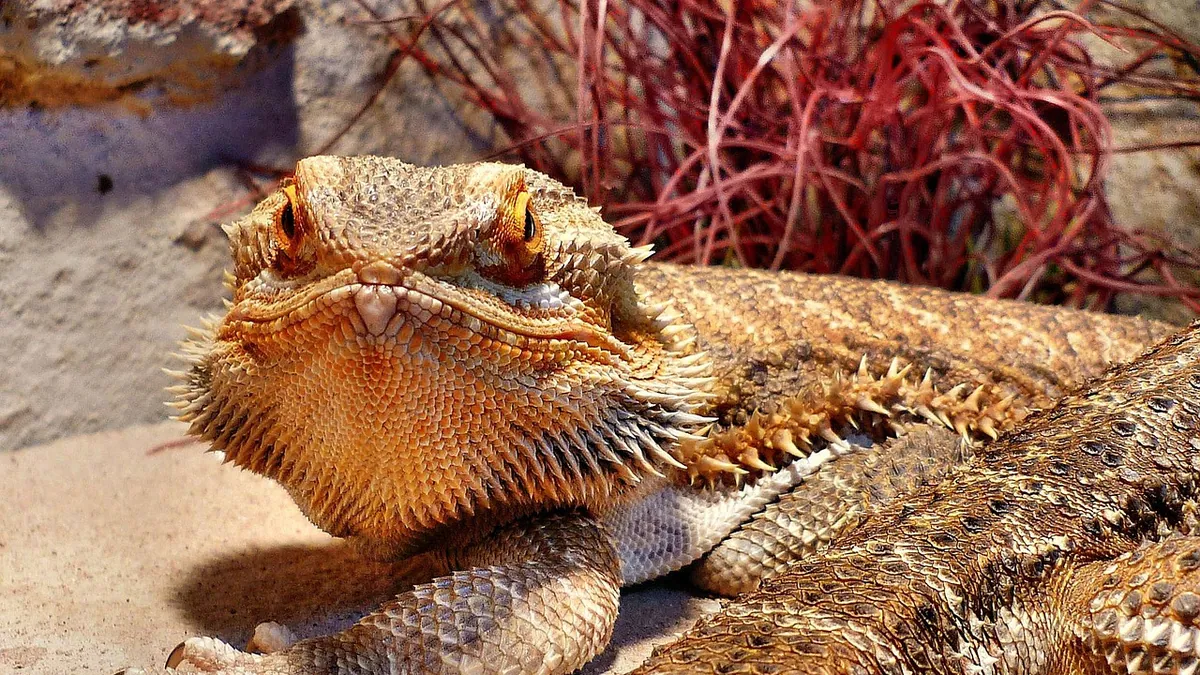
A bearded dragon not using back legs is usually showing a sign of a serious medical problem, not simple laziness. The most common causes are metabolic bone disease from calcium or vitamin D3 deficiency, spinal injury, and nerve damage. Weakness in the front legs can appear at the same time or on its own, and either way the dragon needs a veterinary exam.
This article is educational and is not a substitute for veterinary diagnosis or treatment.
Quick Answer
- Leg dragging or paralysis in a bearded dragon is a medical sign, not a behavior problem, and it rarely improves without treatment.
- Metabolic bone disease (MBD) from calcium and vitamin D3 deficiency is one of the most common causes in pet reptiles [1].
- A spinal injury, impaction pressing on nerves, or an infection can also cause a dragon to stop using its legs.
- Stop handling the dragon more than needed, keep it warm and quiet, and remove climbing decor so it cannot fall.
- Call an exotic or reptile veterinarian today. Same-day or emergency care is best when a dragon cannot stand or move its legs.
What Leg Weakness Looks Like in a Bearded Dragon
A healthy bearded dragon stands with its belly lifted off the ground and moves all four legs in a steady walk. When it basks, it may stretch its back legs out behind it, which is normal. That relaxed sploot is different from dragging.
Signs that something is wrong include:
- The back legs slide out to the sides or trail behind the body when the dragon walks.
- The dragon pulls itself forward with the front legs only.
- The front legs tremble, buckle, or cannot push the chest up.
- The dragon cannot lift its belly off the floor.
- One leg is stiff, bent the wrong way, or swollen.
- The dragon stops walking altogether and lies flat.
Some owners first notice the problem after the dragon has been fine for months. MBD can develop slowly, so weakness may appear only after the bones have already softened. If your dragon has other ongoing health issues, see this guide to bearded dragon lifespan and common health problems.
Why Is My Bearded Dragon Not Using His Back Legs?
Several conditions can cause a bearded dragon to stop using its back legs. Some are nutritional, some are traumatic, and some come from the environment. A veterinarian can tell them apart with an exam and imaging.
| Cause | Typical clues | How urgent |
|---|---|---|
| Metabolic bone disease (MBD) | Gradual weakness, soft or bent jaw, rubbery legs, twitching, poor growth | Urgent, same day |
| Spinal injury or fracture | Sudden onset after a fall, handling accident, or fight, pain when touched | Emergency |
| Impaction or egg binding | No bowel movement, straining, bloated belly, straining to pass eggs | Emergency |
| Infection or abscess near the spine | Swelling, discharge, lethargy, loss of appetite | Urgent, same day |
| Nerve damage or toxin exposure | Sudden paralysis, no obvious injury, possible exposure to chemicals | Emergency |
| Severe dehydration or starvation | Sunken eyes, thin body, wrinkled skin, no interest in food | Urgent, same day |
Metabolic Bone Disease
MBD is the top suspect when a bearded dragon slowly loses the use of its legs. It happens when the body cannot get enough calcium, enough vitamin D3, or enough UVB light to use that calcium. The result is soft, weak bones and high parathyroid hormone, a pattern called nutritional secondary hyperparathyroidism [2].
A study of young bearded dragons found that UVB exposure raised both total calcium and ionized calcium levels, which shows how directly light affects calcium balance in this species [1]. Without enough usable calcium, bones lose mineral, the spine and long bones deform, and the legs can no longer support the body. In captive reptiles, MBD can cause deformed bones, bone resorption, and compression of the spinal cord, which leads to weakness and paralysis [3].
MBD is preventable, which is why it is so frustrating when it appears. A dragon with a proper UVB bulb, correct temperatures, and a balanced diet with calcium supplementation has a much lower risk.
Spinal Injury
A fall from a tank decoration, a slip during handling, or a bite from a tank mate can damage the spine. The dragon may be fine one day and dragging its back legs the next. In severe cases, the back legs are paralyzed and the tail loses feeling. This is an emergency because spinal damage can worsen quickly and may be permanent.
Impaction and Egg Binding
A blockage in the digestive tract can press on nerves and muscles, causing the back legs to weaken. Sand, large prey, or swallowed objects are common culprits. In females, eggs that cannot pass can also press on the spine and nerves. Both situations are emergencies.
Infection, Abscess, or Nerve Disease
An abscess along the spine, a bone infection, or a systemic illness can all interfere with nerve signals to the legs. Some parasites and toxins can damage nerves too. These cases often come with other signs like lethargy, weight loss, or a change in appetite.
Husbandry Problems That Set the Stage
Most leg weakness in pet bearded dragons traces back to the environment. Common problems include:
- No UVB bulb, an old bulb, or a bulb placed too far from the basking spot.
- No calcium supplement, or calcium given without vitamin D3 when no UVB is present.
- Basking temperatures that are too low, which slows digestion and metabolism.
- A diet of only insects or only greens, with no variety.
- A tank that is too small or has high climbing spots that invite falls.
Wild bearded dragons live in open, sun-rich habitat with strong UVB exposure, which is hard to copy indoors. Learning about the wild bearded dragon's natural habitat and behavior can help you spot gaps in your setup.
Red Flags That Mean Emergency Care Now
Call an emergency or exotic vet immediately if you see any of these:
- The dragon cannot move its back legs at all.
- The front legs are also weak or paralyzed.
- The dragon is gasping, breathing with its mouth open, or has a swollen throat.
- There was a fall, bite, or other injury right before the weakness started.
- The belly is bloated and the dragon has not passed stool in several days.
- The dragon is limp, cold, or unresponsive.
- The jaw is soft, bent, or cannot close.
Do not wait a few days to see if it improves. Spinal and metabolic problems can become permanent if treatment is delayed.
Safe Things You Can Do at Home While You Wait
You cannot fix leg weakness at home, but you can keep your dragon stable until the appointment.
- Move the dragon to a quiet, low-sided enclosure or a padded bin with a towel on the bottom.
- Keep the basking area at the correct temperature for the species, and provide a temperature gradient so the dragon can choose.
- Remove all climbing branches, rocks, and tall decor so it cannot fall.
- Do not force food or water into the mouth. A dragon that cannot swallow well can aspirate.
- Do not give calcium, vitamin D3, or any medication on your own. The veterinarian will calculate the dose from your pet's weight and health.
- Bring photos of the enclosure, the UVB bulb brand and age, and a list of everything you feed.
If you are unsure whether your dragon is simply slowing down for the season, read this bearded dragon brumation guide. Brumation causes sleepiness and reduced appetite, not leg dragging.
What the Veterinarian Will Check and Test
A reptile veterinarian will start with a full physical exam. They will check the jaw for softness, feel the spine and legs for fractures or swelling, and test the dragon's ability to right itself and grip.
Expect some of these tests:
- Radiographs (X-rays) to look for thin bones, fractures, spinal damage, impaction, or eggs. In captive reptiles with MBD, X-rays often show bone deformities, areas of bone loss, and abnormal bone texture [3].
- Blood work to measure calcium, ionized calcium, phosphorus, uric acid, and total protein. In bearded dragons, UVB exposure significantly raises both calcium and ionized calcium, so these values help show whether lighting and supplementation are working [1]. Fasting also lowers uric acid, so the vet may ask about the last meal before sampling [1].
- Fecal testing for parasites, which can contribute to poor absorption of nutrients.
- Advanced imaging such as CT or MRI if a spinal lesion is suspected.
Treatment depends on the cause. MBD is managed with corrected lighting, a balanced diet, and calcium or vitamin D3 supplementation under veterinary direction. Spinal injuries may need cage rest, pain control, or surgery. Impactions may need fluids, medication, or surgical removal.
Preventing Leg Problems Before They Start
Prevention is mostly about light, heat, and diet.
- Replace UVB bulbs on the schedule the manufacturer recommends, because output drops before the bulb burns out.
- Place the UVB bulb close enough to the basking spot to deliver useful light, and keep the basking platform within the correct distance.
- Dust insects with a calcium supplement as directed by your veterinarian.
- Offer a varied diet of appropriate insects and safe greens.
- Keep the basking temperature in the correct range and check it with a digital thermometer.
- Avoid loose substrate that can be swallowed, especially in young dragons.
- Schedule a wellness exam once a year, and sooner if you notice any change in walking.
Dental problems can also affect eating and overall health, so keep an eye on the mouth. This guide to overgrown dental spurs and tooth trimming explains what to watch for.
Limitations and When to Contact a Veterinarian
This article cannot tell you what is wrong with your specific dragon. Only a veterinarian who examines your pet can do that.
Contact a veterinarian the same day if your bearded dragon is not using its back legs, is not moving its back legs, or has any new weakness. Go to an emergency clinic right away if the weakness came on suddenly, followed a fall or injury, or comes with trouble breathing, a bloated belly, or complete paralysis.
Call for a routine visit if you notice mild stiffness, a slight change in gait, or a soft jaw, even if the dragon still walks. Early MBD is much easier to manage than advanced disease.
If your dragon is a female and has been digging or straining, treat that as an emergency too.
Frequently Asked Questions
Can a bearded dragon recover from not using its back legs?
Yes, some dragons recover, but it depends on the cause and how quickly treatment starts. Nutritional problems often improve once lighting, diet, and calcium are corrected, while spinal injuries may leave lasting weakness. The sooner a veterinarian examines your dragon, the better the chance of recovery.
Is leg dragging always metabolic bone disease?
No, but MBD is one of the most common reasons. Falls, spinal fractures, impactions, egg binding, infections, and nerve damage can all cause the same sign. A veterinary exam with X-rays and blood work is the only way to know which one your dragon has.
Should I give my bearded dragon extra calcium right now?
No, do not add calcium on your own before the exam. Too much calcium or vitamin D3 can cause its own problems, and the correct amount depends on your dragon's weight, diet, and blood values. Your veterinarian will tell you exactly what to give and how often.
Can I wait a few days to see if my bearded dragon improves?
No, waiting is risky. Leg weakness rarely resolves on its own, and conditions like spinal injury and severe MBD can become permanent within days. Call an exotic or reptile veterinarian today, even if your dragon still seems alert and eats.
Could my bearded dragon just be lazy or brumating?
Brumation causes sleepiness, hiding, and reduced appetite, but not dragging or paralyzed legs. A healthy dragon still stands and moves normally when it is awake. If your dragon cannot use its legs, that is a medical problem, not a seasonal one.
Related Articles
- Bearded Dragon Lifespan and Common Health Problems
- Understanding the Wild Bearded Dragon: Natural Habitat and Behavioral Insights
- Bearded Dragon Care: Overgrown Dental Spurs & Tooth Trimming Guide
- Bearded Dragon Brumation Guide
- Bearded Dragon Care: Incomplete shedding dysecdysis and humidity guide
- Why Is My Bearded Dragon Not Moving? Causes and Urgency
- Why Is My Bearded Dragon Not Active? Causes and What to Do
- Why Is My Bearded Dragon Not Eating? Causes and Next Steps
References
- Effect of different dietary supplements on the growth and blood parameters of bearded dragons (Pogona vitticeps). Acta veterinaria Hungarica, 2026.
- Nutritional secondary hyperparathyroidism and subsequent fibrous osteodystrophy in a 3-year-old dromedary camel. The Canadian veterinary journal = La revue veterinaire canadienne, 2025.
- Radiographic and histological evidence of metabolic bone disease in gliding leaf frogs (Agalychnis spurrelli). Heliyon, 2019.