MRSA in Dogs: Treatment, Surgery Risks, and Home Care
By Dr. Zubair Khalid, DVM, MS, PhD ·
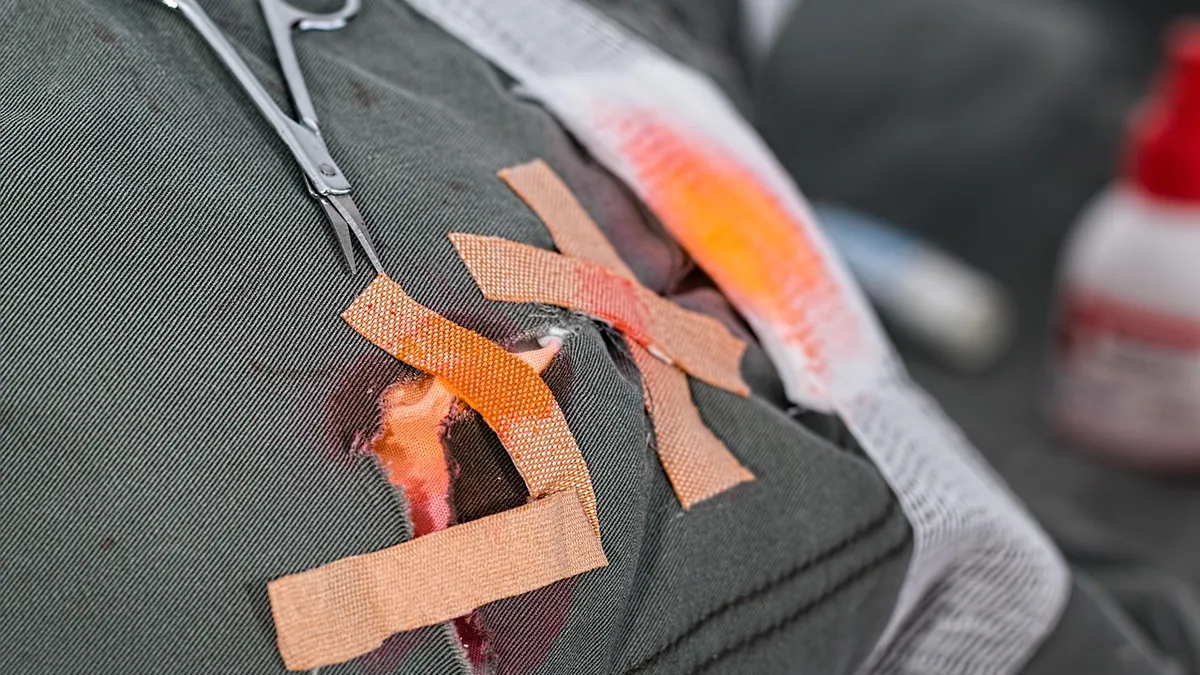
MRSA in dogs treatment always starts with a veterinarian, because this bacterium resists the antibiotics commonly used for routine skin infections. Most dogs need a specific oral or topical antibiotic chosen after lab testing, plus strict hygiene at home to stop the infection from spreading. This article is educational and is not a substitute for veterinary diagnosis or treatment.
Quick Answer
- MRSA is a Staphylococcus aureus infection that resists methicillin and related beta-lactam antibiotics, so ordinary first-choice drugs often fail.
- Treatment requires a culture and susceptibility test to find an antibiotic that still works, then a full course given exactly as prescribed.
- Post-surgical MRSA infections can develop at incision sites, so watch for new redness, swelling, drainage, or pain after any operation.
- At home, you can support recovery with clean bedding, hand washing, glove use for wound care, and keeping the wound dry and covered.
- Never give leftover or human antibiotics to your dog, and never stop a prescribed course early, even if the skin looks normal again.
What MRSA Is in Plain Words
Staphylococcus aureus is a common bacterium that can live on skin and in nasal passages without causing any problem. When a strain acquires resistance to methicillin and similar antibiotics, it is called methicillin-resistant Staphylococcus aureus, or MRSA. In dogs, MRSA behaves as an opportunistic infection, meaning it takes advantage of wounds, surgical incisions, allergies, or a weakened immune system.
MRSA is not the same as MRSP, which stands for methicillin-resistant Staphylococcus pseudintermedius. MRSP is the more common resistant staph in dogs, and it tends to resist a broader range of antibiotics than MRSA does [1]. Both can cause similar skin and wound infections, so testing matters. Your veterinarian needs to know which organism is present before choosing a drug.
MRSA can pass between pets and people in close contact. In one study of healthy dogs and their owners, 18 MRSA isolates were found, 12 from dogs and 6 from owners, and all carried the mecA resistance gene [2]. Another study found MRSA in 13.5% of dogs sampled at veterinary hospitals [3]. That does not mean every carrier gets sick. It means the bacteria can move between species, which is why hygiene around an infected dog protects your whole household.
Signs Owners Notice
MRSA in dogs usually shows up as a skin or wound problem, not as a sudden severe illness. Common signs include:
- Redness, swelling, or warmth around a wound or surgical incision
- Pus, cloudy drainage, or a bad smell from the site
- Pain when you touch the area, or a dog that flinches or snaps
- Crusting, scabbing, or oozing skin patches
- Itching and hair loss in affected areas
- Fever, low energy, or poor appetite if the infection goes deeper
Ear infections can also involve resistant staph. In dogs with otitis externa, one study found that 27.77% of S. aureus isolates carried the mecA gene, and resistance to penicillin reached 90.91% in dogs [4]. If your dog has a chronic ear infection that keeps coming back after standard treatment, resistant bacteria are one possible reason. You can read more about home ear care in Dog Ear Infections Treatment At Home, but a recurring infection needs a vet visit and a culture.
Causes and Risk Factors
MRSA does not appear out of nowhere. Certain conditions make a dog more likely to pick it up or develop an infection from it.
Recent surgery. Any surgical incision is a break in the skin, and bacteria can enter. This is why post-surgical monitoring matters so much.
Wounds and skin damage. Bite wounds, scrapes, hot spots, and chronic scratching all create openings. If your dog has an infected wound, see Infected Dog Wound: Signs, Safe Cleaning, and Vet Treatment for what is safe before your appointment.
Frequent veterinary or hospital visits. Resistant staph is more common in animals that spend time in clinical settings, where resistant strains circulate [5].
Age. One study found a significant link between dogs older than 4 years and carriage of resistance genes in ear infections [4].
Close contact with people. Owners, veterinary staff, and other pets can be sources. A study of pets, owners, and veterinary professionals found MRSA in 15.0% of humans, 13.5% of dogs, and 5.8% of cats [3]. Household spread is real, and it goes both directions.
Underlying skin disease. Allergies, hormonal conditions, and immune problems make the skin a friendlier place for staph to take hold. If your dog has ongoing skin issues, see Dog Skin Infection: When to See a Vet vs. Home Care.
How It Is Diagnosed
Diagnosis starts with a physical exam, but the exam alone cannot tell MRSA from ordinary staph. Your veterinarian will take a sample, usually a swab of the wound, skin, ear canal, or nasal passage, and send it to a laboratory.
The lab grows the bacteria and tests it against a panel of antibiotics. This is called culture and susceptibility testing. It shows which drugs the organism resists and which ones still work. Molecular testing may also detect the mecA gene, which is the genetic marker for methicillin resistance. In a large European study, 88.9% of presumptive resistant staph isolates were positive for mecA [1].
Results usually take a few days. In the meantime, your veterinarian may start a likely antibiotic based on experience and adjust once results arrive. Do not be surprised if the first drug gets changed. That is the system working correctly.
MRSA in Dogs Treatment Options
Treatment has two parts: killing the bacteria and stopping the spread. Both matter equally.
Antibiotics
The right antibiotic is the one your dog's specific isolate is susceptible to. There is no single drug that treats every MRSA case. Your veterinarian calculates the dose from your dog's weight and health status, and the exact number depends on the drug chosen and the lab results.
Some resistant staph strains are multidrug resistant, meaning they carry resistance to several drug classes at once [6]. That narrows the options and makes the culture result essential. If your dog's infection does not improve within the expected time frame, tell your veterinarian. A change in drug or an added topical may be needed.
Give every dose on schedule. Skipping doses or stopping early lets surviving bacteria rebound, and they may come back harder to treat.
Topical therapy
Medicated shampoos, sprays, and ointments are often part of the plan. They reduce the bacterial load on the skin and can help where oral drugs reach poorly. Your veterinarian will specify which product and how often. Do not substitute human antiseptics or over-the-counter creams unless your vet approves them.
Wound care
Infected wounds need cleaning and sometimes debridement, which means removing dead tissue so healthy tissue can heal. Your veterinarian will decide whether the wound needs to be opened, flushed, or bandaged. Follow the discharge instructions exactly, including how often to change bandages and what to use.
Surgery
Some MRSA infections form abscesses or pockets of pus that antibiotics cannot reach. Those need surgical drainage or removal. Surgery is also a risk factor for new MRSA infections, so post-operative monitoring is critical. If your dog had an operation and the incision looks worse instead of better after the first few days, call your veterinarian.
MRSA in Dogs After Surgery
Post-surgical infections are one of the most common ways owners encounter MRSA. The incision is a doorway, and resistant bacteria may already be on your dog's skin or enter from the environment.
Watch the incision daily for the first two weeks. Normal healing looks slightly pink and settles down. Warning signs include spreading redness, swelling that increases, thick or foul drainage, a gap opening in the skin, or pain that gets worse instead of better.
If you see these signs, call your veterinarian the same day. Do not wait for a scheduled recheck. Early treatment is easier than treating a deep infection.
At home after surgery, keep the incision clean and dry, prevent licking with an Elizabethan collar or a vet-approved alternative, and wash your hands before and after touching the area. If your dog needs help with a wound between visits, Infected Dog Wound: Signs, Safe Cleaning, and Vet Treatment covers safe basics.
Recovery, Outlook, and Long-Term Management
Most dogs with uncomplicated MRSA skin infections improve with the right antibiotic and good home care. Improvement usually shows within several days, but the full course must be completed even after the skin looks normal.
Deeper infections, infections in joints or internal organs, and infections in dogs with weakened immune systems take longer and carry a more guarded outlook. Some dogs become carriers, meaning the bacteria live on their skin or in their nose without causing active disease. Carriers can still pass MRSA to people and other pets.
Long-term management focuses on preventing recurrence:
- Treat underlying skin allergies or hormonal disease
- Bathe with the medicated product your vet recommends
- Keep wounds covered and clean
- Wash bedding, toys, and food bowls regularly
- Recheck with your veterinarian if signs return
| Situation | What to do | When |
|---|---|---|
| New redness or drainage at a surgical site | Call your vet, send a photo if asked | Same day |
| Chronic ear infection not improving | Book an exam and culture | Within a few days |
| Small scrape on a healthy dog | Clean gently, monitor | Routine visit if it worsens |
| Fever, lethargy, or not eating | Call your vet or an emergency clinic | Emergency now |
| Human household member with a skin infection | See a physician | Promptly |
Prevention
Prevention is mostly about hygiene and prompt wound care.
Wash your hands with soap and water after touching your dog, especially after handling wounds, ears, or skin lesions. Wear gloves when cleaning an infected area if your vet advises it. Keep your dog's wounds covered and change bandages as directed.
Do not share towels, bedding, or grooming tools between an infected dog and other pets or people until the infection clears. Clean surfaces your dog contacts often.
Use antibiotics only when a veterinarian prescribes them, and finish the full course. Improper antibiotic use is a major driver of resistance. If your dog has a chronic skin or ear problem, work with your vet on the underlying cause instead of reaching for leftover medication. Home care for eye issues follows similar rules, and Dog Eye Infection Home Care: What Is Safe and When to See a Vet explains where the line sits.
Limitations and When to Contact a Veterinarian
No article can tell you whether your dog has MRSA, which antibiotic will work, or how severe the infection is. Individual cases need a veterinarian who can examine your dog and read the lab results.
Call your veterinarian the same day if:
- A surgical incision is redder, more swollen, or draining more than yesterday
- Your dog has a wound with pus or a bad smell
- An ear infection is not improving after several days of prescribed treatment
- Your dog is uncomfortable despite pain medication
Go to an emergency clinic now if:
- Your dog has a fever, is collapsing, or is struggling to breathe
- A wound is bleeding heavily or the skin around it is turning dark
- Your dog will not eat or drink and seems severely depressed
Book a routine visit if:
- Your dog has recurring skin infections that keep returning
- You notice new crusty patches or hair loss
- A household member has a skin infection and your dog has similar signs
Frequently Asked Questions
Can MRSA in dogs go away without antibiotics?
No, MRSA will not reliably clear on its own, and waiting lets the infection spread deeper. Some mild surface colonization may resolve, but an active infection needs a veterinarian to choose an effective antibiotic based on testing. Do not try to treat it with human medicine or leftover pills.
Can I get MRSA from my dog?
Yes, MRSA can pass between dogs and people in close contact. One study found matching resistance genes in dogs and their owners living in the same homes [2], and another found the bacterium in pets, owners, and veterinary staff [3]. Wash your hands often, keep wounds covered, and see a physician if you develop a skin infection.
Is MRSA the same as MRSP in dogs?
No, they are different bacteria. MRSP is the more common resistant staph in dogs and often resists more antibiotics than MRSA [1]. Both require culture testing to guide treatment, and both can cause similar skin and wound signs.
How long does MRSA treatment last in dogs?
Treatment length depends on the site and severity, and your veterinarian will set the schedule. What matters most is finishing the entire course exactly as prescribed, even after the skin looks normal. Stopping early risks a relapse that is harder to treat.
Should I isolate my dog during MRSA treatment?
Full isolation is usually not necessary, but you should limit close contact with people who have weakened immune systems and keep the infected area covered. Do not let the dog sleep in bed with anyone who is immunocompromised or has open wounds. Ask your veterinarian for specific guidance based on your household.
Related Articles
- Dog Eye Infection Home Care: What Is Safe and When to See a Vet
- Dog Ear Infections Treatment At Home
- Dog Ear Infections Home Treatment
- Infected Dog Wound: Signs, Safe Cleaning, and Vet Treatment
- Dog Skin Infection: When to See a Vet vs. Home Care
- Dog Ear Infection: Signs, Home Care, and When to See the Vet
- MRSA in Dog Ears: Signs, Diagnosis, and Treatment
- MRSA in Dogs: Symptoms on Skin, Eyes, and Paws
- MRSA in Dog Bladder and Urine: Diagnosis and Treatment
References
- Antimicrobial Resistance Characterization of Methicillin-Resistant Staphylococcus aureus and Staphylococcus pseudintermedius Isolates from Clinical Cases in Dogs and Cats in Belgium. Antibiotics (Basel, Switzerland), 2025.
- Molecular profiling of methicillin-resistant Staphylococcus aureus isolated from healthy pet dogs and their owners in western Iran. Iranian journal of microbiology, 2026.
- Zoonotic potential of methicillin-resistant Staphylococcus aureus isolated from pets and their owners in Bangladesh. Scientific reports, 2025.
- Prevalence and genotypic characterization of Methicillin-Resistant Staphylococcus aureus (MRSA) harboring femA and tetM in canine and feline otitis externa. Scientific reports, 2026.
- Genotypic diversity and genotype-phenotype concordance of antimicrobial resistance in methicillin-resistant staphylococci from dogs and cats. Veterinary and animal science, 2026.
- Genetic characteristics and SCCmec variations in pet-associated MRSA CC398 and ST9 strains. Veterinary journal (London, England : 1997), 2026.