Cat Arthritis Medicine: Safe Treatment Options
By Dr. Zubair Khalid, DVM, MS, PhD ·
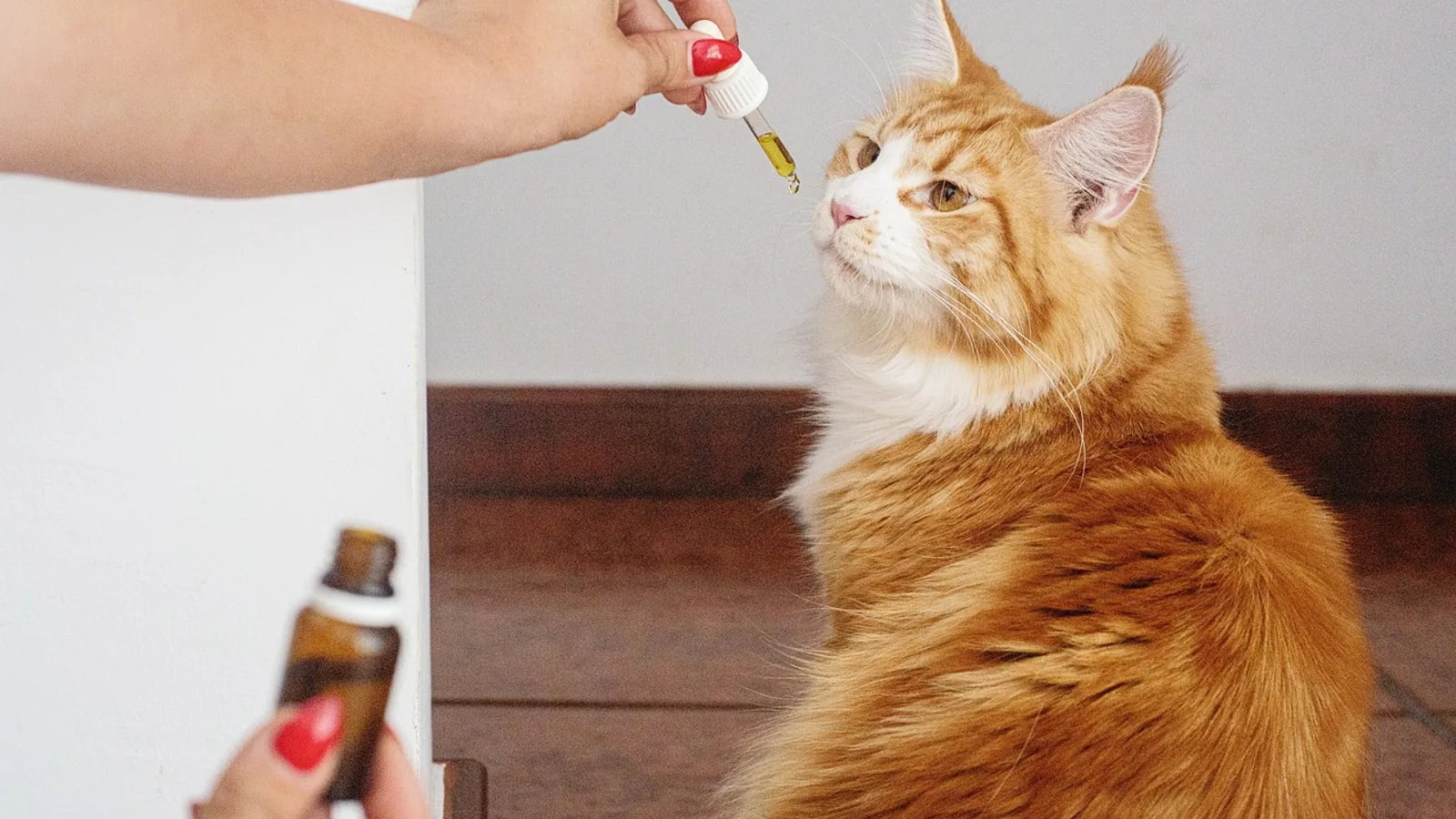
Cat arthritis medicine is any prescription drug given to reduce the joint pain and mobility loss caused by osteoarthritis, also called degenerative joint disease. In the United States, three drugs dominate real-world feline practice: meloxicam, an NSAID given orally, gabapentin, an anticonvulsant used off-label for chronic pain, and frunevetmab, sold as Solensia, a monthly monoclonal antibody injection licensed specifically for osteoarthritis pain in cats. Each has a different mechanism, a different risk profile, and a different monitoring plan. This guide explains what each drug does, how it is given, what can go wrong, and which blood tests and owner observations keep a cat safe on long-term treatment.
This article is educational and is not a substitute for veterinary diagnosis or treatment.
At a Glance
| Feature | Meloxicam | Gabapentin | Frunevetmab (Solensia) |
|---|---|---|---|
| Drug class | Nonsteroidal anti-inflammatory drug (NSAID) | Anticonvulsant and neuropathic pain modulator | Felinized anti-nerve growth factor monoclonal antibody |
| How it is given | Oral liquid or tablet, typically with food | Oral capsule, liquid, or compounded suspension | Subcutaneous injection in the veterinary clinic |
| Typical schedule | Once daily | Once daily or twice daily, dose varies by cat | Once every 28 days |
| How fast it works | Days to weeks for joint pain | Hours to days | Improvement seen by day 14 to 28 in field studies |
| How long it lasts | About 24 hours per dose | About 8 to 12 hours per dose | About one month per injection |
| Prescription status in the US | Prescription | Prescription | Prescription |
| On-label for feline OA pain in the US | No single long-term feline OA label, use is off-label | No, off-label for pain | Yes, FDA-approved for OA pain in cats |
| Baseline bloodwork required | Yes, renal and hepatic panel before starting | Recommended, especially before long-term use | Not required by the label, but useful for overall health tracking |
| Main safety concern | Kidney and gastrointestinal effects with long-term use | Sedation, wobbliness, and drowsiness | Skin itching, hair loss, and skin lesions in some cats |
What Feline Arthritis Actually Is
Osteoarthritis in cats is a chronic, painful, progressive disease of the joints. The cartilage lining the joint wears down, the joint capsule thickens, and the surrounding bone remodels. The result is pain on movement, stiffness after rest, reluctance to jump, reduced grooming, and a slow decline in activity that owners often mistake for normal aging.
Feline osteoarthritis is common and frequently underdiagnosed. Cats hide pain well, and they do not limp the way dogs do. A cat with sore hips or elbows may simply stop jumping onto the counter, sleep more, and become less interactive. Veterinary assessment tools have been developed specifically to detect this subtle pattern. The Montreal Instrument for Cat Arthritis Testing, refined for use by veterinarians, scores body posture, gait, jumping, and a global distance examination to identify cats with naturally occurring osteoarthritis [1]. That instrument was validated in part by watching how cats responded to gabapentin, tramadol, and an oral transmucosal meloxicam spray, which confirms that these drugs change measurable pain behavior in arthritic cats [1].
Because the disease cannot be cured, the goal of treatment is long-term pain control, preserved mobility, and maintained quality of life. Medication is the backbone of that plan, supported by weight management, joint-friendly home changes, and regular veterinary rechecks.
How the Three Main Drugs Work
Meloxicam
Meloxicam is a nonsteroidal anti-inflammatory drug. It blocks the cyclooxygenase enzymes that produce prostaglandins, the signaling molecules that drive joint inflammation and pain. By reducing prostaglandin production in inflamed joints, meloxicam lowers pain and swelling.
The same prostaglandins protect blood flow to the kidneys and the lining of the stomach. That is why meloxicam carries a renal and gastrointestinal risk, and why the dose and duration matter enormously in cats. Cats metabolize NSAIDs differently from dogs and are more vulnerable to kidney injury when these drugs are used carelessly.
Gabapentin
Gabapentin was developed as an anticonvulsant and later found to reduce neuropathic pain. It binds to a subunit of calcium channels on nerve cells and reduces the release of excitatory neurotransmitters. In chronic pain states, including osteoarthritis, the nervous system becomes sensitized, and gabapentin dampens that sensitization.
Gabapentin is not an anti-inflammatory drug. It does not change the joint itself. It changes how the nervous system processes the pain signal. That makes it useful for chronic pain, for pain with a nerve component, and as an add-on when an NSAID alone is not enough. In the Montreal Instrument validation work, gabapentin raised the paw withdrawal threshold in osteoarthritic cats but not in non-osteoarthritic cats, which is direct evidence that it reduces pain sensitivity in cats that actually have joint disease [1].
Frunevetmab
Frunevetmab is a felinized monoclonal antibody that binds nerve growth factor. Nerve growth factor is released in inflamed and damaged joints and drives pain signaling. By binding it, frunevetmab blocks the receptor-mediated cascade that produces osteoarthritis pain [2]. It is a feline-specific antibody, meaning it was engineered to be recognized as "self" by the cat's immune system, which reduces the chance of an immune reaction against the drug.
Frunevetmab is given by subcutaneous injection once a month. In a pharmacokinetic study of cats with naturally occurring osteoarthritis, the plasma half-life was about 10 days after intravenous dosing, subcutaneous bioavailability was about 60 percent, and peak drug levels appeared 3 to 7 days after a subcutaneous dose [2]. That profile supports the monthly dosing interval.
What the Label Says and What Is Off-Label
Regulatory status matters to owners because it tells you how much safety and efficacy data exists for a specific use.
Frunevetmab is licensed for the alleviation of osteoarthritis pain in cats. It is the only drug in this group with a species-specific, indication-specific approval for feline osteoarthritis pain. The pivotal randomized, placebo-controlled, double-blind study enrolled 275 client-owned cats with naturally occurring osteoarthritis pain and mobility impairment [3]. Cats received frunevetmab at a nominal dose of 1.0 mg/kg subcutaneously, with an effective dose range of 1.0 to 2.8 mg/kg, or placebo on days 0, 28, and 56. Significant improvement over placebo appeared at days 28 and 56 on the client-specific outcome measures questionnaire, at days 28 and 56 on owner-assessed global treatment response, and at days 56 and 84 on veterinarian-assessed joint pain [3]. An earlier multisite pilot field study of 126 cats found significant owner-reported improvement at days 42 and 56, with no difference between the intravenous and subcutaneous routes [4].
Meloxicam is approved in the United States for a short-term postoperative use in cats, not for long-term osteoarthritis pain. Long-term daily use for arthritis is therefore off-label. The key long-term safety study followed 40 cats with osteoarthritis for a mean of 5.8 months on oral meloxicam at 0.01 to 0.03 mg/kg once daily with food [5]. Gastrointestinal upset occurred in 2 of 46 cats, about 4 percent, and no harmful effect on renal function was detected in the cats studied. Owners rated efficacy as good or excellent in 34 of 40 cats, or 85 percent [5]. That study is the main published support for long-term feline meloxicam use, but it is a single prospective study, and the broader concern about NSAIDs and feline kidneys remains. Long-term meloxicam use in cats is genuinely controversial in veterinary medicine, and it should only be used with a documented baseline renal and hepatic panel, an appropriate dose, and scheduled rechecks.
Gabapentin is not approved for pain in cats. All feline pain use is off-label. This is normal and legal, because veterinarians may prescribe approved human or veterinary drugs for an off-label use when it is medically appropriate. Off-label does not mean unsafe. It means the specific use has not gone through the formal approval process for that species and indication.
Giving the Medication Correctly
Meloxicam
Meloxicam for cats is typically dispensed as an oral liquid or a small tablet. Give it with food, because the long-term safety data that supports feline use was generated with food [5]. Giving it on an empty stomach increases the chance of nausea, vomiting, and stomach irritation.
Never give a cat meloxicam intended for dogs. Dog formulations are far more concentrated, and a dosing error can be serious. Never split a human meloxicam tablet to guess a cat dose. Use the veterinary-labeled product and the exact dose your veterinarian calculates.
Gabapentin
Gabapentin comes as capsules, as an oral solution, and as a compounded suspension. Cats often resist capsules, so many veterinarians use a liquid or a compounded form. The dose varies widely between cats because gabapentin is used for different pain intensities and because individual cats respond and sedate differently. Follow the prescribed amount exactly and do not adjust it on your own.
Gabapentin can be given with or without food. If your cat becomes very sedated, contact your veterinarian before the next dose rather than skipping doses on your own.
Frunevetmab
Frunevetmab is injected by the veterinarian or veterinary technician under the skin, usually over the back or shoulder area. You do not give this at home. The injection is repeated every 28 days. In the field studies, cats received injections on days 0 and 28, or on days 0, 28, and 56 [3][4].
Because the drug is a protein, it is handled by the body differently than a small-molecule drug. It is not processed by the liver's cytochrome enzymes and does not stress the kidneys the way NSAIDs can. That is the main reason it is attractive for older cats with kidney disease, who often cannot take an NSAID.
Side Effects and What to Do About Them
Meloxicam side effects
The most common adverse effect in the long-term feline study was gastrointestinal upset, seen in about 4 percent of cats, and no renal function decline was detected in the cats studied [5]. In real-world practice, the concerns are broader. Watch for vomiting, diarrhea, reduced appetite, lethargy, and any change in drinking or urination. Stop the medication and call your veterinarian if any of these appear. A cat that stops eating while on an NSAID needs prompt evaluation, because poor food intake combined with an NSAID raises the risk of stomach and kidney problems.
Gabapentin side effects
Gabapentin commonly causes sedation, drowsiness, and a wobbly, unsteady gait, especially in the first days of treatment or after a dose increase. Some cats become more affectionate or calmer, which owners sometimes mistake for pain relief when it is partly sedation. Most cats adjust over several days. If your cat is difficult to rouse, refuses to eat, or cannot walk steadily, that is a reason to call your veterinarian.
Gabapentin is cleared by the kidneys, so cats with kidney disease may need dose adjustment. Tell your veterinarian about any kidney diagnosis before gabapentin is started.
Frunevetmab side effects
The most frequently reported adverse events for frunevetmab are skin-related. A disproportionality analysis of the FDA Animal Drug Adverse Events database examined 5,248 frunevetmab-specific reports out of 33,378 feline adverse event reports and identified 19 significant preferred terms [6]. The most frequently reported events were pruritus, unspecified skin disorders, alopecia, dermatitis and eczema, and unspecified skin lesions. The strongest signals were skin ulceration, unspecified skin disorders, unspecified skin lesions, injection site pain, and dermatitis and eczema [6].
A published case series described five cats with moderate to severe itching and self-trauma to the neck and head after frunevetmab injections, producing lesions ranging from superficial dermatitis to hair loss and ulceration [7]. Notably, there were no reactions at the injection sites themselves. Onset of the first episode was 3 to 18 days after the most recent injection. Three cats received further injections after the first reaction, and all had subsequent reactions that were similar or more severe [7].
In the pivotal efficacy trial, adverse events did not differ between the frunevetmab and placebo groups except for a specific category [3]. The pilot field study reported that treatments were generally well tolerated, and that most adverse events were dermatitis and hair loss related to activity-monitor collars rather than the drug [4].
If your cat develops itching, hair loss, scabs, or open sores on the head or neck after an injection, call your veterinarian before the next scheduled dose. Do not wait for the next appointment if the skin is broken or the cat is scratching to the point of bleeding.
Who Should Not Receive Each Drug
Meloxicam should not be started without a baseline renal and hepatic blood panel. Cats with existing kidney disease, liver disease, dehydration, gastrointestinal ulcers, or a history of NSAID intolerance are poor candidates. Meloxicam should not be combined with another NSAID or with a corticosteroid, because that combination sharply increases the risk of gastrointestinal ulceration and kidney injury.
Gabapentin should be used cautiously in cats with significant kidney disease, since the drug is cleared renally. It should not be combined with other sedating drugs without veterinary guidance, because the sedation can stack.
Frunevetmab should not be given to a cat with a known hypersensitivity to the product. Cats that developed a skin reaction after a previous dose are at risk of a repeat or worse reaction with the next dose [7]. Discuss the risk and benefit with your veterinarian before continuing.
Comparison Table: Drug, Mechanism, Route, Monitoring, and Key Caveat
| Drug | Mechanism | Route and frequency | Monitoring | Key caveat |
|---|---|---|---|---|
| Meloxicam | COX inhibition, reduces prostaglandin-driven inflammation and pain | Oral, once daily with food | Baseline and periodic renal and hepatic panels, weight, appetite, vomiting, stool, water intake | Long-term feline use is off-label and controversial because of renal and GI risk |
| Gabapentin | Reduces excitatory neurotransmitter release, dampens nerve pain signaling | Oral, once or twice daily, dose varies | Sedation level, gait, appetite, kidney function if kidney disease is present | Off-label for pain, commonly causes sedation and wobbliness |
| Frunevetmab (Solensia) | Anti-nerve growth factor monoclonal antibody blocks pain signaling in the joint | Subcutaneous injection every 28 days in the clinic | Skin and coat checks, itching, hair loss, sores, injection site, activity and comfort | FDA-approved for feline OA pain, but skin reactions can occur and may worsen with repeat dosing |
Monitoring: What Your Veterinarian Will Track
Monitoring is not optional. It is the difference between safe long-term treatment and a preventable complication.
Bloodwork
For meloxicam, a renal and hepatic panel before starting is essential. The long-term safety study that supports feline use did not detect renal function decline over a mean of 5.8 months [5], but that does not remove the need for individual monitoring. Your veterinarian will typically recheck bloodwork periodically during long-term treatment, and sooner if your cat shows any sign of illness.
For gabapentin, bloodwork is especially important if kidney disease is present, because the drug is cleared by the kidneys and dose adjustment may be needed.
For frunevetmab, the label does not require routine bloodwork for the drug itself. Many veterinarians still run periodic senior panels because arthritic cats are usually older cats, and monitoring overall health is part of good care.
Weight
Weight loss is one of the earliest and most reliable signs that a cat with arthritis is declining. Weigh your cat at every veterinary visit, and track the number over time. A stable or rising weight on treatment is a good sign. Steady weight loss means the pain plan needs review, or another disease is present.
Appetite
Appetite is a sensitive early warning sign. A cat on meloxicam that stops eating needs prompt evaluation. A cat on gabapentin that becomes too sedated to eat needs a dose review. A cat on frunevetmab that loses appetite needs a general health check, because appetite loss is not a typical frunevetmab effect.
Activity
Activity is the outcome owners care about most. Watch for whether your cat jumps onto favorite surfaces again, climbs stairs, uses the litter box without hesitation, and grooms normally. In the frunevetmab quality-of-life study, 56 cat owners completed assessments and by day 14 there was a statistically significant improvement in all quality-of-life domains and in physical wellbeing for cats [8]. That kind of owner-reported improvement is exactly what you should track at home.
Objective activity tracking can help. In the pilot field study, frunevetmab-treated cats had a mean weekly activity decrease of 0.9 percent, while placebo-treated cats had a mean decrease of 9.3 percent [4]. The difference is meaningful, and it shows why measuring activity, not just asking how the cat seems, gives a clearer picture.
flowchart TD
    A[Cat shows stiffness or reduced jumping] --> B[Veterinary exam and pain assessment]
    B --> C[Baseline bloodwork including renal and hepatic panel]
    C --> D{Which drug fits this cat}
    D --> E[Meloxicam oral daily with food]
    D --> F[Gabapentin oral for nerve pain or add on]
    D --> G[Frunevetmab injection every 28 days]
    E --> H[Recheck renal panel weight appetite]
    F --> I[Recheck sedation gait appetite]
    G --> J[Recheck skin coat itching activity]
    H --> K[Adjust plan based on findings]
    I --> K
    J --> K
How the Drugs Compare in Practice
Meloxicam is the classic anti-inflammatory option. It works on the inflammatory component of joint pain and is inexpensive and easy to give at home. Its weakness is the renal and gastrointestinal risk, which is why long-term use is controversial and requires bloodwork and vigilance.
Gabapentin is the workhorse for chronic and nerve-related pain. It is widely used off-label, easy to combine with other drugs, and effective for the sensitized nervous system that develops in long-standing arthritis. Its weakness is sedation and the need for dose individualization.
Frunevetmab is the newest option and the only one approved for feline osteoarthritis pain. It avoids NSAID gastrointestinal and renal risk, is given once a month in the clinic, and has strong randomized trial support for reducing pain and improving mobility [3][4][9]. A 2023 evidence review of three peer-reviewed randomized controlled trials concluded that frunevetmab produced a statistical reduction in pain and improvement in mobility compared with placebo, with moderate evidence quality, while noting that more objective outcome measures are needed in future research [9]. Its weakness is the skin reaction risk, which can be moderate to severe and can recur with repeat dosing [6][7].
Many cats do best on a combination. A veterinarian may pair frunevetmab with gabapentin, or use gabapentin as an add-on when a single drug is not enough. Combination decisions depend on the cat's kidney function, liver function, other diseases, and other medications.
Questions to Ask Your Veterinarian
- What is my cat's baseline kidney and liver function, and does it change which drug is safe?
- Is meloxicam appropriate for my cat long term, and at what dose and frequency?
- Would gabapentin help, and what dose and schedule fits my cat's size and kidney status?
- Is frunevetmab a good option for my cat, and how will we monitor for skin reactions?
- How often should we recheck bloodwork, weight, and pain scores?
- What specific changes at home should make me call you immediately?
- Can these drugs be combined, and if so, in what order should we add them?
- What non-drug steps, such as weight management and home changes, should we start now?
Limitations and When to Contact a Veterinarian
This article covers general principles. Every cat is an individual, and drug selection, dose, and monitoring intervals must be set by the veterinarian who examines your cat and reviews its bloodwork.
Contact a veterinarian promptly if your cat shows any of the following while on arthritis medication:
- Vomiting, diarrhea, or refusal to eat
- Lethargy that is worse than usual or difficulty waking
- Unsteady walking or collapse
- Increased thirst or urination, or decreased urination
- Itching, hair loss, scabs, or open sores on the head, neck, or body after a frunevetmab injection
- Any new swelling, pain, or reaction at an injection site
- Sudden worsening of lameness or inability to use a limb
- Any sign of pain that is not controlled by the current plan
Do not give human pain relievers to a cat. Ibuprofen, acetaminophen, naproxen, and aspirin are toxic to cats and can be fatal. Never give a cat a medication that was not prescribed for that cat by a veterinarian.
Frequently Asked Questions
What is the safest arthritis medicine for cats?
Frunevetmab is the only drug approved in the United States specifically for osteoarthritis pain in cats, and it avoids the kidney and gastrointestinal risks of NSAIDs. That does not make it right for every cat. Meloxicam and gabapentin remain appropriate in many cases when used with proper monitoring.
Is meloxicam safe for long-term use in cats?
Long-term meloxicam use is off-label and controversial. One prospective study of 40 cats over a mean of 5.8 months found it safe and effective at 0.01 to 0.03 mg/kg once daily with food, with gastrointestinal upset in about 4 percent and no detected renal decline [5]. Individual cats still need baseline and periodic bloodwork.
Can I give my cat ibuprofen or acetaminophen for arthritis?
No. These human drugs are toxic to cats and can cause severe or fatal poisoning. Only use medication prescribed by a veterinarian for your cat.
How often is frunevetmab given?
Frunevetmab is given by subcutaneous injection once every 28 days in the veterinary clinic. In the field studies, cats received injections on days 0 and 28, or on days 0, 28, and 56 [3][4].
What are the most common side effects of frunevetmab?
Skin problems are the most commonly reported adverse events. These include itching, hair loss, dermatitis, eczema, and skin lesions, with skin ulceration showing the strongest safety signal in a large adverse event database analysis [6]. A case series documented moderate to severe itching and self-trauma to the head and neck in five cats [7].
Does gabapentin help cats with arthritis pain?
Gabapentin can help, especially for chronic and nerve-related pain. In cats with naturally occurring osteoarthritis, gabapentin raised the paw withdrawal threshold, which shows it reduces pain sensitivity in arthritic cats [1]. It is used off-label for pain and commonly causes sedation.
What blood tests does my cat need before starting arthritis medicine?
Before meloxicam, a baseline renal and hepatic panel is required. Bloodwork is also recommended before long-term gabapentin, especially if kidney disease is present. Frunevetmab does not require routine bloodwork by the label, but senior panels are still useful for overall health tracking.
Can arthritis medicine for cats be combined?
Yes, veterinarians often combine drugs, such as frunevetmab with gabapentin, when one drug alone does not control pain. Never combine medications on your own. Meloxicam must not be combined with another NSAID or a corticosteroid because of the increased risk of gastrointestinal and kidney injury.
Related Articles
- Hamster Medicine: Safe Use and Common Treatments
- Dog Vomiting: What Medicine Can You Give? Safe Options and What to Avoid
- Roundworm Treatment for Cats: Safe Dewormers and Prevention
- Cat Diarrhea Medicine: What's Safe to Give?
- Rabbit Feed Ingredients: Safe and Nutritious Options
- Dog Diarrhea Medicine: Over-the-Counter Options and Safety
- Equine Sarcoid: Types, Causes, and Treatment Options
Sources
- Refinement of the Montreal Instrument for Cat Arthritis Testing, for Use by Veterinarians: detection of naturally occurring osteoarthritis in laboratory cats.
- Pharmacokinetics and Immunogenicity of Frunevetmab in Osteoarthritic Cats Following Intravenous and Subcutaneous Administration.
- Frunevetmab, a felinized anti-nerve growth factor monoclonal antibody, for the treatment of pain from osteoarthritis in cats.
- Efficacy and Safety of an Anti-nerve Growth Factor Antibody (Frunevetmab) for the Treatment of Degenerative Joint Disease-Associated Chronic Pain in Cats: A Multisite Pilot Field Study.
- Long-term safety, efficacy and palatability of oral meloxicam at 0.01-0.03 mg/kg for treatment of osteoarthritic pain in cats.
- Safety assessment of frunevetmab for osteoarthritis pain in cats: disproportionality analysis of the Food and Drug Administration Animal Drug Adverse Events database.
- Cutaneous lesions and clinical outcomes in five cats after frunevetmab injections.
- Measuring the effect of the anti-nerve growth factor antibodies bedinvetmab and frunevetmab on quality of life in dogs and cats with osteoarthritis using a validated health-related quality of life outcome measure: an observational real-world study.
- The effect of anti-nerve growth factor monoclonal antibodies on the clinical signs of degenerative joint disease in cats.