Motherless Kitten Care: Feeding and Warmth Basics
By Dr. Zubair Khalid, DVM, MS, PhD ·
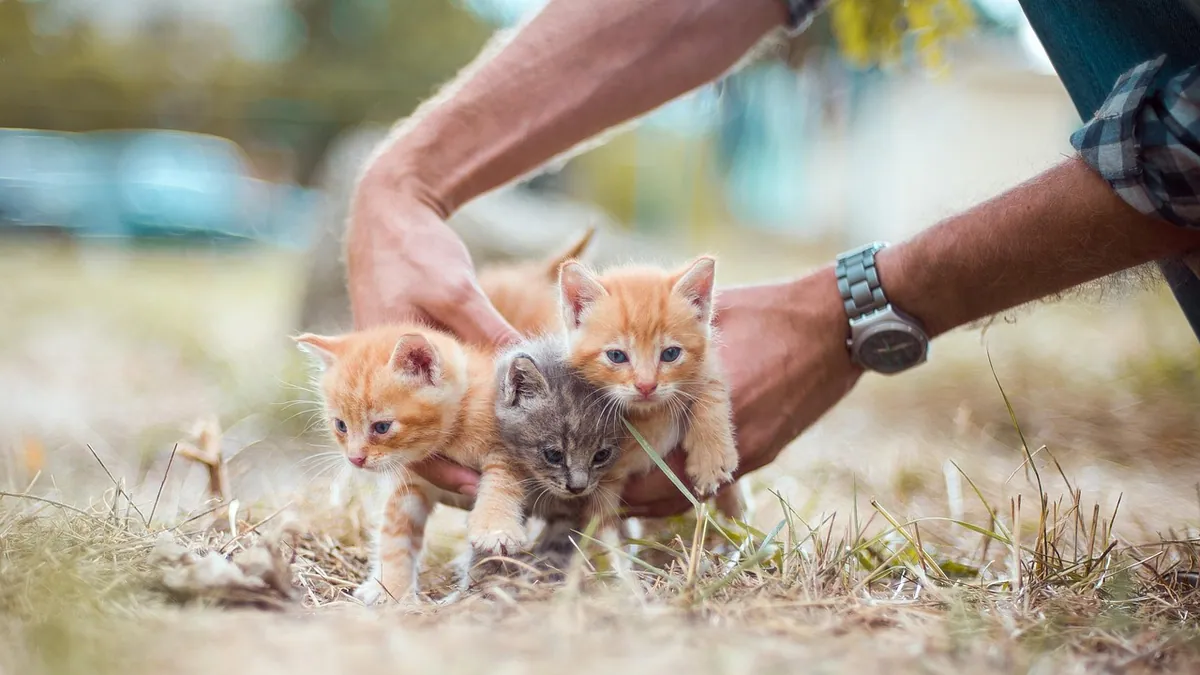
How to care for a kitten without mother comes down to three things you control: warmth, formula, and a strict feeding schedule. A motherless kitten cannot regulate its own body temperature or eliminate waste without help, so you stand in for the queen around the clock. Orphaned kittens are a highly vulnerable group, facing nutritional deficiencies, infectious disease, and developmental problems that raise their risk of death [1].
This article is educational and is not a substitute for veterinary diagnosis or treatment.
Quick Answer
- Feed a commercial kitten milk replacer, never cow's milk, and follow the label for mixing and volume.
- Warm the kitten first. A cold kitten cannot digest formula and should be warmed slowly before any feeding.
- Feed every 2 to 3 hours for the first weeks of life, including overnight, then stretch the interval as the kitten grows.
- Wipe the genital and anal area with a warm damp cloth after each feeding to trigger urination and defecation.
- Weigh the kitten daily on a kitchen scale and write it down. Weight is the single best sign that your plan is working.
Step-by-Step Care for a Kitten Abandoned by Its Mother
Step 1: Warm the kitten before anything else
A newborn kitten cannot hold its own body heat. Use a heating pad set on low under half of the bedding so the kitten can crawl away if it gets too warm, or a hot water bottle wrapped in a towel. The nest should feel warm to your hand, not hot. Never feed a chilled kitten. Warm it slowly over 30 to 60 minutes, then offer formula.
Step 2: Choose the right milk
Commercial kitten milk replacers are made to copy the composition of queen's milk [2]. That is the standard for hand-rearing. Cow's milk and human infant formula do not match a kitten's needs and commonly cause diarrhea. Mix the replacer exactly as the label directs. Formula that is too concentrated causes constipation and dehydration, and formula that is too dilute leaves the kitten hungry and undernourished.
Step 3: Feed with correct technique
Warm the mixed formula to about body temperature. Use a kitten bottle with a small nipple, or a syringe if the kitten is too weak to suck. Place the kitten on its belly, never on its back, and let it nurse at its own pace. Tilt the bottle so formula fills the nipple and the kitten does not swallow air. Stop if formula bubbles from the nose or the kitten coughs. Successful bottle feeding depends on careful technique, timing, and attention to the kitten's physical state [2].
Step 4: Burp and stimulate
Hold the kitten upright and pat its back gently after feeding. Then take a warm, damp cotton ball or soft cloth and wipe the belly, genital area, and anus in small circles. A mother cat licks her kittens to make them urinate and defecate. Without that stimulation, a kitten will not go on its own. Keep wiping for up to a minute or two until the kitten produces urine or stool.
Step 5: Return the kitten to the nest
Put the kitten back in the warm box and let it sleep. Newborns sleep most of the day. Keep the room quiet and dim, and keep other pets away. Wash your hands before and after handling, and keep the bedding clean and dry.
For the first four weeks, warmth, colostrum timing, and stimulation follow a specific protocol. Our guide to Newborn Kitten Care 0-4 Weeks: Warmth Colostrum and Stimulation Protocol walks through that week by week.
Feeding Schedule for a Motherless Kitten
| Age | Feedings per day | Approximate interval | Notes |
|---|---|---|---|
| 0 to 1 week | 8 to 12 | Every 2 hours | Include overnight feeds |
| 1 to 2 weeks | 8 to 10 | Every 2 to 3 hours | Weigh daily |
| 2 to 3 weeks | 6 to 8 | Every 3 hours | Eyes usually open |
| 3 to 4 weeks | 5 to 6 | Every 4 hours | Start offering soft food |
| 4 to 6 weeks | 4 to 5 | Every 4 to 5 hours | Transition to gruel |
| 6 to 7 weeks | 3 to 4 | Meals plus free choice | Weaning is underway |
Kittens can generally leave their mother and littermates once they are weaned, starting at 6 to 7 weeks old [3]. Use the table as a starting framework, then adjust with your veterinarian based on the kitten's weight gain and appetite. A kitten that is gaining steadily can often stretch intervals a little sooner. A kitten that is losing weight or crying after feeds may need smaller, more frequent meals.
Weighing and record keeping
Weigh the kitten at the same time each day, before the first morning feed, on a digital kitchen scale that reads in grams. Record the number. Steady daily gain is the goal. A flat or falling weight is a reason to call your veterinarian.
When to move to solid food
Around 3 to 4 weeks, offer a shallow dish of milk replacer mixed with canned kitten food or moistened kitten kibble. Let the kitten walk through it and taste it. Reduce bottle feeds gradually as solid intake rises. By 6 to 7 weeks, most kittens are eating on their own [3].
How to Look After a Kitten Without Its Mother: Daily Checklist
- Warmth: nest warm, kitten able to move away from the heat source
- Formula: mixed to label, warmed, fresh each feeding
- Feeding: correct number of feeds for age, kitten nursing calmly
- Stimulation: urine and stool produced after feeds
- Weight: recorded daily
- Elimination check: stool soft and yellow-brown, urine pale
- Cleaning: bedding changed, bottle and nipples washed after every use
- Handling: short, gentle sessions, then back to sleep
Signs That Something Is Wrong
Call your veterinarian if you see any of these:
- Weight loss or no gain for 24 hours
- Refusing to eat for two feedings in a row
- Diarrhea, especially watery or bloody
- Vomiting after feeds
- Constant crying that feeding does not settle
- Cold body, limp body, or pale gums (emergency)
- Trouble breathing, coughing, or formula coming from the nose
- No urine or stool for 12 hours
- Discharge from the eyes or nose, or sneezing
Orphaned kittens are more prone to infection because they miss the antibodies a mother passes through nursing [3]. Keep the kitten away from unvaccinated cats and from other pets until your veterinarian clears it. Maternal immunity fades over time, and kittens should be vaccinated on a schedule starting at 2 to 3 months old [3]. Our article on Preventive Care For Kittens explains the vaccine timeline and what else to plan for.
Common Mistakes in Motherless Kitten Care
Feeding cow's milk
This is the most frequent error. Cow's milk does not match kitten milk and often causes diarrhea, which can dehydrate a tiny kitten fast. Use a commercial kitten milk replacer [2].
Feeding a cold kitten
Formula sits in the stomach undigested when the kitten is chilled. Warm the kitten first, every time.
Skipping overnight feeds
Newborns need to eat around the clock. Setting an alarm is part of the job for the first couple of weeks.
Forgetting stimulation
Kittens cannot urinate or defecate on their own at first. If you skip the wipe, the bladder can overfill and the kitten can become ill.
Overfeeding
More formula is not better. Overfeeding causes vomiting, diarrhea, and aspiration. Follow the label and your veterinarian's guidance.
Skipping the first vet visit
A motherless kitten should be examined soon after you take it in. Your veterinarian can check for dehydration, hypothermia, birth defects, and parasites, and can confirm your feeding plan.
Ignoring the mother's role in immunity
Colostrum, the first milk, is produced in the first 24 hours after birth and supports the kitten's immune system [2]. A kitten that never nursed has no colostrum protection, so hygiene and isolation from sick animals matter even more.
Supplies and Setup That Matter for Health
- A small box or carrier with low sides, lined with soft, washable bedding
- A heating pad on low, placed under only half the box
- A digital kitchen scale that reads in grams
- Kitten milk replacer and kitten bottles with spare nipples
- A syringe for weak kittens who cannot suckle
- Cotton balls or soft cloths for stimulation
- A notebook or phone app for weight and feeding records
- A shallow dish for the transition to solid food
Keep the setup simple and clean. Wash bottles, nipples, and mixing cups in hot soapy water after every feeding. Bacteria grow quickly in leftover formula. Mix only what you need for the next few hours and refrigerate the rest according to the label.
If the mother cat is still present but has lost interest in her litter, that is a different situation. Lactation can affect a queen's behavior, and in one survey of breeders, about half of queens came into heat during lactation, with some showing reduced maternal interest or reduced milk [4]. If the mother is present but not nursing well, involve your veterinarian before you take over feeding. Our guide to Pregnant Cat Care: Nutrition, Gestation, and Kitten Delivery covers the mother's side of this.
Limitations and When to Contact a Veterinarian
Hand-rearing is demanding and outcomes vary. Individual cases need a veterinarian. No article can replace an exam, a weight check, and a feeding plan tailored to your kitten.
Emergency now: a kitten that is limp, cold, unresponsive, gasping, having seizures, or bleeding. Go to a veterinary emergency clinic immediately.
Same day: weight loss, refusal to eat for two feeds, watery or bloody diarrhea, repeated vomiting, formula from the nose, labored breathing, or no urine or stool for 12 hours.
Routine visit: within the first few days of taking in a motherless kitten, then on the schedule your veterinarian sets for deworming, vaccines, and growth checks. Kittens should be vaccinated beginning at 2 to 3 months old and kept away from unvaccinated cats until the full series is complete [3].
Frequently Asked Questions
Can I feed a motherless kitten cow's milk?
No. Cow's milk does not match the nutrient profile a kitten needs and commonly causes diarrhea. Use a commercial kitten milk replacer, which is made to copy queen's milk [2].
How often should I feed a newborn kitten without its mother?
Every 2 hours around the clock in the first week, then gradually less often as the kitten grows. The schedule table above gives a starting framework. Your veterinarian can adjust it based on your kitten's weight gain.
Do I need to help my kitten pee and poop?
Yes. Newborns cannot eliminate on their own. Wipe the genital and anal area with a warm damp cloth after each feeding until the kitten starts going by itself, usually around 3 to 4 weeks.
How do I know my kitten is getting enough to eat?
Daily weight gain is the best measure. Weigh the kitten at the same time each morning and write it down. A kitten that gains steadily, settles after feeds, and produces urine and stool is on track.
When can a motherless kitten eat on its own?
Most kittens begin sampling soft food at 3 to 4 weeks and are fully weaned by 6 to 7 weeks old [3]. Move gradually from bottle feeds to a shallow dish of milk replacer mixed with kitten food.
Related Articles
- Preventive Care For Kittens
- Newborn Kitten Care 0-4 Weeks: Warmth Colostrum and Stimulation Protocol
- Pregnant Cat Care: Nutrition, Gestation, and Kitten Delivery
- Sphynx Cat Care: Essential Tips for Hairless Feline Owners
- Hairless Cat: Care, Health, and Breed Guide
- Cat Not Eating? When to Worry and What to Do
- Kitten Not Nursing: Causes and How to Feed Safely
- Found a Stray Kitten? Step-by-Step Care Guide
- What Do Kittens Need? Daily Care Checklist
References
- The Orphan Kitten. The Veterinary clinics of North America. Small animal practice, 2025.
- Feline Neonatal Care. The Veterinary clinics of North America. Small animal practice, 2025.
- Kitten Care - Cat Owners. Merck Veterinary Manual.
- Prevalence of lactational oestrus in cats and consequences for kittens. Journal of feline medicine and surgery, 2023.