How Long Can a Dog Run Without Stopping?
By Dr. Zubair Khalid, DVM, MS, PhD ·
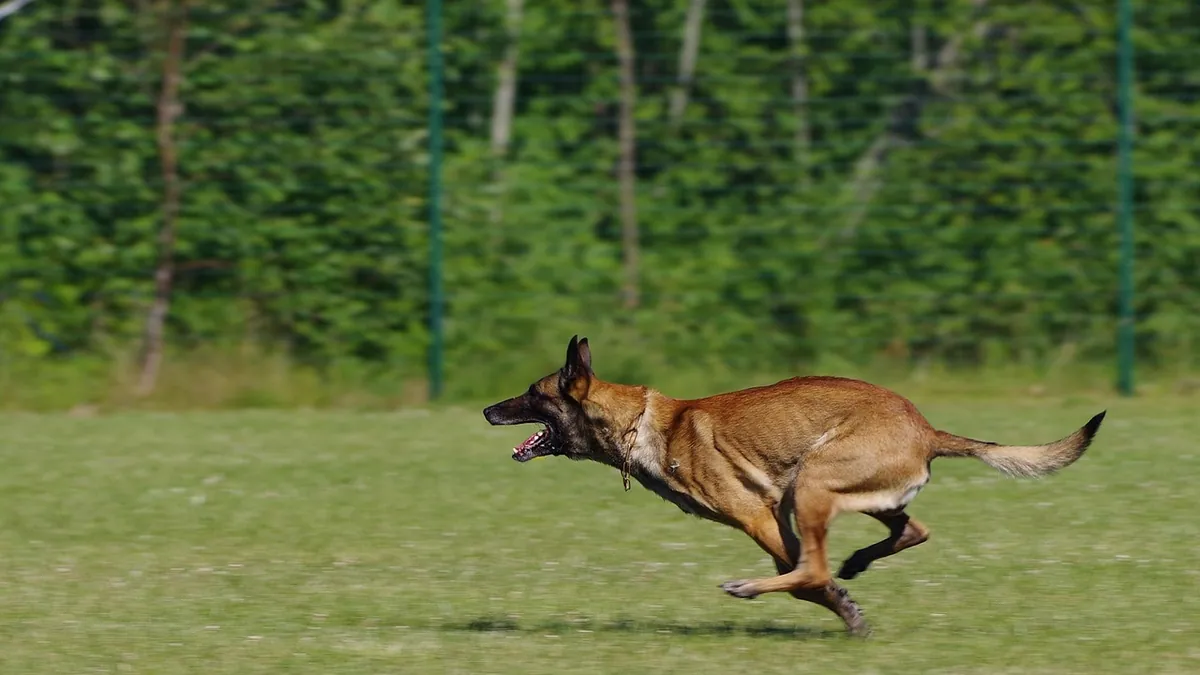
Most healthy adult dogs can jog 2 to 5 miles without stopping once they are conditioned, while sprinting at full speed lasts only seconds to a few minutes. Puppies, seniors, flat-faced breeds, and dogs in hot weather hit their limits much sooner. How long can a dog run without stopping depends far more on fitness, breed, and conditions than on willpower.
This article is educational and is not a substitute for veterinary diagnosis or treatment.
Quick Answer
- A fit adult dog of a running breed can usually jog 2 to 5 miles continuously after 6 to 8 weeks of gradual conditioning.
- Full-speed sprinting is an anaerobic effort. Most dogs can hold it for 15 to 30 seconds, and repeat sprints need rest between them.
- Heat is the biggest limiter. When radiant heat load climbs, dogs show sharp rises in breathing rate and water intake, so run early or late in summer [1].
- Puppies should not run long distances until their growth plates close, which is usually around 12 to 18 months depending on breed size.
- Stop the run at the first sign of heavy panting that does not recover, wobbling, or refusing to keep moving.
How Long Can a Dog Run Without Stopping? The Real Limits
There is no single number that fits every dog. A Border Collie, a Vizsla, and a French Bulldog are built differently, and their hearts, airways, and joints handle distance in very different ways.
Breed shape matters most. Dogs with long legs, deep chests, and narrow heads (think pointers, huskies, and herding breeds) move air efficiently and tolerate sustained aerobic work. Brachycephalic dogs with short muzzles and flat faces cannot cool themselves well, and distance running is unsafe for most of them.
Age changes the math too. Growing puppies have open growth plates and immature joints. Long runs on hard surfaces can cause lasting damage. Senior dogs can still jog, but their recovery is slower and their joints need gentler mileage.
Fitness is the part you control. A dog that has been walking 30 minutes a day cannot jump into a 5-mile run. The body adapts to distance over weeks, and skipping that build-up is how injuries and heat exhaustion happen.
How Long Can a Dog Run at Full Speed?
Full-speed running is a sprint, and sprints are short. Most dogs can hold top speed for roughly 15 to 30 seconds before their muscles demand a break. Greyhounds and other sighthounds are the exception in speed, not in duration. Even they fade within a minute.
Sprint work is great for fetch, lure coursing, and short bursts in a fenced yard. It is not a distance plan. If your dog sprints hard, give a few minutes of walking between efforts so breathing and heart rate come down.
How Long Can a Dog Jog For?
Jogging is the realistic goal for most owners who want a running partner. A conditioned adult dog can usually jog 2 to 5 miles without stopping. Some working breeds can go much farther, but that takes months of training and a dog built for endurance.
Beginners should start with run-walk intervals. One minute of jogging, two minutes of walking, repeated for 20 minutes, is a solid first week. Add a minute of running per week, not per day.
How Much Do Dogs Run on Their Own?
Left to choose, most dogs do not run continuously. They trot, sniff, stop, and sprint in short bursts. Off-leash play looks intense but rarely produces steady mileage. That is why a dog who zooms around the yard may still be unfit for a 3-mile run on leash.
If you want to know your dog's real capacity, watch recovery. A dog who is breathing normally within 5 minutes of stopping is working at a comfortable level. A dog still panting hard after 15 minutes went too far.
A Safe Conditioning Plan Step by Step
- Get a baseline vet check. Ask your veterinarian to listen to the heart and lungs and check the joints before you start a running program. This matters most for dogs over 7 and for any dog with a heart murmur.
- Measure a familiar loop. Pick a route you can repeat so you can track distance and time.
- Start with walk-run intervals. Week one, do 20 minutes total with 1 minute of jogging and 2 minutes of walking.
- Add time before speed. Increase total run time by about 10 percent each week. Keep the pace easy enough that your dog can trot beside you without pulling.
- Add one longer run per week. Once you reach 20 minutes of continuous jogging, extend one run by 5 minutes weekly.
- Rest two days a week. Recovery days are when the body adapts. Walks and sniff time count as active rest.
- Recheck in 8 weeks. If your dog is losing weight, limping, or dreading the leash, back off and call your vet.
Weekly Schedule Example
| Day | Activity | Duration |
|---|---|---|
| Monday | Easy jog | 20 to 30 min |
| Tuesday | Walk and sniff | 30 min |
| Wednesday | Jog with 2 short sprint bursts | 25 min |
| Thursday | Rest or gentle walk | 20 min |
| Friday | Easy jog | 20 to 30 min |
| Saturday | Long run | 40 to 60 min |
| Sunday | Rest | 0 |
Adjust every row to your dog's breed, age, and the weather. In summer, shift runs to before sunrise or after sunset.
Pre-Run Checklist
- Water available before and after
- Paw pads checked for cuts, cracks, or burrs
- Harness or collar fitted so it does not rub
- Route surface noted (grass and dirt are kinder than hot asphalt)
- Weather checked, especially heat and humidity
- ID tag and microchip current
Signs Your Dog Is Overexerting
Dogs push through discomfort because they want to stay with you. Your job is to read the body signals before they become an emergency.
Watch for these during or right after a run:
- Panting that keeps getting louder and does not slow within 5 minutes of stopping
- Breathing rate that stays very high. In hot conditions, dogs can jump from roughly 47 breaths per minute at rest to well over 300 during activity [1].
- Bright red gums, or gums that turn pale or gray
- Stumbling, dragging the back feet, or refusing to move forward
- Drooling more than usual, or thick saliva
- Vomiting or diarrhea during or after exercise
- Limping that does not resolve with rest
Heat is the most common cause of a bad run. When radiant heat load rises, dogs show large increases in coat temperature, skin temperature, breathing rate, and water intake compared with cooler conditions [1]. That is your cue to shorten the route or move the run indoors.
Working and outdoor dogs also pay a recovery cost. Dogs that wore coats overnight slept more than dogs without coats (48.1 percent versus 40.0 percent of the time), which shows how much rest supports the next day's workload [2]. Sleep is part of training.
Common Mistakes Owners Make
Starting too fast. The most frequent error is taking an unfit dog on a 3-mile run in week one. Muscle soreness and paw pad injuries follow.
Ignoring breed limits. A brachycephalic dog should not be a distance runner no matter how eager they seem. Their airway anatomy limits cooling and oxygen delivery.
Running in the heat of the day. Asphalt and radiant heat raise body temperature load fast, and dogs cool mainly by panting, not sweating [1].
Skipping water breaks. Dogs lose a lot of water through respiration during hard work. Plan routes with water access.
Treating rest as laziness. Recovery days prevent injury. A dog that sleeps more after a hard day is doing exactly what the body needs [2].
Running a puppy for mileage. Joint damage in growing dogs can show up months later as arthritis.
Feeding a large meal right before a run. This raises the risk of bloat and stomach upset. Wait at least an hour after a meal.
Assuming a tired dog is a happy dog. Exhaustion is not the goal. A good run ends with a dog who is alert and comfortable.
If your dog stops eating after a hard run or seems off for more than a day, see our guides on how long a dog can go without eating and how long a dog can go without eating or drinking. Refusing food plus lethargy after exercise deserves a call to your vet.
Gear and Setup That Actually Matters
You do not need much, but the few items you choose affect safety.
Harness over collar for running. A well-fitted harness spreads pressure across the chest and reduces neck strain. Collars are fine for walks, less ideal for pulling.
Hands-free leash. A waist belt keeps your hands free and reduces sudden jerks if your dog lunges.
Paw protection. Boots help on hot pavement, ice, and rocky trails. Check paws after every run.
Water bottle and collapsible bowl. Offer small amounts often on longer runs.
Reflective gear. If you run at dawn or dusk, visibility keeps both of you safe.
Cooling mat or vest. Useful in warm climates. Pair with route planning, not as a replacement for it.
Coat for cold-weather dogs. Thin-coated breeds benefit from a fitted coat in winter. Overnight coat use improved sleep in working dogs, and good sleep supports recovery [2].
A log. Track distance, time, weather, and how your dog recovered. Patterns show up fast.
Limitations and When to Contact a Veterinarian
No article can tell you your individual dog's safe distance. Body condition, heart health, airway shape, joint history, and the weather all change the answer. Your veterinarian can examine your dog and give you a plan that fits.
Call your veterinarian the same day if your dog:
- Limps for more than a few hours after a run
- Refuses food or water for a full day after exercise
- Has diarrhea or vomiting that lasts more than 24 hours
- Seems stiff, painful, or reluctant to rise
Go to an emergency clinic now if your dog:
- Collapses, staggers, or cannot stand
- Has gums that are bright red, pale, or gray
- Breathes with a loud rasp or makes a honking sound
- Has a body temperature that feels very hot to the touch along with heavy panting that will not settle
- Has a swollen, painful abdomen, especially after eating near exercise time
Schedule a routine visit if:
- You want to start a running program and your dog is over 7 or has a heart murmur
- Your dog tires earlier than usual for more than a week
- Your dog is losing weight despite steady food intake
Exercise testing in dogs with heart disease is an active area of veterinary research, and tests like the 6-minute walk help clinicians judge daily capacity [3]. If your dog has a cardiac diagnosis, ask your vet what exercise is safe before you increase mileage.
Frequently Asked Questions
Can any dog become a running partner?
No. Breed shape, age, and health set hard limits. Flat-faced dogs, most giant breeds under 18 months, and dogs with heart or joint disease should not train for distance. Your veterinarian can tell you if your dog is a good candidate.
Is it better to run my dog on grass or pavement?
Grass and dirt are gentler on joints and paw pads, but they hide holes and uneven ground. Pavement is predictable but hotter and harder. Mix surfaces and check paws after every run.
Should I run my dog every day?
Most dogs do best with four or five running days and two rest days each week. Rest days let muscles and joints recover. Walks and sniff time still count as activity on those days.
How do I know if my dog is fit enough for a longer run?
Watch recovery, not distance. If your dog's breathing and energy return to normal within a few minutes of stopping, the effort was reasonable. If panting lasts 15 minutes or more, cut the distance back.
Does my dog need extra food when running more?
Often yes, but the amount depends on the dog's body condition and workload. Ask your veterinarian to help you adjust portions. Sudden weight loss in a working dog is a reason to check in, and so is refusing meals, which you can read more about in our guide on how long dogs can go without food.
Related Articles
- How Long Can The Dog Go Without Eating
- How Long Can A Dog Go Without Eating Or Drinking
- How Long Can A Dog Go Without Eating Their Food
- How Long Can A Dog Go Without Eating Food
- How Long Can Dogs Go Without Food
- How Long Can A Dog Go Without Eating And Be Ok
- How Long Can a Dog Be Left Alone? Safe Limits by Age
- How Long Can a Dog Stay in a Crate? Safe Limits
- Do Dogs Run Away to Die? What Owners Should Know
References
- Cool and safe walks: heat stress threshold for domestic dogs living in hot and sunny regions. International journal of biometeorology, 2026.
- Accelerometry-Based Assessment of Overnight Coat Use on Dog Sleep and Activity Patterns: Implications for Farm Dog Welfare. Animals : an open access journal from MDPI, 2026.
- Exercise Testing and Physical Activity in Dogs: From Health to Heart Disease. Animals : an open access journal from MDPI, 2025.