How Long Are Cats in Heat? Duration and Cycle Explained
By Dr. Zubair Khalid, DVM, MS, PhD ·
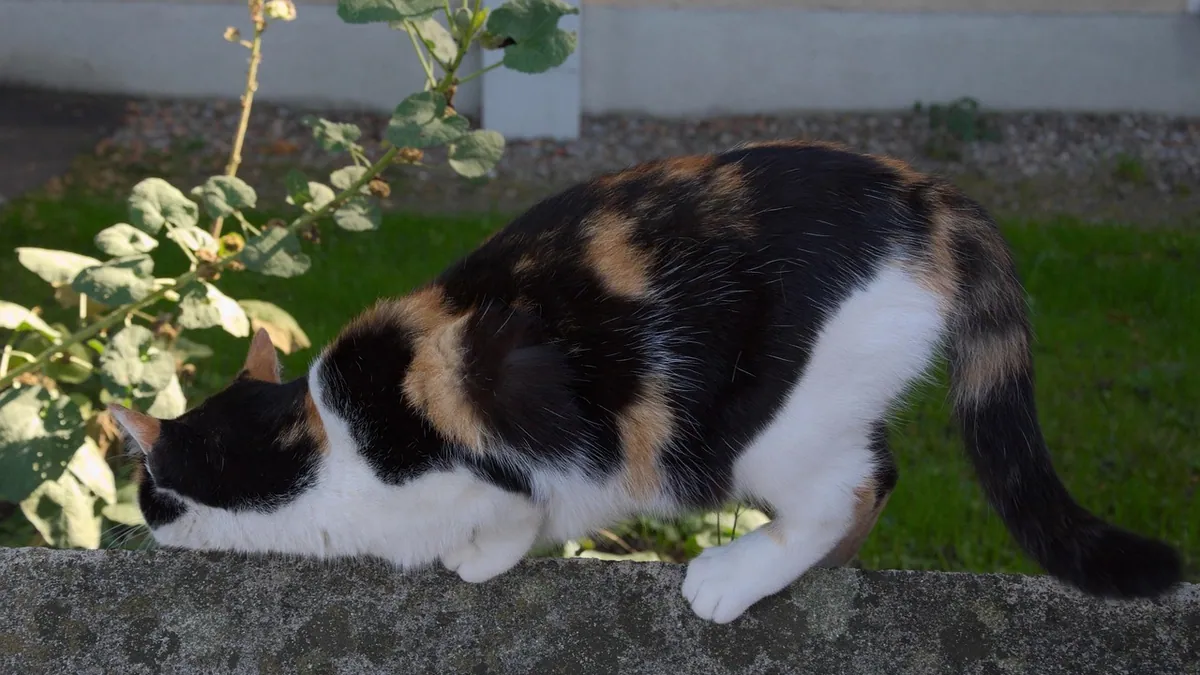
Cats in heat (estrus) usually stay in heat for about 7 days, though it can range from a few days to two weeks or more. If a cat is not bred or spayed, she will typically come back into heat every 2 to 3 weeks during the breeding season. So the real answer to "how long are cats in heat" is that each heat is short, but the cycle repeats.
This article is educational and is not a substitute for veterinary diagnosis or treatment.
Quick Answer
- A single heat period generally lasts around 7 days, with a normal range of roughly 3 to 14 days.
- Cats are seasonally polyestrous, meaning they have many heat cycles per year during long daylight months [1].
- If a cat is not bred, she often returns to heat in about 2 to 3 weeks and keeps cycling.
- Indoor lighting can change the pattern. Long photoperiods (more light) increase ovarian activity, while short photoperiods suppress it [2].
- Spaying is the permanent fix. It stops heat cycles and removes the risk of pregnancy and most reproductive cancers.
How Long Do Cats in Heat Last? The Cycle Explained
A cat's reproductive cycle has four stages. Only one of them is the heat you notice.
Proestrus. This is a short lead-in, often 1 to 2 days. Your cat may be affectionate but not yet fully receptive to a male. Signs can be easy to miss.
Estrus (heat). This is the receptive phase. Estradiol peaks during estrus, which drives the behavior you see [1]. Most queens stay in estrus for about a week. Some cycle through it faster, and some hold it longer.
Interestrus. If ovulation does not happen, the cat goes out of heat briefly, then starts over. This quiet gap is often around 2 to 3 weeks, which is why owners feel like the heat never really ends.
Anestrus. This is the seasonal rest period. Cats are seasonal breeders, and shorter daylight in winter tends to shut down cycling [2]. Indoor cats under artificial light may cycle nearly year round.
One important quirk: cats are described as induced ovulators, meaning mating usually triggers ovulation. But ovulation without any male contact does happen. In one study of intact queens at a veterinary teaching hospital, 9 of 29 queens (31.0%) ovulated spontaneously [3]. That matters because a cat who ovulates without mating can have a longer pause between heats, and owners may be confused by the change in rhythm.
How Long Do Kittens Stay in Heat?
Kittens usually reach puberty between 5 and 9 months of age, though some start earlier and some later. Once a kitten has her first heat, the pattern is the same as an adult cat: roughly a week of heat, then repeat cycles if she is not bred or spayed. A kitten's first few cycles can be irregular, and that is normal. If your kitten is showing heat signs before 4 months, call your veterinarian, because that is unusually early.
How Long Does a Cat Stay in Heat Without a Male?
Without a male, a cat usually stays in heat about the same length of time as a bred cat, roughly a week. The difference is what happens next. Without mating, ovulation often does not occur, so she returns to heat sooner. If you want to plan around this, track the start date of each heat on a calendar. After two or three cycles you will usually see her personal rhythm.
What You Will See During Heat
Heat behavior is driven by hormones, not by personality. Common signs include:
- Loud, persistent yowling, especially at night
- Rolling on the floor and rubbing against people and furniture
- Lordosis, which is a raised rear end with the tail pulled to one side
- Increased affection and restlessness
- Spraying urine or marking
- Trying to slip out the door
Some cats eat less and sleep less during heat. That is usually temporary. If your cat stops eating for more than 24 hours or seems painful, that is a reason to call your veterinarian.
Step-by-Step: What to Do When Your Cat Is in Heat
- Confirm it is heat, not illness. Vocalizing, rolling, and lordosis in an unspayed female point to estrus. If she is straining to urinate, crying in the litter box, or has a swollen painful belly, treat it as a medical problem instead. A male cat who cannot pee is an emergency, and the same urgency applies to a female who cannot pass urine. See How Long Can A Male Cat Go Without Peeing and How Long Can A Cat Live Without Peeing for red flags.
- Keep her indoors. A cat in heat will bolt through an open door. Close windows, check screens, and warn household members.
- Separate her from intact males. Even a brief mating can lead to pregnancy. If a mating happens, mark the date. Pregnancy lasts about 63 to 65 days in cats, and you can read more in How Long Are Cats Pregnant? Gestation, Care, and When to Call a Veterinarian.
- Log the dates. Write down the first day you see heat signs and the last day. This tells you her cycle length and helps your veterinarian.
- Reduce nighttime chaos. Play sessions, puzzle feeders, and a consistent bedtime routine can blunt some of the restlessness. They will not stop the heat.
- Book the spay. You do not have to wait for the heat to end. Many veterinarians spay cats in heat, though some prefer to wait because the tissue is more vascular. Ask your vet which approach they recommend for your cat.
- Do not use home remedies or human medications. Never give a cat human hormones, birth control pills, or sedatives. Doses and safety are set by your veterinarian based on your cat's weight and health.
Heat Cycle Schedule at a Glance
| Stage | Typical Length | What You Notice |
|---|---|---|
| Proestrus | 1 to 2 days | Affectionate, not yet receptive |
| Estrus (heat) | About 7 days (range 3 to 14) | Yowling, rolling, lordosis |
| Interestrus | About 2 to 3 weeks | Calm, then heat returns |
| Anestrus | Weeks to months in short daylight | No cycling |
This table is a general guide. Individual cats vary, and your veterinarian can help you interpret your cat's pattern. If you want to understand how often the cycles come around, see How Often Do Cats Go Into Heat? Feline Estrous Cycle & Signs Guide.
Signs That Something Is Wrong
Heat itself is not a disease, but several problems can look like heat or happen alongside it.
- Heat signs in a spayed cat. This can point to ovarian remnant syndrome, where a small piece of ovarian tissue was left behind after spay surgery. In one reported case, a 2.5-year-old spayed cat showed estrus behavior every 3 weeks, and a 2 mm piece of ovarian tissue was later found and removed [4]. If your spayed cat is acting like she is in heat, see your veterinarian.
- A heat that will not end. A heat lasting longer than 2 weeks, or constant signs with no break, needs a veterinary exam.
- Discharge or odor from the vulva. A healthy cat in heat may have a small amount of clear discharge. Pus-like discharge, blood, or a bad smell suggests infection and needs same-day care.
- Straining to urinate or crying in the litter box. This is a urinary emergency, not heat behavior.
- Vomiting, not eating, or a swollen abdomen. These are not normal heat signs. Call your veterinarian.
- Pregnancy signs after an escape. A distended belly, appetite changes, or enlarged nipples about 3 to 4 weeks after a possible mating means she may be pregnant. Your veterinarian can confirm with an exam and ultrasound.
Common Mistakes Owners Make
Mistake 1: Waiting for the heat to pass before calling the vet. You can schedule a spay consult any time. Early planning avoids an accidental litter.
Mistake 2: Assuming she cannot get pregnant because she never goes outside. Cats slip out during heat. One unsupervised minute is enough.
Mistake 3: Giving a cat human medication to calm her. Human hormones and sedatives can be toxic to cats. Your veterinarian calculates any safe dose from your cat's weight and health.
Mistake 4: Thinking a spayed cat cannot show heat signs. Ovarian remnant tissue can cause full heat behavior years after surgery [4].
Mistake 5: Confusing heat with pain. A cat in heat is loud and restless, but she should not be painful. If she cries when you touch her belly or hides, that is a medical concern.
Mistake 6: Believing one heat means she is ready to breed safely. Cats can conceive on their first heat, but that does not make it good for her health. Spaying before the first heat greatly reduces the risk of mammary tumors and eliminates uterine infection risk.
Supplies and Setup That Matter
You do not need special equipment for a cat in heat, but a few items make the week easier and safer.
- A calendar or phone app. Track heat start and end dates. This is the single most useful tool for planning.
- Window screens and door barriers. Check that every screen is secure. A cat in heat will push at openings.
- A separate room for intact males. If you have an unneutered male, keep him in a closed room away from the female.
- Washable bedding. Some cats mark or have light discharge during heat. Waterproof pads under bedding protect furniture.
- Puzzle feeders and wand toys. These burn energy and reduce nighttime yowling.
- A carrier ready to go. If your cat needs an urgent vet visit, having the carrier out and accessible saves time.
For long-term planning, remember that spaying also affects lifespan and overall health. Indoor cats generally live longer than outdoor cats, and you can read more in How Long Do Cats Live? Indoor, Outdoor and Senior Cat Lifespan Guide.
Limitations and When to Contact a Veterinarian
This article gives general information. Every cat is different, and individual cases need a veterinarian who can examine your cat, ask about her history, and run tests if needed.
Contact your veterinarian the same day if:
- Your spayed cat shows heat behavior
- Heat signs last longer than 2 weeks or never stop
- You see pus-like or bloody discharge from the vulva
- Your cat is straining to urinate, crying in the litter box, or producing no urine
- She stops eating for more than 24 hours
- She seems painful when you touch her belly
Go to an emergency clinic now if:
- Your cat is open-mouth breathing, collapsed, or unresponsive
- She is straining to urinate with no urine produced
- She has a swollen, painful abdomen with vomiting
- She is bleeding heavily from the vulva
Schedule a routine visit if:
- You want to discuss spaying
- You need to confirm or rule out pregnancy
- You want help tracking her cycle
- You have an intact male and female in the same home
Frequently Asked Questions
How long does a cat stay in heat the first time?
A first heat usually lasts about the same as any other heat, roughly a week. The first cycle can be shorter or longer than later ones, and the behavior may be milder. If the first heat lasts more than 2 weeks, call your veterinarian.
Can a cat get pregnant during her first heat?
Yes. A cat can conceive on her first heat even if she is young. Keep her away from intact males from the moment you see signs. If a mating happens, contact your veterinarian to discuss options and timing.
Do cats bleed during heat?
Most cats have little or no visible bleeding during heat. A small amount of clear discharge is normal. Bloody or pus-like discharge is not normal and needs a veterinary exam.
How can I tell if my cat is in heat or just being affectionate?
Heat behavior is more intense and repetitive. Look for loud yowling, rolling, lordosis, and a raised rear end. Affectionate cats rub and purr, but they do not usually hold the mating posture or call continuously.
Will spaying stop my cat from going into heat?
Yes. Spaying removes the ovaries and uterus, so heat cycles stop. If a spayed cat still shows heat signs, a piece of ovarian tissue may have been left behind, and your veterinarian can investigate with hormone testing and imaging [4].
Related Articles
- How Often Do Cats Go Into Heat? Feline Estrous Cycle & Signs Guide
- How Long Do Cats Live? Indoor, Outdoor and Senior Cat Lifespan Guide
- How Long Are Cats Pregnant? Gestation, Care, and When to Call a Veterinarian
- How Long Can A Male Cat Go Without Peeing
- How Long Can A Cat Live Without Peeing
- Cat Not Eating: How Long Is Too Long?
- Why Is My Cat in Heat So Often? Feline Heat Cycle Explained
- Are Cats in Pain When in Heat? Feline Estrus Explained
- How Long Can a Cat Be in Labor? Stages and Timing
References
- Hormonal trends during reproductive stages and ultrasonographic monitoring of gestational age in British Shorthair cats. Veterinary journal (London, England : 1997), 2025.
- Comparison of Different Lighting Protocols on Female Cat Reproduction. Reproduction in domestic animals = Zuchthygiene, 2026.
- Spontaneous ovulation in the cat: incidence among queens presented at a veterinary teaching facility. Journal of feline medicine and surgery, 2024.
- Ovarian remnant syndrome in a 2-year-old cat with inconclusive diagnostics. JFMS open reports, 2026.