How Long Can a Dog Stay in a Crate? Safe Limits
By Dr. Zubair Khalid, DVM, MS, PhD ·
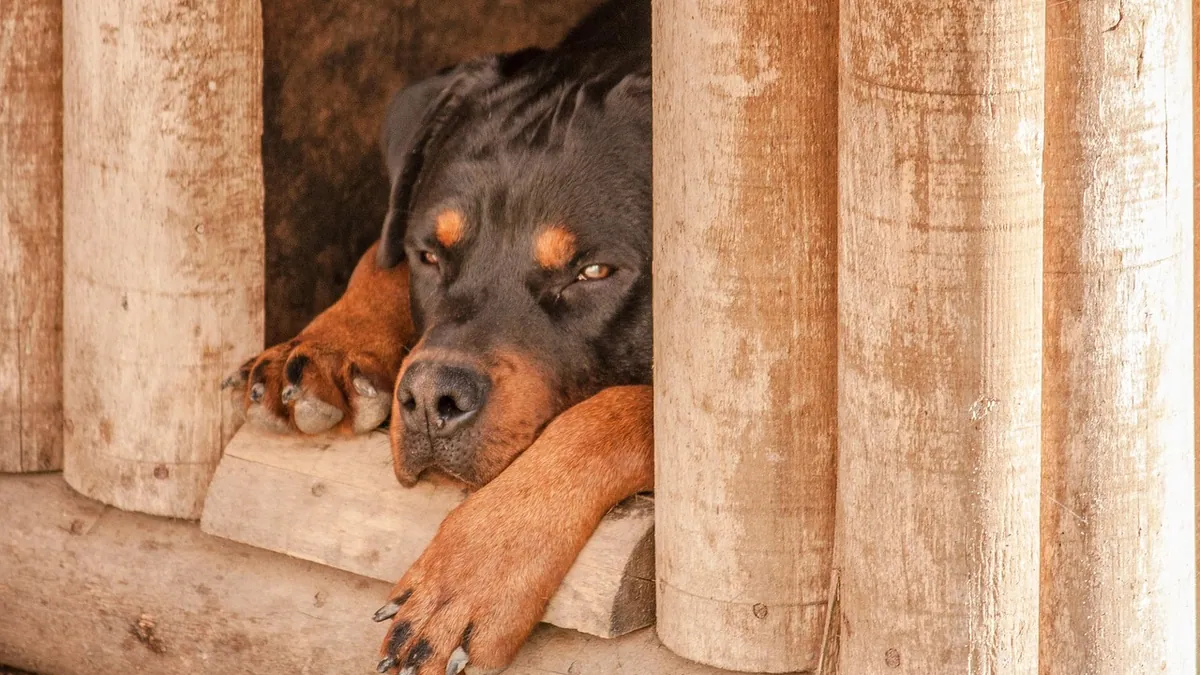
How long can a dog stay in a crate depends mostly on age, bladder control, and how the crate is used. Most healthy adult dogs should not spend more than 4 to 6 hours in a crate during the day, and puppies need much shorter stretches with frequent potty breaks. A crate is a management tool, not a place for a dog to spend most of the day.
This article is educational and is not a substitute for veterinary diagnosis or treatment.
Quick Answer
- Adult dogs: 4 to 6 hours maximum during the day, with a potty break and water access in between.
- Puppies: roughly 1 hour per month of age, plus one, so a 3-month-old puppy can usually handle about 4 hours at most, and often less.
- Overnight: 6 to 8 hours is realistic for many adult dogs that are house trained, but puppies and seniors need middle-of-the-night breaks.
- Water: offer water at every break. A dog should not go a full day without water just to keep the crate dry.
- If your dog is crated longer than these limits regularly, watch for stress signs like pacing, drooling, barking, or accidents, because confinement stress can build over time [1][2].
How Long Can a Dog Be in a Crate by Age
Age is the single biggest factor. Bladder control develops with growth, and a dog's tolerance for being alone develops too.
| Age | Daytime crate limit | Potty breaks | Overnight |
|---|---|---|---|
| 8 to 10 weeks | 30 to 60 minutes | Every 30 to 60 minutes | 2 to 3 hours |
| 3 months | About 3 hours | Every 2 to 3 hours | 3 to 4 hours |
| 4 months | About 4 hours | Every 3 to 4 hours | 4 to 5 hours |
| 5 to 6 months | 4 to 5 hours | Every 4 hours | 5 to 6 hours |
| 6 to 12 months | 4 to 6 hours | Every 4 to 6 hours | 6 to 8 hours |
| Adult (1 to 7 years) | 4 to 6 hours | Every 4 to 6 hours | 6 to 8 hours |
| Senior (7+ years) | 3 to 5 hours | Every 3 to 4 hours | 4 to 6 hours, often less |
These are general guides. A dog with a urinary tract infection, a dog on a diuretic, or a dog recovering from surgery may need far more frequent breaks. If your dog is suddenly having accidents in the crate, that is a medical question before it is a training question. See Dog Peeing In Crate for what accidents can mean.
Puppies
The old rule of thumb is one hour per month of age plus one. That works for many puppies, but it is a ceiling, not a target. A 2-month-old puppy may need out every hour. A 4-month-old may manage 4 hours if the crate is the right size and the puppy has been out right before.
Puppies also sleep a lot, so a crate can be a safe nap spot. The problem starts when the crate becomes a holding pen for a long workday.
Adult Dogs
For most healthy adult dogs, 4 to 6 hours during the day is the practical limit. Some dogs do fine with 8 hours overnight because they are asleep. Daytime is different. Your dog is awake, hears things, and has no way to move around.
If your workday is 9 hours plus commute, a single crate stretch is too long. You need a midday walker, a doggy daycare day, a pen with a potty area, or a combination.
Seniors
Older dogs often have arthritis, weaker bladder control, or cognitive changes. They may need to shift positions and get up more often. A senior dog that used to handle 6 hours may now need out every 3 hours. Pain and stiffness get worse when a dog cannot move, so shorter stretches are kinder.
How Long Can a Dog Be in a Crate Without Water
This is one of the most common questions, and the answer is simple. Do not withhold water for a full crate stretch to prevent accidents.
A dog should have water available at each break. If your dog is crated for 4 hours, offer water before the crate and again when you let them out. For longer stretches, use a crate-mounted bowl or a spill-resistant bowl so water is always reachable.
There is no safe number of hours to deny water. Dehydration risk rises with heat, activity, age, and illness. If your dog is drinking far more than usual, that can be a sign of diabetes, kidney disease, or another medical problem, and it needs a vet visit.
If your dog guzzles water and then has accidents, the fix is more frequent breaks, not less water. You can also check How Long Can Dogs Hold Their Pee to understand normal bladder limits.
A Step-by-Step Crate Routine That Protects Welfare
- Pick the right crate size. Your dog should stand, turn around, and lie flat without touching the sides. Too much space can invite a potty corner for puppies.
- Build a daily schedule. Write down wake-up, meals, potty breaks, exercise, crate time, and free time. Post it where everyone in the house can see it.
- Exercise before crate time. A tired dog settles better. A brisk walk or a play session before you leave helps more than a treat tossed in the crate.
- Use a potty break midday. If you are gone more than 4 to 6 hours, arrange a walker or come home. This is the single biggest fix for most crate problems.
- Feed on a schedule. Free-feeding makes potty timing unpredictable. Two or three meals at set times helps you predict when your dog needs out.
- Offer water at every break. Remove the bowl only if your vet tells you to for a medical reason.
- Add enrichment inside the crate. A frozen stuffed toy or a safe chew gives your dog something to do. Enrichment and training programs reduce stress in confined dogs [3].
- Keep the crate positive. Feed meals in the crate, toss treats in, and never use it as punishment.
- Track it. Note how long your dog was crated, whether they potted outside, and how they acted. Patterns show up fast.
- Adjust as your dog ages. A routine that worked at 2 years may not work at 10 years.
Signs Something Is Wrong
Crate stress does not always look like crying. Watch for these signs.
- Panting or drooling when the room is cool
- Pacing, spinning, or digging at the crate floor
- Constant barking or howling
- Chewing at the bars until gums bleed or teeth break
- Accidents even after a fresh potty break
- Refusing to enter the crate
- Trembling, tucked tail, or flattened ears at crate time
- Weight loss, poor appetite, or vomiting after crate days
Chronic stress affects health, behavior, and the bond between you and your dog [2]. Dogs vary in how they handle confinement based on genetics, past experiences, and context, and some dogs simply do not adapt [3]. A dog that panics in a crate is not being stubborn. That dog may need a different setup, behavior support, or help from a veterinarian.
Common Mistakes Owners Make
Using the crate as full-time housing. A crate is for naps, safety, and short management. It is not a substitute for exercise, training, or company.
Stretching the time because the dog is quiet. A quiet dog can still be stressed. Some dogs shut down instead of acting out.
Skipping water. This causes more problems than it solves, including dehydration and urinary issues.
Crating a dog with a medical problem. A dog with diarrhea, vomiting, or a urinary infection needs vet care and more frequent outings, not longer crate time.
Ignoring the first signs of distress. Early pacing or drooling is easier to fix than a dog who has learned to panic.
Crating after a long day alone. If your dog was crated all day, evening should be movement, training, and attention.
Punishing accidents. If your dog potties in the crate, clean it well and look for a cause. Punishment makes crate anxiety worse.
Setup Details That Matter for Health
Crate size. Big enough to stand and turn, small enough that a puppy will not potty in one corner and sleep in the other.
Bedding. Washable bedding that stays dry. If your dog chews and swallows fabric, use a flat mat instead.
Temperature. Crates can get hot fast. Do not leave a crate in direct sun or in a car. Dogs overheat faster than people.
Ventilation. Air should move through the crate. A covered crate with no airflow traps heat and odor.
Water access. A crate-mounted bowl or a heavy spill-proof bowl. Check it at every break.
Location. Put the crate where your dog can see and hear normal household activity, not in an isolated room.
Potty area. If you must be gone longer than the limit, a pen with a pee pad or a dog door to a safe yard is better than a closed crate.
Camera. A cheap pet camera shows you what actually happens. Many owners are surprised by what they see.
Enrichment rotation. Swap toys every few days so the crate stays interesting. Enrichment reduces stress in confined dogs [3].
Health checks. Keep vaccines, parasite prevention, and dental care current. Intestinal parasites are common in dogs and can spread to people, so hygiene around potty areas matters [4]. Wash your hands after handling waste and clean the crate regularly.
Limitations and When to Contact a Veterinarian
Every dog is different, and individual cases need a veterinarian who can examine your dog and review the full history.
Contact your veterinarian the same day if your dog:
- Has repeated accidents in the crate after being house trained
- Drinks much more water than usual
- Vomits, has diarrhea, or stops eating
- Limps or struggles to stand after crate time
- Shows new trembling, hiding, or aggression at crate time
Go to an emergency clinic now if your dog:
- Cannot urinate or strains with no urine produced
- Has a swollen, painful abdomen
- Is vomiting repeatedly or has bloody stool
- Collapses, has a seizure, or breathes with effort
- Injures the mouth or teeth chewing at the crate
- Is exposed to extreme heat and is panting heavily, weak, or confused
Schedule a routine visit if your dog:
- Has been crated longer than the limits above for weeks
- Shows ongoing barking, pacing, or drooling in the crate
- Needs a behavior plan, medication, or a referral to a veterinary behaviorist
- Is a senior dog with new stiffness, confusion, or nighttime restlessness
If your dog is not eating well during a stressful stretch, read How Long Can A Dog Go Without Eating And Be Ok before you wait it out.
Frequently Asked Questions
Can I leave my dog in a crate while I work?
Only if someone breaks up the day. A full workday plus commute is too long for a single crate stretch. Arrange a midday walker, come home, or use a pen with a potty area.
Is it cruel to crate a dog at night?
No, if the crate is sized right, the dog is comfortable, and the stretch fits their age and health. A dog that panics at night needs a different plan, not a longer adjustment period.
How do I know if my dog is stressed in the crate?
Watch for panting in a cool room, drooling, pacing, barking, chewing at the bars, or refusing to go in. Those signs mean the current setup is not working for your dog.
Should I take water away to stop crate accidents?
No. Offer water at every break and increase potty frequency instead. If accidents continue, have your vet check for a urinary or metabolic problem.
Can a dog stay in a crate for 12 hours?
No. That is far beyond a safe limit for any age. A dog left that long faces dehydration, bladder problems, muscle stiffness, and serious stress. If your schedule makes 12 hours unavoidable, you need a different care arrangement, not a bigger crate.
Related Articles
- How Long Does A Dog Stay In Heat
- Dog Peeing In Crate
- How Long Can Dogs Hold Their Pee
- How Long Does A Dogs Heat Last
- How Long Can A Dog Go Without Eating And Be Ok
- Why Is My Dog Suddenly Scared of the Crate?
- How Long Can a Dog Cry in a Crate? What's Normal
- How Long Can a Dog Be Left Alone? Safe Limits by Age
- How Long Should Puppies Stay With Their Mom?
References
- Stress in Free-Roaming and Shelter-Housed Dogs: A Review of Neurobiological, Physiological and Behavioral Mechanisms Relevant to Welfare Assessment. Animals : an open access journal from MDPI, 2026.
- Stress, needs, and behaviour: understanding chronic stress in pet domestic dogs (Canis lupus familiaris) from the prism of needs. Biological reviews of the Cambridge Philosophical Society, 2026.
- Welfare Under Transient Pressure: Rethinking Behavioral Assessments and Stress Mitigation for Shelter Dogs. Animals : an open access journal from MDPI, 2026.
- Zoonotic Risk of Intestinal Parasites in Ghana's Protected Areas: A Nexus for Human-Nonhuman Primates-Dog Interactions. Journal of parasitology research, 2026.