How Long Can a Dog Be in Labor? Stages and When to Worry
By Dr. Zubair Khalid, DVM, MS, PhD ·
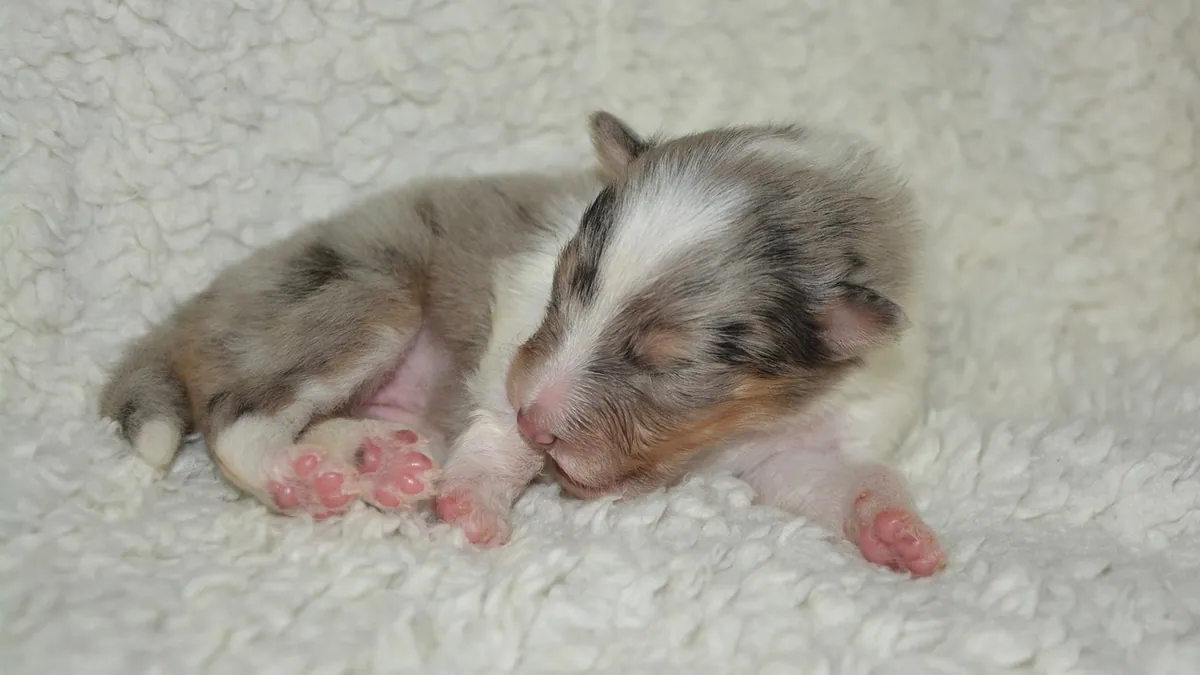
Labor in dogs usually lasts 3 to 12 hours from the first strong contraction to the last puppy, though a large litter or a tired mom can stretch that window. The part that matters most is the pushing: active straining for more than 20 to 30 minutes without producing a puppy is a medical emergency. How long a dog can be in labor depends on the stage, the litter size, and whether the puppies are positioned normally.
This article is educational and is not a substitute for veterinary diagnosis or treatment.
Quick Answer
- Stage 1 (pre-labor) typically runs 6 to 12 hours, with nesting, panting, and a drop in body temperature.
- Stage 2 (pushing) should produce a puppy within 20 to 30 minutes of hard straining, or within about 2 hours of gentle effort.
- Puppies usually arrive 15 to 30 minutes apart, but a gap of up to 2 hours between puppies can be normal.
- More than 30 minutes of strong, unproductive straining is dystocia (difficult birth) and needs an emergency vet visit.
- Prolonged labor raises the risk of stillbirth and pre-weaning death, largely from oxygen deprivation during a long delivery [1].
The Stages of Dog Labor, and How Long Each One Lasts
Knowing the stages helps you decide whether your dog is progressing or stuck. Whelping has three stages, and each has its own clock.
Stage 1: Pre-Labor (6 to 12 Hours)
Your dog's cervix is dilating and contractions are starting, but you will not see them clearly. She may pace, dig at bedding, pant, refuse food, and want to be alone. Her rectal temperature often drops below 99°F (37.2°C) about 12 to 24 hours before labor starts. This stage can be shorter in dogs who have whelped before.
Stage 2: Pushing and Delivery (Usually 3 to 12 Hours Total)
This is active labor. You will see abdominal contractions and your dog will strain. Each puppy should come within 20 to 30 minutes of hard pushing. Once a puppy is born, the next one usually follows within 15 to 30 minutes, though rest periods of up to 2 hours between puppies are common and often normal. The whole litter is usually delivered within 3 to 12 hours.
Stage 3: Placenta Delivery
Placentas pass after each puppy or in a clump at the end. Your vet does not need an exact count, but retained placentas can cause infection. If you are unsure how many passed, tell your veterinarian.
If you are tracking your dog's cycle from the start, our guide on how long do dogs stay pregnant explains the full timeline from breeding to birth.
How Long Can a Dog Push During Labor Before It Is an Emergency?
This is the question that saves puppies. A dog who strains hard for 20 to 30 minutes with no puppy is in trouble. So is a dog who has been in Stage 2 for more than 2 hours without delivering, or who has a 2 to 4 hour gap between puppies with no progress.
The reason timing matters is oxygen. Hypoxia during a prolonged birth is the leading cause of newborn death in dogs [1]. The longer a puppy sits in the birth canal, the more stress its supply line takes. Research on placentas from emergency cesareans found that each extra hour of dystocia increased the severity of placental congestion, a sign of compromised blood flow [2]. That is why veterinarians do not wait around when labor stalls.
Whelping Schedule and Checklist
Use this table as a rough guide. Every dog is different, and your veterinarian's advice for your dog overrides any general timeline.
| Stage or Event | Typical Duration | Call the Vet If |
|---|---|---|
| Temperature drop | 12 to 24 hours before labor | No labor 24 hours after the drop |
| Stage 1 (nesting, panting) | 6 to 12 hours | Lasts more than 12 hours with no contractions |
| First puppy after hard straining | 20 to 30 minutes | 30 minutes of strong straining, no puppy |
| Gap between puppies | 15 to 30 minutes (up to 2 hours is often normal) | More than 2 to 4 hours with no puppy |
| Total active labor | 3 to 12 hours | More than 12 hours with puppies still inside |
| Placenta passage | After each puppy | You are unsure all passed |
Supplies to Have Ready
- Clean towels and a heating pad or heat lamp for newborns
- A bulb syringe for clearing fluids from airways
- Digital thermometer and lubricant
- Scale to weigh each puppy
- Your vet's number and the nearest emergency clinic saved in your phone
- A whelping box with low sides and clean bedding
Step-by-Step: What to Do During Whelping
- Take her temperature twice daily starting a week before her due date.
- When Stage 1 begins, keep the room quiet and dim. Check on her without hovering.
- Once pushing starts, watch the clock. Note the time of each puppy.
- If a puppy is visible but stuck, call your vet before pulling. Gentle traction in the wrong direction can injure the puppy or tear the birth canal.
- Break the sac if the mother does not, and rub the puppy briskly with a towel.
- Keep puppies warm and let them nurse. Nursing stimulates contractions for the next puppy.
- Count placentas as best you can and tell your vet the number.
Signs That Something Is Wrong
Call your veterinarian immediately if you see any of these:
- Strong straining for more than 20 to 30 minutes with no puppy
- More than 2 to 4 hours between puppies with no progress
- Green or black discharge before the first puppy is born
- A puppy visibly stuck in the birth canal
- Fever, collapse, tremors, or seizures (possible eclampsia)
- Bright red bleeding that does not stop
- Your dog seems exhausted, stops pushing, and appears weak
- No puppies after 24 hours of Stage 1 signs
Pain during the expulsive phase of labor is real and can be severe in domestic animals, and it is often underrecognized by owners [3]. A dog who is crying, restless, or unable to settle between contractions deserves a call.
Common Mistakes Owners Make
Waiting too long to call. Many owners assume a long labor is normal. A stalled labor is one of the few true emergencies in breeding, and the window to act is short.
Pulling on a puppy. If a puppy is stuck, traction must be timed with contractions and directed correctly. Improper pulling can cause serious injury.
Missing the temperature drop. Checking temperature twice daily is the single best way to predict labor and spot a delay.
Confusing rest with stalling. A dog can rest 30 to 60 minutes between puppies and still be fine. Watch for hard straining with no result, not just a pause.
Giving oxytocin at home. Oxytocin can cause uterine rupture if a puppy is blocking the canal or if the cervix is not fully open. Your veterinarian decides whether and when to use it, and calculates the dose based on your dog's weight and health. In one reported case, a Pomeranian with a puppy stuck in the canal was treated with calcium and oxytocin before delivering an abnormal puppy [4]. That case shows why medical management needs a diagnosis first.
Skipping a post-whelping check. Even a smooth delivery deserves a vet visit within 24 to 48 hours to check for retained placentas and metritis.
When a C-Section Is Needed
If medical management fails, your vet will recommend a cesarean section. This is a common, well-tolerated surgery. A study of 89 cesareans found postoperative complications in about 6.7 percent of cases, and the way the uterus was closed did not affect the complication rate [5]. Most dogs recover well and can whelp again in the future [5].
If your dog is not pregnant yet and you are tracking her cycle, our articles on how long does a dog period last and how long are dogs in heat can help you plan breeding timing.
Limitations and When to Contact a Veterinarian
No article can tell you whether your specific dog is progressing normally. Only a veterinarian who examines her can do that. Individual cases need a veterinarian.
Call now (emergency):
- More than 30 minutes of strong straining with no puppy
- More than 2 to 4 hours between puppies
- Green or black discharge before the first puppy
- A puppy stuck in the canal
- Fever, collapse, tremors, or heavy bleeding
Call the same day:
- Stage 1 lasting more than 12 hours
- Total labor over 12 hours with puppies still inside
- You are unsure whether all placentas passed
- Puppies who are weak, cold, or not nursing
Routine visit:
- Post-whelping check within 24 to 48 hours
- Any concern about milk supply or puppy weight gain
Frequently Asked Questions
How long does a dog in labor last for a first-time mom?
First-time mothers often take longer than experienced ones, and their Stage 1 can run the full 6 to 12 hours. The pushing rules do not change: 20 to 30 minutes of hard straining without a puppy is still an emergency. If your dog is a first-time mom, plan to stay home and watch her closely.
Can a dog be in labor for 24 hours and still be fine?
Sometimes, but it is not something to wait out on your own. A long labor increases the risk of oxygen deprivation for the puppies, which is the main cause of newborn death [1]. If your dog has been in active labor for many hours, call your veterinarian even if she seems comfortable.
What if my dog is pushing but nothing comes out?
That is dystocia until proven otherwise. Call your vet right away. Do not give oxytocin at home, and do not pull hard on any puppy you can see. Your vet will examine her, check the puppy's position, and decide between medical treatment and surgery.
How do I know if a puppy is stuck?
You may see a puppy's head or tail at the vulva with no progress after several contractions. You may also see your dog strain hard with no puppy appearing at all. Either way, call your vet immediately. Time matters for the puppy's survival.
Will my dog need a C-section if labor stalls?
Not always. Some stalled labors respond to veterinary treatment, and some need surgery. Your vet will make that call after examining your dog and the puppies. If surgery is needed, outcomes are generally good, with most dogs recovering well after cesarean section [5].
Related Articles
- How Long Does A Dog Period Last
- How Long Do Dog Periods Last
- How Long Do Dogs Stay Pregnant
- How Long Are Dogs In Heat
- How Long Do Dogs Live For
- How Long Does A Dog Stay In Heat
- Dog Labor Stages: Timeline From First Contractions
- How Long Can a Cat Be in Labor? Stages and Timing
- How Long Do Puppies Nurse? Weaning Timeline
References
- Staying alive: a questionnaire study on pregnancy outcome and pre-weaning puppy health in Swedish dogs. Theriogenology, 2026.
- Effect of Dystocia Duration on the Placental Health in Canines. Life (Basel, Switzerland), 2026.
- How Do Women and Domestic Animals Share Parturition Pain? A Systematic Review. Animals : an open access journal from MDPI, 2026.
- The first report of gastro-thoracoschisis in a puppy born to a pomeranian bitch afflicted with dystocia. Veterinary research communications, 2025.
- A single-layer, full-thickness, simple continuous suture pattern is safe for hysterotomy closure in dogs undergoing cesarean section. Journal of the American Veterinary Medical Association, 2026.