My Budgie or Cockatiel Flew Away: Will It Survive?
By Dr. Zubair Khalid, DVM, MS, PhD ·
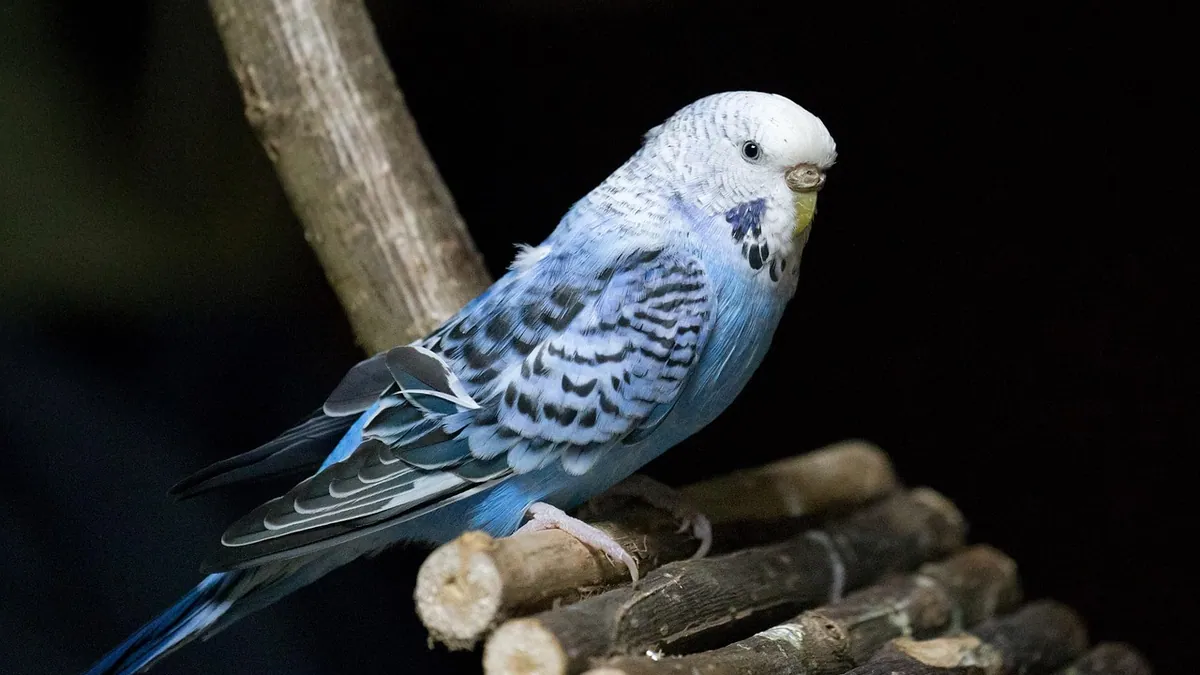
Most escaped pet budgies and cockatiels do not survive long outdoors, but the first 24 to 72 hours give you the best chance of getting your bird back. If your budgie flew away, will it survive? The honest answer is that survival depends on weather, predators, and how quickly you act, and many birds are recovered when owners search the right way. This article is educational and is not a substitute for veterinary diagnosis or treatment.
Quick Answer
- Search the immediate area first, because most escaped budgies and cockatiels land within a few houses of home and stay close for the first day or two.
- Go outside at dawn and dusk, when these birds are most vocal and active, and play recordings of budgie or cockatiel flock calls to draw your bird in.
- Put your bird's cage outside with the door open, food inside, and a familiar cover or toy, since a hungry, tired bird often returns to its own cage.
- Post on local lost-and-found pet sites and neighborhood groups the same day, because escape reports spike in warm months and budgies and cockatiels make up the majority of lost pet birds [1].
- Call every veterinarian and animal control office within a 30-mile radius and ask them to watch for your bird.
My Budgie Flew Away: Will It Survive? Realistic Odds
Budgies and cockatiels are small parrots native to Australia, and they are not built for most North American climates. A pet budgie that has lived indoors its whole life has no street skills. It does not know which plants are safe, where to find water, or how to avoid hawks, cats, and raccoons.
Temperature is a major factor. Wild bird breeding success drops when temperatures climb well above what a species is used to [2]. Heat stress and cold stress both hit small birds hard, and a budgie or cockatiel that escapes in a heat wave or a cold snap has a much lower chance of making it through the first night.
Escape data from lost-and-found pet websites shows that budgerigars and cockatiels accounted for 76% of all recorded pet bird escapes in one multi-year study [1]. That tells you two things. First, these escapes are extremely common. Second, because so many budgies and cockatiels get out, there is a real community of people who know how to help find them.
The good news is that escaped budgies and cockatiels often do not fly far. They are flock birds. A lone budgie in the wild is stressed and wants company, so it may fly toward other birds or toward the sound of a familiar voice.
Step-by-Step Recovery Plan
The First Hour
Stay calm and act fast. Walk outside and listen. Budgies and cockatiels call to each other constantly, and your bird may answer you.
Bring your bird's cage outside. Set it on a table or the ground with the door open. Put food and water inside. Add a favorite toy or a piece of clothing that smells like you.
Do not chase your bird. Chasing pushes a scared bird higher and farther away. Instead, stand still, talk softly, and let the bird come to you.
The First Day
Search at dawn and dusk. These are the times when parrots are most active and most likely to call. Midday heat makes small birds quiet and hidden.
Walk your neighborhood in expanding circles. Check trees, rooftops, power lines, and bushes. Look for movement and listen for calls.
Play budgie or cockatiel contact calls from your phone. A recording of a flock calling can pull a lonely bird out of hiding.
Talk to your neighbors. Knock on doors, hand out flyers, and ask people to check their yards, garages, and bird feeders.
The First Week
Keep the cage outside and keep searching. Do not give up after a few days. Some birds are found weeks later, especially in mild weather.
Post on every lost pet site you can find. Include clear photos, the date and location of the escape, and your phone number. Escape reports follow seasonal patterns, so local groups are used to seeing these posts [1].
Call veterinarians, animal shelters, and animal control. Give them your bird's description and your contact information.
Search Schedule and Checklist
| Timeframe | What to Do | Why It Matters |
|---|---|---|
| First 1 to 2 hours | Walk outside, listen, set cage outside with food | Bird is likely close and still responding |
| First 24 hours | Search at dawn and dusk, play flock calls, talk to neighbors | Best window for recovery |
| Days 2 to 7 | Expand search radius, post flyers, use lost pet sites | Bird may move as it looks for food and water |
| Week 2 and beyond | Keep cage outside, refresh posts, check shelters weekly | Some birds are found much later |
| Any time bird is found | Keep warm, offer water, call a vet | A found bird may be dehydrated or injured |
Signs Something Is Wrong
If you find your bird, watch closely for these warning signs.
- Fluffed feathers and sitting on the cage floor
- Closed or squinting eyes, or one eye that looks cloudy or swollen
- Not eating or drinking
- Labored breathing or tail bobbing
- Droppings that are watery, discolored, or absent
- Weakness, wobbling, or an inability to perch
- Any wound, bleeding, or drooping wing
Eye problems matter in birds. Ocular parasites have been found in free-ranging birds of prey, and the authors noted that bird eyes are often neglected in health exams [3]. A bird that has been outside may have picked up an eye issue, so ask your veterinarian to check the eyes during the exam.
Common Mistakes Owners Make
Chasing the Bird
Running after your bird pushes it away. Move slowly. Let the bird come to you.
Searching Only at Noon
Parrots are quiet during the hottest part of the day. Search at dawn and dusk instead.
Waiting to Post Online
Every hour counts. Post the same day your bird escapes.
Leaving the Cage Inside
A tired, hungry bird looks for its own cage. Put it outside with food and water.
Assuming the Bird Cannot Survive
Some escaped budgies and cockatiels do survive for days or weeks. Keep looking.
Forgetting to Check Shelters
Shelters may hold a found bird for only a few days before rehoming it. Call every few days.
Supplies and Setup That Matter for Health
If you get your bird back, set up a quiet recovery space. A hospital cage or a small carrier with a soft towel on the bottom works well.
Keep the room warm and dim. Stress and temperature swings can hurt a bird that has been outside.
Offer fresh water and a small amount of familiar food. Do not force food or water. A dehydrated bird may need fluids from a veterinarian.
Weigh your bird if you have a gram scale. A budgie or cockatiel that has lost weight needs a vet visit. Weight loss is one of the first signs that something is wrong.
If you are setting up a new cage or improving your bird's setup, see our guide to a proper Budgie Cage. For cockatiel owners, our Complete Cockatiel Care Guide covers housing, diet, and daily care. If you are thinking about a larger parrot, our Cockatoo Care Guide explains what those birds need.
Preventing the Next Escape
Most escapes happen through open windows and doors. In one study, text analysis of escape reports found "window" and "open" as the most common reasons birds got out [1]. Check your screens. Close windows before you let your bird out of the cage.
Wing trimming is a personal choice. Talk to your veterinarian about what is right for your bird. A trimmed bird can still fly, but it usually cannot gain as much height.
Training helps. Teach your bird to step up on command and to come to a specific call. A trained bird is easier to recover.
Microchips and leg bands can help identify your bird if it is found. Ask your veterinarian about identification options.
Limitations and When to Contact a Veterinarian
This article cannot tell you whether your specific bird will survive. Every escape is different. Weather, predators, your bird's health, and how fast you search all change the outcome. Individual cases need a veterinarian.
Contact a veterinarian the same day if your bird is found and shows any of these signs.
- Fluffed feathers, weakness, or sitting on the floor
- Not eating or drinking
- Any wound, bleeding, or drooping wing
- Labored breathing
- Eye swelling, discharge, or cloudiness
- Weight loss or a sharp breastbone
Go to an emergency clinic right away if your bird is unresponsive, has trouble breathing, is bleeding, or cannot stand.
Schedule a routine visit within a few days if your bird seems normal but was outside for more than a few hours. A veterinarian can check for parasites, weight loss, and hidden injuries.
Frequently Asked Questions
How long can a budgie survive outside?
A pet budgie that has always lived indoors usually cannot survive more than a few days outside. Cold nights, predators, and a lack of familiar food and water are the biggest threats. A budgie that finds a bird feeder or a warm sheltered spot may last longer, but most need to be found fast.
Do escaped cockatiels come back on their own?
Some do, especially if their cage is left outside with food inside. Cockatiels are flock birds and often stay near a familiar sound or a food source. Keep the cage outside and keep calling, because a hungry cockatiel may return within a few days.
Should I put my bird's cage outside to catch it?
Yes. Put the cage outside with the door open, food and water inside, and a familiar toy or cover. A tired, hungry bird often returns to its own cage. Check the cage often so your bird does not sit in it unnoticed.
Will my parrot survive if it flew away?
Survival odds depend on the species, the weather, and how quickly you search. Small parrots like budgies and cockatiels face the highest risk. Larger parrots may survive longer, but they still face predators, hunger, and exposure. Search every day and post online right away.
What should I do if I find someone else's lost bird?
Keep the bird warm, quiet, and away from other pets. Offer water in a shallow dish and a small amount of seed or pellets. Call local veterinarians and animal control to report the found bird, and post a photo on lost pet sites so the owner can find you.
A Final Word on Searching
The first 72 hours matter most. Search at dawn and dusk, keep the cage outside, post online the same day, and call every vet and shelter nearby. Do not give up after a few days. Some birds are found much later, and a calm, steady search gives your bird the best chance of coming home.
Related Articles
- Cockatiel Lifespan
- Budgie Cage
- Cockatiel Care: Pyramiding & Shell Health Management
- Cockatoo Care Guide
- Complete Cockatiel Care Guide
- Cockatiel Care: Feather destructive behavior enrichment protocol
- My Bird Died or Flew Away: What Should I Do?
- My Budgie or Cockatiel Died Suddenly: Causes and What to Do
- Do Budgies Die Easily? Why Small Birds Hide Illness
References
- An Influx of Non-Native Bird Species into the Natural Environment Owing to the Accidental Release of Pet Birds in Japan. Animals : an open access journal from MDPI, 2024.
- The Complex Relationship Between High Temperatures and Avian Breeding Success: Insights From a Global Review. Ecology and evolution, 2025.
- Oxyspirura petrowi Causing Ocular Parasitism in a Free-Ranging Common Buzzard (Buteo buteo) in Romania and a Review of the Potential Zoonotic Implications as Cutaneous Larval Migrans. Animals : an open access journal from MDPI, 2025.