Do Budgies Die Easily? Why Small Birds Hide Illness
By Dr. Zubair Khalid, DVM, MS, PhD ·
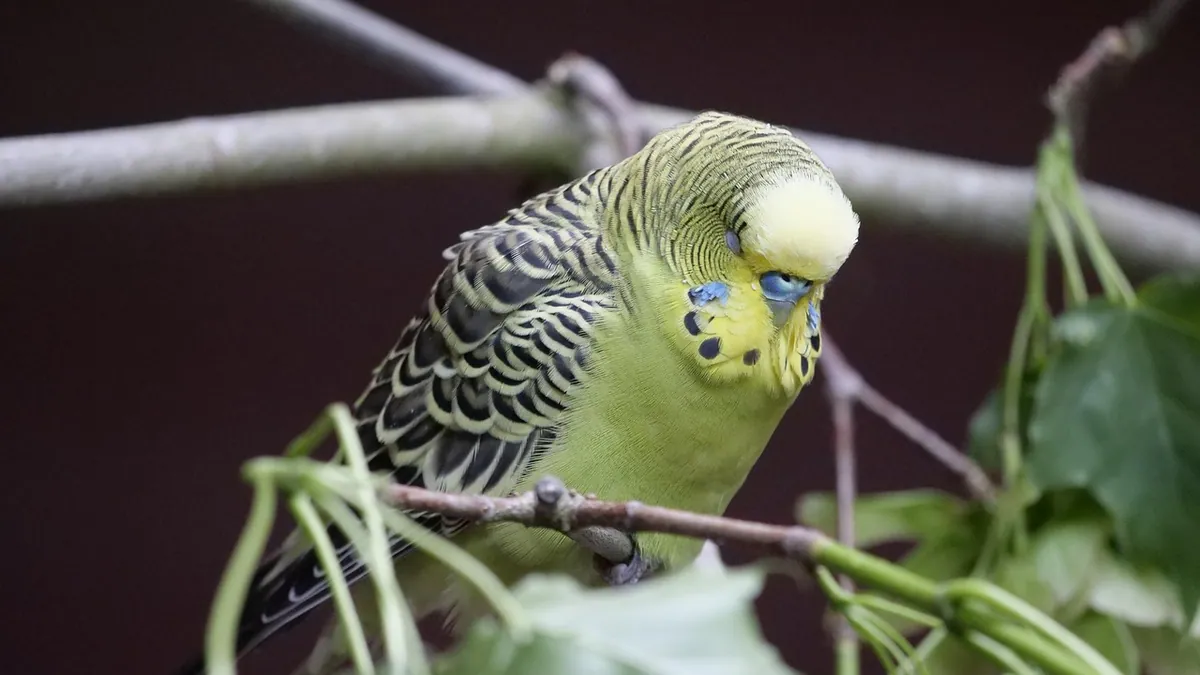
Do budgies die easily? Not usually, and most pet budgies live for years with good care. The real problem is that budgies are prey animals that hide illness until they are very sick, so owners often miss the early clues. By the time a budgie looks obviously unwell, it may be close to death.
This article is educational and is not a substitute for veterinary diagnosis or treatment.
Quick Answer
- Budgies are hardy, not fragile, but they instinctively mask sickness so they don't look weak to predators [1].
- Sudden death is often the first sign owners see, because the bird hid the problem until its body gave out.
- Common killers include infections (viral, bacterial, fungal), metabolic and degenerative diseases, and parasites [2].
- Small changes in eating, droppings, breathing, or activity are real warning signs, not quirks [1].
- A budgie that is fluffed up, sitting on the cage floor, or breathing hard needs an avian vet the same day.
Why Budgies Hide Illness So Well
In the wild, a bird that looks sick gets picked off. So budgies evolved to act normal even when something is wrong. This is called masking, and it is the single biggest reason budgie owners get surprised.
Your bird may eat, chirp, and climb right up until its reserves run out. A budgie has a fast metabolism and very little body fat to spare. Once it stops eating, it can crash within a day or two. That is why "he was fine yesterday" is such a common story.
The best defense is knowing your bird's normal. Learn how much it eats, how it sounds, how it moves, and what its droppings look like. Then any change stands out [1].
What "Dying Easily" Really Means for Budgies
Budgies are not delicate. They are small, which means problems progress fast. A condition that a larger parrot might tolerate for weeks can overwhelm a budgie in days.
Their small size also makes them harder to examine. A budgie that loses a few grams is losing a meaningful percentage of its body weight. Subtle weight loss can signal serious disease.
So the honest answer is this. Budgies do not die easily from nothing. They die from real diseases that went unnoticed because the bird hid them. If you want a strong foundation in daily care, see Budgie Bird Care: Essential Tips for Beginners.
Signs Owners Notice (Often Too Late)
Watch for any change from your bird's normal pattern [1]. These are the signs that should make you pick up the phone.
Early signs
- Sitting fluffed up more than usual
- Sleeping more, or quiet when it used to chatter
- Eating less or ignoring favorite foods
- Change in droppings (color, consistency, or amount)
- Tail bobbing with each breath
- Sitting on the cage floor instead of perches
- Feathers looking dull, or not grooming
Late signs (emergency)
- Open-mouth breathing or clicking sounds
- Sitting on the bottom of the cage, unable to perch
- Not eating at all for a day
- Vomiting or flicking food off the beak
- Swelling on the belly or around the eyes
- Bleeding, or a leg that won't bear weight
- Collapse or seizures
Respiratory signs deserve special attention. A budgie with a respiratory infection can go downhill fast, and early treatment matters. Read more in Budgie Respiratory Infection: Signs, Causes, and Urgent Care.
Common Causes of Death in Pet Budgies
Infectious disease
In a large review of psittacine birds submitted for post-mortem exam, infectious diseases were found in 44.5% of cases. Viral infections made up 23.1%, bacterial 15.4%, and fungal 8.7% [2]. These numbers come from birds that died, so they show what actually kills pet parrots, including budgies.
One virus worth knowing is budgerigar fledgling disease polyomavirus. It causes high death rates in nestlings and young birds. Adult birds often show only mild signs like feather problems [3]. This is one reason young budgies can die suddenly with few warnings.
Non-infectious disease
The same review found non-infectious diseases in 58.2% of cases. These included degenerative (25.1%), metabolic (21.2%), and hemodynamic (14.6%) conditions [2]. In plain words, this covers organ disease, tumors, heart problems, and metabolic disorders.
Lipid disorders
Fat-related disease is common in pet parrots and causes real illness and death. Diet, exercise, and species all play a role [4]. Budgies on all-seed diets with little flight time are at higher risk. These problems build slowly and often show up as sudden collapse.
Parasites
Parasites can kill birds, and the risk is highest when a parasite meets a host species it did not evolve with [5]. Pet budgies usually avoid this if they never mix with wild birds or untested birds. Still, it is a reason to quarantine new birds and keep wild birds away from your cage.
Accidents and toxins
Small birds are also lost to non-disease causes. Open water, hot pans, ceiling fans, nonstick cookware fumes, and other household hazards kill pet birds every year. Human-caused bird deaths are a large and ongoing problem worldwide [6]. For a budgie, a single mistake in the kitchen can be fatal.
How Vets Diagnose a Sick Budgie
A good avian vet starts with a full history. They will ask about diet, droppings, breathing, and how long you have noticed changes. Then they do a hands-on exam and weigh the bird.
Common tests include:
- Gram stain or culture of droppings to look for bacteria and yeast
- Blood work to check organ function and infection
- Imaging such as radiographs or ultrasound
- PCR testing for specific viruses like polyomavirus [3]
- Fecal testing for parasites
Because budgies are tiny, vets often use small blood volumes and gentle handling. Some tests may need to be done in stages to avoid stressing a weak bird.
Treatment Options
Treatment depends on the diagnosis. Bacterial infections need antibiotics. Fungal disease needs antifungal drugs. Viral disease often needs supportive care, since many viruses have no direct cure [3].
Supportive care is a big part of treatment. That can mean warmth, fluids, oxygen, and assisted feeding. A vet may also give medicine by syringe or dropper directly into the beak. Mixing medicine into food or water is unreliable because birds eat and drink unpredictable amounts [1].
If your bird has a lipid disorder, the plan may include diet changes, more exercise, and sometimes omega-3 supplements or lipid-lowering drugs [4]. Your vet will tailor this to your bird.
Never give a budgie human medicine or leftover pet medicine. Many common drugs are toxic to birds. Doses are calculated by the veterinarian based on your bird's weight and health.
| Situation | What it usually means | Urgency |
|---|---|---|
| Fluffed up, quiet, eating less | Early illness | Vet visit within 24 hours |
| Tail bobbing, open-mouth breathing | Respiratory distress | Emergency now |
| Sitting on cage floor | Severe weakness | Emergency now |
| Sudden death of a cagemate | Possible infectious cause | Vet visit for surviving birds |
| Minor feather or beak issue | Often manageable | Routine visit |
Recovery, Outlook, and Long-Term Management
Many budgies recover fully if treated early. The key word is early. A bird caught at the first sign of illness has a much better chance than one found collapsed.
Recovery takes time. Expect weeks of quiet, warm housing, careful feeding, and follow-up visits. Your vet may want to recheck weight and blood work to confirm the bird is truly improving.
Long-term care matters just as much. Feed a balanced diet, not just seeds. Offer vegetables and a quality formulated pellet. Give your budgie room to fly and daily out-of-cage time when it is safe.
Weigh your bird regularly on a small kitchen scale. A steady drop of even a few grams is a red flag. Keep a simple log of weight, appetite, and droppings so you can spot trends.
If you are new to budgies, a solid care plan prevents many problems. See Budgie (Parakeet) Care Guide for Beginners for the basics.
Prevention: How to Lower the Risk
Housing and environment
- Use a cage wide enough for short flights
- Avoid nonstick cookware fumes, aerosols, and scented candles near birds
- Cover windows and mirrors, and keep ceiling fans off during out-of-cage time
- Keep water sources covered when your bird is out
Diet and exercise
- Offer pellets, vegetables, and limited seeds
- Avoid all-seed diets, which raise the risk of lipid disorders [4]
- Let your budgie fly daily in a safe room
Biosecurity
- Quarantine any new bird for at least 30 days
- Keep pet birds away from wild birds and their droppings
- Wash your hands before and after handling birds
Routine veterinary care
- Find an avian vet before you need one
- Schedule a wellness exam when you get a new budgie
- Recheck yearly, or sooner if anything changes
Limitations and When to Contact a Veterinarian
No article can tell you what is wrong with your specific bird. Individual cases need a veterinarian who can examine, weigh, and test your budgie.
Call an avian vet the same day if you see:
- Fluffed posture, lethargy, or sitting on the cage floor
- Eating less for more than a day, or not eating at all
- Changed droppings for more than a day
- Tail bobbing, sneezing, or any breathing change
- Weight loss you can feel on the breastbone
Go to an emergency clinic now if you see:
- Open-mouth breathing, gasping, or clicking
- Collapse, seizures, or inability to perch
- Bleeding that will not stop
- Vomiting or head flicking with food
- A sudden death in a shared cage (bring the surviving birds in)
If you are unsure, call. A phone call costs little. Waiting can cost your bird's life.
Frequently Asked Questions
Do budgies die easily compared to other pet birds?
No, budgies are hardy birds with strong survival instincts. Their risk comes from masking illness and their small body size, which makes disease progress quickly. Early vet care is what changes the outcome.
Why did my budgie die suddenly with no warning?
Budgies hide sickness until their body can no longer cope, so death can look sudden. Common hidden causes include infections, organ disease, and metabolic problems. A post-mortem exam is the only way to know for sure.
What are the most common causes of death in pet budgies?
Infections (viral, bacterial, and fungal) and non-infectious diseases like degenerative, metabolic, and heart conditions are the leading causes in pet parrots. Diet-related lipid disease is also a major problem. Household accidents and toxins add to the toll.
Can a sick budgie recover on its own?
Sometimes a mild issue resolves, but you cannot tell which cases will. A budgie that looks sick is often already in danger. Waiting usually makes treatment harder and less likely to work.
How often should a budgie see a vet?
A healthy adult budgie should have a wellness exam at least once a year. Young, senior, or previously ill birds may need more frequent visits. Any change in behavior, appetite, or droppings means a sooner appointment.
Related Articles
- Budgie Bird Care: Essential Tips for Beginners
- Budgie Respiratory Infection: Signs, Causes, and Urgent Care
- Budgie (Parakeet) Care Guide for Beginners
- Cockatiel Lifespan
- Goose Diseases: A Guide for Backyard Flock Owners
- How to Tell If Your Budgie, Parakeet, or Parrot Is Sick
- My Budgie or Cockatiel Died Suddenly: Causes and What to Do
- Why Is My Budgie Puffed Up? When Fluffing Means Illness
References
- Illness in Pet Birds - Bird Owners. Merck Veterinary Manual.
- Captive Psittacine Birds in Ontario, Canada: a 19-Year Retrospective Study of the Causes of Morbidity and Mortality. Journal of comparative pathology, 2019.
- Molecular characteristics of Budgerigar fledgling disease polyomavirus detected from parrots in South Korea. Journal of veterinary science, 2022.
- Lipid Disorders in Psittacine Birds: Diagnosis and Clinical Management. The veterinary clinics of North America. Exotic animal practice, 2026.
- Parasite-associated mortality in birds: the roles of specialist parasites and host evolutionary distance. Biology letters, 2022.
- Human-Caused High Direct Mortality in Birds: Unsustainable Trends and Ameliorative Actions. Animals : an open access journal from MDPI, 2024.