Why Is My Parrot Itching So Much? Causes and Relief
By Dr. Zubair Khalid, DVM, MS, PhD ·
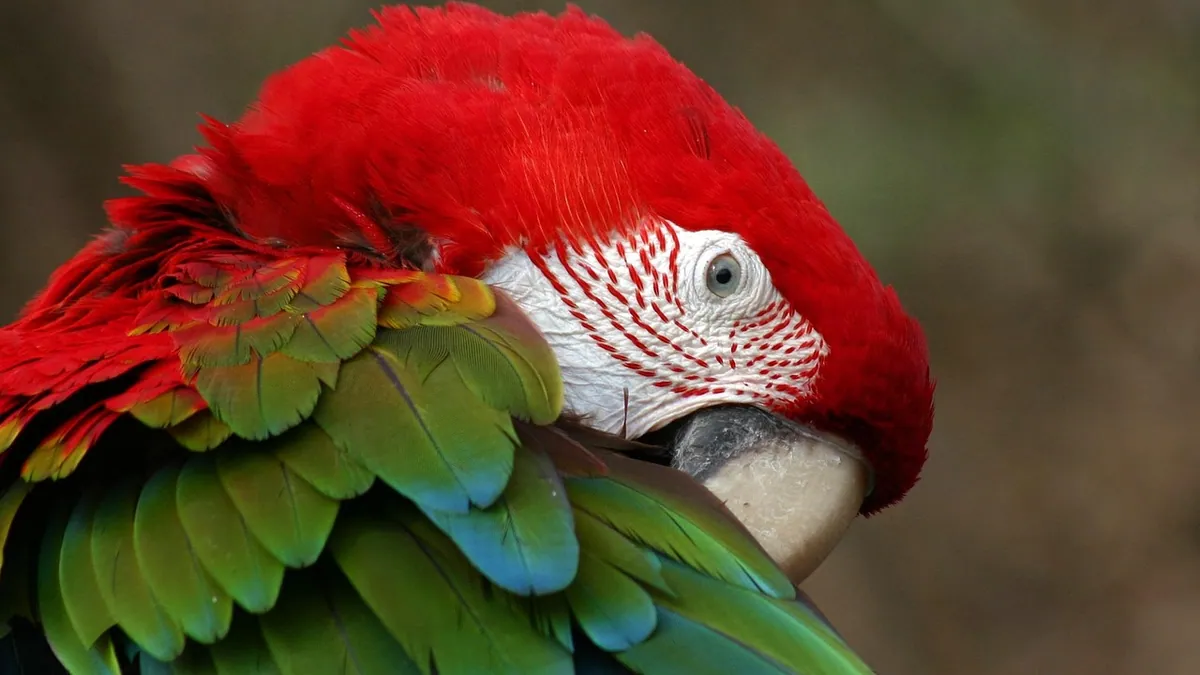
Parrots scratch for many reasons, and most of them are not serious. The most common causes are molting, dry indoor air, skin parasites such as mites, and irritants in the cage or home. This article is educational and is not a substitute for veterinary diagnosis or treatment.
Quick Answer
- Occasional scratching, preening, and shaking out feathers are normal bird behavior. Constant scratching, bare patches, or broken skin is not.
- Molting, low humidity, and dusty or scented air are everyday triggers that often improve with simple changes.
- Mites and other external parasites can cause intense itching, and they need veterinary treatment, not over-the-counter products made for mammals.
- Feather picking and self-mutilation are common in parrots and often have a behavioral component, especially in African grey parrots and cockatoos [1][2].
- If your bird has open sores, bleeding, or stops eating, call an avian veterinarian right away.
What Normal Scratching Looks Like
Birds scratch. A parrot will lift a foot to its head, rake through feathers, and nibble at the skin underneath. This is part of grooming, and it happens in short bursts throughout the day.
Normal grooming also includes preening. Your bird runs feathers through its beak to clean and align them. You may see loose feathers and a fine white powder called feather dust on surfaces near the cage.
The line between normal and abnormal is mostly about frequency and damage. A bird that scratches briefly after a bath is fine. A bird that scratches the same spot for minutes at a time, cries out, or leaves red skin behind needs a closer look.
Watch for these signs that something is wrong:
- Bald patches, especially on the chest, wings, or under the wings
- Red, raw, or crusty skin
- Broken or chewed feather shafts
- Scabs or bleeding
- Scratching that interrupts eating, sleeping, or playing
Why Is My Parrot Itching So Much? The Main Causes
Molting
Molting is the most common and most normal reason for extra scratching. During a molt, old feathers loosen and new ones push through. The skin around new feather shafts can feel tight and itchy.
Molts usually follow a pattern. You will see dropped feathers, pin feathers (new feathers still in their waxy sheath), and a bird that seems crankier than usual. Bathing helps soften the sheath and ease the itch.
Dry Skin and Low Humidity
Indoor air in winter is dry, and many homes run below the humidity that parrots do well in. Dry skin flakes, itches, and can lead to more scratching and preening.
Signs include flaky skin, dull feathers, and scratching that gets worse in heated homes. A shallow bath, a room humidifier, and misting can help. Do not soak your bird or leave it wet in a cold room.
Parasites: Mites and Other External Pests
Mites and other external parasites are a real cause of intense itching in birds. Affected birds scratch hard, often at night, and may be restless or lose weight.
Some mites live on the bird. Others live in cage crevices and feed on the bird at night. This is why a bird can look clean during the day and still be itchy.
Do not use mite sprays, powders, or shampoos made for dogs, cats, or livestock. Many of these products are toxic to birds. A veterinarian needs to confirm the diagnosis and choose a safe treatment.
Skin Infections and Wounds
Bacteria and yeast can infect skin that has already been damaged by scratching. One review of psittacine birds with superficial chronic ulcerative dermatitis found that African grey parrots made up 55% of affected birds, and the most commonly cultured bacteria were Enterobacter cloacae, Escherichia coli, and Staphylococcus aureus [3]. The axillae (the area under the wing) were the most common sites [3].
In that review, an underlying cause of behavioral self-mutilation with secondary bacterial infection was suspected in 10 of 11 cases [3]. In other words, the infection was often the result, not the root cause.
Feather Picking and Self-Mutilation
Feather picking is common in pet parrots. It is best described as a stereotypic behavior or an obsessive-compulsive disorder, and there is likely a genetic predisposition, which is why some species are overrepresented [2].
A case-control study found that the odds of feather picking were much higher in African grey parrots and cockatoos [1]. Birds that were out of the cage more than 8 hours a day also had higher odds, and birds taken in as rescues had higher odds [1]. Birds that interacted with people at least 4 hours a day had much lower odds [1].
That last finding matters. Social contact appears protective, while some forms of extra freedom without structure may not be.
Environmental Irritants
Cigarette smoke, scented candles, air fresheners, aerosol sprays, and strong cleaning products all irritate a bird's skin and airways. Pet birds have sensitive respiratory systems, and their feathers and skin pick up particles from the air.
Bird antigens themselves can cause allergic disease in people. One study described a patient who developed nasal and eye symptoms after exposure to budgerigars and parrots, with confirmed allergy to bird antigens [4]. Another report noted that pet birds may be as great an allergenic problem as cats and dogs, and that birds pollute the home environment with antigenic discharges from their skin [5]. If you have itchy eyes, sneezing, or wheezing around your bird, talk to your doctor.
Nutritional Problems
Poor diet can show up in the skin and feathers. A parrot on an all-seed diet may lack the vitamins, minerals, and fatty acids needed for healthy skin. Your veterinarian can review the diet and recommend changes.
Table: Cause, Clues, and Urgency
| Cause | Typical clues | How urgent |
|---|---|---|
| Molting | Seasonal, pin feathers, no bare skin | Routine |
| Dry skin or low humidity | Flaky skin, worse in winter, dull feathers | Routine |
| Mites or external parasites | Intense night scratching, restless, weight loss | See a vet soon |
| Bacterial or yeast skin infection | Red, crusty, or oozing skin | See a vet soon |
| Feather picking or self-mutilation | Chewed feathers, bald patches, no mites found | See a vet soon |
| Environmental irritants | Symptoms worse near smoke or scents | Remove trigger, then routine |
| Poor diet | Dull feathers, flaky skin, other health signs | Routine |
Red Flags That Make It an Emergency
Some signs mean you should stop reading and call a veterinarian now.
- Active bleeding from the skin or a broken blood feather
- Open wounds or deep self-inflicted sores
- Refusing to eat or drink
- Fluffed posture, sitting on the cage floor, or weakness
- Labored breathing, tail bobbing, or open-mouth breathing
- Vomiting or a sudden change in droppings
- Scratching that continues nonstop despite your best efforts
Birds hide illness well. By the time a parrot looks obviously sick, it may have been unwell for a while. When in doubt, call.
Safe Things You Can Do at Home While You Wait
You can take several low-risk steps before your appointment. None of these replace a diagnosis, but they can ease discomfort and give your veterinarian useful information.
Improve the Air and Humidity
Move the cage away from vents, kitchens, and drafty windows. Stop using scented candles, plug-in air fresheners, and aerosol sprays near the bird. Run a humidifier in the room and aim for comfortable indoor humidity.
Offer Bathing and Misting
Most parrots enjoy a shallow dish of water or a gentle mist. Bathing softens pin feathers during a molt and can calm itchy skin. Use plain water. Dry your bird in a warm room and never leave it damp in cool air.
Review the Diet
Write down everything your bird eats in a typical week, including treats. Bring that list to your appointment. If your bird eats mostly seeds, ask your veterinarian about a balanced pelleted diet and safe fresh foods.
Clean the Cage and Perches
Wash food and water dishes daily. Scrub perches and cage bars, and replace bedding or paper regularly. If parasites are suspected, your veterinarian will give specific cleaning instructions. Do not use harsh chemicals around your bird.
Reduce Stress and Increase Social Time
Feather picking is linked to arousal, conflict, and a lack of appropriate outlets [2]. Aim for at least 4 hours a day of interaction with people, since that was associated with much lower odds of feather picking [1]. Add foraging toys, chewables, and a predictable routine.
Keep a Simple Log
Note when the scratching happens, what body parts are involved, what your bird eats, and any recent changes in the home. This log helps your veterinarian narrow the list quickly.
Do Not Use Human or Pet Medications
Never apply hydrocortisone, antibiotic ointments, flea products, or human shampoos to your bird unless a veterinarian prescribes them. Bird skin absorbs chemicals easily, and many products are toxic.
If you also live with itchy pets, our guides on Why Is My Cat So Itchy? and Why Is My Dog So Itchy? cover similar questions for mammals. If your bird has sneezing or nasal symptoms along with the itching, see Why Is My Cat Sneezing So Much And Coughing for how allergy-related airway signs are evaluated in another species.
What the Veterinarian Will Check and Test
An avian veterinarian will start with a full history. Expect questions about diet, cage setup, sleep, social time, recent changes, and how long the scratching has been going on.
The physical exam focuses on the skin and feathers. Your veterinarian will look for mites, lice, flaky skin, broken feather shafts, scabs, and bald patches. They will also check the ears, nares, eyes, and body condition.
Common tests include:
- Skin scrapings and feather samples to look for parasites under a microscope
- Fungal and bacterial cultures from any sores
- Blood work to check organ function, infection, and nutrition
- Fecal testing for internal parasites
- Imaging if a mass, injury, or internal problem is suspected
Treatment depends on the cause. Parasites need species-appropriate medication. Infections need the right antibiotic or antifungal based on culture results. Behavioral feather picking often needs a combination of environment changes, training, and sometimes medication [2]. Your veterinarian will calculate any drug dose from your bird's weight and health, so never guess at a dose yourself.
Prevention and Monitoring
Prevention is mostly about consistency.
- Keep humidity comfortable and avoid smoke and scents.
- Feed a balanced diet and limit fatty treats.
- Provide daily social time and foraging opportunities.
- Clean the cage, dishes, and perches on a schedule.
- Weigh your bird weekly on a small kitchen scale and track the number.
- Schedule routine wellness exams, especially for African grey parrots and cockatoos, which are at higher risk for feather picking [1].
Take photos of any bare spots or sores every week. Photos show change over time better than memory does, and they help your veterinarian judge whether treatment is working.
Limitations and When to Contact a Veterinarian
This article cannot diagnose your bird. Every case needs a veterinarian who can examine the bird, run tests, and prescribe treatment.
Call an emergency clinic or avian veterinarian immediately if your bird is bleeding, has open wounds, is breathing hard, is weak, or has stopped eating.
Call the same day if you see new bald patches, red or crusty skin, intense night scratching, or a sudden change in behavior.
Schedule a routine visit if the scratching is mild but has lasted more than a few days, if it comes back after molting, or if you are unsure what is normal for your bird.
Frequently Asked Questions
Is itching during a molt normal?
Yes, mild itching during a molt is expected. New feathers push through tight skin, and the waxy sheaths can feel irritating. Offer baths and misting, and call your veterinarian if you see bare skin, sores, or scratching that never stops.
Can I use mite powder from a pet store on my parrot?
No. Products made for mammals can be toxic to birds, and the dose and ingredients are not designed for them. Your veterinarian can confirm whether parasites are present and prescribe a safe treatment for your species.
Does feather picking mean my parrot is bored?
Boredom can play a role, but feather picking is complex. It is classified as a stereotypic behavior or obsessive-compulsive disorder with a likely genetic component, and it often involves arousal, conflict, and a lack of appropriate outlets [2]. Treatment works best when it starts early and combines environment changes, training, and sometimes medication [2].
Could my bird's itching be caused by something in my home?
Yes. Smoke, scented candles, air fresheners, aerosols, and strong cleaners can all irritate a bird's skin and airways. Remove these items, improve ventilation, and add humidity, then watch whether the scratching improves.
Will my parrot stop scratching on its own?
Sometimes, if the cause is a molt or dry air. If the cause is parasites, infection, or a behavioral disorder, it usually gets worse without treatment. See your veterinarian if the scratching lasts more than a few days or if you see any skin damage.
Related Articles
- Parrot Feather Plucking Causes
- Why Is My Cockatiel Sneezing or Itching So Much?
- How to Tell If Your Parrot Has Mites: Signs and Treatment
- Why Does My Parrot Smell Bad? Causes and What to Do
- Avian Chlamydiosis (Psittacosis) in Pet Birds: Diagnostic Challenges and Molecular Detection
References
- Nonmedical factors associated with feather picking in pet psittacine birds. Journal of avian medicine and surgery, 2014.
- Feather picking and self-mutilation in psittacine birds. The veterinary clinics of North America. Exotic animal practice, 2001.
- Superficial Chronic Ulcerative Dermatitis (SCUD) in Psittacine Birds: Review of 11 Cases (2008-2016). Journal of avian medicine and surgery, 2018.
- Nasal allergy to avian antigens. Clinical allergy, 1987.
- Respiratory tract allergy to household pet birds. Annals of allergy, 1984.