Do Budgies Have a Sense of Smell? What Science Says
By Dr. Zubair Khalid, DVM, MS, PhD ·
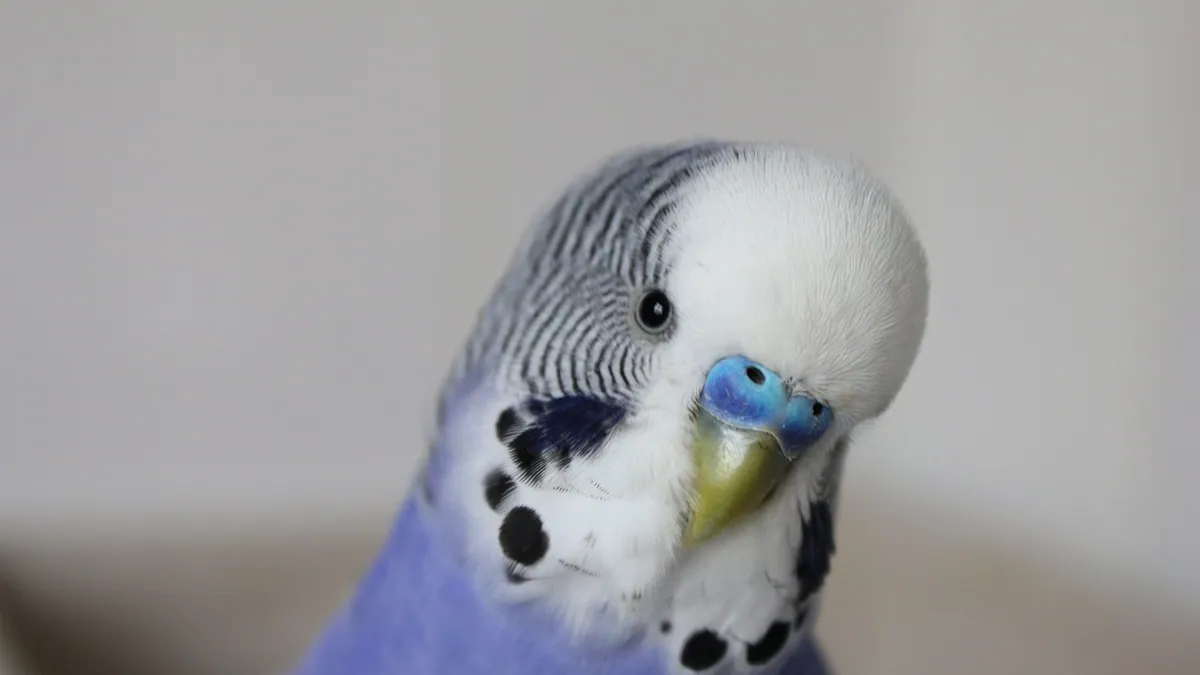
Yes, budgies have a sense of smell. Like other birds, they have working olfactory receptors and an olfactory bulb in the brain, so they can detect odors in the air around them [1][2]. Their sense of smell is not as sharp as a dog's, but it is real, and it affects how they explore food, choose mates, and react to fumes in your home. This article is educational and is not a substitute for veterinary diagnosis or treatment.
Quick Answer
- Budgies can smell. They have functional olfactory receptor genes and a normal olfactory bulb, the brain structure used for processing smells [1][2].
- Their sense of smell is moderate, not weak. It is best suited to detecting food, predators, and social cues instead of tracking scents over long distances [3].
- Scent matters for safety. Strong fumes from nonstick cookware, cleaning products, scented candles, and aerosol sprays can harm a budgie's sensitive respiratory system, so keep the air around the cage clean.
- You can use smell for enrichment. Offering a variety of fresh foods with different aromas gives your budgie mental stimulation and choice.
- A sudden change in how your budgie smells, or a new odor from the beak or droppings, is a reason to call your veterinarian.
Do Budgies Have a Good Sense of Smell?
Budgies fall in the middle of the bird world when it comes to smelling. They are not in the same league as species like the kakapo or brown kiwi, which are nocturnal and rely heavily on scent to find food in the dark [4]. Those birds have evolved larger repertoires of olfactory receptor genes and more intact copies of those genes than their day-active relatives [4].
Budgies are day-active, visual birds. They use their eyes and ears first when they fly, find food, and communicate. Still, their olfactory system is not a leftover body part. A broad review of olfactory bulb size across 135 bird species found that bulb size varies with brain size, ecology, and evolutionary history, and that even birds with small bulbs still have a working sense of smell [3]. The old idea that birds cannot smell at all has been replaced by a more accurate picture: birds have diverse olfactory abilities, and some groups are quite good at it [2].
Parrots are one of those groups. A 2023 study tested five Costa Rican bird species, including scarlet macaws and two amazon parrot species, with a three-choice scent test using water, vinegar, and a mix of papaya and banana juice [5]. The macaws spent significantly more time interacting with the fruit scent container, which shows they could detect the volatile chemicals released by ripe fruit [5]. Budgies are parrots too, so this finding supports the idea that your bird can pick up on food odors, even if the study did not test budgies directly.
What Budgie Olfactory Ability Means in Practice
Your budgie can probably tell that a piece of fruit is ripe before touching it. It can likely notice the difference between fresh food and food that has started to turn. It may also use smell when choosing a mate or recognizing a familiar bird, though this is harder to measure in a home setting.
What your budgie cannot do is smell a gas leak from another room or track a scent trail like a bloodhound. Its nose is a tool for close-range decisions, not long-distance detection.
Why Does My Budgie Smell?
A healthy budgie has a mild, natural odor. Most owners describe it as slightly dusty or like clean feathers. That smell comes from the bird's feathers, skin oils, and the powder down that budgies produce to keep their plumage waterproof and insulated.
If your budgie smells stronger than usual, or the smell is new, that is a signal worth paying attention to. Birds hide illness well, and odor is sometimes the first clue that something is wrong.
Normal Reasons for a Change in Smell
- Diet. A budgie that just ate a piece of apple or a leafy green may have a faint fruity or grassy smell on its beak.
- Bathing. A budgie that just bathed in plain water may smell like damp feathers for a few hours.
- Environment. If you recently changed cage bedding, added a new toy, or used a new cleaning product nearby, the bird may pick up that scent on its feathers.
- Hormones. During breeding season, some budgies develop a slightly stronger body odor. This is usually mild and goes away on its own.
Medical Causes to Rule Out
A bad or unusual smell from your budgie is often a medical problem. The most common causes include:
- Respiratory infection. A bacterial or fungal infection in the sinuses or airways can produce a foul or musty odor from the beak or nostrils.
- Crop infection. The crop is a pouch where food is stored before digestion. An infection there can cause a sour or yeasty smell on the breath.
- Dental or beak problems. Overgrown or damaged beak tissue can trap food and bacteria, leading to a bad smell.
- Skin or feather infection. Bacterial or fungal skin infections can make the feathers smell musty or rotten.
- Droppings. If the cage smells strongly of droppings, the issue may be diarrhea, a diet problem, or an infection in the digestive tract.
If your budgie's breath smells bad, the same rule applies to birds as it does to other pets. Bad breath is a symptom, not a normal trait. You can read more about how odor signals health problems in Why Does My Cat's Breath Smell? and Why Does My Dog's Breath Smell Like Metal? Causes & Veterinary Solutions. The underlying principle is the same: a new smell from the mouth usually means something needs a veterinary look.
When Does Smell Become a Problem?
Smell becomes a problem in two situations. The first is when your budgie's own odor changes and stays changed. The second is when something in the environment smells strong enough to irritate your bird's airways.
Birds have highly efficient respiratory systems. They have air sacs throughout their bodies and they breathe more efficiently than mammals of similar size. That efficiency is great for flight, but it also means they absorb airborne toxins faster. A scent that seems mild to you can be concentrated for a small bird in a cage.
Environmental Smells That Harm Budgies
- Nonstick cookware fumes. Overheated nonstick pans release fumes that can kill a bird within minutes. This is a well-known avian emergency.
- Scented candles, incense, and air fresheners. These release volatile chemicals that can irritate the eyes, nose, and lungs.
- Aerosol sprays. Hairspray, perfume, and cleaning sprays send fine particles into the air that a budgie will inhale.
- Smoke. Cigarette smoke, marijuana smoke, and wood smoke are all harmful to birds.
- Strong cleaning products. Bleach, ammonia, and oven cleaners can cause respiratory distress if used near a bird.
- Teflon and other coatings. Any heated nonstick surface is a risk.
If you can smell it strongly, your budgie is breathing it. Move the bird to a well-ventilated room before you clean, cook, or spray anything.
What to Do Step by Step
1. Check Your Budgie's Baseline Smell
Get to know what your bird normally smells like. Handle your budgie gently or sit close to the cage and take a light sniff near the back of the neck. Do this when the bird is calm and dry. Once you know the normal smell, you will notice changes faster.
2. Improve Air Quality
Ventilate the room where the cage sits. Open a window when weather allows, or use an air purifier with a HEPA filter. Avoid any product that releases synthetic fragrance. If you cook with nonstick pans, move the bird to another room or switch to stainless steel, cast iron, or ceramic cookware.
3. Use Scent for Enrichment
Offer a rotating variety of fresh foods with different natural aromas. Try small pieces of apple, banana, papaya, mango, carrot, broccoli, and leafy greens. The 2023 parrot study showed that macaws and amazons respond to fruit odors, so your budgie may enjoy investigating new smells as part of foraging [5]. You can also hide food in paper cups or foraging toys so your bird has to use its senses to find it.
Do not use essential oils, perfumes, or scented toys around your budgie. Natural food smells are safe. Synthetic fragrances are not.
4. Keep the Cage Clean
Clean food and water dishes daily. Replace cage liner every day or two. A clean cage reduces the chance that your budgie picks up odors from droppings or spoiled food. If the cage itself smells bad even after cleaning, that is a sign to check your bird's droppings and overall health.
5. Watch for Breathing Changes
A budgie with irritated airways may breathe with its mouth open, tail bob, wheeze, or sit fluffed at the bottom of the cage. These are emergency signs. Move the bird to fresh air and call your veterinarian right away.
What Not to Do
- Do not punish your budgie for a bad smell. A bird cannot control its body odor. Punishment will only make it afraid of you.
- Do not use scented products to mask a bad smell. If your bird smells bad, the answer is a veterinary exam, not a candle.
- Do not assume birds cannot smell. That myth has been corrected by modern research [1][2]. Your budgie can detect odors, and its respiratory system is more vulnerable to airborne toxins than yours.
- Do not use essential oil diffusers around birds. Even "natural" oils can cause serious respiratory damage in small birds.
- Do not ignore a sudden change in smell. A new odor from the beak, skin, or droppings is a medical clue.
When to Involve a Veterinarian or Behavior Professional
Call an avian veterinarian if your budgie has bad breath, a musty or rotten body odor, or droppings that smell unusually strong. These signs often point to infection, and birds can decline quickly without treatment.
Call an emergency clinic immediately if your budgie is breathing with its mouth open, making clicking or wheezing sounds, sitting fluffed and unresponsive, or has been exposed to smoke, fumes, or aerosol spray. Respiratory emergencies in birds can become life-threatening within hours.
Schedule a routine visit if you notice a mild but persistent change in odor, a change in appetite, or a change in droppings that lasts more than a day or two. Your veterinarian will examine the bird, check its weight, and decide whether testing is needed. Any medication dose will be calculated by your veterinarian based on your bird's weight and health, so never give a medication on your own.
If your budgie shows repetitive behavior like feather plucking, head bobbing, or constant cage pacing, a certified avian behavior consultant can help you identify triggers and build a better environment. Behavior problems and health problems often overlap, so start with a veterinary exam.
Limitations and When to Contact a Veterinarian
The research on bird smell is growing, but it is still limited. Most olfactory studies focus on wild species, not pet budgies in home cages. That means we can say with confidence that budgies can smell, but we cannot give exact numbers for how well they smell compared to other birds. Individual cases need a veterinarian who can examine your bird in person.
Contact your veterinarian the same day if you notice:
- Bad breath that appeared suddenly
- A musty, sour, or rotten smell from the body or droppings
- Sneezing, nasal discharge, or eye discharge
- A change in droppings that lasts more than 24 hours
- Your budgie eating less or sitting fluffed
Go to an emergency clinic now if you see:
- Open-mouth breathing or tail bobbing
- Wheezing, clicking, or gasping sounds
- Exposure to smoke, nonstick fumes, or aerosol spray
- Collapse, weakness, or inability to perch
- Bleeding or a visible injury
Schedule a routine visit if you notice:
- A mild odor change that lasts more than a few days
- Gradual weight loss or a change in body condition
- Feather loss, plucking, or skin irritation
- Any behavior change that concerns you
Frequently Asked Questions
Can budgies smell food?
Yes, budgies can detect food odors. A study on macaws and amazon parrots found that these birds spent significantly more time investigating a container with fruit juice scent than containers with water or vinegar [5]. Budgies are parrots too, so they likely use smell to evaluate ripe fruit and other foods.
Do budgies have a better sense of smell than humans?
No, budgies do not have a better sense of smell than humans. Their olfactory system is functional but moderate compared to mammals and to bird species like kiwis and kakapos that rely heavily on scent [4][3]. They use smell as one of several senses, alongside vision and hearing.
Why does my budgie smell bad?
A bad smell from a budgie usually points to a health problem. Common causes include respiratory infections, crop infections, skin infections, and dental or beak issues. If the smell is new and persistent, have your bird examined by an avian veterinarian.
Are scented candles safe around budgies?
No, scented candles are not safe around budgies. Birds have highly efficient respiratory systems and can absorb airborne chemicals faster than mammals. Any product that releases synthetic fragrance, smoke, or fine particles can irritate or damage a budgie's airways.
Can I use smell to train my budgie?
You can use smell as part of enrichment, but not as a primary training tool. Budgies respond best to visual and auditory cues, such as your voice, hand signals, and treats. Offering different food aromas in foraging toys gives mental stimulation and lets your bird use its natural senses.
Related Articles
- Do Parrots Understand What They Say? What Science Says
- Do Budgies Dream? Bird Sleep and REM Explained
- Do Budgies Fart? Bird Digestion and Gas Explained
References
- Avian olfactory receptor gene repertoires: evidence for a well-developed sense of smell in birds?. Proceedings. Biological sciences, 2008.
- Evolution of olfaction in non-avian theropod dinosaurs and birds. Proceedings. Biological sciences, 2011.
- Diversity in olfactory bulb size in birds reflects allometry, ecology, and phylogeny. Frontiers in neuroanatomy, 2015.
- Evidence for increased olfactory receptor gene repertoire size in two nocturnal bird species with well-developed olfactory ability. BMC evolutionary biology, 2009.
- Onto the sense of smell in macaws, amazons and toucans: can they use volatile cues of fruits to make foraging decisions?. Integrative zoology, 2023.