Can Budgies Eat Tomatoes? Leaves and Fruit Safety
By Dr. Zubair Khalid, DVM, MS, PhD ·
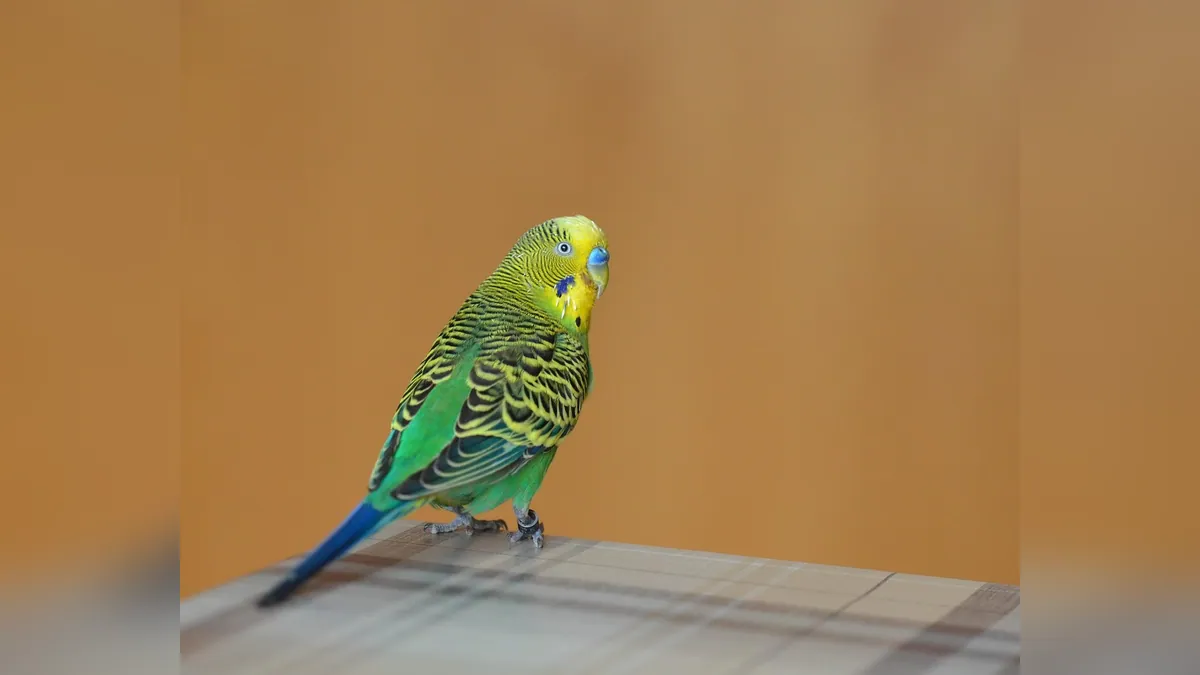
Can budgies eat tomatoes? Yes, a small piece of ripe tomato fruit is safe for most budgies, but the leaves, stems, and unripe green parts are not. The fruit itself is not a required food, so it works best as an occasional treat. This article is educational and is not a substitute for veterinary diagnosis or treatment.
Quick Answer
- Ripe red tomato flesh is safe in small amounts, roughly a piece the size of your bird's head once or twice a week.
- Tomato leaves, stems, and vines are toxic to budgies and should never be offered.
- Green (unripe) tomatoes contain higher levels of solanine and should be avoided.
- Remove seeds and any stem or leaf material before offering tomato to your bird.
- Never give a budgie tomato products with added salt, sugar, garlic, onion, xylitol, or preservatives.
Can Budgies Eat Tomatoes? The Safe or Unsafe Verdict
Ripe tomato fruit is generally safe for budgies and parakeets. The flesh of a fully ripe red tomato does not contain the dangerous concentrations of solanine found in the rest of the plant. A tiny piece is fine as an occasional treat.
The confusion comes from the fact that tomatoes belong to the nightshade family. The fruit is the part that ripens, and the leaves, stems, and roots carry the plant's chemical defenses. Wild parrots regularly eat plant foods that contain defensive compounds, and they select foods based on nutrient content and avoid heavily defended plant parts [1]. That is the same principle you apply at home. Offer the ripe fruit, skip the rest of the plant.
If you are also wondering about other foods you share with pets, the same solanine logic applies across species. You can read more about how ripe versus green tomatoes affect dogs in Can Dogs Eat Tomatoes? Solanine Toxicity & Ripe vs Green.
Can Parakeets Eat Tomatoes Every Day?
No. Tomato should be a treat, not a staple. Budgies need a balanced base diet of formulated pellets, seeds, and fresh vegetables. A tomato piece once or twice a week is plenty. Daily feeding of any single fruit can crowd out the nutrients your bird actually needs.
Do Parakeets Eat Tomatoes in the Wild?
Parrots in the wild eat a wide range of plant parts, including fruits, seeds, flowers, leaves, and bark [1]. Tomato is a cultivated plant, not a native wild food for most parakeets, so there is no natural pattern of daily tomato eating to copy. Treat it as a novel food you introduce carefully.
Nutritional Content and Any Real Benefit
Ripe tomato is mostly water. It provides small amounts of vitamin C, vitamin A precursors, potassium, and fiber. For a budgie, the amounts are tiny because the portion is tiny.
The real benefit of offering tomato is variety and enrichment. Budgies are curious birds, and a new food texture can keep mealtime interesting. That said, tomato is not a meaningful source of calories or protein for a bird that weighs roughly 30 to 40 grams.
Vitamin A deserves a specific caution. Adult cockatiels at maintenance developed toxicity signs when fed diets containing 3,000 micrograms of vitamin A per kilogram or more, with effects including pancreatitis and changes in behavior [2]. That finding was in cockatiels, not budgies, but it shows that more vitamin A is not automatically better for psittacine birds. Do not feed tomato as a way to boost vitamin A. Use a balanced diet instead.
Risks of Feeding Tomato to Budgies
Solanine and Tomatine Toxicity
Solanine and related glycoalkaloids are the plant's natural defenses. They are concentrated in leaves, stems, and unripe fruit. Ripe red fruit has much lower levels. This is why the ripe fruit is acceptable and the plant is not.
Green Tomatoes for Birds
Green tomatoes are unripe fruit, and they carry higher glycoalkaloid levels than ripe red ones. Avoid them entirely. This applies to fried green tomatoes, green tomato salsa, and any dish built around unripe tomato. If you want a fuller explanation of how green versus ripe tomatoes differ in risk, see Can Dogs Eat Tomatoes? Solanine Toxicity & Ripe vs Green.
Tomato Leaves for Budgies
Tomato leaves and stems should never be in your bird's cage. A budgie that shreds a leaf and swallows pieces can develop drooling, vomiting, diarrhea, weakness, or neurological signs. Remove any tomato plant from rooms where your bird flies free.
Choking and Crop Problems
Budgies have small throats and a crop, which is a pouch where food is stored before digestion. Large chunks of tomato can lodge in the mouth or crop. Cut pieces small, about the size of a pea or smaller, and never leave a whole cherry tomato in the cage.
GI Upset
Too much tomato, or any new food, can cause loose droppings. Introduce one new food at a time and watch droppings for 24 hours.
Additives That Are Dangerous
Tomato sauce, ketchup, salsa, tomato soup, and sun-dried tomatoes in oil often contain salt, sugar, garlic, onion, xylitol, or preservatives. Garlic and onion damage red blood cells in birds. Xylitol causes dangerous hypoglycemia. Salt can cause dehydration and neurological signs. None of these belong in a budgie's dish.
Seeds and Stems
Tomato seeds are usually swallowed without issue in small amounts, but the stem cap and any attached leaf material must be removed. The stem is part of the toxic plant structure.
How to Offer Tomato Safely
Which Parts Are Safe
| Form | Safe? | Notes |
|---|---|---|
| Ripe red tomato flesh | Yes, in small amounts | Remove stem, leaves, and seeds if possible |
| Ripe cherry tomato | Yes, cut up | Cut into pea-sized pieces, never whole |
| Green (unripe) tomato | No | Higher glycoalkaloid content |
| Tomato leaves and stems | No | Toxic plant parts |
| Tomato vine or plant | No | Keep away from birds entirely |
| Ketchup, salsa, tomato sauce | No | Salt, sugar, garlic, onion, xylitol risk |
| Sun-dried tomato in oil | No | Oil, salt, and preservatives |
| Canned tomato | No | Added sodium and preservatives |
| Tomato juice | No | Concentrated, often salted |
Step by Step
- Choose a fully ripe red tomato. Wash it under running water.
- Cut out the stem and any green or leafy material.
- Slice a piece no larger than your budgie's head.
- Cut that piece into pea-sized or smaller chunks.
- Offer it in a shallow dish, not clipped to the cage where it can spoil.
- Remove uneaten tomato after 2 hours, especially in warm weather.
- Watch droppings and behavior for the next day.
Portion Guidance
A reasonable serving is one small piece, about the size of a pea to a small grape, once or twice a week. If your budgie is new to tomato, start with a piece the size of a grain of rice and increase only if there are no digestive problems.
Preparations to Avoid
Skip anything cooked with oil, butter, salt, or seasoning. Skip tomato paste, powder, and juice. Skip tomato from a salad that contains onion or dressing. Skip tomato that has been sitting out at room temperature for hours.
What to Do If Your Budgie Ate Too Much or a Dangerous Form
Stay calm and assess what was eaten and how much.
If your bird ate a small amount of ripe tomato flesh, watch for droppings changes and offer fresh water. Most mild cases resolve without treatment.
If your bird ate tomato leaves, stems, a green tomato, or a seasoned tomato product, contact your avian veterinarian or an animal poison control service right away. Do not wait for symptoms. Bring the plant or product label with you if you can.
Signs that need urgent care include vomiting, drooling, diarrhea, weakness, difficulty breathing, tremors, or a fluffed, unresponsive posture. A budgie that stops eating or sits on the cage floor is a sick bird.
Treatment depends on the toxin and the bird's weight and health. Your veterinarian calculates any dose or treatment plan from your bird's specific weight and condition. Never give a home remedy or human medication without veterinary guidance.
Safer Alternatives for Budgies
If you want to add fresh food to your budgie's diet, these options are widely used and lower risk:
- Leafy greens such as romaine, kale, and spinach (small amounts)
- Broccoli florets
- Carrot slices
- Bell pepper pieces
- Cooked sweet potato
- Apple without seeds
- Blueberries and strawberries
- Cooked brown rice or quinoa in small amounts
For a broader look at how fruit pits and skins can carry cyanide compounds in other species, see Can Dogs Eat Nectarines? Pit Cyanide and Skin Safety. The same caution about seeds and pits applies to many fruits you might share with a bird.
Limitations and When to Contact a Veterinarian
This article covers general guidance. Individual cases need a veterinarian. Budgies hide illness well, and a bird that looks slightly off can decline quickly.
Contact your avian veterinarian the same day if your budgie ate tomato leaves, stems, or a green tomato, or if you see drooling, vomiting, diarrhea, or a change in droppings.
Go to an emergency clinic now if your bird has trouble breathing, cannot perch, has tremors or seizures, or is unresponsive.
Schedule a routine visit if your budgie has had repeated loose droppings, is losing weight, or has stopped eating for more than a few hours. Bring a fresh dropping sample in a clean plastic bag if you can.
Frequently Asked Questions
Can parakeets eat tomatoes safely?
Yes, ripe red tomato flesh is safe for parakeets in small amounts. Avoid the leaves, stems, and green fruit. Keep portions tiny and offer tomato only as an occasional treat.
Are tomato leaves toxic to budgies?
Yes. Tomato leaves and stems contain solanine and related compounds that are toxic to birds. Even a small amount can cause digestive or neurological signs, so keep all tomato plant material out of your bird's reach.
Can budgies eat green tomatoes?
No. Green tomatoes are unripe and carry higher levels of glycoalkaloids than ripe red fruit. Skip them entirely, including fried green tomatoes and green tomato salsa.
How much tomato can a budgie have?
A piece about the size of a pea, once or twice a week, is a reasonable treat. If your bird is trying tomato for the first time, start smaller and watch for digestive upset.
What should I do if my budgie ate a tomato leaf?
Call your avian veterinarian or animal poison control right away. Do not wait for symptoms to appear. Bring the plant material or a photo with you so the veterinarian can identify what was eaten.
Related Articles
- Can Parrots Eat Tomatoes? Leaves, Stems, and Fruit Safety
- Can Budgies Eat Cucumbers? Safe Serving Tips
- Can Budgies Eat Lettuce? Types and Serving Tips
References
- Parrots eat nutritious foods despite toxins. PloS one, 2012.
- Adult cockatiels (Nymphicus hollandicus) at maintenance are more sensitive to diets containing excess vitamin A than to vitamin A-deficient diets. The Journal of nutrition, 2003.