Why Is My Budgie Eating So Much? Causes to Check
By Dr. Zubair Khalid, DVM, MS, PhD ·
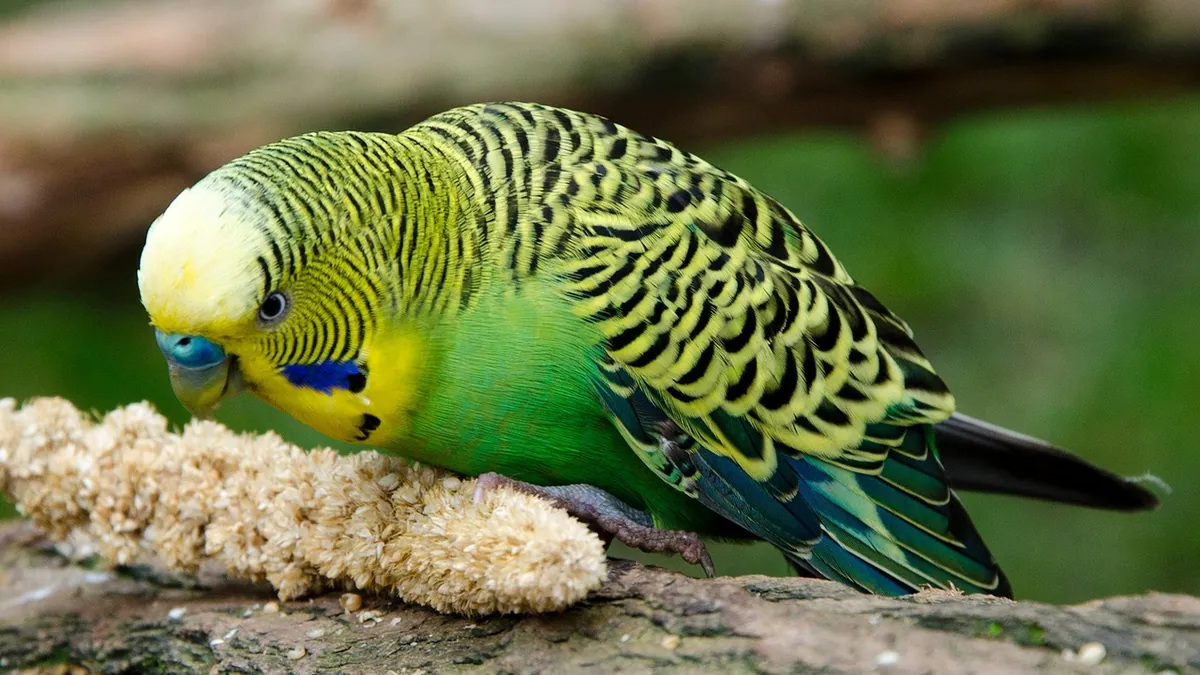
A budgie that suddenly eats more is often responding to a normal change like cold weather, molting, or breeding. Sometimes, though, a bigger appetite is the first clue to a health problem, including diabetes or poor nutrient absorption. If you are asking why is my budgie eating so much, the answer starts with a short checklist of what else has changed.
This article is educational and is not a substitute for veterinary diagnosis or treatment.
Quick Answer
- A true increase in appetite means your budgie eats more food than usual but still maintains or loses weight. If weight is climbing, the diet is usually the issue.
- Normal reasons include cold room temperatures, molting, egg laying, and a switch to a lower-calorie or less digestible food.
- Sick birds can eat more and still lose weight. This pattern points to malabsorption, diabetes, or another internal disease.
- Weigh your budgie weekly on a small gram scale. A drop of 5 to 10 percent of body weight is a reason to call your avian vet.
- Any budgie that eats more plus shows lethargy, vomiting, or loose droppings needs a veterinary visit, not a wait-and-see approach.
What "Eating More" Actually Means in a Budgie
Budgies are small, so small changes matter. A healthy adult budgie typically weighs between 30 and 40 grams, though this varies with breed and body type. Because the bird is so light, a few grams of change can be significant.
An increased appetite means your bird is consuming more seed, pellets, or fresh food than it did before. The important question is what happens to body weight at the same time. A budgie that eats more and gains weight is usually getting too much energy. A budgie that eats more and loses weight is using energy it cannot absorb or store properly.
Owners often notice the food dish emptying faster before they notice anything else. That is why a kitchen scale and a weekly weight log are two of the most useful tools you own.
Signs Owners Notice Alongside a Bigger Appetite
Watch for these changes, because they help your vet sort normal from abnormal:
- Weight loss despite eating more
- Feathers that look dull, thin, or slow to regrow
- More time on the cage floor or fluffed up
- Vomiting or head shaking after meals
- Droppings that are watery, greasy, or unusually pale
- Drinking more water than usual
- Reduced singing, talking, or activity
- A swollen or discolored beak or cere
Some of these signs overlap with problems in other pets. If you keep multiple species, our guide on why is my dog drinking so much water explains how increased thirst can signal disease in dogs, and the same logic of tracking intake and output applies to birds.
Common Causes of a Budgie Increased Appetite
Normal, Everyday Reasons
Cold temperatures are the most common harmless cause. Birds burn more calories to stay warm, so they eat more. If your budgie's room drops below its usual range, expect a bigger appetite.
Molting is another normal cause. Growing new feathers takes protein and energy, so appetite rises during a heavy molt.
Breeding activity matters too. A hen forming eggs needs extra calories and calcium. A pair feeding chicks will eat far more than usual. This is normal and expected.
A change in food can also look like an appetite increase. If you switch to a food with more filler or less fat, your bird may eat more to get the same energy.
Health Problems That Cause Increased Appetite
When a bird eats more but does not thrive, the cause is usually medical.
Malabsorption is a broad category. The gut cannot pull nutrients from food, so the bird eats more to compensate. Intestinal parasites, liver disease, and tumors can all cause this pattern. One case report described a 17-year-old conure with weight loss and increased appetite, and necropsy found cancer in the liver and throughout the stomach and intestine [1]. That is an extreme example, but it shows why appetite change plus weight loss deserves a workup.
Diabetes mellitus is another possibility. A 3-year-old nanday conure was presented with lethargy, excessive urination, and excessive thirst, along with persistent high blood sugar [2]. Birds with diabetes can eat heavily while losing condition. The classic trio of eating more, drinking more, and urinating more should always prompt a vet visit.
Parasites are common in budgies. A 20-year study of budgerigars in a Vienna clinic found Trichomonas gallinae in 38.39 percent of the birds tested [3]. Most of those positive birds showed no typical signs at all, and 58.3 percent had no clinical signs [3]. This tells us that a budgie can carry a gut parasite and still look fine, which is one reason a fecal check is so useful.
Beak and feather disease is a viral illness that causes weight loss and abnormal feather and beak growth [4]. Appetite changes can appear as the bird tries to compensate for lost condition.
Beak tumors are rare but reported. A review of nine cases found that most beak tumors were squamous cell carcinoma, and common signs included chronic weight loss and difficulty swallowing [5]. A budgie with a beak problem may eat more slowly, drop food, or seem hungrier because it cannot eat efficiently.
Risk Factors to Keep in Mind
- Age. Older birds have higher rates of tumors and organ disease.
- Housing. Cold, drafty rooms raise calorie needs.
- Diet. All-seed diets are low in many nutrients and can drive overeating.
- Flock status. A new cagemate can cause competition at the food dish.
- Parasite exposure. New birds or outdoor contact raise risk.
- Breeding. Hens laying eggs have much higher energy needs.
How Veterinarians Sort This Out
Your avian vet will start with a full history. Bring your weight log, a sample of the current food, and photos of the droppings if you can.
The physical exam checks body condition, feather quality, beak and cere health, and breathing. The vet will also feel the abdomen for swelling or masses.
Common tests include:
- A gram stain or fecal float to look for parasites and abnormal bacteria
- A crop wash, which is how trichomonads are often found [3]
- Blood work to check blood sugar, liver values, and inflammatory markers
- Imaging such as radiography to look for masses or organ changes
- A beak or tissue biopsy if a growth is present
In the conure with cancer, blood work showed high inflammatory markers and radiography found a mass near the liver [1]. That is a good example of how basic tests point toward a diagnosis.
Your vet calculates any medication dose from your bird's weight and health status. Never use a dose meant for another species or another bird.
A Simple Tracking Table
| What to Track | How Often | What Is Concerning |
|---|---|---|
| Body weight in grams | Weekly, same time of day | Any drop of 5 to 10 percent |
| Food consumed | Daily, rough estimate | Sudden doubling with weight loss |
| Water intake | Daily, rough estimate | Clear increase with wet droppings |
| Droppings | Daily | Watery, greasy, pale, or bloody |
| Activity and vocalization | Daily | Less singing, more fluffed posture |
| Feather condition | Weekly | Dull, thin, or slow regrowth |
This table is a starting point, not a diagnosis. Your vet will interpret the pattern with an exam and testing.
Treatment Options
Treatment depends entirely on the cause.
For parasites, metronidazole treatment was successful in 82 to 85 percent of cases in the Vienna budgerigar study [3]. Your vet will confirm the diagnosis first and then calculate the correct dose for your bird.
For diabetes, treatment centers on insulin and diet management. The nanday conure in the case report needed long-acting insulin twice daily, with doses adjusted using serial blood glucose curves [2]. This kind of monitoring is done by a veterinarian, not at home without guidance.
For liver or intestinal disease, care may include supportive fluids, a modified diet, and treatment of the underlying problem. In the conure with cancer, supportive care helped briefly but the bird's condition declined [1]. Some conditions are manageable but not curable.
For beak tumors, surgery or palliative care may be options depending on the tumor type and location [5].
For simple causes like cold or molt, the fix is environmental. Warm the room, offer a balanced diet, and provide extra protein during molt.
Recovery, Outlook, and Long-Term Management
Outlook depends on the cause. A budgie that eats more because of cold or molt returns to normal within days to weeks once conditions improve.
A budgie with parasites often improves quickly with treatment. The Vienna study showed most treated birds responded [3].
Birds with diabetes need lifelong management. The conure in the report improved with insulin but later died from complications [2]. Diabetes in birds is serious and needs ongoing veterinary care.
Birds with tumors or organ disease have a guarded outlook. Early detection gives the best chance of comfort and quality of life.
Long term, keep weighing your bird weekly. Keep a food and water log. Keep the room at a stable, comfortable temperature. Feed a balanced diet with pellets, fresh vegetables, and limited seed.
If you also care for mammals, appetite changes in other species follow similar rules. Our articles on why is my dog not eating and why is my dog losing weight cover the same principle: intake plus weight trend tells the story.
Prevention
You cannot prevent every illness, but you can lower risk.
- Feed a balanced diet. Pellets should form the base, with fresh vegetables daily.
- Keep the room warm and draft free. Sudden cold drives appetite up.
- Quarantine new birds before adding them to your flock.
- Schedule annual wellness exams with an avian vet.
- Test new birds for parasites and viruses.
- Weigh your budgie weekly and write it down.
- Keep the cage clean to reduce parasite and bacterial exposure.
- Provide a cuttlebone or mineral block, especially for hens.
- Watch for beak changes and report them early.
Limitations and When to Contact a Veterinarian
This article cannot tell you what is wrong with your specific bird. Only a veterinarian who examines your budgie can do that.
Contact an emergency clinic right away if your budgie:
- Is gasping, tail bobbing, or sitting fluffed on the cage floor
- Has blood in the droppings or is straining to pass droppings
- Cannot stand or is having seizures
- Has a prolapsed vent or is egg bound
Call your vet the same day if your budgie:
- Loses 5 to 10 percent of body weight
- Vomits repeatedly
- Has a sudden, large increase in appetite with wet droppings
- Stops eating entirely after a period of eating more
- Shows a swollen or discolored beak
Schedule a routine visit soon if your budgie:
- Eats more but weight is stable and droppings look normal
- Has a mild change in activity or singing
- Has a slow change in feather quality
Individual cases need a veterinarian. When in doubt, call. A short exam and a fecal test can rule out a lot.
Frequently Asked Questions
Is it normal for a budgie to eat more in winter?
Yes, this is common and usually harmless. Birds burn extra calories to stay warm when room temperatures drop. If your budgie eats more in cold weather but keeps a steady weight and normal droppings, the appetite change is likely normal. Warm the room slightly and keep monitoring weight.
Can a budgie eat more and still lose weight?
Yes, and this pattern is a warning sign. Eating more while losing weight suggests the body cannot absorb or use nutrients properly. Causes include parasites, liver disease, tumors, and diabetes. A bird with this pattern needs a veterinary exam and testing.
Do cockatiels and parrots show the same appetite changes?
Yes, the same principles apply across pet birds. A cockatiel or parrot that suddenly eats more may be responding to cold, molt, or breeding, or may have an underlying disease. The checklist is the same: track weight, droppings, water intake, and activity. Any bird losing weight despite a good appetite needs a vet.
Could a gerbil or other small pet have the same problem?
The species differ, but the logic is similar. A small pet that eats more than usual while losing weight may have a metabolic or digestive problem. If you keep gerbils or other rodents, track their weight and droppings the same way. A veterinarian who treats that species should evaluate any lasting change.
What should I do first if my budgie's appetite jumps?
Start by weighing your budgie and writing down the number. Then note food intake, water intake, and dropping appearance for two or three days. If weight is stable and droppings look normal, watch closely. If weight drops or droppings change, call your avian vet.
Related Articles
- Why Is My Budgie Throwing Up Seeds? Regurgitation Explained
- Why Is My Budgie or Cockatiel Sleeping So Much?
- Do Budgies Fart? Bird Digestion and Gas Explained
- Macrorhabdus ornithogaster (Megabacteriosis) in Budgerigars: Wasting Disease and Diagnosis
References
- Internal papillomatosis with intrahepatic cholangiocarcinoma and gastrointestinal adenocarcinoma in a peach-fronted conure (Aratinga aurea). Avian diseases, 2002.
- Diabetes mellitus in a nanday conure (Nandayus nenday). Journal of avian medicine and surgery, 2008.
- The prevalence of Trichomonas gallinae in budgerigars (Melopsittacus undulatus) in a Veterinary Clinic in Vienna between 2000-2019. Veterinarni medicina, 2021.
- Evidence for specificity of psittacine beak and feather disease viruses among avian hosts. Virology, 2003.
- Beak neoplasia in avian species: description of nine cases. Journal of comparative pathology, 2025.