Do Cockatiels and Budgies Need to Be in Pairs? Pros and Cons
By Dr. Zubair Khalid, DVM, MS, PhD ·
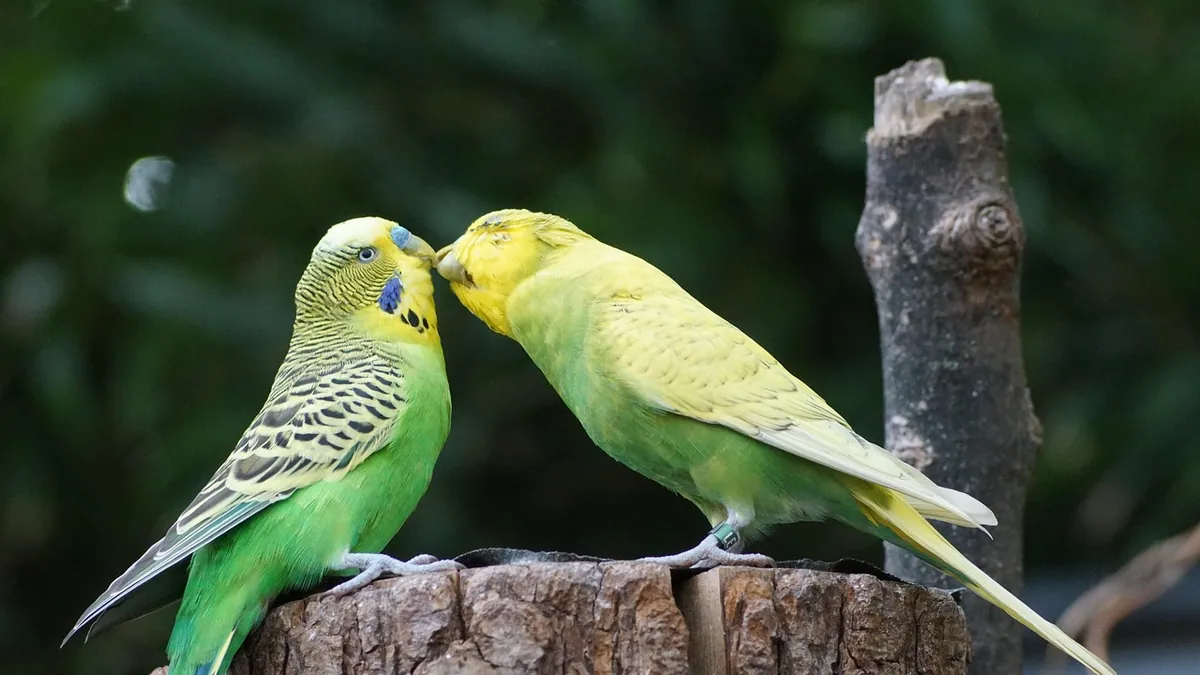
Do cockatiels need to be in pairs? No, they do not have to be, and many live full, healthy lives as single pets when their social and mental needs are met. Budgies are similar. Both species are flock animals in the wild, so companionship matters, but the right answer depends on how much time and attention you can give, and on the personality of the individual bird.
This article is educational and is not a substitute for veterinary diagnosis or treatment.
Quick Answer
- A single cockatiel or budgie can thrive if you provide daily social contact, out-of-cage time, and mental enrichment.
- A pair gives birds constant company, which helps when you work long hours or travel often.
- Two birds can bond to each other instead of to you, and that can reduce handling and taming.
- Two birds can also fight, breed, or produce eggs, which brings health and behavior risks.
- The best choice depends on your schedule, your bird's temperament, and whether you can supervise introductions.
Do Cockatiels Do Better in Pairs? The Social Reality
Cockatiels and budgies are flock birds. In the wild they live in groups, forage together, and stay in contact with calls throughout the day. That social wiring does not disappear in a living room. A bird kept alone depends on you to fill the role of the flock.
This is why the question of pairs comes up so often. A companion bird can reduce loneliness, provide physical contact, and offer the kind of back-and-forth communication that humans cannot fully copy. For owners who work long shifts or travel, a second bird can be a genuine welfare improvement.
Welfare experts who ranked the top problems facing captive parrots put social and behavioral needs high on the list, along with environment and enrichment [1]. A companion parrot welfare tool built for caregivers also treats social needs as a core part of assessment, alongside behavior and environment [2]. In plain terms, the field agrees that social contact is a basic need, not a luxury.
But "social need" does not automatically mean "second bird." It means the bird needs meaningful interaction every day. You can supply that yourself, or you can share the job with another bird.
Why Budgies Are Often Kept in Pairs
Budgies are small, fast, and highly social. They chatter constantly, preen each other, and seem to relax when another budgie is nearby. Many owners find that a single budgie becomes quiet, clingy, or fixated on a mirror when left alone for long stretches.
Budgies also bond quickly to each other. That is usually good for the birds and sometimes disappointing for the owner, because a strongly bonded pair may show less interest in human hands.
Why Cockatiels Are Often Kept Alone
Cockatiels are bigger, longer lived, and often more tolerant of handling than budgies. Many cockatiels form deep bonds with one person and seem content with that arrangement. A single cockatiel that gets several hours of daily attention, time outside the cage, and a rich environment can do very well.
The trade-off is that a single cockatiel is dependent on you. If your schedule changes, the bird feels it.
Medical and Behavioral Reasons a Bird May Seem to "Need" a Friend
Sometimes a bird's behavior looks like loneliness but has another cause. Rule these out before you add a second bird.
Illness and Pain
A sick bird often becomes quiet, fluffed, and withdrawn. It may sit in one spot, stop playing, or lose interest in food. These signs can look like depression from being alone. Any sudden behavior change deserves a veterinary exam, because birds hide illness well.
Hormonal and Reproductive Behavior
A single bird can become obsessed with a mirror, a toy, or a person. It may scream, pace, or become aggressive when the object of its attention leaves. This is hormonal and territorial behavior, not loneliness. Adding another bird often makes it worse.
Learned Attention-Seeking
If screaming or feather picking has reliably brought you running, the behavior can become a habit. A second bird will not fix a habit that you have accidentally reinforced.
Feather Damaging Behavior
Feather plucking and self-mutilation have many causes, including skin disease, parasites, nutritional problems, and stress. A companion bird is not a treatment for a medical problem. A veterinarian should evaluate the bird first.
When a Pair Becomes a Problem
Two birds are not automatically happier than one. Watch for these situations.
Bonding Away From You
A bonded pair may ignore you, refuse handling, and become defensive of the cage. If your goal is a hands-on pet, this is a real risk. It is more common when both birds are the same species and were introduced as adults.
Fighting and Bullying
Not every pair gets along. Bullying can be subtle. One bird may be kept away from food, pushed off the best perch, or prevented from sleeping. Weight loss and feather damage often follow.
Breeding and Egg Laying
A male and female pair will likely breed. Egg laying drains calcium and can lead to egg binding, a life-threatening emergency. Chronic egg laying is a common problem in pet cockatiels, and it is one of the reasons a mixed-sex pair needs careful management. If your bird is laying, see Cockatiel Egg Laying Problems.
Noise and Mess Multiply
Two birds mean roughly double the noise, dust, droppings, and food waste. Cockatiels produce a fine powder dust that affects air quality and can trigger allergies in some households. Plan for that before you add a bird.
What to Do Step by Step
Step 1: Assess Your Actual Schedule
Count the hours your bird spends alone and awake. If you are gone ten hours a day and asleep eight, a single bird is alone for most of its waking life. That is a strong argument for a companion, or for a major change in routine.
Step 2: Maximize Enrichment for a Single Bird
Enrichment is not a substitute for company, but it does reduce boredom. Foraging is one of the most effective tools. A study of two parrot species found that birds interacted differently with feeding devices based on their natural feeding style, which shows that enrichment works best when it matches the species [3]. For cockatiels and budgies, that means scatter feeding, foraging trays, shreddable materials, and frequent toy rotation.
Music and sound can also help. Cockatoos, which are relatives of cockatiels, show dance behavior in response to music, and researchers have suggested music may serve as a form of environmental enrichment [4]. Quiet background music or a radio can break up silence during the day.
Also review the cage itself. A cramped cage makes any bird more stressed. See Cockatiel Cage Size and Setup: A Practical Guide and Budgie Cage for sizing and layout basics.
Step 3: Decide Between One Bird and Two
Choose a single bird if you can offer several hours of daily interaction, out-of-cage time, and consistent enrichment. Choose a pair if you are away for long stretches and want the birds to have company, and if you accept that they may bond to each other.
Step 4: Introduce Birds Safely
Quarantine a new bird away from your current bird for at least 30 days, with separate air space, and have it examined by a veterinarian before any contact. Then introduce them in neutral territory, supervised, in short sessions. Watch for chasing, biting, and one bird hogging food.
Step 5: Set Up the Cage for Two
Use a cage large enough for each bird to have its own space. Provide two food stations, two water stations, and multiple perches at different heights. Never rely on one bowl.
Step 6: Keep the Human Bond
Handle each bird separately every day. Train simple behaviors with positive reinforcement. This keeps both birds comfortable with hands and makes veterinary care easier.
What Not to Do
Do not buy a second bird to fix a behavior problem. Screaming, biting, and feather plucking usually have other causes, and a new bird can add stress.
Do not assume two birds will entertain each other with no effort from you. They still need enrichment, clean housing, and veterinary care.
Do not house a new bird with your current bird on day one. Skipping quarantine risks spreading infectious disease.
Do not punish a bird for screaming, biting, or plucking. Punishment increases fear and makes behavior worse. It also damages the trust you need for handling and care.
Do not breed birds casually. Raising chicks is demanding, and egg laying carries real health risks for the hen.
Do not believe the myth that a single bird is always unhappy. Many single cockatiels and budgies are well adjusted when their owner is genuinely present.
When to Involve a Veterinarian or Behavior Professional
Call a veterinarian if you see weight loss, fluffed posture, tail bobbing, changes in droppings, or a sudden drop in activity. These can signal illness.
Seek help from a veterinarian or a certified behavior professional if your bird screams for hours, bites hard, plucks feathers, attacks a cagemate, or shows hormonal behavior that you cannot manage. Behavior problems are treatable, and early help is easier than late help.
Limitations and When to Contact a Veterinarian
This article cannot tell you what your individual bird needs. Every bird has its own temperament, history, and health status, and individual cases need a veterinarian who can examine the bird in person.
Contact a veterinarian the same day if your bird stops eating, sits fluffed at the bottom of the cage, has labored breathing, or passes abnormal droppings. These signs can worsen quickly in small birds.
Go to an emergency clinic now if your bird is bleeding, has a broken bone, is straining to pass an egg, is open-mouth breathing while perched, or has collapsed. Egg binding and heavy bleeding are emergencies.
Schedule a routine visit if you are planning to add a second bird, if your bird is laying eggs, or if you notice a slow change in behavior, appetite, or feather condition over days to weeks.
Frequently Asked Questions
Can a single cockatiel be happy?
Yes, a single cockatiel can be happy if you provide daily interaction, out-of-cage time, and enrichment. The bird needs you to act as its flock. If your schedule cannot support that, a companion bird may be the better choice.
Do budgies have to be in pairs?
No, budgies do not have to be kept in pairs. A single budgie can do well with consistent human attention and a stimulating cage. Budgies kept alone often become strongly attached to their owner, which many people enjoy.
Is it better to get two males or two females?
Two males often get along more easily than two females, though individual personality matters more than sex. Any pair can fight, so supervise introductions and provide separate resources. Mixed pairs will likely breed, which adds risk.
Will two birds stop bonding with me?
They might bond more to each other than to you, especially if they are the same species and introduced as adults. Daily separate handling helps maintain your relationship with each bird. Some pairs stay friendly with people, and some do not.
Do parrots do better in pairs in general?
It depends on the species and the individual bird. Highly social species often benefit from a companion, while some parrots do well as single pets with attentive owners. Social contact is a core welfare need either way, whether it comes from you or from another bird [1][2].
Related Articles
- Budgie Cage
- Cockatiel Cage Size and Setup: A Practical Guide
- Cockatiel Lifespan
- Cockatiel Egg Laying Problems
- Cockatiel Care: Pyramiding & Shell Health Management
- Can Budgies and Cockatiels Live Together Safely?
- Do Budgies Mate for Life? Bonding Facts for Owners
- Do Cockatiels and Parrots Mate for Life? Bonding Facts
References
- What are the priority welfare issues facing parrots in captivity? A modified Delphi approach to establish expert consensus. Animal welfare (South Mimms, England), 2024.
- PsittaWel: A welfare assessment tool for companion parrots. Animal welfare (South Mimms, England), 2026.
- Functionally Relevant Feeding Enrichment: An Examination of Nectar Feeding Devices With Two Species of Parrot. Veterinary medicine and science, 2026.
- Dance behaviour in cockatoos: Implications for cognitive processes and welfare. PloS one, 2025.