How Much Water Should a Budgie Drink? Normal and Not
By Dr. Zubair Khalid, DVM, MS, PhD ·
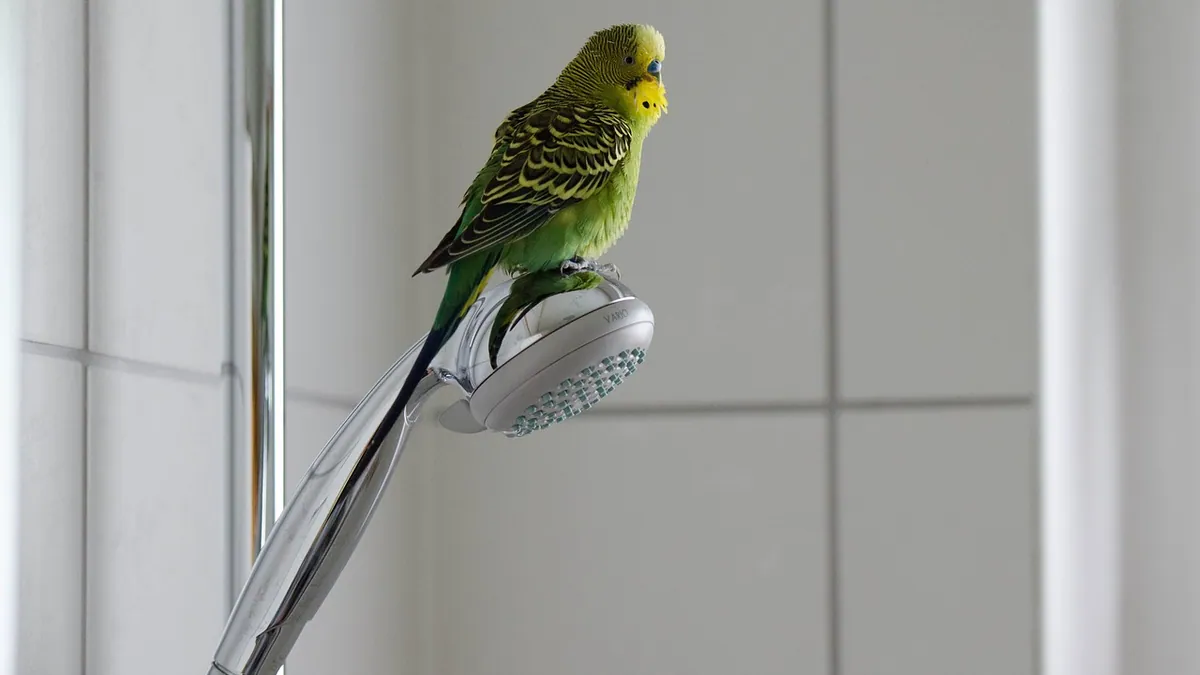
Do budgies drink water? Yes, they do, but in small amounts compared with dogs, cats, or even larger parrots. A healthy budgie at maintenance usually takes only a few milliliters per day, and most of that water comes from fresh produce and soaked seeds. Because the volume is so small, a budgie that suddenly drinks more can be easy to miss until the problem is advanced.
This article is educational and is not a substitute for veterinary diagnosis or treatment.
Quick Answer
- A healthy budgie typically drinks very little water each day, often just a few milliliters, and may drink more on hot days or when eating dry seed.
- Budgies do not usually play in or soak in water the way some larger parrots do, so a full water dish is not proof of normal drinking.
- The best way to know your bird's normal is to measure the water you offer and the water left over at the same time each day.
- A sudden, sustained increase in drinking is a red flag for hormonal or kidney disease, diabetes, or other metabolic problems.
- Any change in drinking that lasts more than a day or two, especially with weight loss or lethargy, needs a veterinary visit.
How to Monitor Your Budgie's Water Intake Step by Step
You cannot watch a budgie drink around the clock. The practical approach is to measure what goes in and what comes out, then track the trend over time.
Step 1: Use a marked water container
Use a small, clear water dish or a graduated water bottle with volume markings. A clear container lets you see the water level without opening the cage. If you use a bottle, check that the ball or valve is working, because a stuck valve can make a bird look like it is drinking less when it is actually thirsty.
Step 2: Measure at the same time daily
Fill the container to a known level, such as a marked line, in the morning. At the same time the next morning, record how much is left. The difference is the water used, but remember that some water evaporates and some is splashed or used to soften food. A small amount of daily variation is normal.
Step 3: Account for water in food
Fresh greens, cucumber, apple, and soaked seed add water to the diet. A budgie eating a lot of moist food may drink less from the dish. A budgie on dry seed or pellets may drink more. If you change the diet, expect the drinking pattern to shift.
Step 4: Weigh your bird weekly
A kitchen scale that reads in grams is one of the most useful tools you can own. Weigh your budgie at the same time of day, ideally before the first meal. A stable weight with stable water use is reassuring. Weight loss with increased drinking is a stronger warning sign than either change alone. In a review of diabetic birds, weight loss was reported in 75% of cases and lethargy in 63% [1].
Step 5: Watch the droppings
Water intake and urine output move together. A budgie that drinks more will usually pass more urine, which appears as a larger wet spot around the dropping. The chalky white part is urate, and the solid green or brown part is feces. A large clear wet ring with normal feces suggests more urine, which can reflect more drinking. In diabetic birds, polyuria was reported in 94% of cases and polydipsia in 88% [1].
Step 6: Log it for two weeks
Write down the date, water used, weight, diet, and any droppings changes. Two weeks of data gives your veterinarian something concrete to work with. A single high day is rarely meaningful. A steady climb over a week is.
Budgie Water Intake Schedule and Checklist
| What to check | How often | What normal looks like | What to flag |
|---|---|---|---|
| Water level in dish or bottle | Daily, same time | Small, steady use with minor day to day variation | Steady increase over several days |
| Body weight in grams | Weekly | Stable within a few grams | Any clear downward trend |
| Droppings | Daily | Formed feces, white urate, small wet ring | Large wet rings, very watery droppings |
| Fresh food offered | Daily | Moist foods offered in small amounts | Sudden diet change without monitoring |
| Water container condition | Daily | Clean, working valve, no biofilm | Slimy film, stuck valve, debris |
| Behavior and activity | Daily | Active, vocal, interested in food | Lethargy, fluffed feathers, sitting low |
A budgie that is eating dry food, is active, and holds weight is usually fine even if its water use seems low. A budgie that is quiet, fluffed, and losing weight needs attention even if the water dish looks normal.
Do Budgies Drink a Lot of Water Compared With Other Pets?
No. Budgies are small birds from arid parts of Australia, and their bodies are built to conserve water. When researchers deprived rose-ringed parakeets of water for 7 days, the birds lost body weight and showed measurable changes in the neurohypophysis and adrenal glands, which are part of the water-balance system [2]. That study shows how tightly a parakeet's body manages water, and how quickly a shortage shows up in weight and hormone response.
This is why a budgie's normal water intake is small and why a rise above that small baseline matters. If you are used to tracking a dog's water bowl, the scale is completely different. For a sense of how much larger animals drink and how thirst changes are evaluated in them, see Why Is My Dog Drinking So Much Water? and Dog Drinking More Water Than Usual: When to See the Vet. The principle is the same, know the normal, watch for change, and let a veterinarian interpret it.
Do Budgies Like Water?
Most budgies enjoy a shallow bath, especially on warm days, but they are not water-loving birds in the way a duck or a large parrot might be. Some budgies bathe in a shallow dish, some prefer a light misting, and many ignore water entirely except to drink. A budgie that suddenly starts spending a lot of time in the water dish may be trying to cool off, or it may be drinking more than usual and lingering at the dish.
Offer a shallow dish with about an inch of room-temperature water and supervise. Remove it after the bath so the bird does not sit wet in a draft. Never leave a deep container in the cage, because a small bird can drown.
Signs That Something Is Wrong
Increased drinking is a symptom, not a diagnosis. The pattern and the company it keeps tell you more than the number alone.
Increased drinking with weight loss
This combination is the most concerning. In a review of 16 diabetic birds, the most common signs were polyuria, polydipsia, weight loss, and lethargy [1]. A single case report described a nanday conure that presented with acute lethargy, polyuria, and polydipsia, along with persistent high blood sugar, sugar in the urine, and ketones in the urine [3]. That bird's pancreatic islets were absent on biopsy, which points to endocrine pancreatic disease as a cause of the thirst [3].
Increased drinking with lethargy or fluffed feathers
A sick bird often sits low, fluffs its feathers, and closes its eyes during the day. This is a bird that is using energy to stay warm and is not feeling well. Do not wait for the weekend.
Increased drinking with changes in droppings
Very wet droppings, a strong odor, or a change in urate color all deserve a veterinary look. Polyuria was the most common sign in the diabetic bird review, appearing in 94% of cases [1]. That does not mean every wet dropping is diabetes, but it does mean the pattern is worth investigating.
Increased drinking with a diet change
If you recently switched from seed to pellets, or added a lot of fruit, the water pattern may shift for a few days. Watch the weight and droppings. If the change settles within a week and the bird stays bright, it is likely dietary. If it does not settle, call your veterinarian.
Dehydration signs
The opposite problem matters too. A dehydrated budgie may have dry, tacky droppings, sunken eyes, and a dull attitude. A grey-headed parrot with severe frostbite was also diagnosed with dehydration and a depressed attitude, showing that cold stress and dehydration can travel together [4]. Keep your bird away from drafts, cold windows, and outdoor temperature extremes.
Common Mistakes Owners Make
Assuming a full water dish means normal drinking
Budgies splash, dunk food, and sometimes bathe. A lower water level does not always mean the bird drank it. Measure and observe.
Missing a slow increase
A budgie that goes from using a tiny amount of water to a slightly larger amount over two weeks may not look dramatic. Slow changes are exactly the ones owners miss. This is why a written log beats memory.
Changing the water container without tracking
A new bottle with a different valve can change how much the bird can drink. If you switch containers, watch the droppings and weight for several days.
Offering a deep water bowl
Small birds can fall into deep bowls and drown. Use a shallow dish, and never leave standing water deeper than the bird can easily stand in.
Ignoring weight loss because the bird still eats
A budgie can eat well and still lose weight if it is not absorbing nutrients or is using energy to fight illness. Weigh weekly. The scale catches problems the eye misses.
Treating thirst at home with diet changes alone
Do not restrict water to reduce urine output. Water restriction is dangerous for a bird. If your budgie is drinking more, offer fresh water freely and get veterinary advice.
Supplies and Setup That Support Healthy Drinking
- A shallow, easy-to-clean water dish, or a water bottle with a working valve and volume markings
- A kitchen scale that reads in grams, for weekly weights
- A small notebook or phone note for the daily water and weight log
- A shallow bath dish used only under supervision
- A cage away from drafts, direct sun, and cold windows
- Fresh water changed at least once daily, and more often if food or droppings get into the dish
Clean water containers matter more than most owners realize. Biofilm builds up quickly in warm weather and can discourage drinking or introduce bacteria. Scrub the dish with hot water and a bird-safe cleaner every day.
Limitations and When to Contact a Veterinarian
This article cannot tell you what is wrong with your individual bird. Only a veterinarian who examines your budgie, weighs it, reviews the droppings, and runs blood work can do that. Individual cases need a veterinarian.
Contact an avian veterinarian the same day if you see:
- A clear increase in drinking that has lasted more than 24 to 48 hours
- Weight loss of any noticeable amount, especially with increased drinking
- Lethargy, fluffed feathers, or sitting on the cage floor
- Very wet droppings or a strong change in dropping appearance
- Vomiting, head flicking after eating, or food stuck to the beak
Go to an emergency clinic now if you see:
- Labored breathing, tail bobbing, or open-mouth breathing
- Collapse, seizures, or inability to perch
- Bleeding, burns, or a suspected toxin exposure
- A bird that has not eaten or drunk at all for 24 hours
Schedule a routine visit if you notice a mild, stable change in water use but your bird is otherwise bright, eating, and holding weight. Bring your water and weight log. It helps your veterinarian decide which tests to run first.
Frequently Asked Questions
Do budgies drink water every day?
Yes, budgies drink water daily, but the amount is small and varies with diet, temperature, and activity. A bird on moist foods may drink very little from the dish, while a bird on dry seed may drink more. Track the trend over a week instead of judging a single day.
Can a budgie drink too much water?
Yes, and it is a warning sign instead of a harmless habit. Sustained excess drinking often comes with increased urine output and can point to hormonal or kidney disease, diabetes, or another metabolic problem. Any lasting increase deserves a veterinary visit.
How can I tell if my budgie is dehydrated?
Check the droppings, the eyes, and the attitude. Dry or tacky droppings, sunken eyes, and a dull, quiet bird suggest dehydration. Offer fresh water and contact an avian veterinarian, because dehydration in a small bird can worsen quickly.
Should I add vitamins or supplements to my budgie's water?
No, do not add supplements to the water unless your veterinarian prescribes them. Added vitamins can change the taste and reduce drinking, and excess vitamin A has been linked to toxicity in cockatiels at maintenance [5]. Ask your veterinarian about diet before adding anything.
Does a budgie's water intake change with the seasons?
Yes, warm weather and dry indoor air can increase water use, and cold drafts can reduce it. A bird exposed to severe cold can become dehydrated, as seen in a parrot with frostbite that was also diagnosed with dehydration [4]. Keep the cage away from temperature extremes and watch the trend.
What should I bring to the veterinary visit?
Bring your water and weight log, a fresh dropping sample if you can collect one, and a list of everything your bird eats. Note any recent diet changes, new cage items, or household products. This information helps your veterinarian choose the right tests and interpret the results.
Related Articles
References
- Avian Diabetes Mellitus: A Review. Journal of avian medicine and surgery, 2024.
- Neurohypophysial-adrenal gland responses to water-deprivation in the rose-ringed parakeet. Zeitschrift fur mikroskopisch-anatomische Forschung, 1976.
- Diabetes mellitus in a nanday conure (Nandayus nenday). Journal of avian medicine and surgery, 2008.
- Management of Severe Frostbite in a Grey-Headed Parrot (Poicephalus fuscicollis suahelicus). Journal of avian medicine and surgery, 2016.
- Adult cockatiels (Nymphicus hollandicus) at maintenance are more sensitive to diets containing excess vitamin A than to vitamin A-deficient diets. The Journal of nutrition, 2003.