Why Is My Cockatiel Pooping Water and Drinking More?
By Dr. Zubair Khalid, DVM, MS, PhD ·
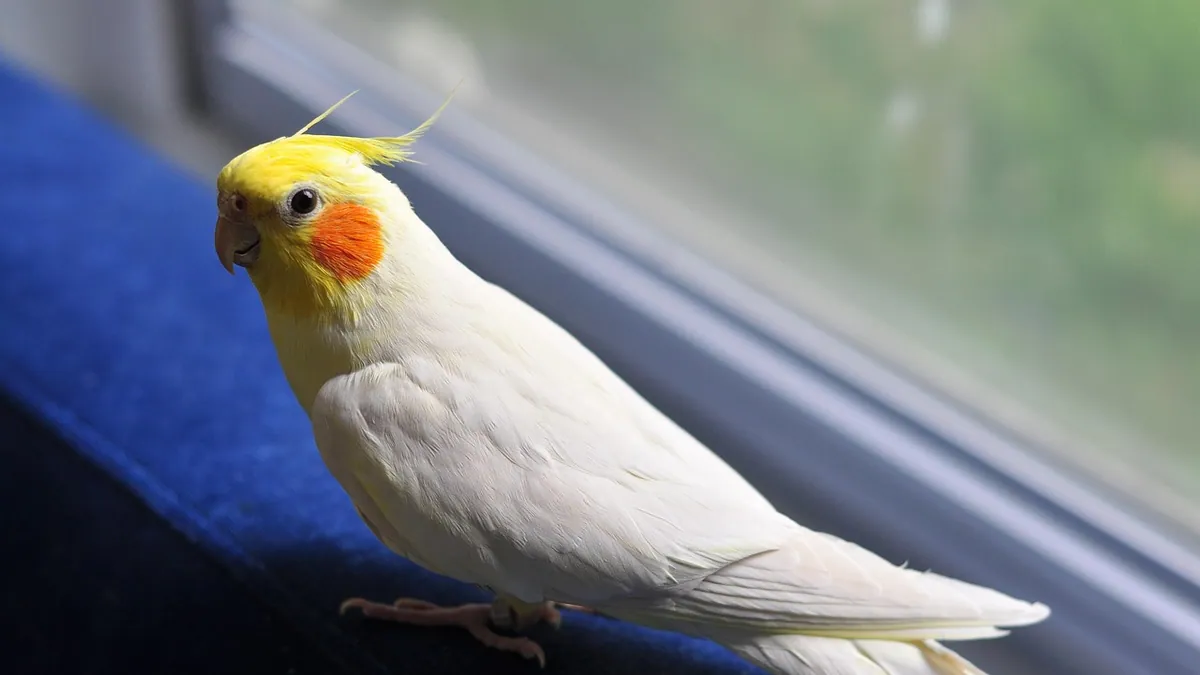
Cockatiels often pass watery droppings when they eat fruit, drink more on a hot day, or feel stressed. But when the watery droppings keep coming and your bird is also drinking more than usual, the cause can be a real medical problem like diabetes, kidney disease, or an infection. This article is educational and is not a substitute for veterinary diagnosis or treatment.
Quick Answer
- A single watery dropping after a juicy food or a bath is usually normal. A pattern of watery droppings that lasts more than a day or two is not.
- True polyuria means the urine part of the dropping is watery, not the solid green or brown part. Owners often mix these up.
- Increased drinking plus increased urination in a bird points toward diabetes, kidney disease, or a hormonal problem until proven otherwise.
- Infections such as chlamydiosis and campylobacteriosis can cause diarrhea and dehydration in cockatiels, and some can spread to people [1][2].
- Any cockatiel that is fluffed, quiet, not eating, or losing weight needs a veterinary visit right away, not home treatment.
What Watery Droppings Look Like and What Is Normal
A normal cockatiel dropping has three parts. There is a solid portion (feces) that is usually green or brown, a white or cream portion (urates), and a small amount of clear liquid urine. When you see a wet ring of water around the solid part, that is the urine.
Two different problems can make a dropping look watery.
The first is diarrhea. In diarrhea, the solid part itself is loose, unformed, or runny. This usually means something is wrong in the gut.
The second is polyuria. In polyuria, the solid part looks normal but the urine is watery and there is much more of it. This usually points to a problem outside the gut, such as the kidneys or the hormone system.
Why does the difference matter? Because the tests and the treatments are different. A bird with diarrhea needs a fecal exam and a gut workup. A bird with polyuria needs blood work and a kidney and glucose check.
Normal watery droppings can happen after your cockatiel eats a grape, apple, or other wet food. They can also happen after a bath, during a car ride, or on a hot day when your bird drinks more. In those cases, the droppings go back to normal within a few hours.
Why Is My Cockatiel Pooping Water? The Main Causes
Diet and Environment
The simplest reason your cockatiel is drinking so much water is that something changed. A new bowl, a move to a new room, a noisy household, or a change in the flock can all raise water intake for a day or two. Fruit, vegetables, and pellets with high moisture content add water to the droppings too.
This kind of watery dropping is short lived. Your bird acts normal, eats well, and the droppings firm up once the wet food is removed.
Diabetes Mellitus
Birds can develop diabetes, and cockatiels are among the species seen with it. The classic pattern is a bird that drinks a lot, urinates a lot, and still loses weight. The droppings have a large watery urine portion. Blood glucose testing and a urinalysis are needed to confirm it. Your veterinarian will decide on treatment and calculate any insulin dose from your bird's weight and test results.
Kidney Disease
The kidneys control how much water leaves the body as urine. When they are damaged, birds drink more to make up for the water they lose. Kidney disease in birds can come from infection, toxins, tumors, or age. Blood work and imaging help your veterinarian see how well the kidneys are working.
Infections
Bacterial and fungal infections are common causes of abnormal droppings in cockatiels. A metagenomic study of 11 cockatiels that died after two weeks of severe diarrhea found Campylobacter jejuni and Chlamydia psittaci in most of the samples, and either organism could explain the signs seen in these birds [1]. Chlamydia psittaci causes avian chlamydiosis, and a Congo African grey parrot with the disease showed anorexia, depression, and diarrhea along with anemia and a high white blood cell count [2]. Non-albicans Candida species, including Candida glabrata, have been found in cockatiels with diarrhea, regurgitation, and dark tarry stool, and these infections can be resistant to common antifungal drugs [3]. Cryptosporidium, a parasite that causes prolonged diarrhea, has also been found in ornamental birds [4].
Some of these infections can pass to people. Chlamydia psittaci is a zoonotic disease, which means an infected bird can make a person sick [2]. Cryptosporidium is zoonotic as well [4]. Wash your hands after handling your bird or cleaning the cage, and keep the cage away from food preparation areas.
Reproductive Disease
Female cockatiels can develop tumors of the oviduct and uterus. One 11-year-old female cockatiel with a myxoid leiomyosarcoma of the oviduct and uterus was brought in with a swollen belly after a history of calcium deficiency and repeated dystocia [5]. A bird with a reproductive mass may strain, have a swollen abdomen, or pass droppings that look different because the mass presses on the gut. This is diagnosed with imaging and sometimes surgery.
Other Causes
Liver disease, heavy metal poisoning, egg binding, and some medications can all change water intake and droppings. So can a diet that is too high in salt or sugar. Your veterinarian will sort through these with a history and tests.
| Cause | Typical clues | How urgent |
|---|---|---|
| Wet food, heat, stress | Droppings watery for hours, bird bright and eating | Monitor at home |
| Diabetes | Drinks a lot, urinates a lot, loses weight, urine is watery | See a vet within days |
| Kidney disease | Increased drinking and urination, weight loss, poor feather quality | See a vet within days |
| Bacterial or fungal infection | Diarrhea, fluffed feathers, poor appetite, sometimes vomiting | See a vet same day |
| Chlamydiosis | Diarrhea, depression, trouble breathing, eye or nose discharge | See a vet same day, can spread to people |
| Parasites such as Cryptosporidium | Long lasting diarrhea, weight loss | See a vet within days |
| Reproductive tumor | Swollen belly, straining, history of egg problems | See a vet same day |
Red Flags That Make It an Emergency
Call an avian veterinarian right away if you see any of these:
- Your cockatiel sits fluffed on the cage floor and will not perch.
- It stops eating or stops passing droppings.
- It breathes with its tail bobbing or its beak open.
- There is blood in the droppings or the droppings are black and tarry.
- The bird vomits or flicks food from its beak.
- The abdomen looks swollen or the bird strains to pass droppings.
- The bird has a seizure, falls off the perch, or cannot stand.
- You see weight loss, even if the bird still eats.
A cockatiel that is dehydrated and underweight can decline fast. In the outbreak described above, 11 cockatiels were submitted for diagnosis after severe diarrhea and a 22 percent mortality rate over two weeks [1]. Small birds hide illness until they are very sick, so a bird that looks "a little off" for more than a day deserves a call.
Safe Things You Can Do at Home While You Wait
You cannot diagnose this at home, but you can gather useful information and keep your bird stable.
- Weigh your bird on a small kitchen scale every morning before breakfast. Write the number down. A drop of even a few grams matters in a cockatiel.
- Change the cage paper every few hours and photograph the droppings. Bring the photos to the visit.
- Measure how much water your bird drinks in 24 hours if you can. Use a marked bottle or a small measuring cup.
- Remove fruit, juice, and other wet foods for 24 hours to see if the droppings firm up.
- Keep the room warm and quiet. Move the cage away from drafts and loud traffic.
- Offer the usual food and fresh water. Do not restrict water unless your veterinarian tells you to.
- Do not give any medication, including antibiotics or antifungals, without a prescription. The wrong drug can make things worse, and some infections need specific treatment. The parrot with chlamydiosis in the case above was treated with doxycycline for 45 days under veterinary care [2].
- Wash your hands after every contact with the bird, the cage, or the droppings.
If your bird is a dog or cat owner's household too, the same "drinking more" question comes up in other species. You can read about it in these guides on why a dog drinks so much water and why a cat drinks so much water. The biology is different, but the rule is the same: a lasting change in thirst and urination is a medical sign, not a habit.
What Your Veterinarian Will Check and Test
An avian veterinarian will start with a full history. They will ask about diet, recent changes, other birds in the home, and how long the droppings have been watery. Then they will do a physical exam, including weight, body condition, hydration, and a check of the vent and abdomen.
Common tests include:
- A fecal exam and Gram stain to look for bacteria, yeast, and parasites [3][4].
- A complete blood count and chemistry panel to check the kidneys, liver, glucose, and electrolytes [2].
- A urinalysis to separate polyuria from diarrhea.
- PCR testing for Chlamydia psittaci and other infectious agents when the history fits [1][2].
- Imaging such as radiographs or ultrasound to look at the kidneys, liver, and reproductive tract [5].
- A crop or cloacal swab if an infection is suspected [2].
Treatment depends on what the tests show. A bird with chlamydiosis may need a long course of doxycycline, with weekly testing to confirm the infection is clearing [2]. A bird with a fungal infection may need a specific antifungal chosen after culture, because some Candida species resist the usual drugs [3]. A bird with a reproductive mass may need surgery [5]. A bird with diabetes needs a diet and medication plan built around its weight and glucose curve.
Your veterinarian will calculate any drug dose from your bird's weight and health. Never use a dose meant for a dog, cat, or human.
Prevention and Monitoring
Good husbandry prevents many of these problems.
- Feed a balanced diet of quality pellets, seeds in measured amounts, and fresh vegetables. Limit sugary fruit.
- Keep fresh water available at all times and clean the bowl daily.
- Weigh your cockatiel weekly and record the numbers. Early weight loss is one of the best warning signs you have.
- Quarantine any new bird for at least 30 days before introducing it to your flock.
- Buy birds from a source that tests for common infections, and ask about the seller's health practices. Cryptosporidium has been found in both ornamental birds and the people who sell them [4].
- Keep the cage clean and wash your hands after handling birds.
- Schedule a yearly wellness exam with an avian veterinarian, even when your bird looks healthy.
If you notice your cockatiel drinking more for more than a day or two, act early. The same advice applies to other pets in the house, and you can read more about when a dog drinking more water means a vet visit and about drinking and peeing more as a sign of diabetes in dogs.
Limitations and When to Contact a Veterinarian
This article cannot tell you what is wrong with your specific bird. Only a veterinarian who examines your cockatiel and runs tests can do that. Individual cases need a veterinarian.
Contact an avian veterinarian the same day if your bird has diarrhea that lasts more than 24 hours, is drinking much more than usual, is losing weight, or has any change in appetite or behavior.
Go to an emergency clinic now if your bird is fluffed on the cage floor, breathing hard, not eating, passing no droppings, bleeding, having seizures, or unable to stand.
Book a routine visit if the droppings are watery only after wet food or a stressful event and your bird is otherwise bright, eating, and at a stable weight.
Frequently Asked Questions
Is it normal for a cockatiel to have watery droppings sometimes?
Yes, a single watery dropping can be normal after wet food, a bath, or a stressful event. The droppings should return to normal within a few hours. If they stay watery for more than a day, or if your bird is also drinking more, that is a sign to call your veterinarian.
How can I tell diarrhea from polyuria in my bird?
Look at the solid part of the dropping. If the solid part is loose or unformed, that is diarrhea. If the solid part looks normal but there is a large watery urine puddle, that is polyuria. The distinction matters because the two problems have different causes and different tests.
Can a cockatiel recover from a kidney or liver problem?
Some birds improve with early treatment and diet changes, and some need lifelong management. The outcome depends on the cause, how much damage has occurred, and how quickly treatment starts. Your veterinarian can give you a realistic picture after the first round of tests.
Should I stop giving my cockatiel fruit if the droppings are watery?
You can remove fruit and other wet foods for 24 hours to see if the droppings firm up. If they do, the fruit was likely the cause and you can offer it in smaller amounts. If they do not firm up, or if your bird is drinking more, see your veterinarian.
Can I catch an illness from my cockatiel?
Yes, some bird infections can spread to people. Chlamydia psittaci and Cryptosporidium are both zoonotic, meaning they can infect humans as well as birds [4][2]. Wash your hands after handling your bird or cleaning the cage, and tell your doctor about your bird if you become ill with diarrhea, fever, or breathing problems.
Related Articles
- Why Is My Bird's Poop Watery? Cockatiel and Budgie
- Sick Cockatiel Poop: Green, Watery and Runny Droppings
- Why Is My Parrot's Poop Watery? What Droppings Tell You
References
- Identification of Campylobacter jejuni and Chlamydia psittaci from cockatiel (Nymphicus hollandicus) using metagenomics. BMC genomics, 2021.
- Molecular identification and successful treatment of Chlamydophila psittaci (genotype B) in a clinically affected Congo African grey parrot (Psittacus erithacus erithacus). Iranian journal of veterinary research, 2016.
- Gastrointestinal Disease Associated with Non-albicans Candida Species in Six Birds. Journal of avian medicine and surgery, 2019.
- Molecular survey of Cryptosporidium spp. in ornamental birds and their sellers: implications for One Health. BMC veterinary research, 2026.
- Myxoid leiomyosarcoma of the oviduct and uterus in a Cockatiel (Nymphicus hollandicus). Veterinary medicine and science, 2024.