Why Is My Budgie Flapping Its Wings? 7 Reasons
By Dr. Zubair Khalid, DVM, MS, PhD ·
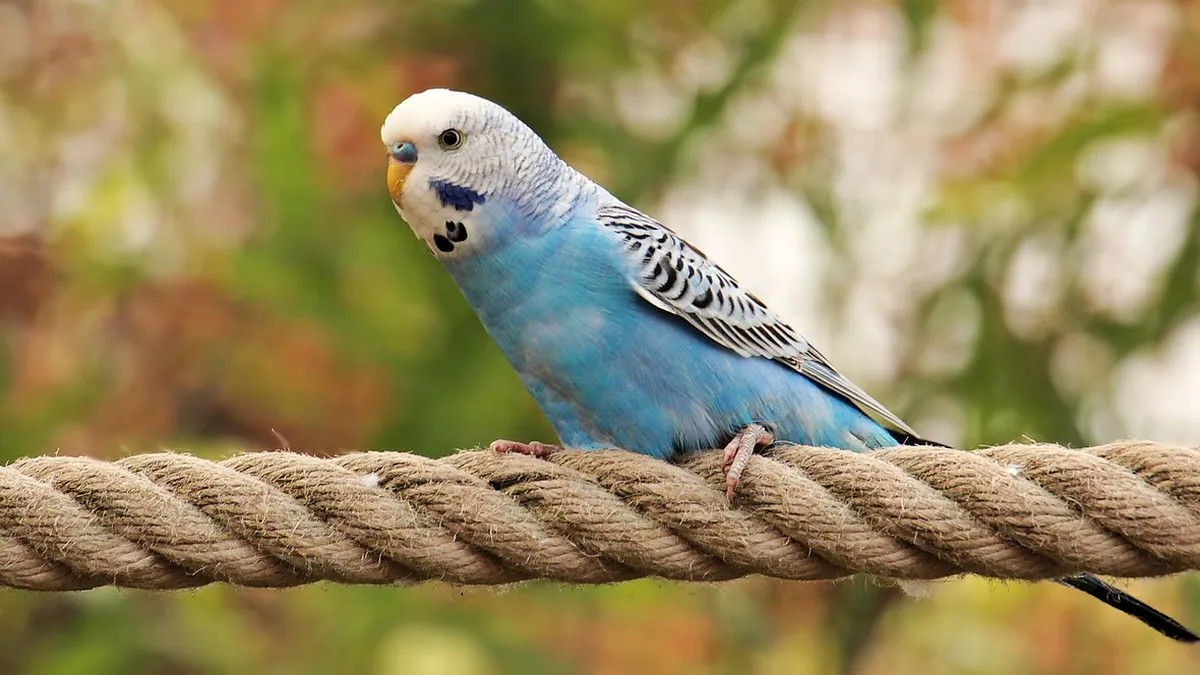
Budgies flap their wings for many ordinary reasons, including exercise, excitement, cooling down, and courtship display. Most wing flapping is normal behavior, but it can also signal overheating, injury, or breathing trouble. If you have asked yourself why is my budgie flapping its wings, the answer usually depends on when it happens, how long it lasts, and what the rest of your bird's body is doing.
This article is educational and is not a substitute for veterinary diagnosis or treatment.
Quick Answer
- Short bursts of flapping, especially in the morning or evening, are normal exercise and a way for caged birds to burn energy [1].
- Both wings lifted slightly away from the body with a relaxed posture often means your budgie is warm and trying to cool off.
- "Heart wings" (wings held out and slightly forward, often with head bobbing) is a courtship display, not a health problem.
- Flapping combined with open-mouth breathing, tail bobbing, or sitting on the cage floor needs same-day veterinary attention.
- A bird that cannot fly, holds one wing lower than the other, or cries out while flapping may have an injury and should be examined.
Normal Reasons Your Budgie Flaps Its Wings
Exercise and burning energy
Budgies are built for flight, and pet budgies in typical cages often do not get enough space for free flight [1]. Wing flapping is how they compensate. You may see a flurry of fast flaps while your bird stays on the perch, hangs from the cage bars, or bounces between perches. This is the budgie version of a workout.
Captive parrots that lack exercise can develop health problems linked to obesity and poor conditioning, including lipid disorders such as hepatic lipidosis and atherosclerosis [2]. Daily flapping is one small way your bird stays active. If your budgie flaps hard for a minute or two and then settles, that is usually a good sign.
Excitement and greeting
Budgies often flap when something exciting happens. You come home, the food dish gets refilled, or a favorite person walks in. The flapping is quick, loose, and paired with chirping or head bobbing. Some birds flap while hanging upside down or while swinging on a toy. This is play and social excitement.
Cooling down and temperature control
When a budgie is warm, it lifts both wings slightly away from its body to release heat. This is different from a full flap. The wings stay raised or half-open, the bird may pant lightly, and it often moves to a cooler part of the cage. If your budgie is opening its wings and holding them out on a hot afternoon, check the room temperature and move the cage out of direct sun.
Heart wings and courtship display
Heart wings is a term bird owners use for a specific pose. The wings are held slightly away from the body and angled forward, so from the front they look a bit like a heart shape. It is most common in male budgies and often comes with head bobbing, singing, and tapping on a perch or toy. Heart wings are a display. They are not a sign of pain.
If your budgie is doing heart wings toward a mirror, a toy, or you, it is showing off. Some owners mistake this for a breathing problem because the wings stay out for a while. The difference is the rest of the posture. A displaying budgie looks bright, active, and vocal. A sick budgie looks fluffed, quiet, and low in the cage.
Stretching and wing raising
A single slow stretch of one wing and then the other is normal. So is a brief raise of both wings after a nap. If your budgie is raising its wings and then tucking them back, it may simply be loosening up. Watch for a smooth, relaxed motion. Jerky or repeated raising of one wing only is more suspicious.
Flapping before or after rest
Many budgies flap right before settling for the night or first thing in the morning. This helps them reset their feathers and warm up. It is a routine behavior, not a crisis.
Why Is My Budgie Flapping Its Wings in a Way That Looks Wrong?
Respiratory distress
A budgie in breathing trouble may hold its wings out from the body to help its chest expand. This is sometimes called a "wing-out" posture. Look for tail bobbing, open-mouth breathing, a clicking sound, or breathing effort that makes the whole body move. Tail bobbing is a serious warning sign in birds and is covered in more detail in Why Is My Bird Tail Bobbing? Breathing Warning Signs.
Respiratory disease in birds can progress quickly. A budgie that is flapping weakly, breathing with its mouth open, or sitting fluffed on the cage floor should be seen the same day.
Overheating and heat stress
Budgies can overheat in a warm room, in direct sun, or during car travel. Wing lifting, panting, and holding the wings away from the body are early signs. Move your bird to a cooler area and offer water. If your budgie is gasping, lying flat, or unresponsive, treat it as an emergency.
Injury
A budgie with a broken wing, a sprain, or a damaged feather may flap oddly. You might see one wing droop, a bird that cannot fly straight, or a bird that cries out when it moves. Do not try to splint a wing at home. Handle the bird as little as possible and call your veterinarian.
Pain or egg-related problems
Female budgies can develop egg binding, which is more common in budgerigars, cockatiels, finches, and canaries [3]. Signs include perching unsteadily with ruffled feathers and half-closed eyelids, frequent tail wagging or straining, swelling over the tail base, and sitting on the cage bottom [3]. A bird in this state may flap weakly or strain. Egg binding is a medical emergency. Treatment may involve warming the bird to 85 to 90 F, lubricating the vent, injectable calcium or oxytocin, and in some cases surgery [3]. Your veterinarian will decide what is needed based on the exam and radiographs [3].
Nutritional and metabolic disease
Psittacine birds, including budgies, can develop lipid disorders such as hepatic lipidosis and atherosclerosis [2]. These conditions are influenced by diet, exercise, and reproductive status [2]. A bird with an underlying metabolic problem may tire quickly, flap less than usual, or breathe hard after mild activity. Diagnosis involves blood tests and imaging, and management includes diet changes, exercise, and sometimes medication [2]. Your veterinarian will tailor the plan to your bird.
Neurological or twitching problems
Twitching is different from flapping. A budgie that twitches may have a neurological issue, a toxin exposure, or a nutritional deficiency. Twitching that comes and goes, or that affects the head and legs, needs a veterinary exam. Do not assume it is just excitement.
When Wing Flapping Becomes a Problem
Flapping is a problem when it changes in frequency, intensity, or posture. Ask yourself these questions.
- Is the flapping constant, or does it stop when your bird rests?
- Does your budgie look bright and alert, or fluffed and dull?
- Is the breathing normal, or is there tail bobbing or open-mouth breathing?
- Is your bird eating, drinking, and pooping normally?
- Is the flapping paired with any other symptom, such as limping, head tilt, or vomiting?
A budgie that flaps for a few minutes and then preens is usually fine. A budgie that flaps nonstop, cannot settle, or looks exhausted is not.
What to Do Step by Step
Step 1: Observe before you act
Stand back and watch for a full minute. Note the time of day, what happened just before the flapping, and what your bird does afterward. This information helps your veterinarian.
Step 2: Check the environment
Room temperature, drafts, direct sun, and cage placement all matter. A cage next to a window can overheat quickly. A cage in a busy hallway can cause stress flapping. Move the cage to a quiet, comfortable spot and see if the behavior changes.
Step 3: Improve exercise and enrichment
Budgies need daily out-of-cage time in a safe room, plus toys that encourage movement. Foraging toys, swings, and ladders give your bird reasons to move. A larger cage helps too. You can read more about setup in Budgie Cage.
Step 4: Support good nutrition
A seed-only diet is linked to obesity and lipid problems in psittacine birds [2]. Offer a balanced diet with pellets, vegetables, and limited seed. Ask your veterinarian for a diet plan that fits your budgie's age and health.
Step 5: Keep a symptom log
Write down when the flapping happens, how long it lasts, and any other signs. Bring the log to your appointment. Patterns are easier to spot on paper.
Step 6: Address behavior gently
If your budgie flaps for attention, reward calm behavior instead. Offer a treat or praise when your bird is quiet. Do not react with a loud voice or a sudden movement, which can increase excitement.
What Not to Do
- Do not punish your budgie for flapping. Punishment increases fear and can lead to biting. If biting is already a problem, see Why Does My Bird Bite, and How to Stop It.
- Do not grab your bird to stop the behavior. Restraint can cause injury and stress.
- Do not assume heart wings mean illness. It is usually a display.
- Do not ignore breathing changes. Tail bobbing and open-mouth breathing are not normal.
- Do not use home remedies for egg binding or injuries. These need veterinary care [3].
- Do not rely on mirrors to keep a single budgie company if the bird is obsessed with its reflection. This can increase hormonal behavior.
When to Call a Veterinarian or Behavior Professional
Call your avian veterinarian the same day if your budgie is flapping with any of these signs.
- Open-mouth breathing, tail bobbing, or a clicking sound
- Sitting on the cage floor, fluffed, with eyes half closed
- Straining, tail wagging, or swelling near the tail base [3]
- One wing drooping or not moving normally
- Bleeding, a visible wound, or a broken feather with a blood supply
- Not eating or drinking for more than a few hours
- Vomiting or undigested food in the droppings
Go to an emergency clinic now if your budgie is gasping, collapsed, unresponsive, or has a prolapse.
Schedule a routine visit if the flapping is new but your bird otherwise seems well. A certified behavior professional can help if the flapping is tied to stress, fear, or attention-seeking and your bird is medically healthy.
Limitations and When to Contact a Veterinarian
This article cannot tell you what is happening with your individual budgie. Only a veterinarian who examines your bird can do that. Wing flapping has many causes, and some of them look similar from the outside.
Contact your veterinarian the same day for breathing changes, weakness, or straining. Go to an emergency clinic immediately for collapse, gasping, or heavy bleeding. Schedule a routine visit for new or persistent behavior changes, even if your bird seems otherwise fine. If your budgie is plucking feathers along with the flapping, that is another reason to seek help. You can learn more in Feather Plucking in Pet Birds: Causes and Solutions.
Frequently Asked Questions
Why is my cockatiel flapping his wings?
Cockatiels flap for the same basic reasons budgies do, including exercise, excitement, and cooling down. A cockatiel that flaps while hanging from the cage bars is usually playing. If the flapping comes with tail bobbing or open-mouth breathing, have your bird examined.
Why is my budgie opening its wings and holding them out?
Holding both wings slightly away from the body usually means your budgie is warm. It can also be a display posture. If the wings stay out and your bird is panting or inactive, check the room temperature and call your veterinarian if the behavior continues.
Why is my budgie doing heart wings?
Heart wings are a courtship display, most common in male budgies. The wings are held out and angled forward, often with head bobbing and singing. This is normal behavior and does not need treatment.
Why is my budgie raising its wings but not flying?
A brief wing raise is often a stretch or a way to cool off. Repeated raising of one wing, or raising both wings while sitting fluffed, can be a sign of pain or breathing trouble. Watch for other symptoms and contact your veterinarian if you are unsure.
Why is my bird flapping its wings at night?
Night flapping is often a startle response to a noise, a light, or a night fright. Budgies can thrash in the cage and injure feathers or skin. Use a night light, keep the cage away from drafts and sudden sounds, and check your bird for injuries the next morning.
Related Articles
- Why Is My Bird Tail Bobbing? Breathing Warning Signs
- Why Does My Bird Bite, and How to Stop It
- Budgie Cage
- Feather Plucking in Pet Birds: Causes and Solutions
- Why Can't My Budgie or Cockatiel Fly? Causes
- Why Is My Budgie Panting? Causes of Open-Mouth Breathing
- Why Is My Budgie Puffed Up? When Fluffing Means Illness
References
- Oxidative stress, activity behaviour and body mass in captive parrots. Conservation physiology, 2015.
- Lipid Disorders in Psittacine Birds: Diagnosis and Clinical Management. The veterinary clinics of North America. Exotic animal practice, 2026.
- Egg binding in caged and aviary birds. Modern veterinary practice, 1984.