What Can 5- and 6-Week-Old Kittens Eat?
By Dr. Zubair Khalid, DVM, MS, PhD ·
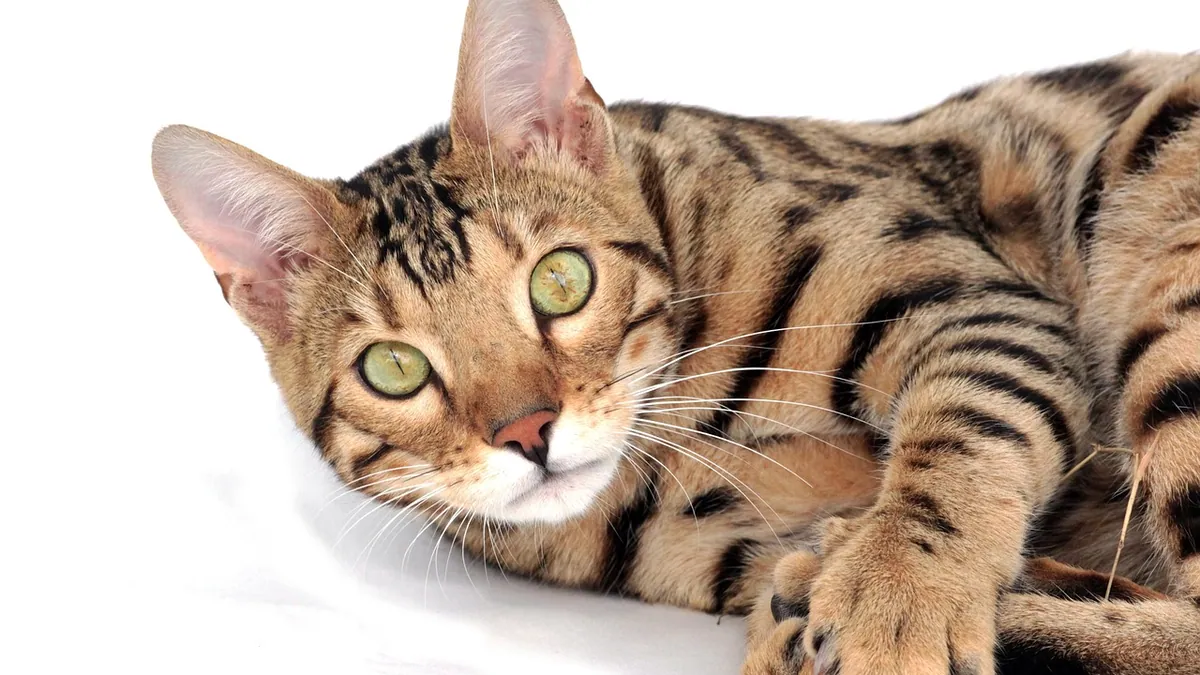
What do kittens eat at 6 weeks? By 6 weeks, most kittens are eating soft, moist kitten food on their own, and many can start nibbling small amounts of dry kibble softened with water or kitten milk replacer. At 5 weeks, they are just beginning to sample solid food while still nursing or drinking formula.
This article is educational and is not a substitute for veterinary diagnosis or treatment.
Quick Answer
- At 5 weeks, offer a shallow dish of warmed wet kitten food mixed with kitten milk replacer 3 to 4 times a day while the kittens still nurse.
- At 6 weeks, most kittens can eat wet kitten food on their own and can try dry kitten kibble that has been softened with water or formula.
- Never feed cow's milk, which causes diarrhea in most kittens.
- Feed as much as a kitten will eat in 10 to 15 minutes, then remove the leftovers. Growing kittens need 3 to 4 meals a day at this age.
- Weigh each kitten every 1 to 2 days. A kitten that is not gaining weight needs to see a veterinarian.
What Do Kittens Eat at 6 Weeks? A Week-by-Week Plan
Weaning is a process, not a single day. Kittens are born with antibodies from their mother's colostrum, and that protection fades over the first weeks of life. Nutrition during this window helps support the immune system and the gut as the kitten transitions to solid food [1][2]. A study of weaned kittens found clear changes in immune markers and gut bacteria in the month after weaning, which is one reason a slow, careful transition matters [2].
Week 5: First Tastes of Solid Food
At 5 weeks, kittens are still nursing, but their eyes, ears, and coordination are developed enough to explore a food dish. Yes, kittens can eat cat food at 5 weeks, but it needs to be the right form.
Start with:
- A shallow saucer or plate, not a deep bowl
- Canned kitten food warmed to room temperature or slightly above
- A splash of kitten milk replacer mixed in to make a soupy paste
- A finger dab of the mixture on the kitten's lips to encourage licking
Offer this 3 to 4 times a day. Leave the kittens with their mother between meals so they can keep nursing. Most 5-week-olds will make a mess and eat very little at first. That is normal.
Week 6: Real Meals and the Kibble Question
By 6 weeks, most kittens are eating wet food with enthusiasm and nursing less. This is the age when owners ask about dry food.
Can kittens eat dry food at 6 weeks? Yes, but only if it is softened. Dry kibble straight from the bag is hard for small jaws and can be swallowed whole, which risks choking. Soak kibble in warm water or kitten milk replacer for 10 to 15 minutes until it is spongy, then mash it with a fork.
Can kittens eat kibble at 6 weeks? The same rule applies. Softened kibble is fine. Hard kibble is better saved for 8 weeks and older, once the molars are more developed.
Can kittens eat wet food at 6 weeks? Yes, and wet food should still be the main part of the diet. It is easier to chew and provides water, which helps prevent dehydration in small kittens.
A good 6-week plate looks like this:
- Two-thirds wet kitten food
- One-third softened dry kibble
- Fresh water in a shallow dish at all times
If you are comparing brands and formulas, this guide to Kitten Food covers what to look for on the label.
How Much to Feed a 5- to 6-Week-Old Kitten
There is no single universal portion size, because kittens vary in size and litter size affects how much each kitten nurses. A practical approach:
- Put down about 1 to 2 tablespoons of wet food per kitten per meal at 5 weeks.
- Increase to 2 to 3 tablespoons per kitten per meal by 6 weeks.
- Let the kitten eat until it walks away or loses interest, usually within 10 to 15 minutes.
- Remove uneaten food after 20 to 30 minutes to prevent spoilage.
- Feed 3 to 4 meals a day.
Weigh each kitten on a kitchen scale every 1 to 2 days. Steady weight gain is the best sign that the plan is working. Kittens in a study that ate more calories gained more weight in weeks 6 through 10, so intake and growth track together [3].
Feeding Schedule at a Glance
| Age | Nursing | Solid food | Meals per day | Kibble |
|---|---|---|---|---|
| 5 weeks | Still nursing often | Wet food mixed with formula | 3 to 4 | No, or only mashed into wet food |
| 6 weeks | Nursing less | Wet food plus softened kibble | 3 to 4 | Softened only |
| 7 to 8 weeks | Weaning off | Wet food plus dry kibble | 3 to 4 | Dry kibble introduced gradually |
Setting Up the Feeding Area
Small details make a big difference at this age.
- Use shallow, wide dishes. Deep bowls trap a kitten's whiskers and nose, and kittens may refuse to eat from them.
- Keep food and water away from the litter box.
- Feed the litter together but watch each kitten. A quiet kitten in a big litter can get pushed away from the plate.
- Warm the food slightly. Kittens are drawn to the smell of warm food.
- Wash dishes after every meal. Weaning kittens are prone to diarrhea, and clean dishes reduce the risk.
If a kitten is orphaned or the mother is not producing enough milk, use a commercial kitten milk replacer, never cow's milk. Your veterinarian can tell you how much formula a kitten needs based on its weight and body condition.
Signs Something Is Wrong
Weaning is a vulnerable time. Gut bacteria, immune markers, and metabolism all shift in the weeks after weaning, and some kittens struggle with diarrhea or slow growth during this transition [2]. Watch for these signs:
- No weight gain over 2 to 3 days, or any weight loss
- Diarrhea that lasts more than 24 hours
- Vomiting more than once
- Refusing all food for more than 12 hours
- A kitten that cries constantly, feels cold, or seems limp
- A bloated or hard belly
- Discharge from the eyes or nose, or sneezing
A kitten that stops eating can decline quickly. Do not wait several days to see if it improves.
Common Mistakes Owners Make
Free-feeding dry kibble too early. Hard kibble at 5 or 6 weeks is a choking risk and most kittens cannot chew it well. Soak it first.
Giving cow's milk. It causes diarrhea in most kittens and can lead to dehydration.
Switching foods suddenly. Change the ratio of wet to dry slowly over 7 to 10 days.
Leaving wet food out all day. Wet food spoils quickly, especially in warm weather. Pick it up after 20 to 30 minutes.
Assuming all kittens in the litter are eating. In litters of 4 or more, one kitten often gets less. Watch each kitten at every meal.
Feeding adult cat food. Growing kittens need more calories, protein, and minerals than adult cats. Adult food can shortchange them.
Adding human foods too soon. Kittens this age need kitten-formulated food. If you are curious about treats later on, see Can Cats Eat Eggs and Can Kittens Eat Tuna Everyday for what is safe once they are older.
What About Supplements?
Some owners ask about adding supplements during weaning. A controlled study of 50 kittens found that a supplement containing nucleotides, oligosaccharides, vitamin E, and beta-carotene improved antibody response to one vaccine compared with kittens on a standard dry kitten diet [1]. That does not mean every kitten needs a supplement. Most healthy kittens do fine on a complete kitten food. Ask your veterinarian before adding anything, because supplements can interact with each other and with medications.
Limitations and When to Contact a Veterinarian
This article gives general guidance for typical kittens. Every kitten is an individual, and a veterinarian who examines your kitten can give advice tailored to its weight, body condition, and health history.
Contact your veterinarian the same day if a kitten:
- Has not eaten in 12 hours
- Has diarrhea for more than 24 hours
- Vomits repeatedly
- Loses weight or fails to gain for 2 to 3 days
- Feels cold to the touch or seems weak
Go to an emergency clinic right away if a kitten:
- Is limp, unresponsive, or having trouble breathing
- Has a distended, painful belly
- Has bloody diarrhea or repeated vomiting with no interest in food
- Cannot stand or hold its head up
Call a routine visit if you are unsure about portions, if the mother cat is not producing enough milk, or if you want help choosing a kitten food. Your veterinarian can calculate exactly how much to feed based on your kitten's weight.
Frequently Asked Questions
Can a 5-week-old kitten survive on dry food alone?
No. At 5 weeks, kittens still need moisture and soft texture. Dry food alone is too hard to chew and does not provide enough water. If you use kibble at this age, soak it until it is soft and mix it with wet food or kitten milk replacer.
How do I know if my kitten is eating enough?
Weigh your kitten every 1 to 2 days on a kitchen scale. Steady weight gain is the clearest sign. A kitten that holds steady or drops weight for 2 to 3 days needs a veterinary check.
Is it okay to mix wet and dry food together?
Yes. Mixing softened kibble into wet food is a common way to transition kittens to dry food. Keep the mix at roughly two parts wet to one part dry at first, then adjust as the kitten grows.
Should I leave food out all day for weaning kittens?
No. Offer food at set meal times, 3 to 4 times a day, and remove what is left after 20 to 30 minutes. Free-feeding wet food invites spoilage and makes it hard to tell if each kitten is eating.
When can kittens stop nursing completely?
Most kittens are fully weaned between 8 and 10 weeks, though the exact timing varies. Keep offering kitten food and fresh water while the mother gradually reduces nursing. If a kitten seems hungry or is not gaining, talk to your veterinarian about adjusting the plan.
Related Articles
- Kitten Food
- Can Kittens Eat Tuna Everyday
- Can Dogs Eat Cat Food
- Smalls Cat Food
- Can Cats Eat Eggs
- Cat Not Eating But Acting Normal: How Long Can You Wait?
- What Do Kittens Eat at 5 Weeks? Feeding Guide
- 6-Week-Old Kitten Care: Needs, Milestones, and Feeding
- What Do Kittens Eat at 3 and 4 Weeks Old?
References
- A Dietary Supplement Containing Nucleotides, Oligosaccharides, Vitamin E and β-Carotene Promotes Immune Response and Gut Microbiota Changes in Kittens. Animals : an open access journal from MDPI, 2025.
- Dynamic development of gut microbiota and metabolism during and after weaning of kittens. Animal microbiome, 2025.
- Dried Whole Black Soldier Fly Larvae Consumption Supports Gestation, Lactation, and Growth in Cats. Animals : an open access journal from MDPI, 2025.