Can Kittens Eat Friskies? Wet and Pate Options Compared
By Dr. Zubair Khalid, DVM, MS, PhD ·
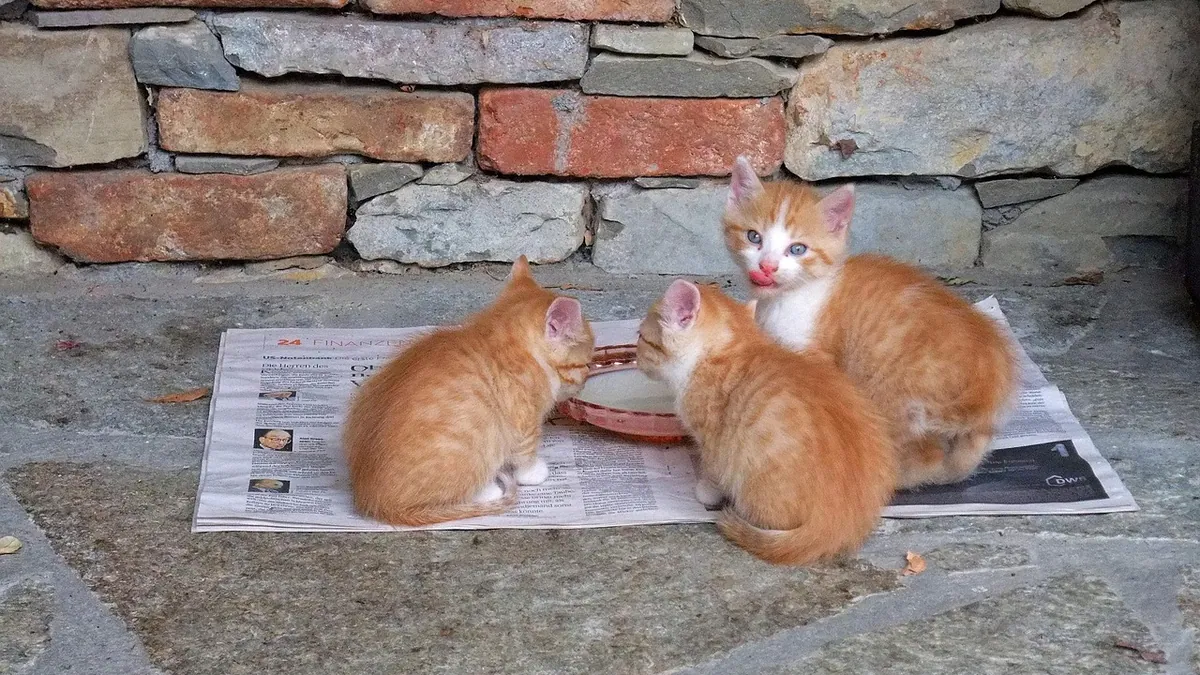
Yes, a kitten can eat Friskies wet food or pate in most cases, but it is not made for growth. Friskies is labeled for adult maintenance, so it does not carry the nutrient profile a kitten needs to build bone, muscle, and brain tissue. You can use it as a small treat or a short-term bridge, but a complete kitten food should be the base of the diet.
This article is educational and is not a substitute for veterinary diagnosis or treatment.
Quick Answer
- Most Friskies wet foods and pates are labeled for adult cats, not for growth or all life stages, so they are not a complete kitten diet on their own.
- A kitten can safely taste a spoonful of plain Friskies pate if it has no onion, garlic, or other toxic add-ons, but that taste should stay a small part of the day's calories.
- Kittens need more calories, protein, fat, calcium, and phosphorus per pound than adult cats, and adult maintenance food may not meet those targets.
- Wet food helps with water intake, which supports urinary health, so a kitten-appropriate canned food is a strong choice for the main diet [1].
- If your kitten eats a large amount of adult food for days, watch for vomiting, diarrhea, or poor weight gain, and call your veterinarian.
Can Kittens Eat Friskies? The Short Answer
Friskies is a family of grocery-store cat foods, and the great majority of its cans, pates, and dry bags carry an adult maintenance claim. That label means the food is formulated to keep a grown cat's weight and body condition steady. It does not mean the food is balanced for a kitten who is doubling or tripling birth weight in the first months of life.
Kittens are not small adults. They are growing animals with high energy needs, high protein needs, and tight calcium-to-phosphorus requirements for bone development. A food that keeps an adult cat healthy can leave a kitten short on some nutrients if it is the only thing fed for weeks. That is the core reason most veterinarians steer kitten owners toward a food labeled for growth or for all life stages.
The good news is that a single taste of Friskies pate is not a poisoning event. If your kitten licks a spoonful off your finger, you do not need to panic. The concern is what fills the bowl every day, not one bite.
Can Kittens Eat Friskies Wet Food?
Wet food has real advantages for cats of any age. Cats eating canned food take in more water with their meals, and that shows up in their urine. In one study, cats fed wet foods had lower urine density and higher urine volume than cats fed dry kibble [1]. Dilute urine is generally easier on the bladder and kidneys.
There is also a microbiome angle. Cats on dry kibble diets had significantly different gut bacteria than cats on canned wet food, with kibble-fed cats showing more Prevotella, Bifidobacterium, and Megamonas types linked to carbohydrate metabolism and metabolic disease [2]. That does not prove wet food is better for every cat, but it does show diet form changes the gut in measurable ways.
So the form is fine. The problem is the recipe. A Friskies wet food labeled for adult maintenance may not deliver the calcium, phosphorus, and protein balance a kitten needs. If you want to feed wet food to a kitten, pick a canned product labeled for growth or all life stages. You can read more about the general benefits of canned diets in Wet Cat Food.
Can Kittens Eat Friskies Pate?
Pate is usually the safest texture for a kitten. It is smooth, easy to lap, and less likely to be gulped in chunks that cause choking. Plain pate varieties without gravy, cheese sauce, or added seasonings are the least risky form.
Texture is not the same as nutrition, though. A pate labeled for adult cats is still an adult food. Some owners mix a spoonful of pate into a kitten's regular food to tempt a picky eater, and that is a reasonable short-term trick. Just keep the adult food as a small fraction of the total meal and keep the kitten food as the base.
Watch the ingredient panel on flavored or "with gravy" pates. Some contain onion or garlic powder, which damage red blood cells in cats. Any product listing onion, garlic, or a similar allium should stay away from your kitten entirely.
Friskies Forms Compared for Kittens
| Form | Safe for a kitten? | Notes |
|---|---|---|
| Plain pate, adult label | Small tastes only | Smooth texture, but not a complete growth diet |
| Chunky or shredded in gravy | Small tastes only | Check for onion or garlic in the gravy |
| Dry kibble, adult label | Not ideal as the main diet | Lower moisture, and dry diets shift gut bacteria and urine concentration [2][1] |
| Kitten or all-life-stages canned food | Yes | Best choice for the main diet |
| Kitten or all-life-stages dry food | Yes | Pair with wet food for water intake |
| Any Friskies with onion or garlic | No | Alliums are toxic to cats |
What Kittens Actually Need That Adult Food May Miss
A kitten's growth curve is steep. They need calorie-dense food, generous animal protein, and a mineral balance set for growing bones. Adult maintenance foods are built around a different set of targets.
Water matters too. Cats on dry diets often do not drink enough on their own, and total water intake stays lower than when they get moisture from food [3]. Wet food closes part of that gap. If you feed any dry food, adding a kitten-appropriate canned food helps.
Starch and protein ratios also affect urine chemistry. In one study, dry foods and high-starch formulas raised the relative supersaturation of urine for calcium oxalate, while wet foods lowered struvite supersaturation [1]. These are adult-cat findings, but they support the general point that moisture and recipe design shape urinary risk.
Risks of Feeding Friskies to Kittens
Nutritional gaps
The biggest risk is not a sudden illness. It is slow, quiet undernutrition. A kitten fed only adult maintenance food may gain weight poorly, look dull-coated, or lag in growth. Because kittens have little reserve, a few weeks of the wrong diet can matter.
Digestive upset
Switching foods quickly causes vomiting or diarrhea in many cats. A kitten's gut is small and easily thrown off. If you introduce any new food, do it slowly over several days, mixing a little into the old food.
Toxic ingredients
Onion and garlic are the main allium hazards in cat food. They damage red blood cells and can cause anemia. Check every label, including gravy and sauce varieties.
Additives and salt
High sodium foods and salty human-style mix-ins are not appropriate for kittens. One study found that high-moisture treats with added sodium and amino acids increased total water intake and lowered urine specific gravity in adult cats on dry diets [3]. That is a hydration effect, not a reason to feed salty food to a growing kitten. Keep salt levels normal and let your veterinarian guide any special needs.
Contaminants
A survey of commercial pet foods found per- and polyfluoroalkyl substances (PFAS) in many products, with fish-based recipes showing higher levels of some compounds, and average hazard quotients above 1 for dogs and cats in several products [4]. The authors note that species-specific toxicity data for cats are limited, so the risk estimate should be read with caution [4]. This is a broad pet food issue, not a Friskies-specific finding, but it is one more reason to rotate proteins and not rely on a single fish-heavy recipe.
Choking and bones
Friskies wet foods do not contain bones, so choking risk is low. Dry kibble can be gulped by a fast-eating kitten. If your kitten eats too fast and vomits, feed smaller meals more often.
How to Offer Friskies Safely
- Keep the main diet a kitten or all-life-stages food. Use Friskies only as a topper or a taste.
- Choose plain pate over chunky, shredded, or gravy styles.
- Read the label for onion, garlic, or "natural flavor" blends you cannot identify.
- Warm a spoonful to room temperature to boost aroma for a picky kitten.
- Introduce any new food over five to seven days, mixing increasing amounts into the regular food.
- Feed kittens several small meals a day. Free-feeding adult portions does not match a kitten's needs.
- Keep fresh water available at all times, and consider a fountain if your kitten likes moving water.
- Never leave wet food out for hours. Discard what is not eaten within about 30 minutes.
What to Do If Your Kitten Ate Too Much Friskies
If your kitten ate a normal-size portion of adult Friskies once, offer water, watch for vomiting or diarrhea, and go back to the kitten diet at the next meal. One meal is unlikely to cause harm.
If your kitten ate a product containing onion or garlic, call your veterinarian or a pet poison hotline right away. Do not wait for symptoms. Allium toxicity can develop over a day or two.
If your kitten ate a large amount of adult food for several days and is losing weight, not gaining, or acting tired, book a veterinary visit. A veterinarian can check weight, body condition, and blood work, and set a feeding plan for your kitten's size and age.
Safer Alternatives for Kittens
The simplest safe choice is a commercial food labeled for growth or all life stages. That label tells you the recipe meets kitten nutrient targets. You can learn more about what those foods contain in Kitten Food.
Canned kitten food is a strong base because it delivers moisture along with balanced nutrition. If cost is a concern, mix a kitten dry food with a kitten canned food, or use a small amount of adult pate as a topper on a kitten food base.
If you want to add human foods as occasional treats, keep them plain and cat-safe. Cooked plain meat without seasoning, a bit of cooked egg, or a small piece of melon are options. For melon, remove seeds and rind, as described in Can Cats Eat Watermelon? Hydration & Seed Hazards. Avoid processed meats, which are often high in salt and may contain onion or garlic, as covered in Can Cats Eat Uncooked Hot Dogs? Risks and Safer Options.
Limitations and When to Contact a Veterinarian
This article covers general feeding principles. Your kitten's weight, age, growth rate, and health history change what is right for them. Individual cases need a veterinarian who can examine your kitten and set a plan.
Call your veterinarian the same day if your kitten vomits repeatedly, has diarrhea lasting more than a day, refuses food for more than 12 hours, or seems weak or wobbly.
Go to an emergency clinic now if your kitten ate onion or garlic, has pale gums, breathes fast, collapses, or has a seizure.
Schedule a routine visit if your kitten is not gaining weight, has a dull coat, or you are unsure whether the current diet meets growth needs. A veterinarian can weigh your kitten, compare growth to expected curves, and adjust the feeding plan.
Frequently Asked Questions
Can kittens eat Friskies wet food every day?
A kitten can eat Friskies wet food daily only if the specific can is labeled for growth or all life stages. Most Friskies wet foods are adult maintenance, so they should not be the sole daily diet for a growing kitten. Use them as a topper and keep a kitten-labeled food as the base.
Can kittens eat Friskies pate as their main food?
Plain pate is the safest Friskies texture, but an adult-labeled pate is still not a complete kitten diet. It may fall short on the protein, fat, and mineral balance a kitten needs. Choose a pate labeled for kittens or all life stages if you want pate as the main food.
Is Friskies bad for kittens?
Friskies is not toxic to kittens in plain pate form. The issue is nutritional fit, because adult maintenance food is not designed for growth. Varieties with onion or garlic are a different story and should be avoided completely.
How much Friskies can I give my kitten?
There is no single safe amount that fits every kitten, because portion depends on age, weight, and the rest of the diet. Your veterinarian calculates the right amount from your kitten's weight and health. As a rule, keep any adult-labeled food a small share of daily calories.
What should I feed instead of Friskies?
Feed a commercial food labeled for growth or all life stages, ideally a canned kitten food for moisture. If you want to keep some Friskies, use plain pate as a small topper over a kitten food base. Ask your veterinarian to confirm the plan at your kitten's next visit.
Related Articles
- Wet Cat Food
- Can Cats Eat Watermelon? Hydration & Seed Hazards
- Kitten Food
- Can Cats Eat Uncooked Hot Dogs? Risks and Safer Options
- Can Cats Eat Crab? Shell Hazards and Sodium
- Can Cats Eat Hot Dogs
- Can Kittens Eat Only Dry Food? Pros and Cons
- Can Kittens Eat Kibble? A Guide to Dry Food
- Can Kittens Eat Adult Cat Food? Risks and Better Options
References
- Starch to protein ratio and food moisture content influence water balance and urine supersaturation in cats. PloS one, 2024.
- Cats on dry kibble diet have significantly different microbiome than those on canned wet food. npj veterinary sciences, 2026.
- Consuming treats with amino acids, osmolytes and sodium increased total water intake and decreased urine specific gravity of healthy cats. Journal of feline medicine and surgery, 2026.
- Widespread PFAS contamination in pet food: Dietary sources and health risks to companion animals. Environmental pollution (Barking, Essex : 1987), 2026.