What Do Kittens Eat at 3 and 4 Weeks Old?
By Dr. Zubair Khalid, DVM, MS, PhD ·
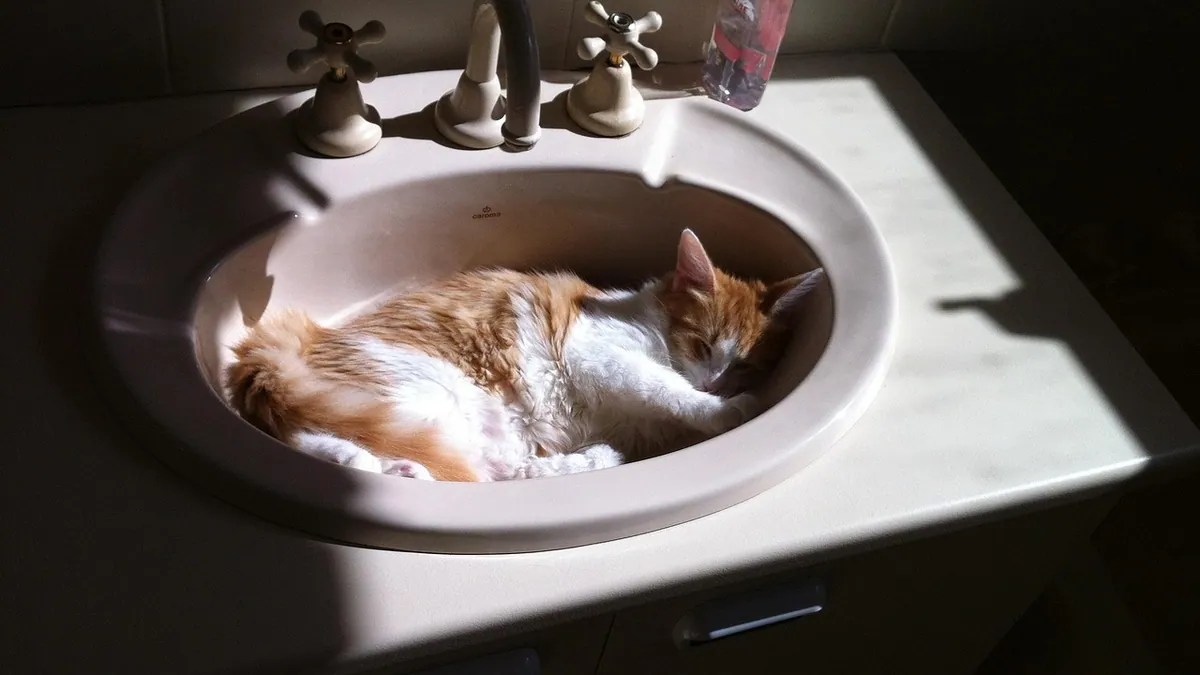
At 4 weeks old, most kittens are just starting the weaning transition. They still get most of their calories from kitten milk replacer or their mother's milk, but they can begin tasting soft, mushy kitten food. What do kittens eat at 4 weeks? A gruel made of milk replacer mixed with canned kitten food, offered several times a day while nursing or bottle feeding continues.
This article is educational and is not a substitute for veterinary diagnosis or treatment.
Quick Answer
- At 3 weeks, kittens still need mother's milk or a commercial kitten milk replacer as their main food. Solid food is not required yet.
- At 4 weeks, start the weaning transition by offering a warm gruel of milk replacer mixed with canned kitten food.
- Dry kibble alone is not safe at 4 weeks. It is too hard for small mouths and immature teeth.
- Feed the gruel 3 to 4 times a day in a shallow dish, and keep nursing or bottle feeding on demand.
- Weaning is a stressful life event for kittens and can affect their gut health, so make changes slowly [1].
What Do Kittens Eat at 3 Weeks Old?
At 3 weeks old, kittens are still in the pre-weaning stage. Their eyes are open, they are starting to walk, and their baby teeth are beginning to come in. Most of their nutrition still comes from the mother cat or from a bottle if you are hand rearing.
Commercial kitten milk replacers are made to copy the composition of queen's milk, which is why they are the correct choice for orphaned or supplement-fed kittens [2]. Cow's milk is not a substitute. It has a different nutrient profile and can cause digestive upset in kittens.
At this age, kittens eat small amounts often. A kitten's stomach is tiny, so feedings happen around the clock in the first weeks of life. By 3 weeks, many kittens can go a little longer between feedings, but they still need frequent meals. Your veterinarian can help you set a feeding amount based on your kitten's weight and body condition.
You may notice kittens mouthing at bedding or licking their siblings. That is normal exploratory behavior, not true eating. Do not rush solid food at 3 weeks. The digestive tract is still adapting, and the gut microbiome of pre-weaning kittens is quite different from that of older cats [3].
If you are hand raising a kitten this young, review the full protocol for warmth, feeding, and stimulation in Newborn Kitten Care 0-4 Weeks: Warmth Colostrum and Stimulation Protocol.
What Do Kittens Eat at 4 Weeks Old?
At 4 weeks, the weaning transition begins. This is the age when most kittens can start learning to eat from a dish. The food you offer should be soft, warm, and moist, never dry and hard.
The standard approach is a gruel. Mix canned kitten food with kitten milk replacer until it has a soupy, oatmeal-like texture. Warm it slightly to just above room temperature. Kittens are drawn to warmth and smell, so warm food is more appealing than cold food.
Can kittens eat cat food at 4 weeks? Yes, but only in this softened form. Canned kitten food is appropriate because it is moist and easy to lap. A kitten at this age cannot chew and swallow dry food safely.
Can kittens eat wet food at 4 weeks? Yes, wet kitten food mixed with milk replacer is the ideal first food. Offer it in a very shallow dish or saucer so the kitten does not have to reach down far. Some kittens step in the food at first. That is normal.
Can kittens eat kibble at 4 weeks? No. Dry kibble is too hard for a 4 week old kitten. Even if a kitten mouths a piece, it may not be able to break it down, and swallowing whole kibble can be a choking risk. Wait until the kitten is older and has more teeth before introducing dry food.
What do kittens need at 4 weeks old besides food? They need warmth, a clean sleeping area, frequent small meals, and gentle handling. They also still need their mother or a bottle for comfort and nutrition. Weaning is gradual, not a single switch.
Step-by-Step Weaning Plan for Weeks 3 to 5
Week 3: Milk Only
Keep feeding mother's milk or kitten milk replacer. Do not offer solid food yet. Watch for signs of readiness, such as interest in what the mother cat is eating.
Week 4: Introduce the Gruel
Start with one or two small offerings of gruel per day. Use a shallow dish. Let the kitten investigate at its own pace. Most of the kitten's calories still come from milk at this stage.
Week 4 to 5: Increase Gruel Feedings
Gradually increase to 3 or 4 gruel meals per day. Slowly reduce the amount of milk replacer in the mix so the texture thickens over time. Keep nursing or bottle feeding on demand.
Week 5 and Beyond: Transition to Canned Food
By 5 to 6 weeks, many kittens can eat canned kitten food with less added liquid. Dry food can be introduced later, once the kitten is eating wet food well and has enough teeth to chew.
Feeding Schedule and Amounts at 3 to 4 Weeks
| Age | Main Food | Texture | Feedings Per Day | Solid Food? |
|---|---|---|---|---|
| 3 weeks | Mother's milk or kitten milk replacer | Liquid | Frequent, on demand | No |
| 4 weeks | Milk plus gruel of canned food and replacer | Soupy | 3 to 4 gruel offerings plus milk | Yes, as gruel |
| 4 to 5 weeks | Milk plus thicker gruel | Soft mash | 3 to 4 | Yes, soft only |
| 5 to 6 weeks | Canned kitten food, less liquid | Moist | 3 to 4 | Yes, wet food |
Exact amounts depend on the kitten's weight and the product you use. Follow the feeding guide on the milk replacer label, and ask your veterinarian to calculate a target volume for your kitten. Do not guess at amounts for a very young kitten.
Supplies and Setup That Matter for Health
A few simple items make weaning safer and cleaner.
- Shallow saucers or small plates. Deep bowls are hard for small kittens to use.
- Kitten milk replacer made for cats. Do not use cow's milk or human infant formula.
- Canned kitten food. Look for a growth or all life stages formula.
- A food thermometer or your wrist. Warm the gruel to just above room temperature. Test it on your wrist the way you would test a bottle.
- A scale that measures in grams or ounces. Weigh your kitten every few days. Steady weight gain is the best sign that feeding is working.
- A warm, draft-free sleeping area. Kittens this age cannot regulate their body temperature well.
Clean the dishes and the kitten's face after each feeding. Milk residue on the face can lead to skin irritation.
Signs Something Is Wrong
Weaning is a common challenge for young mammals, and it can lead to diarrhea, poor growth, and in severe cases even death [1]. Watch closely for these signs.
- Diarrhea that lasts more than a day, or diarrhea with blood or mucus
- Vomiting after feedings
- No weight gain, or weight loss
- Refusing to eat or drink for more than a few hours
- Weakness, limpness, or constant crying
- A cold body, especially the paws and ears
- A distended or painful belly
- Trouble breathing or a discharge from the nose or eyes
Any of these signs in a 3 to 4 week old kitten is serious. Kittens this young can decline quickly.
Common Mistakes
Rushing the transition. Weaning should take one to two weeks or more. Pushing a kitten to eat solid food too fast can cause digestive upset.
Using dry kibble too early. Kibble is not safe at 4 weeks. Wait until the kitten is older and eating wet food well.
Using cow's milk. It is not formulated for kittens and can cause diarrhea. Use a commercial kitten milk replacer [2].
Feeding cold food. Kittens prefer warm food, and cold food may be less appealing.
Cutting off milk too soon. Milk replacer or mother's milk should stay available while the kitten learns to eat. Weaning is a gradual process.
Ignoring weight loss. A kitten that is not gaining weight needs veterinary attention.
Skipping the veterinarian visit. Kittens need a health check, deworming, and a vaccination plan. Your veterinarian can also help you fine-tune the feeding plan.
Supporting Gut Health During Weaning
The gut microbiome of a kitten changes a lot during and after weaning [1]. Pre-weaning kittens have lower microbial diversity than older cats, and their gut bacteria shift as they start eating solid food [3]. This is one reason weaning can be hard on the digestive system.
Some research suggests that certain nutritional ingredients can support the immune system and gut health of growing kittens. A diet containing bovine colostrum was linked to increased fecal IgA and a stronger antibody response to a rabies vaccine booster in kittens, along with more stable intestinal microbiota during a mildly challenging life event [4]. Yeast-derived nucleotides added to the diet of weaned kittens improved nutrient use and showed potential to support immune health [5].
These findings are interesting, but they do not replace basic good feeding practices. The most important steps are slow transitions, appropriate food texture, and prompt veterinary care when something seems wrong. If you want to know more about choosing a growth diet, see Kitten Food.
Limitations and When to Contact a Veterinarian
This article gives general guidance. Every kitten is an individual, and your veterinarian is the only person who can examine your kitten, weigh it, and set a feeding plan for its specific needs.
Contact your veterinarian the same day if your kitten has diarrhea for more than 24 hours, is vomiting, is not gaining weight, or is eating much less than usual.
Go to an emergency clinic right away if your kitten is limp, unresponsive, struggling to breathe, having seizures, or has a very cold body. Kittens this young can crash within hours.
Schedule a routine visit if your kitten has not seen a veterinarian yet. A first kitten exam covers weight, hydration, parasites, and a vaccination plan. If the mother cat is still in the home, her health matters too. See Pregnant Cat Care: Nutrition, Gestation, and Kitten Delivery for related guidance.
Frequently Asked Questions
Can I feed my 4 week old kitten only dry food?
No. Dry kibble is too hard for a 4 week old kitten to chew and swallow safely. Start with a soft gruel of canned kitten food mixed with kitten milk replacer, and wait until the kitten is older before offering dry food.
How do I know if my kitten is ready to wean?
Signs include interest in the mother's food, being able to hold its head steady, and mouthing at soft objects. Most kittens begin the transition around 4 weeks. If your kitten is not showing interest, keep feeding milk and try again in a few days.
Should I stop bottle feeding when I start gruel?
No. Milk replacer or mother's milk should stay available while the kitten learns to eat. Reduce milk gradually as the kitten eats more solid food, over one to two weeks or longer.
What if my kitten will not eat the gruel?
Try warming the food slightly, using a shallower dish, or offering it when the kitten is calm but a little hungry. Some kittens need several tries over several days. If your kitten refuses all food or seems weak, call your veterinarian.
Can kittens drink water at 4 weeks?
Kittens this age get most of their fluid from milk and moist food. You can offer a very shallow dish of fresh water, but do not expect much intake yet. Never let a young kitten go without milk or milk replacer while it is still learning to eat.
Related Articles
- Kitten Food
- Newborn Kitten Care 0-4 Weeks: Warmth Colostrum and Stimulation Protocol
- Pregnant Cat Care: Nutrition, Gestation, and Kitten Delivery
- Smalls Cat Food
- Dry Cat Food
- Cat Food
- What Do Kittens Eat at 5 Weeks? Feeding Guide
- Kitten Care by Age: 1 Week to 3 Months Explained
- Can Kittens Eat Hard Food? When to Switch
References
- Dynamic development of gut microbiota and metabolism during and after weaning of kittens. Animal microbiome, 2025.
- Feline Neonatal Care. The Veterinary clinics of North America. Small animal practice, 2025.
- Cross-sectional analysis of feline gut microbiota reveals differences across age-defined groups under varying environments. Frontiers in veterinary science, 2026.
- Supplementation of Diets With Bovine Colostrum Influences Immune and Gut Function in Kittens. Frontiers in veterinary science, 2021.
- Effects of dietary nucleotide supplementation on growth performance, immune function, and intestinal microbiota in weaned kittens. Frontiers in veterinary science, 2026.