What Do Kittens Eat at 5 Weeks? Feeding Guide
By Dr. Zubair Khalid, DVM, MS, PhD ·
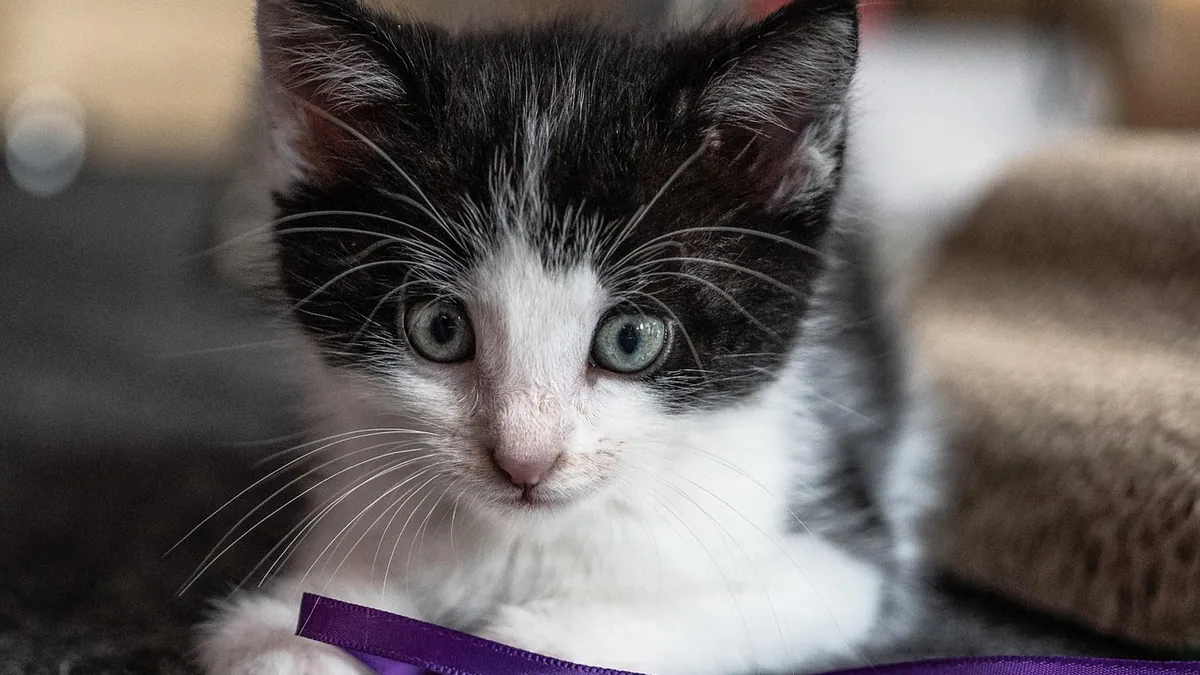
At 5 weeks old, kittens are in the middle of weaning, so they should be eating a soft, moist diet made of kitten food mixed with kitten milk replacer, while still nursing or taking a bottle. This is a transition period, so what do kittens eat at 5 weeks depends on how far along each kitten is, and you should expect messy meals and slow progress. This article is educational and is not a substitute for veterinary diagnosis or treatment.
Quick Answer
- Feed a mash of canned kitten food or moistened dry kitten food mixed with commercial kitten milk replacer, warmed to room temperature.
- Offer food 4 to 6 times a day in shallow saucers, and let the kittens eat as much as they want in about 20 to 30 minutes.
- Keep the mother cat or bottle feeding available, because weaning is gradual and kittens still need milk at this age.
- Never give cow's milk, and never give supplements unless your veterinarian approves them [1].
- Watch for diarrhea, weight loss, or a kitten who refuses all food, and call your veterinarian if you see these signs.
What 5-Week-Old Kittens Are Doing Developmentally
At 5 weeks, kittens are becoming mobile and curious. They are walking well, starting to play, and exploring their space. Their eyes and ears are open, and they are learning to control their bodies. This is also when they begin to show interest in what the mother cat is eating, which is your cue to start offering solid food.
Weaning is a major transition for a kitten's body. The gut microbiota and metabolism change quickly during and after weaning, and this period can bring diarrhea, poor growth, and in severe cases even death [2]. That is why the food you choose and how you offer it matter so much at this age.
Kittens are born with some protection from their mother's antibodies, but that protection declines over the first weeks of life [3]. Good nutrition during weaning helps support the immune system and gut health as that maternal protection fades [3]. If the mother cat is still nursing, she needs good nutrition too, which you can read about in our guide to Pregnant Cat Care: Nutrition, Gestation, and Kitten Delivery.
Can Kittens Eat Dry Food at 5 Weeks?
Most 5-week-old kittens cannot comfortably eat dry food straight from the bag. Their teeth are still coming in, and their jaws are not strong enough to crunch hard kibble. Dry food can also be hard to digest for a young kitten [1].
That said, you can use dry kitten food if you soften it first. Soak the kibble in warm kitten milk replacer or warm water until it turns into a soft mush. Mash any remaining hard pieces with a fork. This gives the kitten the texture it can handle while introducing the taste of solid food.
If you do use dry food, store it properly. Keep unused portions in a cool, dry place, check the expiration date before feeding, and store it in an airtight container to slow nutrient loss and keep fats from going rancid [1]. Dry food is convenient and less expensive, but it may be less palatable and less digestible than moist food depending on the ingredients [1].
Can Kittens Eat Wet Food at 5 Weeks?
Yes, canned kitten food is usually the easiest solid food to start with at 5 weeks. It is soft, moist, and smells appealing, which helps a hesitant kitten take the first bite.
Choose a canned food labeled for kittens or for growth. Mix it with a little kitten milk replacer to make a soupy paste at first. Over the next week or two, you can gradually reduce the milk replacer and let the food get thicker.
Warm the food slightly to bring out the aroma, but do not make it hot. Test it on your wrist the way you would test a bottle. If it feels comfortably warm, it is fine.
You can learn more about choosing a complete kitten diet in our article on Kitten Food.
Step-by-Step: How to Wean a 5-Week-Old Kitten
Step 1: Set up a feeding area
Use a shallow saucer or a flat plate. Deep bowls are hard for small kittens to eat from. Put the food on a washable mat or towel, because 5-week-olds will walk through their food and tip things over.
Step 2: Start with a soupy mix
Mix one part canned kitten food with one to two parts warm kitten milk replacer. Stir it into a paste with no lumps. Put a small amount on the plate and let the kitten investigate.
Step 3: Let the kitten lead
Some kittens dive in right away. Others need to walk through the food, lick it off their paws, or watch their mother eat. Do not force a kitten to eat. Offer the food and give it time.
Step 4: Reduce the liquid slowly
Over several days, add less milk replacer and more food. By the time the kitten is 6 to 8 weeks old, it should be eating moistened or canned food on its own. Some kittens move to dry food later, once their teeth and jaws are ready.
Step 5: Keep milk available
If the mother cat is present, let her nurse the kittens as she allows. If you are bottle feeding, keep offering the bottle. Weaning is a process, not a single day. Commercial kitten milk replacers are made to copy the mother's milk, so they are the right choice when the mother cannot nurse [4].
Step 6: Clean up after every meal
Remove leftover food within about 30 minutes. Wash the dishes and the feeding area. Young kittens are messy, and old food grows bacteria quickly.
5-Week-Old Kitten Diet and Feeding Schedule
| Time of day | What to offer | Notes |
|---|---|---|
| Early morning | Bottle or nursing, then a small saucer of mash | Start with milk so the kitten is not starving |
| Mid-morning | Saucer of mash | About 20 to 30 minutes, then remove |
| Early afternoon | Bottle or nursing | Keeps hydration and calories up |
| Late afternoon | Saucer of mash | Same mix as before |
| Evening | Bottle or nursing, then a small saucer | Some kittens eat better when calm |
| Before bed | Bottle or nursing | Helps the kitten settle for the night |
Offer food 4 to 6 times a day. Let the kitten eat as much as it wants during each meal. Do not restrict a growing kitten's food unless your veterinarian tells you to.
Weigh each kitten daily on a kitchen scale. A healthy kitten should gain weight steadily. If a kitten is losing weight or not gaining, that is a reason to call your veterinarian.
If you are also feeding an adult cat in the house, keep the adult's food out of reach. Kitten food and adult food are not the same, and adult diets do not meet a growing kitten's needs. For adult cats, portion size matters, and label guidelines can vary widely from calculated energy needs [5]. Our Cat Food Calculator: Feline Daily Calories, Feeding Portions, and Clinical Nutrition Guide can help you sort out adult portions.
Signs Something Is Wrong
Weaning is a common challenge for young mammals, and it often leads to diarrhea, growth retardation, and in severe cases even death [2]. Watch your kittens closely during this time.
Call your veterinarian if you see:
- Diarrhea that lasts more than a day, or diarrhea with blood or mucus
- A kitten that is losing weight or not gaining
- A kitten that refuses all food for more than one meal
- Vomiting that repeats
- A kitten that seems weak, cold, or unusually quiet
- A mother cat who stops producing milk, seems ill, or rejects the kittens
Kittens can decline quickly. A 5-week-old has very little reserve, so a problem that would be minor in an adult cat can become serious in a day.
Common Mistakes to Avoid
Giving cow's milk. Cow's milk is not a substitute for kitten milk replacer. It can cause digestive upset in kittens.
Adding supplements. A balanced kitten diet does not need supplements, and supplements can be harmful. Never give them without your veterinarian's approval [1].
Rushing the transition. Going from milk to dry kibble overnight can cause digestive problems. Move slowly over one to two weeks.
Leaving food out all day. Moist food spoils quickly. Offer it, then remove what is left after about 30 minutes.
Forgetting water. Cats should have access to clean, fresh water at all times [1]. Even kittens eating moist food need water available.
Ignoring the mother cat's diet. If the mother is nursing, she needs a complete and balanced diet to support milk production and her own health. Feeding her well helps the kittens.
Assuming all kittens in a litter progress at the same rate. Some kittens wean faster than others. That is normal. Feed each kitten where it is, not where its littermates are.
Supplies and Setup That Matter for Health
You do not need much, but the right setup makes feeding safer and easier.
- Shallow saucers or flat plates for each kitten
- Kitten milk replacer, mixed fresh according to the label
- Canned kitten food or dry kitten food to soften
- A kitchen scale for daily weights
- A washable mat under the feeding area
- Clean, fresh water in a shallow bowl
- An airtight container for dry food, stored in a cool, dry place [1]
If you are hand feeding a kitten that is not yet eating solid food well, keep using a bottle with a kitten-specific nipple. Bottle feeding a young kitten takes attention to technique, timing, and the kitten's physical needs [4]. Ask your veterinarian or an experienced foster to show you how if you are new to it.
Nutrition can support the immune system and gut microbiota during weaning, and some diets and supplements are designed with that in mind [3]. Early-life microbial colonization is a key part of development, and the period after birth is a time of rapid change in the gut [6]. Do not add anything to your kitten's food without asking your veterinarian first.
If your kitten stops eating at any age, that is a warning sign. Our guide Why Is My Cat Not Eating? A Vet-Reviewed Guide for Pet Owners explains what to look for and when to get help. For a broader look at feline nutrition, see Cat Food Nutrition: Choosing the Best Diet for Your Feline.
Limitations and When to Contact a Veterinarian
Every kitten is an individual, and this article cannot cover every situation. A veterinarian who examines your kitten can give advice based on its weight, health, and history.
Contact your veterinarian the same day if a kitten has diarrhea for more than 24 hours, vomits more than once, refuses food for more than one meal, or is not gaining weight.
Go to an emergency clinic now if a kitten is limp, cold to the touch, unresponsive, having trouble breathing, or having repeated vomiting or diarrhea with weakness.
Schedule a routine visit if you are unsure about the weaning plan, if the mother cat seems unwell, or if you need help choosing a kitten diet. Your veterinarian can also check weight gain, look for parasites, and set up a vaccination schedule.
Frequently Asked Questions
Should I still let the mother cat nurse at 5 weeks?
Yes, most 5-week-old kittens still nurse between solid meals. Weaning is gradual, and cutting off nursing suddenly can stress both the kittens and the mother. Let the mother set the pace, and offer solid food alongside nursing.
How much food should a 5-week-old kitten eat at each meal?
Offer as much as the kitten wants during each feeding, and remove leftovers after about 30 minutes. Kittens at this age are growing fast and should not be portion restricted. Track daily weight to confirm the kitten is getting enough.
Can I feed a 5-week-old kitten adult cat food?
No, adult cat food does not meet a growing kitten's nutritional needs. Feed a diet labeled for kittens or for growth. If you have both adult cats and kittens, feed them separately so each gets the right food.
What if my kitten will not eat solid food yet?
Keep offering the mash and keep bottle feeding or nursing. Some kittens need more time, and forcing food can create a bad association. If the kitten is not gaining weight or seems weak, call your veterinarian.
Do 5-week-old kittens need water?
Yes, offer clean, fresh water at all times, even if the kitten is still nursing or taking a bottle [1]. Use a shallow bowl so the kitten can reach it easily. Change the water daily and keep it away from the food dish if the kitten tends to make a mess.
Related Articles
- Kitten Food
- Pregnant Cat Care: Nutrition, Gestation, and Kitten Delivery
- Why Is My Cat Not Eating? A Vet-Reviewed Guide for Pet Owners
- Cat Food Calculator: Feline Daily Calories, Feeding Portions, and Clinical Nutrition Guide
- Cat Food Nutrition: Choosing the Best Diet for Your Feline
- Cat Not Eating But Acting Normal: How Long Can You Wait?
- What Can 5- and 6-Week-Old Kittens Eat?
- What Do Kittens Eat at 3 and 4 Weeks Old?
- 6-Week-Old Kitten Care: Needs, Milestones, and Feeding
References
- Feeding Your Cat. Cornell University College of Veterinary Medicine.
- Dynamic development of gut microbiota and metabolism during and after weaning of kittens. Animal microbiome, 2025.
- A Dietary Supplement Containing Nucleotides, Oligosaccharides, Vitamin E and β-Carotene Promotes Immune Response and Gut Microbiota Changes in Kittens. Animals : an open access journal from MDPI, 2025.
- Feline Neonatal Care. The Veterinary clinics of North America. Small animal practice, 2025.
- Energy intake recommendations from cat food labels sold in Ontario, Canada, diverge from predictive equations for adult cat maintenance. Journal of the American Veterinary Medical Association, 2025.
- The perinatal microbiota in dogs and cats: a narrative review from human research to veterinary practice. Frontiers in veterinary science, 2026.