Labored Breathing in Dogs After a Seizure: What to Do
By Dr. Zubair Khalid, DVM, MS, PhD ·
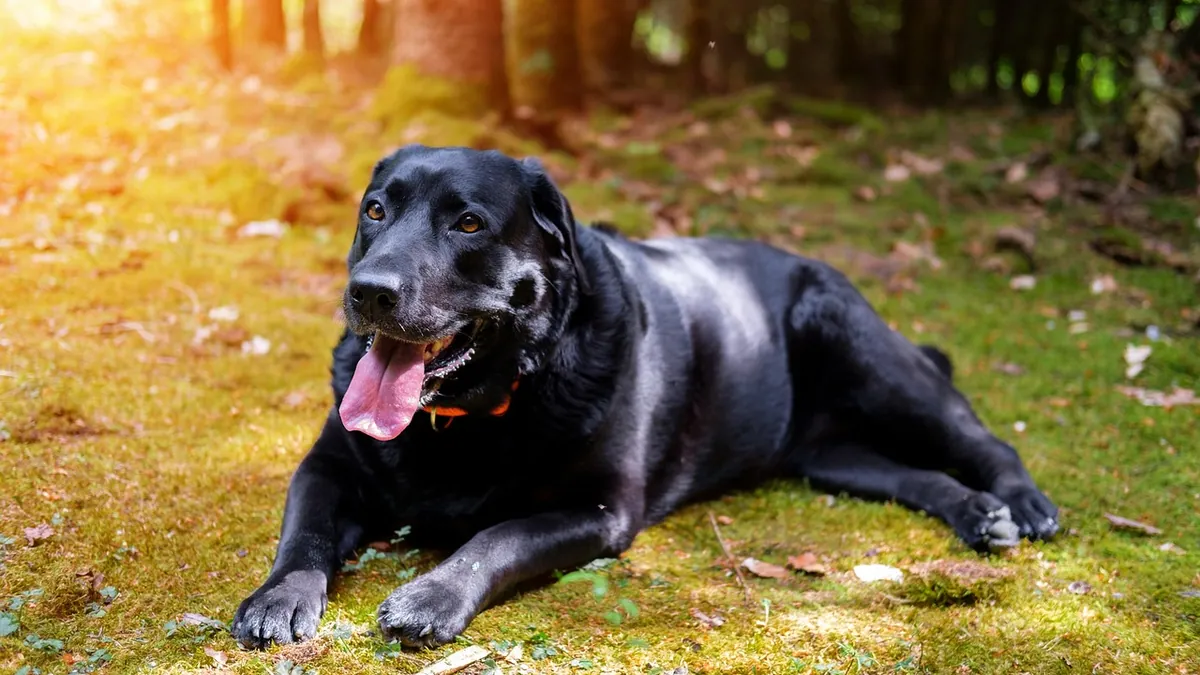
Labored breathing in dogs after a seizure is common and often settles within minutes to a couple of hours as the brain and body recover. The key is telling normal post-ictal panting apart from true respiratory distress, which needs emergency care right away. This article is educational and is not a substitute for veterinary diagnosis or treatment.
Quick Answer
- Mild to moderate panting, fast breathing, and restlessness right after a seizure are common and usually ease over 5 to 30 minutes.
- Breathing that gets worse instead of better, or that lasts more than 30 minutes, is a reason to call your veterinarian or an emergency clinic.
- Blue, gray, or white gums and tongue, gasping, or a neck stretched straight out to breathe are emergencies. Go now.
- Keep your dog cool, quiet, and away from stairs or furniture during recovery, and do not put anything in the mouth.
- If seizures are clustering or lasting longer than 5 minutes, that is an emergency even if the breathing looks okay.
What Labored Breathing in Dogs After a Seizure Looks Like
A seizure is a burst of abnormal electrical activity in the brain. The body's muscles tighten and relax, the heart rate climbs, and body temperature can rise. When the seizure stops, the brain does not simply switch back to normal. It goes through a recovery phase called the post-ictal period.
During that phase, many dogs breathe fast and hard. You may see:
- Open-mouth panting with a wide chest
- Fast, shallow breaths
- Noisy breathing or snoring sounds
- Restlessness, pacing, or pressing the head into things
- Temporary blindness, wobbling, or confusion
This is the post-ictal breathing pattern most owners describe as "breathing heavy after seizure." It usually improves as the dog becomes more aware of their surroundings.
What Is Normal After a Seizure
Normal post-ictal breathing is fast but smooth. The dog is getting air. The gums stay pink. The dog may pant hard for several minutes and then gradually slow down. Some dogs sleep deeply afterward. Others pace and whine.
The post-ictal period can last from minutes to a few hours, and it varies a lot between dogs. If your dog has had seizures before and this recovery looks like the usual one, close monitoring at home is often reasonable. If anything looks different from previous episodes, treat it as a change worth a phone call.
What Is Not Normal
Breathing that is not normal has clear features:
- The effort is extreme. The belly pulls in hard with each breath, or the dog's whole body rocks.
- The dog cannot lie down or rest. They stand with elbows out and neck extended.
- The gums, tongue, or lips look blue, gray, or white.
- There is gasping, choking, or a whistling sound.
- Breathing keeps speeding up instead of slowing down.
- The dog collapses or becomes unresponsive.
Any of these means the dog is struggling to breathe after a seizure, and that is an emergency.
Main Causes of Breathing Changes After a Seizure
Breathing trouble after a seizure can come from the seizure itself or from a separate problem that triggered the seizure. The table below covers the most common causes and how urgent each one is.
| Cause | Typical clues | How urgent |
|---|---|---|
| Normal post-ictal panting | Fast breathing that slowly settles, pink gums, dog gradually becomes alert | Monitor at home, call if it does not improve |
| Heat and exertion from the seizure | Heavy panting, warm body, recent full-body seizure | Monitor, cool gently, call if it lasts |
| Aspiration (inhaling saliva or vomit) | Coughing, gurgling, wet sounds, breathing worsens over hours | Emergency |
| Airway obstruction | Loud raspy or whistling breathing, retching, distress | Emergency |
| Fluid in or around the lungs | Rapid shallow breathing, reluctance to lie down, worse when resting | Emergency |
| Pain, anxiety, or medication effects | Panting with pacing, normal gum color, recent drug dose change | Call your veterinarian |
| Underlying heart or lung disease | Long-standing cough, exercise intolerance, episodes at night | Same-day to urgent visit |
| Low oxygen from any cause | Blue or gray gums, weakness, collapse | Emergency |
Some of these overlap. A dog can have normal post-ictal panting and also be developing aspiration pneumonia. That is why watching the trend matters more than judging a single moment.
Respiratory problems are a major source of risk in dogs around anesthesia and sedation, and postoperative respiratory depression and other pulmonary complications are common in companion animal practice [1]. That matters here because emergency seizure treatment often involves sedative and anesthetic drugs, and those drugs can depress breathing. A dog that received injectable sedation or anesthesia for a seizure may breathe slowly or shallowly afterward, which is different from post-ictal panting. Postoperative hypoxemia has been documented in a significant percentage of dogs in prospective studies, and contributors include central ventilatory depression from anesthetics, opioids, propofol, alfaxalone, and alpha-2 agonists, plus upper airway obstruction, especially in flat-faced breeds [2]. If your dog is a bulldog, pug, Boston terrier, or similar breed, airway noise after a seizure deserves extra attention.
Red Flags That Make It an Emergency
Call an emergency clinic immediately, or go, if you see any of these:
- Gum or tongue color that is blue, gray, purple, or white
- Gasping, or breathing that stops and starts
- Breathing that is getting worse over 10 to 15 minutes
- A seizure lasting longer than 5 minutes
- Two or more seizures in a row without full recovery in between
- Collapse, extreme weakness, or unresponsiveness
- A swollen or bloated abdomen with labored breathing
- Vomiting followed by wet, gurgling breathing
- A body temperature that feels very hot to the touch
Seizure clusters and prolonged seizures are emergencies on their own. They can also cause breathing problems, so do not wait to see if the breathing settles first.
Safe Things You Can Do at Home While Waiting
Your job during recovery is to keep your dog safe and calm, and to gather information for the veterinarian.
Do These Things
- Clear the area of furniture, stairs, and sharp edges.
- Keep the room quiet and dim. Turn off loud TVs and keep other pets away.
- Let the dog lie on a flat surface with the head slightly lower than the chest if they will allow it.
- If the dog is hot, wipe the paws and belly with a cool damp towel. Do not use ice water.
- Time the seizure and the breathing. Note the start time, how long the seizure lasted, and how long the heavy breathing lasts.
- Record what you see on video if you can do it safely from a distance.
- Call your veterinarian or an emergency clinic and describe what you are seeing.
Do Not Do These Things
- Do not put your fingers, a spoon, or any object in your dog's mouth.
- Do not try to give pills, water, or food until the dog is fully alert and swallowing normally.
- Do not hold the dog down or restrain them tightly.
- Do not leave the dog alone on a couch, bed, or stairs.
- Do not wait hours to call if the breathing is getting worse.
If you are unsure whether this is a normal recovery, call. Veterinary staff would much rather answer a worried phone call than treat a dog who waited too long.
For more on what to do in the first minutes after a seizure, see Dog Seizures What To Do After and Dog Had Seizure What To Do.
What Your Veterinarian Will Check and Test
When you arrive, the team will focus first on whether your dog is getting enough oxygen.
Immediate Assessment
- Gum color and capillary refill time
- Breathing rate, effort, and sounds in all lung fields
- Heart rate and rhythm
- Temperature
- Oxygen level using a pulse oximeter or blood gas
- Neurologic status and level of consciousness
If oxygen is low, the veterinarian may give supplemental oxygen by mask, flow-by, or oxygen cage. In some cases, positive end-expiratory pressure (PEEP) is used during anesthesia to help prevent collapse of small airways, though adding PEEP alone has shown limited effects on oxygenation in some dogs, and successful use may require other maneuvers too [3].
Tests Your Veterinarian May Recommend
- Blood work, including glucose, electrolytes, and organ values
- Chest X-rays to look for aspiration, fluid, or masses
- Blood gas to measure oxygen and carbon dioxide
- Seizure medication levels if your dog is on anticonvulsants
- Heart evaluation if a heart problem is suspected
- Airway exam, especially in flat-faced breeds
The exact plan depends on your dog's history, breed, and exam findings. Your veterinarian sets the tests and any drug doses based on your dog's weight and health.
Preventing and Monitoring Breathing Problems After Seizures
Good seizure control is the best way to reduce post-ictal breathing episodes. Work with your veterinarian on medication timing, dose adjustments, and follow-up blood work. Keep a seizure diary with dates, times, duration, and what the recovery looked like. Patterns help your veterinarian adjust treatment.
A few practical habits help:
- Keep the room cool during recovery, since overheating makes panting worse.
- Avoid strenuous activity for the rest of the day after a seizure.
- Feed small, frequent meals if your dog vomits after seizures, once fully alert.
- Keep emergency clinic phone numbers posted where you can find them fast.
- Ask your veterinarian for a written seizure action plan.
If your dog has repeated post-ictal breathing episodes that seem to be getting worse, that is a reason for a recheck even if each episode passes. For a broader look at treatment options, see What Can Be Done For Dog Seizures.
Limitations and When to Contact a Veterinarian
Individual cases need a veterinarian. No article can tell you whether your dog's specific breathing pattern is safe, because that depends on the exam, oxygen level, and history.
Call your veterinarian the same day if:
- Breathing is faster or harder than in past seizures
- The dog seems painful, anxious, or unable to settle
- There is a new cough or noisy breathing
- You are unsure whether the seizure was fully typical
Go to an emergency clinic now if:
- Gums or tongue are blue, gray, or white
- The dog is gasping or working very hard to breathe
- Breathing is worsening instead of improving
- The seizure lasted more than 5 minutes or seizures are clustering
- The dog collapses or will not wake up
Schedule a routine visit if:
- Post-ictal breathing is stable but seizures are becoming more frequent
- You want to review medication timing or side effects
- You need a written seizure action plan for home
Frequently Asked Questions
How long does heavy breathing last after a dog seizure?
Most post-ictal panting eases within 5 to 30 minutes, though some dogs take a few hours to fully settle. If breathing is still heavy or getting worse after 30 minutes, call your veterinarian. Breathing that worsens at any point is an emergency.
Is it normal for a dog to pant and pace after a seizure?
Yes, panting and pacing are common during post-ictal recovery. The brain is still calming down, and many dogs are confused or temporarily blind. Keep the area safe and quiet, and let the dog settle on their own. If the pacing never stops or the dog cannot rest at all, call your veterinarian.
Can a seizure cause fluid in the lungs in dogs?
A seizure itself does not usually fill the lungs with fluid, but aspiration of saliva or vomit during or after a seizure can lead to pneumonia. Neurogenic pulmonary edema is possible after severe seizures but is not well established in veterinary research as a common cause. Wet or gurgling breathing after a seizure needs emergency care.
Should I give my dog water or food right after a seizure?
No. Wait until your dog is fully alert, standing steadily, and swallowing normally before offering small sips of water. Offering food or water too early raises the risk of choking and aspiration. If your dog is on seizure medication, ask your veterinarian when to give the next dose.
When should I worry after a dog seizure?
Worry when breathing gets worse instead of better, when gums change color, when the dog gasps or cannot lie down, or when seizures cluster or last longer than 5 minutes. Any of these means emergency care. If the recovery looks like previous episodes and the dog is gradually returning to normal, close monitoring at home is usually fine.
Related Articles
- Dog Seizures What To Do After
- What Can Be Done For Dog Seizures
- Dog Had Seizure What To Do
- Dog Seizures What To Do
- Dog Has Seizure What To Do
- Dog Having Seizure What To Do
- Labored Breathing in Dogs: What It Means and When to Worry
- Seizures in Dogs While Sleeping: Causes and What to Do
- Rectal Diazepam for Dogs: Emergency Seizure Use
References
- Postoperative Respiratory Depression and Other Postoperative Pulmonary Complications in Veterinary Practice: A Narrative Review. Cureus, 2026.
- Need for Pharmacologic Targets and Therapeutics for Postoperative Respiratory Depression and Pulmonary Complications in Veterinary Medicine. Journal of pain research, 2026.
- Simply adding positive end-expiratory pressure has limited effects on oxygenation in obese dogs. Topics in companion animal medicine, 2026.