Hypothermia in Cats After Surgery and Other Causes
By Dr. Zubair Khalid, DVM, MS, PhD ·
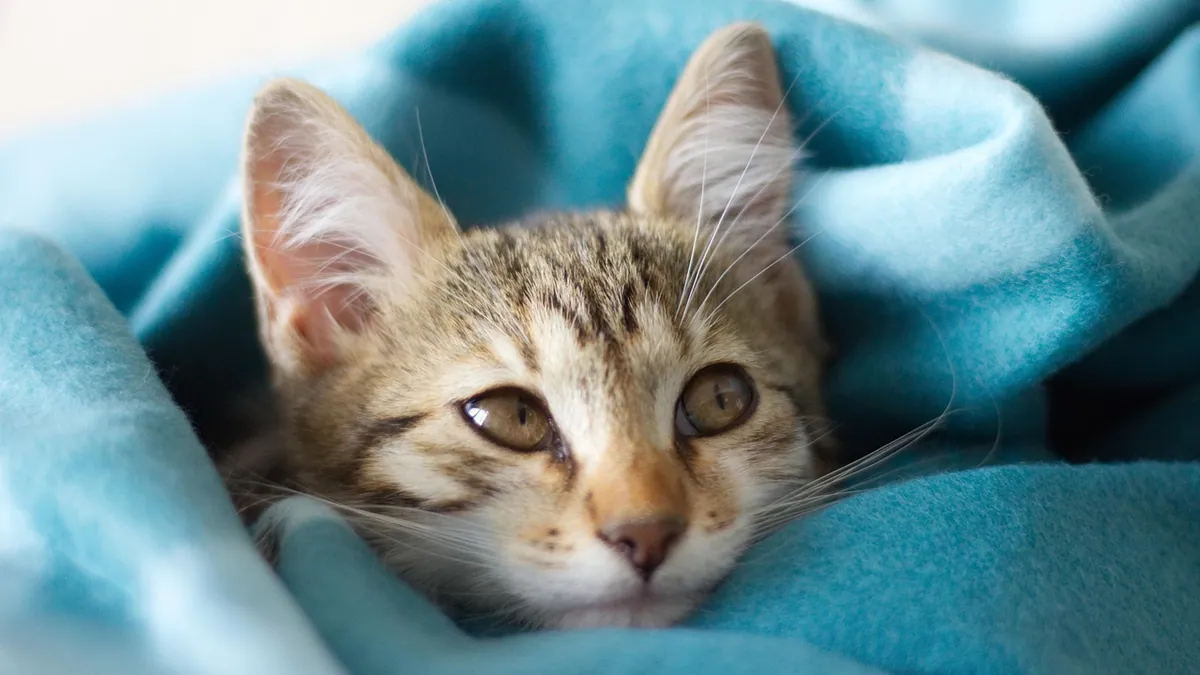
Hypothermia in cats after surgery is a drop in core body temperature that happens because anesthesia interferes with the body's ability to hold heat. Mild cases are common and often correct themselves with warming support, but a low body temperature can also signal serious illness or become life threatening if it goes untreated. This article is educational and is not a substitute for veterinary diagnosis or treatment.
Quick Answer
- Normal rectal temperature for a cat is about 101.5 to 102°F (38.6 to 38.9°C) [1].
- Mild hypothermia is a temperature of 36.8 to 37.7°C (about 98.2 to 99.9°F), and critical hypothermia is 33°C (about 91.4°F) or below [2].
- Anesthetized cats lose heat fast, roughly 0.09 to 0.12°F per minute in the first 30 minutes of anesthesia in one study of cats having surgery [3].
- Shivering is not a reliable sign of hypothermia, so do not use it to judge how cold your cat is [1].
- If your cat is confused, collapsed, breathing shallowly, or has a slow pulse, treat it as an emergency and go to a veterinarian now [1].
What Hypothermia in Cats Means in Plain Words
Hypothermia means the body's core temperature has fallen below normal. A cat's body works best within a narrow temperature range, and when it drops too far, organs and normal body functions start to slow down.
Veterinarians stage hypothermia by how low the temperature goes. Using triage temperatures recorded when cats arrive at an emergency department, the categories are normothermia (37.8 to 39.7°C), mild hypothermia (36.8 to 37.7°C), moderate hypothermia (35.6 to 36.7°C), severe hypothermia (33.1 to 35.5°C), and critical hypothermia (33°C or below) [2]. These numbers matter because lower temperatures are linked to worse outcomes in sick cats [2].
Mild hypothermia is not always dangerous by itself. In healthy cats under anesthesia, mild hypothermia changed how intravenous fluids moved through the body, which shows that even a small temperature drop affects normal physiology [4]. That is one reason veterinary teams work hard to keep surgical patients warm.
Why Cats Get Cold After Anesthesia
Anesthesia is the most common reason a cat's temperature drops in the hospital. Anesthetic drugs reduce muscle activity and shivering, open up blood vessels, and blunt the body's normal temperature control. Surgery adds more heat loss because the body cavity or skin is exposed, and cool fluids or cool air in the room pull heat away.
The drop can be quick. In one study of cats having spay surgery, core temperature fell about 0.12°F per minute in the first 30 minutes in cats with no warming support, 0.11°F per minute with passive insulation, and 0.09°F per minute with active warming [3]. After the first 30 minutes, the rate of decline slowed [3]. This pattern is why warming starts before anesthesia and continues through recovery.
Other factors add to the risk. Longer anesthesia time, a cold operating room, and open body cavities all increase heat loss. Positioning during surgery can matter too, since cats placed in certain positions during procedures such as perineal urethrostomy can develop hypothermia along with other anesthetic complications [5]. Cats that are already sick, thin, very young, or very old have less reserve to keep themselves warm.
Other Causes of Low Body Temperature in Cats
Anesthesia is not the only cause. Any serious illness can push a cat's temperature down because the body redirects energy away from heat production. Severe infections, shock, heart failure, kidney disease, and trauma can all cause hypothermia.
Cold exposure is another cause. A cat that is lost, wet, or trapped outside in freezing weather can become hypothermic, and this usually happens when an animal is exposed to cold for a long time [1]. Frostbite can happen at the same time.
Some toxins and metabolic problems also cause low temperature. One report described a cat with dangerously high magnesium levels from an at-home supplement who arrived with stupor, hypothermia, and a slow heart rate [6]. This is a reminder that supplements and human medications can cause serious problems in cats.
Cold legs and paws can also point to poor circulation from shock or a blood clot, which is a different emergency. If your cat's limbs feel cold and the gums are pale or blue, read Why Is My Cat having cold extremities? Arterial Thromboembolism and Shock and call your veterinarian right away.
Signs Owners Notice
Mild hypothermia can be easy to miss. Your cat may feel cool to the touch, especially on the ears, paws, and belly. It may seem sleepy, quiet, or slow to respond after coming home from surgery.
As hypothermia gets worse, signs become clearer. A slow pulse, shallow breathing, confusion, collapse, or unconsciousness are all warning signs [1]. Shivering may or may not be present, and it is not a dependable clue [1].
| Stage | Temperature (rectal) | What you may see | What to do |
|---|---|---|---|
| Mild | 36.8 to 37.7°C (98.2 to 99.9°F) [2] | Cool ears and paws, sleepiness, slow recovery from anesthesia | Warm at home if your cat is alert and otherwise stable, and call your vet |
| Moderate | 35.6 to 36.7°C (96.1 to 98.1°F) [2] | Weakness, reluctance to move, cool body | Call your veterinarian the same day |
| Severe | 33.1 to 35.5°C (91.6 to 95.9°F) [2] | Confusion, collapse, slow pulse, shallow breathing | Emergency visit now |
| Critical | 33°C (91.4°F) or below [2] | Unconsciousness, very slow breathing, barely detectable pulse | Emergency visit now |
How Veterinarians Diagnose It
Diagnosis starts with a rectal temperature. This is the most practical way to measure core temperature in a cat, and it is the measurement used in the staging system above. A veterinarian will also check heart rate, breathing rate, gum color, and mental status.
Your veterinarian will ask about the timeline. When did surgery happen? How long was the cat under anesthesia? Was the cat wet or outside in the cold? What medications or supplements does the cat take? The magnesium case shows why a full medication history matters, since an at-home supplement was the cause of a serious problem [6].
Blood work and other tests help find the underlying cause. If a cat is hypothermic after anesthesia, the cause is usually clear. If a cat is hypothermic without a clear reason, the veterinarian will look for infection, organ disease, shock, or toxin exposure.
Treatment Options
Treatment depends on how low the temperature is and why it dropped.
Warming at home for mild cases
If your cat is alert, breathing normally, and only mildly cool after surgery, gentle warming at home may be enough. Dry your cat first if it is wet, then wrap warm (not hot) water bottles around the body [1]. Use a towel or blanket between the bottle and your cat's skin to prevent burns. You can also use a warm room, a blanket, and your own body heat.
Do not use very hot water, heating pads on high, or a hair dryer. Do not rub frostbitten areas, and do not apply snow or very hot water to them [1]. If you suspect frostbite, thaw the area slowly [1].
Hospital warming for moderate to severe cases
In the clinic, warming is more controlled. Veterinary teams use warmed blankets, forced-air warmers, circulating water blankets, and warmed intravenous fluids. Warmed inspired air through the anesthesia circuit is another tool. In anesthetized rabbits, adding warmed inspired air to a conductive warming mattress kept rectal temperature higher than a mattress alone [7]. A study of cats having flank spay surgery found that a heated anesthesia circuit kept temperatures steadier and higher as anesthesia went on, while temperatures in the standard circuit group dropped [8].
Insulating the legs and paws also helps. In cats under anesthesia, covering the extremities with highly insulating material slowed the rate of temperature drop, and adding active warming helped more [3]. This is why you may see your cat's legs wrapped in booties or blankets during and after surgery.
Treating the underlying cause
If hypothermia is caused by illness, the temperature will not stay normal until the illness is treated. That may mean antibiotics for infection, fluids for shock, treatment for kidney injury, or removal of a toxin. In the magnesium case, the cat needed 10 days of hospitalization before kidney and electrolyte values returned to normal [6].
If your cat has other complications after anesthesia, such as a slow return to normal gut function, see Cat Constipation After Surgery: What to Expect and How to Help. For a broader look at anesthesia problems, read Anesthetic Complications in Cats: Recognition and Salvage.
Recovery, Outlook, and Long-Term Management
For a healthy cat that becomes mildly hypothermic during routine surgery, the outlook is good. Temperature usually returns to normal within hours with warming support, and most cats go home the same day.
For a sick cat, the outlook depends on the cause. In a large study of cats arriving at an emergency department, triage body temperature was linked to outcome, which means a low temperature at arrival is a meaningful warning sign [2]. Cats with severe or critical hypothermia need intensive care and close monitoring.
Long-term management is usually about the underlying disease, not the temperature itself. If your cat has kidney disease, heart disease, or another chronic condition, keeping those conditions well controlled lowers the risk of future temperature problems. If your cat needed surgery, follow your veterinarian's discharge instructions closely, including any guidance on keeping your cat warm and quiet during the first day home.
Prevention
Prevention starts in the hospital. Veterinary teams warm patients before, during, and after anesthesia. They use insulating wraps, active warming devices, warmed fluids, and warmed breathing circuits [3][7][8]. They also keep anesthesia time as short as safely possible.
At home, you can lower the risk of cold exposure. Keep cats indoors during freezing weather. Dry your cat thoroughly if it gets wet in cold conditions. Provide warm, draft-free sleeping spots, especially for thin, young, or senior cats.
If your cat has surgery scheduled, ask what warming steps the clinic uses. Ask how your cat's temperature will be monitored during and after the procedure. If your cat comes home cool, ask your veterinarian what temperature to watch for and when to call.
Limitations and When to Contact a Veterinarian
Home warming is only appropriate for a cat that is alert, breathing normally, and only mildly cool. It is not a substitute for veterinary care when the temperature is dropping or your cat is acting sick. Individual cases need a veterinarian, so when in doubt, call.
Call your veterinarian the same day if your cat is mildly cool after surgery, is slow to wake up, or is not eating or drinking normally within the expected time frame.
Go to an emergency clinic now if your cat has a slow pulse, shallow breathing, confusion, collapse, or unconsciousness [1]. These are signs of severe hypothermia and need immediate treatment. Also seek emergency care if your cat's temperature is below 35.6°C (96.1°F), if your cat feels cold all over, or if cold limbs come with pale or blue gums.
If your cat was exposed to freezing weather, dry it first, then wrap warm (not hot) water bottles around the body [1]. Do not rub frostbitten areas or apply snow or very hot water [1]. Get to a veterinarian as soon as you can.
Frequently Asked Questions
How common is hypothermia in cats after surgery?
It is very common. Anesthetized cats lose heat quickly, and one study measured a drop of about 0.09 to 0.12°F per minute in the first 30 minutes of anesthesia [3]. This is why warming is a standard part of surgical care.
Can I warm my cat at home after anesthesia?
Yes, if your cat is alert, breathing normally, and only mildly cool. Dry your cat if it is wet, then wrap warm (not hot) water bottles around the body with a towel in between [1]. Call your veterinarian if your cat seems weak, confused, or is getting colder instead of warmer.
Is shivering a good sign that my cat is warming up?
No. Shivering is not a reliable sign of hypothermia, so it should not be used to judge your cat's temperature [1]. Use a rectal thermometer or have your veterinarian check the temperature instead.
What temperature is an emergency for a cat?
Severe hypothermia starts at 33.1 to 35.5°C, and critical hypothermia is 33°C or below [2]. Any temperature in the severe or critical range needs emergency care, especially with confusion, collapse, or slow breathing [1][2].
Does a heated anesthesia circuit prevent hypothermia in cats?
It can help. A study of cats having flank spay surgery found that a heated anesthesia circuit kept temperatures steadier and higher as anesthesia went on, while temperatures dropped in the standard circuit group [8]. Warming is usually combined with insulation and other methods for the best effect [3][7].
Related Articles
- Anesthetic Complications in Cats: Recognition and Salvage
- Cat Constipation After Surgery: What to Expect and How to Help
- Why Is My Cat having cold extremities? Arterial Thromboembolism and Shock
- Cat Heatstroke: Emergency Cooling Steps and When to Rush to the Vet
- Hypothermia in Dogs Treatment: Warming Protocol and Emergency Signs
- Anesthesia for Cesarean Section in Dogs and Cats: Maternal and Neonatal Considerations
- Hypothermia in Cats: At-Home Warming and When to Go
- Mild Hypothermia in Cats: Symptoms and Warming Steps
- Cat Anesthesia Recovery: What's Normal and When to Worry
References
- What to Do in a Dog or Cat Emergency - Special Pet Topics. Merck Veterinary Manual.
- Triage body temperature predicts outcome in cats at emergency department admission: a retrospective study of 1440 cases (January 2018 to December 2021). Journal of feline medicine and surgery, 2025.
- Insulating the extremities of cats with highly insulating materials during anesthesia reduces core temperature decline with additional benefit from active warming. Journal of the American Veterinary Medical Association, 2025.
- Mild hypothermia is associated with altered volume kinetic parameters of an intravenous crystalloid fluid bolus in healthy isoflurane-anesthetized cats. American journal of veterinary research, 2025.
- Effect of intraoperative positioning on anesthetic variables in cats undergoing a perineal urethrostomy. Journal of feline medicine and surgery, 2026.
- Hypermagnesemia in a Cat Secondary to Suspected Intoxication. Journal of veterinary emergency and critical care (San Antonio, Tex. : 2001), 2025.
- Efficacy of Warmed Inspired Air for Prevention of Perianesthetic Hypothermia in New Zealand White Rabbits (Oryctolagus cuniculus). Journal of the American Association for Laboratory Animal Science : JAALAS, 2025.
- An observational study investigating the efficacy of heated general anaesthetic circuits during feline flank ovariohysterectomies. The Veterinary record, 2026.