Foreign Body in a Dog's Eye: Signs and Safe Removal
By Dr. Zubair Khalid, DVM, MS, PhD ·
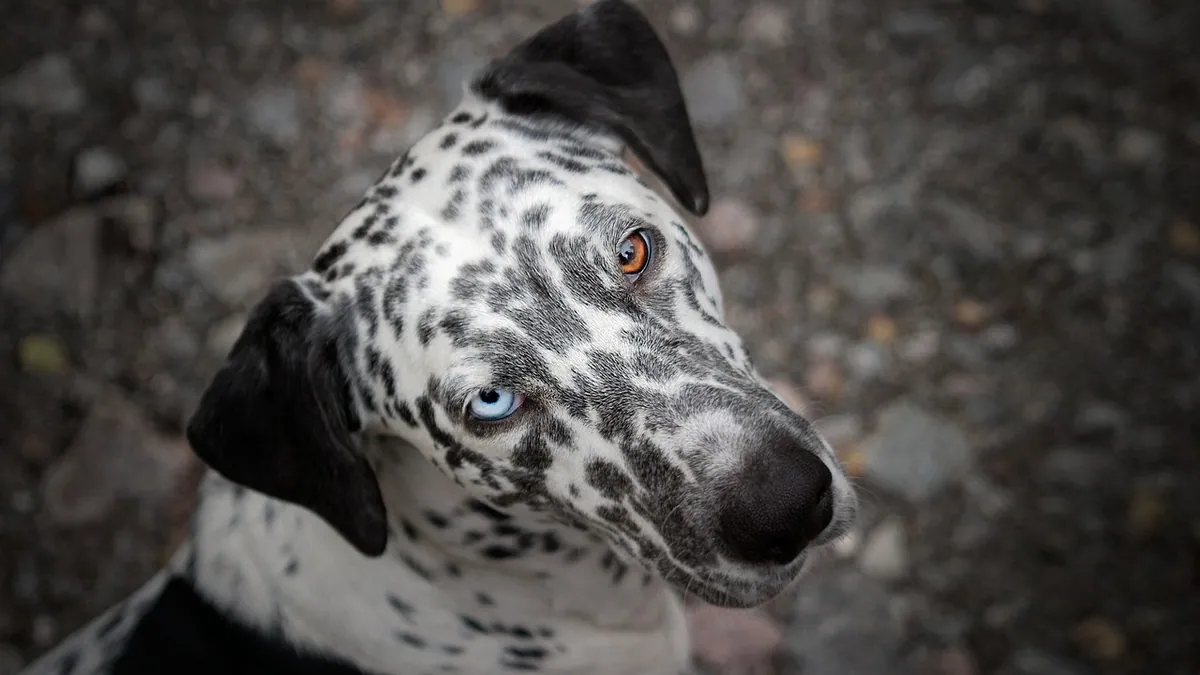
A foreign body in a dog's eye is any object stuck on or in the eye surface, most often a grass seed, plant fragment, sand grain, or piece of grit. If your dog is squinting, tearing, or pawing at one eye, flush it gently with saline and call your veterinarian. Never rub the eye or use tweezers, because you can push the object deeper and cause a corneal ulcer or perforation.
This article is educational and is not a substitute for veterinary diagnosis or treatment.
Quick Answer
- Flush the eye with plain saline or artificial tear solution, never tap water or contact lens cleaner, and let your dog blink.
- Do not rub the eye, press on the eyelid, or try to pick anything off the surface with tweezers, cotton swabs, or your fingernail.
- Keep your dog from pawing at the face with an Elizabethan collar or a clean sock over the paw until you reach the vet.
- A cloudy cornea, a visible dent or divot in the eye surface, blood inside the eye, or a pupil that looks different from the other side means go now, not tomorrow.
- Squinting that lasts more than a few minutes after flushing, or any squinting with thick discharge, needs a same-day veterinary visit.
What a Foreign Body in a Dog's Eye Looks Like
Dogs hide eye pain poorly. The signs are usually obvious once you know what to watch for.
The most common signs of a corneal foreign body are squinting (blepharospasm), tearing, and a reflex uveitis, which is inflammation inside the eye that a veterinarian can see as aqueous flare, a small pupil, iris swelling, low eye pressure, and sometimes pus in the front of the eye [1]. From the outside, you may notice:
- One eye squeezed shut or half shut
- Excessive tearing or a wet streak down the face
- Pawing at the eye or rubbing the face on furniture and carpet
- Redness of the white of the eye
- A visible speck, seed, or dark spot on the eye surface
- Reluctance to go outside in bright light
A small plant fragment may sit on the clear cornea and look like a tiny dark fleck [1]. Sometimes the object is tucked under the third eyelid or in the fold behind it, where you cannot see it at all [1].
What is normal and what is not
Some dogs get a little clear discharge in the morning, and some breeds have watery eyes most of the time. That is usually not an emergency. What is not normal is a sudden change in one eye only, a dog that will not open the eye, or a dog that was fine an hour ago and now will not stop pawing at the face.
If you see goopy or colored discharge without squinting, that is a different problem and often a routine visit. You can read more about that in Eye Goop In Dogs and Dog Eye Goop Removal.
Common Causes of Something in a Dog's Eye
Most corneal foreign bodies in pets are organic material, though sand, metal, and glass also show up [1]. In real life, that means grass awns, foxtails, seeds, twigs, dirt, and grit from a walk or a roll in the yard.
| Cause | Typical clues | How urgent |
|---|---|---|
| Grass seed or plant fragment | After a walk, hike, or yard time. Sudden squinting in one eye. Small dark speck may be visible on the cornea [1] | Same day. Plant material can work into the cornea and cause an ulcer |
| Sand, dirt, or grit | After the beach, digging, or a windy day. Both eyes may tear. Grit may be visible in the eye corner | Same day if squinting continues after flushing |
| Metal or glass fragment | After grinding, welding, a car repair, or broken glass. Often a tiny shiny speck | Emergency. Sharp material can cut or perforate the eye |
| Porcupine quill | Known or suspected porcupine encounter. Quill may not be visible on the surface | Emergency. Quills can travel deep and cause delayed, severe damage including retinal detachment, cataract, and perforation [2] |
| Sports ball impact | Young dog, recent hit by a golf ball, baseball, tennis ball, or soccer ball. Blood in the eye, cloudy eye, or a dilated pupil | Emergency. Ball injuries commonly cause traumatic uveitis and bleeding inside the eye [3] |
| Chemical or irritant splash | Happened near cleaners, pool chemicals, or sprays. Both eyes affected, heavy tearing | Emergency. Flush and call right away |
If your dog also swallowed part of whatever hurt the eye, or chewed a sharp object, that is a second problem. See Dog Ate a Foreign Object: Signs of Obstruction and When to Go to the Vet and Dog Ate a Sharp Object: Signs of Internal Injury and What to Do.
Red Flags That Mean Emergency Care Now
Some eye injuries cannot wait for a morning appointment. Go to an emergency clinic right away if you see any of these:
- A cloudy or blue-gray cornea
- A visible dent, crater, or divot in the clear surface of the eye
- Blood inside the front of the eye (a red or dark pool behind the cornea)
- A pupil that is a different size or shape than the other eye
- The eyeball itself looks sunken, bulging, or out of place
- The eye is clearly cut, torn, or leaking fluid
- Your dog yelps when the eye area is touched, or the eye cannot close
- The dog is in obvious severe pain, panting, trembling, or unwilling to stand
A cloudy cornea or a divot often means a corneal ulcer, which is an open sore on the eye surface. An ulcer from a foreign body can deepen quickly. A perforation is a hole through the cornea, and it is a true emergency that threatens the eye and vision.
Delayed damage is real. In one review of porcupine eye injuries in dogs, quills that were not visible on the surface still caused retinal detachment, bleeding, cataract, inflammation inside the eye, lens rupture, and scleral perforation, sometimes weeks or years after the encounter [2]. If you know or suspect a porcupine was involved, treat it as urgent even if the eye looks okay today.
Safe Things You Can Do at Home While Waiting
Your job at home is simple: keep the eye moist, keep your dog from making it worse, and get to the vet.
How to flush a dog's eye
Flushing is the one home step that helps in most cases. Here is a safe method.
- Gather plain sterile saline for eyes (the kind sold for contact lens use with no preservatives if possible) or a commercial artificial tear solution. Do not use tap water, contact lens cleaner, hydrogen peroxide, or human medicated eye drops.
- Have a second person hold your dog, or wrap a towel around the body and tuck one front leg if you are alone. Stay calm and use a soft voice.
- Hold the bottle an inch or two from the eye and aim the stream from the inner corner (near the nose) toward the outer corner. This pushes debris away from the tear duct instead of into it.
- Flush for 15 to 30 seconds. Let your dog blink between squirts.
- Wipe away only what runs out onto the fur. Do not touch the eyeball.
- If the eye still looks irritated, repeat once. If squinting continues after two flushes, stop and call your vet.
Veterinarians remove adhered foreign bodies under topical anesthesia using vigorous irrigation or small serrated ophthalmic forceps [1]. That is a two-minute procedure in trained hands. At home, your fingers and tweezers are far more likely to scratch the cornea than to help.
What not to do
- Do not rub the eye or hold the eyelid shut.
- Do not use tweezers, cotton swabs, toothpicks, or your fingernail.
- Do not use a syringe with a sharp tip near the eye.
- Do not apply human antibiotic ointments or drops unless your veterinarian prescribed them for this eye.
- Do not put a contact lens or eye patch on the eye.
- Do not wait to see if it gets better on its own.
Keep your dog from pawing
Pawing is how a small scratch becomes a deep ulcer. Put an Elizabethan collar on if you have one. If you do not, a clean, loose sock over the paw can reduce trauma, but most dogs remove it. A soft towel wrapped around the front legs can work for a short car ride. Keep the collar on until your vet says the eye is healed.
What Your Veterinarian Will Check
Your vet will start with a full eye exam, often in a dim room with a bright light and a magnifier.
Expect these steps:
- A fluorescein stain. A yellow-orange dye is placed on the eye. Any area where the surface is damaged turns bright green under a blue light. This is how ulcers are found.
- A Schirmer tear test. A small paper strip measures tear production.
- Eye pressure measurement. A tonometer touches the surface briefly. Low pressure can suggest uveitis, high pressure can suggest glaucoma.
- A close look under the third eyelid and into the conjunctival folds, since foreign bodies hide there [1].
- A check for uveitis signs such as aqueous flare, a small pupil, iris swelling, and low eye pressure [1].
If the object is on the surface, your vet will numb the eye with topical anesthetic and remove it with irrigation or fine forceps [1]. Deeper objects need more. In one reported case, a plant fragment that had migrated into the anterior chamber of a dog's eye was removed under general anesthesia using fluid pressure to dislodge it while a viscoelastic gel trapped it, and the uveitis resolved within a month [4]. That level of care requires a veterinary ophthalmologist.
Your vet may send you home with antibiotic drops, pain medication, or both. The dose is calculated from your dog's weight and health, so follow the label exactly and do not borrow drops from another pet or a previous prescription.
Prevention and Monitoring
You cannot prevent every eye injury, but you can lower the odds.
- Keep grass trimmed short in the yard during foxtail season, and check your dog's face and eyes after every walk in tall grass.
- Rinse the face with plain saline after beach days or dusty outings.
- Use dog goggles if your dog rides with its head out the window or runs in brush.
- Store chemicals, glass, and metal shavings out of reach.
- Supervise play with dense balls. Golf balls and baseballs caused most of the ball-related eye injuries in one case series, and the median age of affected dogs was 1 year [3].
- If your dog has had an eye ulcer before, check the eye daily during allergy season and after any outdoor adventure.
After treatment, monitor for these signs that healing is not going as planned: increasing squinting, a cornea that looks cloudier than yesterday, new discharge, or a pupil that changes size. Call your vet if any of these appear.
If your dog develops a wound near the eye from scratching or a bite, keep it clean and watch for swelling or pus. See Infected Dog Wound: Signs, Safe Cleaning, and Vet Treatment.
Limitations and When to Contact a Veterinarian
Home flushing is a first-aid step, not a treatment. It buys you time and comfort, nothing more.
Contact your veterinarian the same day if your dog is squinting after flushing, has discharge from one eye, or had a known grass seed or plant fragment in the eye. Go to an emergency clinic now if you see a cloudy cornea, a divot in the eye surface, blood inside the eye, a torn or leaking eyeball, a pupil that looks wrong, or severe pain.
A routine visit is fine for mild, intermittent tearing with no squinting, or for a recheck after treatment. Every case is different, and only a veterinarian who examines your dog can decide what the eye needs. If you are unsure which category you are in, call the clinic and describe what you see. Most clinics would rather talk you through it than have you wait.
Frequently Asked Questions
Can I remove something from my dog's eye with tweezers?
No. Tweezers, cotton swabs, and fingernails are far more likely to scratch the cornea than to remove the object cleanly. Veterinarians use topical anesthetic and either vigorous irrigation or small serrated ophthalmic forceps for adhered material [1]. Your safest home tool is a bottle of plain saline.
My dog squinted after running in tall grass. Should I wait?
Do not wait more than a few minutes. Flush the eye once with saline, and if the squinting continues, call your vet the same day. Grass seeds and plant fragments are the most common corneal foreign bodies in pets, and they can work into the surface and create an ulcer [1].
How do I flush my dog's eye at home?
Use plain sterile saline or artificial tear solution, aim the stream from the inner corner toward the outer corner, and flush for 15 to 30 seconds while letting your dog blink. Never use tap water, contact lens cleaner, or human medicated drops. If the eye still looks irritated after two flushes, stop and call your vet.
What does a corneal ulcer from a foreign body look like?
A corneal ulcer often shows up as a cloudy or blue-gray patch on the clear part of the eye, sometimes with a visible dent. Your dog will usually squint hard, tear heavily, and resist having the eye touched. Only a fluorescein stain at the clinic can confirm an ulcer, so do not try to diagnose it at home.
Can a foreign body in the eye cause problems weeks later?
Yes, especially with porcupine quills and plant material. In one review of porcupine eye injuries in dogs, quills that were not visible on the surface still caused retinal detachment, cataract, internal eye inflammation, and perforation weeks or years after the encounter [2]. Tell your vet about any known or suspected quill or plant exposure, even if the eye looks normal now.
Related Articles
- Dog Ate a Foreign Object: Signs of Obstruction and When to Go to the Vet
- Eye Goop In Dogs
- Dog Eye Goop Removal
- Dog Ate a Sharp Object: Signs of Internal Injury and What to Do
- Infected Dog Wound: Signs, Safe Cleaning, and Vet Treatment
- Dog Eye Infection Home Care: What Is Safe and When to See a Vet
- How to Flush a Dog's Eye Safely at Home
- Dog Eye Infection: Symptoms, Treatment, and When to Worry
- Growth on a Dog's Eyelid: Types and When to Remove
References
- Corneal Foreign Bodies in Small Animals - Emergency Medicine and Critical Care. Merck Veterinary Manual.
- Ocular porcupine quilling in dogs: Gross, clinical and histopathologic findings in 17 cases (1986-2018). Veterinary ophthalmology, 2021.
- Sports ball projectile ocular trauma in dogs. Veterinary ophthalmology, 2022.
- Removal of an anterior chamber foreign body using hydropulsion and ophthalmic viscoelastic device capture in a dog. Veterinary ophthalmology, 2025.