How Long Can a Dog Stay in a Hot Car? Heat Risk
By Dr. Zubair Khalid, DVM, MS, PhD ·
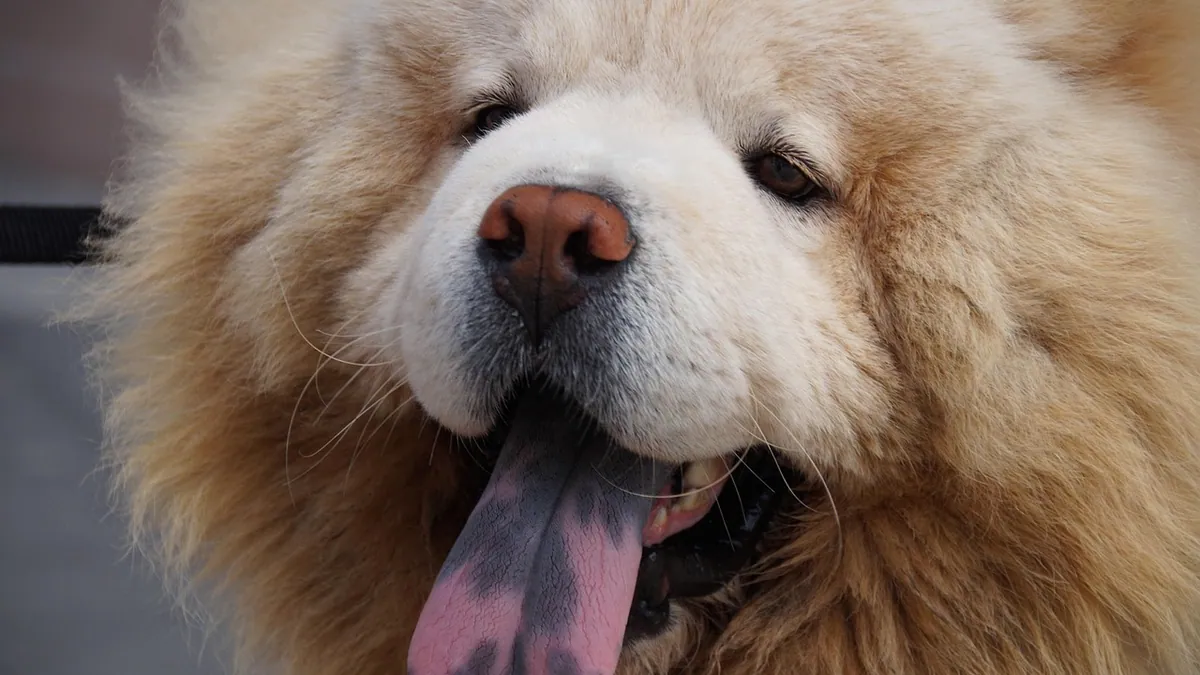
A dog can be in serious danger inside a hot car in as little as 10 minutes, and survival time drops fast once the interior passes about 100°F. The exact answer to how long can a dog survive in a hot car depends on the outside temperature, the shade, the car's color, and your dog's breed and health, but the safe window is far shorter than most owners expect. This article is educational and is not a substitute for veterinary diagnosis or treatment.
Quick Answer
- On a 70°F day, the inside of a parked car can climb past 100°F within 20 minutes, and cracking the windows does not stop the rise.
- A dog left in a hot car for even 10 to 15 minutes can develop heatstroke, which is a medical emergency.
- Brachycephalic breeds (bulldogs, pugs, boxers, Boston terriers), senior dogs, overweight dogs, and dogs with heart or airway disease overheat fastest.
- If you find a dog in distress in a hot car, call 911 or local animal control first, and get the dog into shade and cool water as soon as it is safe to do so.
- Never leave a dog in a parked car "just for a minute." Take the dog with you or leave it at home.
How Fast Does a Car Heat Up?
A parked car acts like an oven. Sunlight passes through the glass, heats the surfaces inside, and that heat cannot escape. The result is a rapid, sometimes deadly rise in temperature that has nothing to do with how hot it feels outside.
Even on a mild day, interior temperatures can reach dangerous levels within minutes. Cracking the windows an inch or two makes almost no difference to the peak temperature, though it may slow the rise slightly. Parking in shade helps, but the car still heats up, and the shade moves as the sun shifts.
This matters because dogs cool themselves mainly by panting, not by sweating. A dog's normal rectal temperature sits in a narrow range around 38 to 39°C (roughly 100.4 to 102.2°F), and dogs work hard to hold that range [1]. When the air around them is hotter than their body, panting stops being effective. Heat builds inside the body, and organ damage can begin.
How Long Can a Dog Stay in a Car? A Practical Timeline
There is no safe amount of time to leave a dog alone in a hot car. The table below shows how risk changes with time and temperature. These are general patterns based on how quickly enclosed vehicles heat, not a guarantee for your specific car or dog.
| Time in car | Outside temp | What is happening | Risk level |
|---|---|---|---|
| 0 to 5 minutes | 70 to 80°F | Interior already rising above outside air | Low if you return immediately |
| 5 to 10 minutes | 70 to 80°F | Interior can pass 90 to 100°F | Moderate, dog may start panting heavily |
| 10 to 20 minutes | 70 to 80°F | Interior can pass 100 to 110°F | High, heatstroke possible |
| 10 to 20 minutes | 85 to 95°F | Interior can exceed 120°F | Severe, life-threatening |
| 20 minutes or more | Any warm day | Sustained high heat | Emergency, survival at serious risk |
The takeaway is blunt. The window between "my dog is fine" and "my dog needs a veterinarian now" can be under 15 minutes.
Step-by-Step: What to Do If You Find a Dog in a Hot Car
1. Assess the situation from outside
Look for signs of distress before you do anything else. A dog that is collapsed, unresponsive, vomiting, or breathing with a wide-open mouth and a lolling tongue is in trouble. Note the time and the outside temperature.
2. Call for help
Call 911 or your local animal control or non-emergency police line. Give them the location, the car description, and what you are seeing. Many states and cities have laws that allow bystanders to break a window to rescue an animal in immediate danger, but the rules vary, so tell the dispatcher what you plan to do and follow their guidance.
3. Get the dog out of the heat
Once the dog is out, move it to shade or an air-conditioned space. Do not force the dog to stand or walk. Lay it on a cool surface if you can.
4. Start cooling right away
Cooling should begin before you reach the vet. Wet the dog thoroughly with cool (not ice-cold) water, focusing on the neck, chest, belly, inner thighs, and paws. A fan blowing over wet fur speeds cooling. If the dog is alert and can swallow, offer small amounts of cool water.
Research on working dogs shows that voluntary head dunking into cool water, with limited water ingestion, produced the fastest drop in core temperature and was the only method that prevented the initial post-exercise temperature rise [2]. Ice water ingestion was the only method in another study that reduced core temperature on its own [3]. In real-world dog sport events, more than half of the dogs were managed with passive cooling (standing or walking outside), and about a quarter actually got hotter in the first five minutes after exercise [4]. That last point is important. If you are not actively cooling a hot dog, its temperature may keep climbing.
5. Get to a veterinarian
Even if the dog seems to recover, heatstroke can cause internal damage that is not visible. Call ahead so the clinic can prepare. Do not wait to see if the dog "perks up."
Signs That Something Is Wrong
Heat stress in dogs moves through stages. Catching it early saves lives.
Early signs
- Heavy, frantic panting
- Drooling more than usual
- Restlessness or pacing
- Bright red gums and tongue
- Seeking shade or trying to lie on cool surfaces
Moderate signs
- Panting that does not slow down even at rest
- Weakness or stumbling
- Vomiting or diarrhea
- Glassy eyes or a blank stare
Emergency signs
- Collapse or inability to stand
- Seizures
- Bloody diarrhea or vomit
- Unconsciousness
- Body temperature that stays high despite cooling
A dog's respiratory rate can climb dramatically under heat load. In one study, dogs walking in high radiant heat went from about 47 breaths per minute at rest to roughly 374 breaths per minute, a massive increase [1]. If your dog is breathing that hard and cannot settle, treat it as an emergency.
Common Mistakes Owners Make
"I cracked the windows." Cracking windows does not keep a car cool enough on a warm day. The interior still heats to dangerous levels.
"It's only 75 degrees outside." Interior car temperatures can exceed 100°F even on mild days. Outside temperature is not a safety guarantee.
"I'll only be five minutes." Five minutes can stretch to twenty. Errands run long, lines are slow, and the car keeps heating the whole time.
"My dog seems fine." Dogs often hide early signs of heat stress. By the time they look distressed, they may already be in danger.
"I'll leave the AC running." This only works if the car is running, the AC is actually blowing cold, and nothing can shut the engine off. It is not a reliable plan.
"My dog is used to the heat." Acclimation helps a little, but it does not make a hot car safe. Heat stress affects fertility and oxidative balance in dogs, showing that repeated heat exposure has real physiological costs [5].
Supplies and Setup That Actually Help
If you must travel with your dog in warm weather, plan around the heat.
- Cool water and a bowl. Offer water at every stop.
- A cooling mat or wet towel. These help lower surface temperature. Note that in one study, cooling blankets and fans alone did not reduce core temperature as effectively as other methods [3].
- A crate or harness that allows airflow. Do not confine a dog in a way that blocks air movement.
- Window shades. These reduce radiant heat but do not make a parked car safe.
- A plan for stops. If you are driving with your dog, take it out with you at every stop, even quick ones. If you cannot take the dog inside, do not stop.
For long trips, plan your route around the coolest parts of the day. Early morning and late evening are better than midday. If your dog is pregnant, elderly, or has a chronic condition, talk to your veterinarian before travel. You can read more about how long dogs stay pregnant How Long Do Dogs Stay Pregnant and how long dogs live How Long Do Dogs Live For to put your dog's life stage in context.
How Long Can a Dog Ride in a Car?
This is a different question from how long a dog can be left in a parked car. A moving car with working AC is generally safe for travel, but there are limits.
For most healthy adult dogs, a few hours of travel with breaks every 2 to 3 hours is reasonable. Puppies, seniors, and flat-faced breeds may need shorter stretches. The key is airflow and temperature control. If the AC fails or the car sits in traffic on a hot day, the risk climbs quickly.
Watch for signs of car sickness or stress, which can look like heat stress (drooling, panting, vomiting). If your dog pants heavily in a moving car with the AC on, pull over, offer water, and let it cool down.
Limitations and When to Contact a Veterinarian
This article gives general guidance. Every dog is different, and a veterinarian who examines your dog can give advice for its specific breed, weight, and health conditions.
Contact a veterinarian the same day if your dog:
- Was in a hot car for more than a few minutes, even if it seems normal now
- Is panting heavily and not settling after 15 to 20 minutes in a cool space
- Vomited or had diarrhea after heat exposure
- Seems weak, wobbly, or unusually quiet
Go to an emergency clinic now if your dog:
- Collapsed or cannot stand
- Is having a seizure
- Has bloody diarrhea or vomit
- Is unconscious or unresponsive
- Has a body temperature that stays high despite active cooling
Heatstroke can cause organ damage, bleeding disorders, and death. Time matters more than anything else. Do not wait for an appointment if your dog is in distress.
Frequently Asked Questions
Can a dog survive 30 minutes in a hot car?
Survival depends on the outside temperature, the car, and the dog, but 30 minutes in a hot car is a serious emergency. On a warm day, the interior can reach temperatures that cause organ damage well before 30 minutes pass. If a dog has been in a hot car that long, get it to a veterinarian immediately even if it seems alert.
Is it safe to leave a dog in a car with the windows down?
No, leaving windows down does not make a parked car safe on a warm day. The interior still heats up quickly, and an open window can also let a dog escape or be stolen. The only safe option is to take your dog with you or leave it at home.
What temperature is too hot to leave a dog in a car?
Any outside temperature above about 70°F carries risk, because car interiors heat far above the outside air. There is no outside temperature at which a parked car is reliably safe for a dog. If you would not sit in the car yourself, do not leave your dog there.
How do I cool a dog down after heat exposure?
Move the dog to shade or air conditioning, wet it with cool water, and use a fan. Offer small sips of cool water if the dog is alert. Research shows that voluntary head dunking into cool water cools dogs fastest and prevents the initial temperature rise after exertion [2]. Get veterinary care even if the dog improves.
Can heat stress affect a dog long after the car ride?
Yes, heat stress has effects that outlast the event. One study found that environmental heat stress harmed sperm quality and increased oxidative damage in dogs [5]. If your dog was exposed to serious heat, ask your veterinarian about follow-up care, especially if you plan to breed.
If you are tracking your dog's reproductive cycle for other reasons, these guides on how long a dog stays in heat How Long Does A Dog Stay In Heat and how long a dog's heat lasts How Long Does A Dogs Heat Last can help you plan around heat-sensitive periods.
Related Articles
- How Long Does A Dog Stay In Heat
- How Long Does A Dogs Heat Last
- How Long Are Dogs In Heat
- How Long Do Dogs Live For
- How Long Do Dogs Stay Pregnant
- How Long Do Dogs Live
- How Long Can a Dog Be Outside in 100 Degree Heat?
- Is It Safe for Dogs to Ride in the Front Seat?
- How Long Can a Dog Stay in a Crate? Safe Limits
References
- Cool and safe walks: heat stress threshold for domestic dogs living in hot and sunny regions. International journal of biometeorology, 2026.
- Voluntary head dunking after exercise-induced hyperthermia rapidly reduces core body temperature in dogs. Journal of the American Veterinary Medical Association, 2024.
- Evaluation of methods to reduce exercise-induced heat stress in working Labrador Retrievers. American journal of veterinary research, 2025.
- Post-exercise management of exertional hyperthermia in dogs participating in dog sport (canicross) events in the UK. Journal of thermal biology, 2024.
- Effects of heat stress on oxidative balance and sperm quality in dogs. Frontiers in veterinary science, 2024.