Dog Limping and Panting in Hot Weather: What It Means
By Dr. Zubair Khalid, DVM, MS, PhD ·
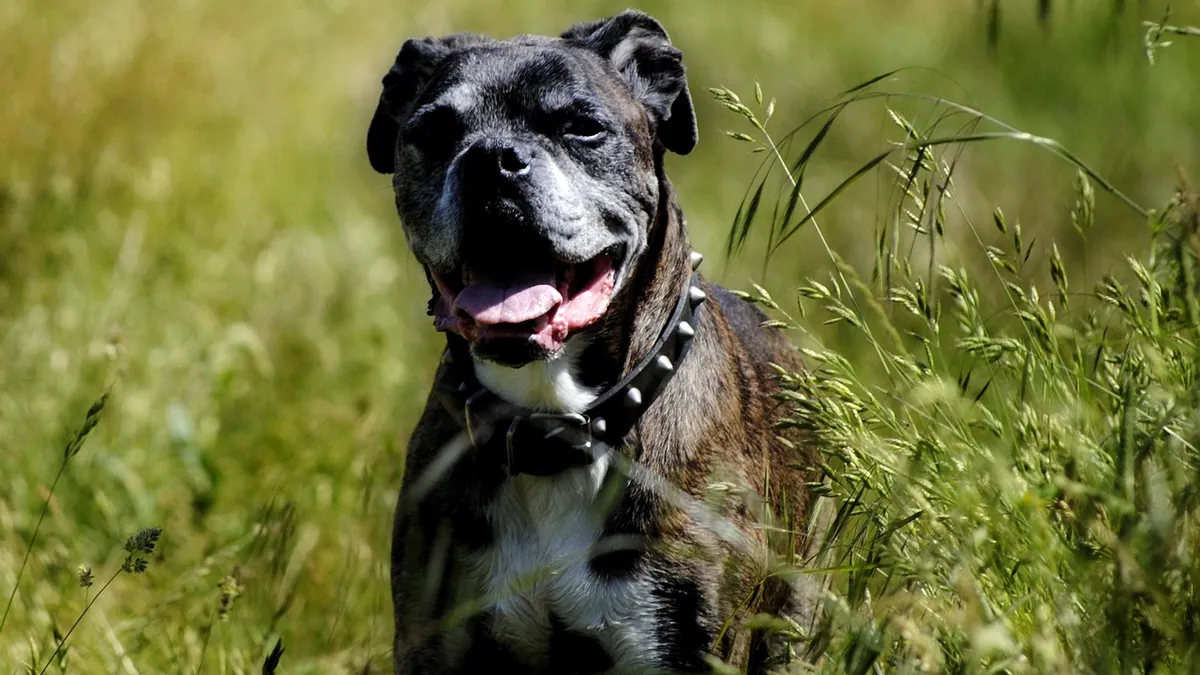
A dog that limps and pants in hot weather may be overheating, in pain, or both. Panting is how dogs cool down, so heavy panting during a hot walk is often normal, but limping is not. When the two happen together, you need to sort out heat stress from an injury fast.
This article is educational and is not a substitute for veterinary diagnosis or treatment.
Quick Answer
- Panting is a dog's main cooling method because dogs only have sweat glands on their paws [1]. Some panting in heat is expected.
- Limping is never normal. It points to pain, injury, or disease in a limb, and heat does not explain it on its own.
- Heavy panting plus limping, weakness, or a wobbly walk can signal heatstroke, which is a life-threatening emergency [1].
- Move your dog to shade or air conditioning, offer cool water, and stop all activity while you assess the situation.
- Call your veterinarian or an emergency clinic right away if your dog is limping and panting heavily, seems disoriented, or cannot stand.
What Dog Limping and Panting in Hot Weather Looks Like
Panting in heat is expected. Dogs rely on panting to move heat out of their bodies, and they have limited ability to sweat [1]. A dog trotting on a warm day with a relaxed face, a steady gait, and a pink tongue is usually just cooling off.
Limping looks different. You may see a head bob, a shortened stride, a hop, or a paw that barely touches the ground. Some dogs shift weight off one leg when standing. Others lag behind on walks they normally enjoy.
When a dog limps and pants at the same time, the panting can have two meanings. It may be simple heat, or it may be pain. Dogs in pain often pant even when the weather is mild. If you are trying to sort out whether panting is pain or anxiety, this guide on whether panting means pain or anxiety can help you read the rest of your dog's body language.
What Counts as Normal
- Panting after exercise or in warm weather, settling within a few minutes of rest in cool air
- A brief pause or a slow step on hot pavement that resolves once your dog moves to grass
- Mild stiffness after a long hike that improves with rest
What Is Not Normal
- Panting that continues long after your dog cools down
- Limping that lasts more than a few minutes or gets worse
- Panting with a bright red tongue, red or pale gums, or thick, sticky saliva [2]
- Reluctance to walk, whining, drooling, or seeking shade when your dog usually loves being outside [1]
Main Causes of a Limping, Panting Dog in the Heat
Limping has a long list of possible causes. Orthopedic, neurologic, infectious, inflammatory, vascular, and even neoplastic disorders can all produce similar signs, which is why a hands-on exam matters [3].
| Cause | Typical clues | How urgent |
|---|---|---|
| Heat exhaustion or heatstroke | Heavy panting, bright red tongue, red or pale gums, thick saliva, weakness, vomiting, diarrhea [2] | Emergency now |
| Paw pad burn or cut | Limping starts during or right after a hot walk, dog licks one paw, visible damage to the pad | Same day |
| Soft tissue strain or sprain | Limping after running, jumping, or a slip, swelling or tenderness in one area | Same day to routine |
| Bone or joint injury | Sudden non-weight-bearing lameness, swelling, lethargy, often in a young dog after minor trauma [4] | Emergency or same day |
| Infection in a bone or joint | Limping with swelling, warmth, fever, lethargy, sometimes a wound or recent illness [4] | Same day |
| Cancer affecting the bones | Limping that shifts between legs, joint swelling, signs that worsen over weeks [5] | Same day to urgent |
| Nail injury, foreign object, or insect sting | Sudden yelp, dog holds up one paw, visible cut or swelling between toes | Same day |
Heat-Related Causes
Heatstroke happens when body temperature rises sharply after prolonged heat exposure or strenuous exercise [1]. Dogs most often overheat when left in a hot car, left outside in hot, humid weather without shade, or exercised in hot conditions [1]. Exercise alone triggers most heat-related illness cases in dogs, so a long run on a warm day is a real risk [6].
Brachycephalic breeds such as Pugs, Bulldogs, Boston Terriers, and Boxers cannot pant as efficiently, so they overheat more easily [1]. Any dog can be affected, though, and heatstroke is always a medical emergency [1].
Injury-Related Causes
A limp that appears during a hot walk is not automatically heat-related. Hot pavement can burn paw pads. A dog that is panting hard may also be limping because of a strain, a torn ligament, or a fracture.
One case report described a 19-week-old Boxer puppy with two days of sudden non-weight-bearing lameness, swelling, and lethargy. Imaging found a bone infection and a fracture through the growth plate [4]. That case shows how quickly a young dog's limp can turn into something serious.
Cancer is another possibility. A case report described a dog with lameness and joint swelling in multiple limbs that developed over three weeks. Advanced imaging found a tumor in the adrenal gland with spread to the bones [5]. Multiple-limb lameness is uncommon, but it is one reason a limp that does not improve needs a real workup.
If your dog is limping and you are not sure how serious it is, this guide on how to tell if limping is an emergency walks through the decision.
Red Flags That Mean Emergency
Call an emergency clinic now if your dog has any of these:
- Heavy panting that does not ease with rest and cooling
- A bright red tongue, red or pale gums, or thick, sticky saliva [2]
- Weakness, dizziness, stumbling, or collapse [2]
- Vomiting or diarrhea, especially with blood [2]
- Limping that is non-weight-bearing, meaning the paw does not touch the ground
- Swelling, heat, or an open wound near the limp
- A fever with limping, which can point to an infection in a bone or joint [4]
- Confusion, seizures, or a dog that will not respond to you [2]
Heatstroke can cause kidney failure, bleeding, irregular heartbeat, and seizures, and these problems can appear hours or even days after the initial overheating [2]. That delayed timeline is why a dog that seems to recover still needs veterinary care.
What You Can Do at Home While You Wait
Your job is to cool your dog safely and keep them still.
- Move to shade or air conditioning right away.
- Offer small amounts of cool water. Do not force your dog to drink.
- Wet the paws, belly, and groin with cool water. Avoid ice-cold water and ice packs directly on the skin.
- Stop all exercise and keep your dog calm and quiet.
- Do not give any human pain medication. Many are toxic to dogs, and the dose depends on your dog's weight and health. Your veterinarian calculates it.
- Do not massage or manipulate a swollen or painful limb.
- Take a photo of the paw or limb if you can do it safely, and note the time symptoms started.
If your dog is panting heavily and you are unsure whether it is heat or something else, this article on why dogs pant so much covers the common reasons. If the panting is extreme, see when excessive panting should worry you.
What Your Veterinarian Will Check
Your vet will start with a full physical exam. They will watch your dog walk, feel each limb, check the paws and nails, and test nerve function. Thoracic limb lameness can be hard to pin down because many different disorders look alike, so the exam is the first step in localizing the problem [3].
Expect questions about timing. When did the limp start? Did it come on during a walk or after? Has your dog been in the heat? Is your dog eating and drinking normally?
Common Tests
- Rectal temperature to check for hyperthermia
- Blood work to look for organ changes, infection, or inflammation
- X-rays of the affected limb
- Ultrasound or advanced imaging such as CT or MRI if the cause is unclear [3]
- Joint fluid analysis or culture if infection is suspected [4]
Treatment depends on the cause. Cooling and IV fluids are used for heatstroke. Infections need antibiotics, and the exact drug and duration are set by your veterinarian based on culture results and your dog's response [4]. Fractures may need surgery. Some cancers carry a poor prognosis, and humane euthanasia may be discussed [5].
Prevention and Monitoring
Heat safety is mostly about planning.
- Walk in the early morning or late evening.
- Test pavement with the back of your hand. If it is too hot for you, it is too hot for paws.
- Bring water on every walk.
- Skip runs on hot, humid days. Dogs cannot tolerate heat as well as people do [2].
- Never leave your dog in a parked car, even for a few minutes [2].
- Provide shade and constant access to water if your dog is outside.
- Watch brachycephalic breeds and dogs with health conditions extra closely [2][1].
A study of dogs walking in a hot, sunny region found that when radiant heat load rose above a certain threshold, dogs' respiratory rates climbed sharply, from about 47 breaths per minute to 374 breaths per minute, along with large increases in coat temperature, skin temperature, and water intake [7]. That is a dramatic change for a short walk. It shows why timing and surface heat matter more than most owners expect.
After exercise, cooling matters too. In one study of dogs at sporting events, about 24 percent had a temperature that was still rising in the first five minutes after exercise stopped [6]. Do not assume your dog is safe the moment the activity ends. Keep cooling and monitoring for at least 15 minutes.
If your dog has a limp that comes and goes, keep a simple log. Note which leg, what your dog was doing, and how long it lasted. That record helps your vet decide whether the problem is a strain, a joint issue, or something that needs imaging.
Limitations and When to Contact a Veterinarian
This article cannot tell you what is wrong with your dog. Limping and panting have many overlapping causes, and only a veterinarian who examines your dog can sort them out.
Contact a veterinarian the same day if your dog has a limp that lasts more than a few minutes, limps after rest, has mild swelling, or pants more than usual after activity.
Go to an emergency clinic now if your dog cannot bear weight on a limb, has a fever with limping, has a swollen or hot joint, is vomiting, has pale or red gums, is weak or wobbly, or is panting heavily and not improving with rest and cooling [2][1].
Schedule a routine visit if your dog has a limp that comes and goes over weeks, stiffness after rest, or a change in how much they want to walk.
Frequently Asked Questions
Can heat alone make a dog limp?
Heat does not directly cause limping, but it creates conditions that lead to it. Hot pavement can burn paw pads, and a dog that is overheating may stumble or injure a limb. If your dog is limping in hot weather, treat it as a possible injury until your vet says otherwise.
Is panting with a limp always an emergency?
No, but it needs a prompt call. Mild panting with a slight limp after a warm walk may only need rest and a vet visit the same day. Heavy panting with weakness, a bright red tongue, or a dog that will not stand is an emergency [2].
Should I give my dog pain medicine for the limp?
No. Do not give human pain relievers, and do not use leftover pet medication without veterinary guidance. The right drug and dose depend on your dog's weight, health, and the cause of the limp, and your veterinarian sets that.
How long can I wait before calling the vet?
Call the same day for any limp that lasts more than a few minutes. Call immediately if your dog cannot put the paw down, has swelling or a fever, or is panting heavily and seems unwell. Delayed diagnosis can limit treatment options for some conditions [3].
Can a dog have heatstroke without a high temperature at home?
Yes. Rectal temperature can drop or read normal once cooling starts, and complications can still develop hours later [2]. A normal reading at home does not rule out heatstroke, so let a veterinarian evaluate your dog.
Related Articles
- Is My Dog's Panting a Sign of Pain or Just Anxiety?
- Stop Dog In Heat
- Why Is My Dog Panting So Much?
- Dog Limping: How to Tell If It's an Emergency
- Dog Panting Excessively: When to Worry
- Dog Heat Related Illness
- Dog Limping With a Swollen Paw, Leg, or Joint
- Dog Feels Hot: Overheating vs Heat Cycle Explained
- Why Is My Dog Limping in the Morning? Causes and Next Steps
References
- Summer heat safety tips for dogs. Cornell University College of Veterinary Medicine.
- Heat Stroke in Dogs. Pet Poison Helpline.
- Diagnosing Thoracic Limb Lameness in Dogs. The Veterinary clinics of North America. Small animal practice, 2026.
- Case Report: Distal tibial physeal fracture secondary to septic physitis and osteomyelitis in a Boxer puppy. Frontiers in veterinary science, 2026.
- Osteolytic metastases from a pheochromocytoma presenting as multiple limb lameness and joint swelling in a dog: a case report. Frontiers in veterinary science, 2025.
- Post-exercise management of exertional hyperthermia in dogs participating in dog sport (canicross) events in the UK. Journal of thermal biology, 2024.
- Cool and safe walks: heat stress threshold for domestic dogs living in hot and sunny regions. International journal of biometeorology, 2026.