How Long Can a Dog Be Outside in 80-90 Degree Weather?
By Dr. Zubair Khalid, DVM, MS, PhD ·
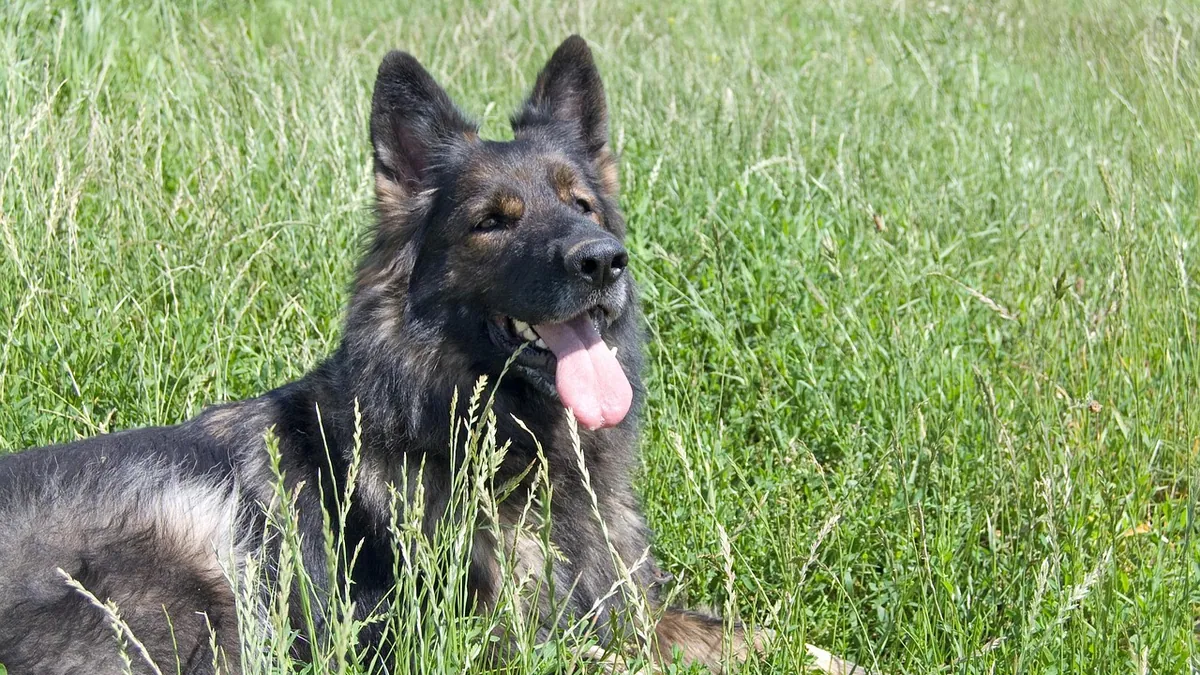
How long can a dog be outside in 90 degree weather? For most healthy adult dogs, keep outdoor time to about 10 to 20 minutes at a time, and much less for flat-faced breeds, seniors, puppies, and overweight dogs. There is no single safe number because breed, size, coat, humidity, sun exposure, and fitness all change the answer. This article is educational and is not a substitute for veterinary diagnosis or treatment.
Quick Answer
- At 80°F, many healthy dogs can handle 30 to 45 minutes of low-key outdoor time with shade and water.
- At 90°F, cut that to roughly 10 to 20 minutes, and shorten it further if humidity is high or the sun is direct.
- Flat-faced (brachycephalic) dogs, seniors, puppies, and dogs with heart or airway disease may need 5 minutes or less at 90°F.
- Pavement and artificial turf get much hotter than the air. If you cannot hold your hand on the surface for 5 seconds, it is too hot for paws.
- Watch for heavy panting, wide eyes, wobbling, or refusing to move. Stop, move to shade or air conditioning, offer water, and cool the dog with room-temperature water.
Why There Is No Single Safe Number
Heat risk is a math problem with several inputs. Air temperature is only one of them.
Radiant heat from the sun matters as much as the air. In one study of dogs walked outdoors in a hot, sunny region, researchers measured black-globe temperature (a combined measure of sun, air, and radiant heat). When that value climbed above 35°C (95°F), dogs showed large jumps in hair-coat temperature (about +20.5°C), skin temperature (+7.2°C), breathing rate (from roughly 47 to 374 breaths per minute), and water intake (+215 mL) compared with walks below 30°C (86°F) [1]. Their rectal temperatures stayed in a narrow 38 to 39°C range (about 100.4 to 102.2°F), which means a normal body temperature reading does not prove a dog is comfortable [1].
That gap is the point. A dog can look fine and still be under serious heat load.
Breed shape changes everything. Brachycephalic dogs (bulldogs, pugs, Boston terriers, French bulldogs, boxers, and similar) have narrowed airways and are predisposed to breathing and temperature-control problems, especially during exertion [2]. In a study of 41 healthy brachycephalic dogs doing a short treadmill walk, rectal temperature rose significantly after exercise, and 30 of 41 dogs (73%) had lung ultrasound changes after the walk that were not present at rest [2]. Those changes were subclinical, meaning the owners would not have seen them.
Coat, body size, age, weight, and fitness all shift the clock too. A double-coated northern breed, a black dog in full sun, a 12-year-old with a heart murmur, and a lean, heat-acclimated mixed breed are not the same animal on the same afternoon.
Humidity is the hidden multiplier. Dogs cool mainly by panting, and panting works by moving air over moist surfaces. When the air is already heavy with moisture, that exchange is less effective. A dry 90°F day and a muggy 90°F day are different risks.
Dogs also drink more and breathe more per pound than people do, which is part of why they can be affected by heat and by environmental exposures differently than their owners [3].
How Long Can a Dog Stay Outside in 90 Degree Weather? A Practical Schedule
Use these as starting points, not guarantees. Every dog is an individual, and your veterinarian can help you set limits for your dog's health conditions.
Step-by-step for a hot day
- Check the actual conditions. Look at temperature, humidity, and whether the area is shaded. Direct sun can add many degrees of radiant load [1].
- Test the ground. Press the back of your hand to pavement, asphalt, concrete, or turf for 5 seconds. If it is too hot for you, it is too hot for paws.
- Pick the time. Early morning and after sunset are far safer than midday. In the study above, walks were done across night and daytime phases, and heat load varied widely with time of day [1].
- Set a timer. Start with 10 minutes at 90°F for a healthy adult dog. At 80°F, 30 minutes is a reasonable start for many dogs.
- Bring water and a bowl. Offer small amounts often. Dogs in high radiant heat drank substantially more [1].
- Stay on grass or shade when you can. Shade reduces radiant load even when the air temperature is unchanged.
- End on your terms, not the dog's. Many dogs will keep going past the point of safety, especially if they are excited or working.
- Cool down on purpose. Move into air conditioning or shade, offer water, and let the dog rest. Do not hose a dog with ice-cold water as a first step. Wet the coat with cool water and get to a vet if signs are serious [4].
Comparison table
| Condition | Healthy adult dog | Brachycephalic, senior, puppy, or overweight dog |
|---|---|---|
| 80°F, shade, low humidity | 30 to 45 minutes, with water breaks | 15 to 20 minutes, with water breaks |
| 80°F, full sun, high humidity | 15 to 20 minutes | 5 to 10 minutes |
| 90°F, shade, low humidity | 10 to 20 minutes | 5 minutes or less |
| 90°F, full sun, high humidity | 5 to 10 minutes | Avoid outdoor time beyond quick bathroom breaks |
| Any temp, dog already panting hard at rest | Skip the outing | Skip the outing |
For more detail on temperature cutoffs for walks, see Dog Walking Safety in Extreme Heat and Cold: Temperature Guidelines.
A simple daily checklist
- Water bowl filled before you go out
- Shade available at the destination
- Ground tested with your hand
- Timer set on your phone
- Route planned with grass and shade
- Cool, indoor recovery space ready
- Know the nearest emergency veterinary clinic
Signs That Something Is Wrong
Heatstroke in dogs is a medical emergency. It can progress quickly, and early signs can be easy to miss.
Watch for:
- Heavy, loud, or frantic panting that does not slow down with rest
- Thick, ropey saliva
- Bright red or very pale gums
- Wide, staring eyes or a glazed look
- Staggering, weakness, or collapsing
- Vomiting or diarrhea
- Confusion, disorientation, or unresponsiveness
- Tremors or seizures
If you see these signs, act immediately. Move the dog to shade or air conditioning, wet the coat with cool (not ice-cold) water, point a fan at the dog if you have one, offer small sips of water if the dog is alert, and call your veterinarian or an emergency clinic on the way. The standard first-aid message for suspected heatstroke is simple: wet, then vet [4]. Do not wait to see if your dog improves on its own.
One more caution. Not every high body temperature is heatstroke. A case report described a young Siberian husky mix who developed hyperthermia, rapid breathing, and a fast heart rate under anesthesia, and the team suspected malignant hyperthermia, a rare inherited reaction to certain anesthetic drugs [5]. That is a hospital situation, not something an owner can manage at home. The takeaway for you is that a hot dog is not always a hot-weather problem, and a veterinarian needs to sort out the cause.
Common Mistakes Owners Make
Mistake 1: Trusting a normal temperature reading. In the walking study, dogs kept rectal temperature in a narrow normal range even under heavy heat load [1]. A normal temperature does not mean the dog is safe.
Mistake 2: Assuming a short nose is the only risk factor. Brachycephalic dogs are clearly at higher risk during exertion [2], but any dog can overheat. Age, weight, coat, fitness, and humidity all count.
Mistake 3: Using the dog's willingness as a gauge. Dogs often keep going. You have to be the one who calls it.
Mistake 4: Leaving a dog in a parked car "for a minute." Even with windows cracked, a car heats up fast. Leave the dog at home.
Mistake 5: Cooling too aggressively with ice. Ice-cold water and ice packs can constrict surface blood vessels and slow cooling. Use cool water, shade, airflow, and get veterinary help [4].
Mistake 6: Forgetting that hot pavement burns paws. Air temperature and surface temperature are different numbers. Test the ground every time.
Mistake 7: Skipping water breaks. Dogs in high radiant heat drank far more than in cooler conditions [1]. Bring water.
Mistake 8: Exercising a brachycephalic dog in the heat. Even a 6-minute treadmill walk raised rectal temperature and produced lung ultrasound changes in most of the brachycephalic dogs studied [2]. Keep these dogs indoors in air conditioning on hot days.
Supplies and Setup That Actually Matter
You do not need much, but the right items make hot days safer.
- A insulated water bottle and a collapsible bowl. Offer water every 10 to 15 minutes on warm outings.
- A cooling mat or a damp towel. Use cool water, not ice, on the coat.
- A fan or air-conditioned room. Airflow helps panting work better.
- Boots or paw wax. Helpful on hot pavement, but they do not replace the hand test.
- A phone with your vet's number and the nearest emergency clinic saved. Minutes matter in heatstroke.
- A timer. Ten minutes at 90°F feels shorter than you think when you are distracted.
If your dog has a heart condition, airway disease, or a history of heat intolerance, ask your veterinarian for a personalized plan. Your vet calculates any treatment or medication dose from your dog's weight and health, so never guess at home.
Limitations and When to Contact a Veterinarian
No article can tell you the exact number of minutes for your dog. Breed, weight, age, coat, fitness, humidity, sun, and any medical conditions all change the answer. Individual cases need a veterinarian who knows your dog.
Call an emergency clinic now if your dog:
- Collapses, has a seizure, or cannot stand
- Has gums that are bright red, white, or blue
- Is breathing with obvious effort or making strange noises
- Is vomiting repeatedly or has bloody diarrhea
- Does not respond to you normally
Call your veterinarian the same day if your dog:
- Panting does not settle within 15 to 20 minutes in a cool space
- Seems dull, off balance, or unusually quiet after being outside
- Refuses water or food after a hot outing
- Has a body temperature you measured as high and you are unsure what to do
Schedule a routine visit if:
- Your dog seems to struggle on warm days more than last year
- Your dog has a new cough, noisy breathing, or exercise intolerance
- You want a heat-safety plan for a dog with heart, lung, or airway disease
Frequently Asked Questions
Is 90 degrees too hot to walk my dog?
For most dogs, yes, it is too hot for a normal walk. Keep it to a short bathroom break or a 5 to 10 minute outing in shade, and skip it entirely for flat-faced, senior, or overweight dogs. If the ground is too hot for your hand, it is too hot for paws.
Can my dog stay outside all day in the shade at 90 degrees?
No. Shade lowers radiant heat but does not remove the risk, and humidity still limits panting. A dog left outside in shade at 90°F can still overheat, especially a brachycephalic, senior, or heavy-coated dog. Bring the dog indoors.
Do dogs with double coats handle heat better?
Not in the way most owners hope. A thick double coat insulates against heat and cold, but it also traps heat and slows cooling. Double-coated breeds still need short outings, shade, water, and indoor rest on hot days. Never shave a double coat without asking your veterinarian first.
Does my dog need water during a short hot-weather walk?
Yes. Dogs in high radiant heat drank much more than in cooler conditions [1]. Bring a bottle and bowl and offer small amounts often, even on a 10-minute walk.
What should I do first if I think my dog is overheating?
Move the dog to shade or air conditioning and wet the coat with cool water, then call your veterinarian or an emergency clinic right away. The rule is wet, then vet [4]. Do not wait to see if your dog improves, and do not use ice-cold water as the first step.
If you are also tracking your dog's reproductive cycle, heat-related timing questions come up often. For general information, see How Long Are Dogs In Heat, How Long Does A Dog Stay In Heat, and How Long Does A Dogs Heat Last.
Related Articles
- How Long Are Dogs In Heat
- How Long Does A Dog Stay In Heat
- Dog Walking Safety in Extreme Heat and Cold: Temperature Guidelines
- How Long Does A Dogs Heat Last
- Dog Shedding In Cold Weather
- Dog Reverse Sneezing In Cold Weather
- How Long Can a Dog Be Outside in 100 Degree Heat?
- How Long Can a Dog Stay in a Hot Car? Heat Risk
- Dog Not Eating in Hot Weather: Causes and What to Do
References
- Cool and safe walks: heat stress threshold for domestic dogs living in hot and sunny regions. International journal of biometeorology, 2026.
- Ultrasonographic and Thermographic Evaluation in Brachycephalic Dogs Before and After Physical Exercise in the Brazilian Northeast Semi-Arid Region. Veterinary sciences, 2026.
- Canine environmental health: An EPA blind spot? Canine physiology, environmental exposure, and the regulatory gap in U.S. policy. Regulatory toxicology and pharmacology : RTP, 2026.
- Dying of heat? Remember: wet, then vet. The Veterinary record, 2026.
- A case of suspected malignant hyperthermia in a dog. The Canadian veterinary journal = La revue veterinaire canadienne, 2025.