Why Do Kittens Have Big Bellies? Normal or Worms?
By Dr. Zubair Khalid, DVM, MS, PhD ·
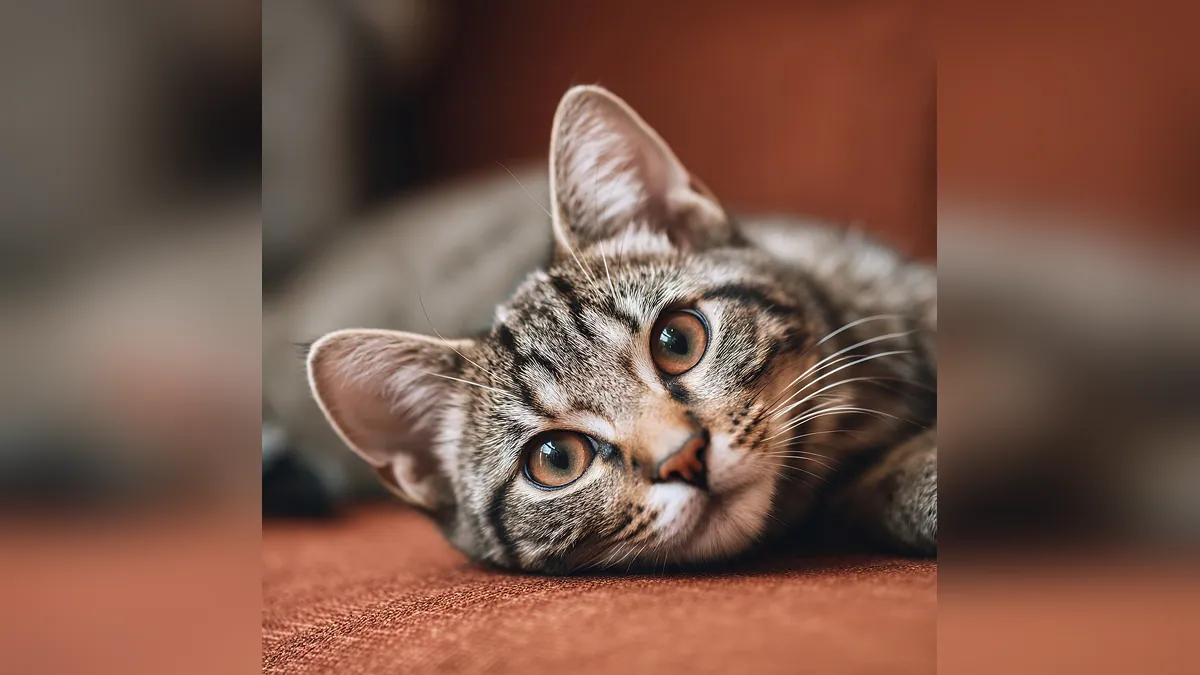
Do kittens have big bellies for a reason? Yes, most of the time. A round, soft belly is a normal part of kitten growth, especially after a meal. But sometimes a big belly means worms, fluid, or another health problem that needs a veterinarian.
This article is educational and is not a substitute for veterinary diagnosis or treatment.
Quick Answer
- A soft, round belly in a healthy, playful, growing kitten is usually normal and often called a "kitten belly."
- Intestinal worms are a common cause of a bloated belly in kittens, and roundworms (Toxocara cati) are among the most frequently detected parasites in cats [1].
- A belly that is hard, painful, rapidly growing, or paired with vomiting, diarrhea, or lethargy is not normal and needs veterinary care.
- Never give your kitten over-the-counter dewormers or human medicines without veterinary guidance, because the dose depends on your kitten's weight and health.
- Weigh your kitten weekly and watch appetite, energy, stool, and gum color. Changes in these are often the first clue that a big belly is not just growth.
What a Normal Kitten Belly Looks Like
Kittens are built differently from adult cats. Their bodies are short, their intestines take up a lot of space, and their abdominal muscles are still developing. That combination gives many kittens a pot-bellied look, especially right after eating.
A normal kitten belly is:
- Soft and squishy, not tight like a drum
- Symmetrical, with no one-sided bulge
- Comfortable to touch, with no flinching or crying
- Paired with a good appetite, playful energy, and normal stools
You may notice the belly looks biggest in the evening or after a big meal. That is fine. It should look smaller in the morning before breakfast.
Some kittens simply carry more belly than others. If your kitten is gaining weight steadily, active, and bright, a round belly is usually just part of being a kitten.
Causes of a Big Belly in Kittens
Not every round belly is harmless. Here are the main causes veterinarians consider, along with the clues that point to each one.
| Cause | Typical clues | How urgent |
|---|---|---|
| Normal growth | Soft belly, good appetite, playful, steady weight gain | Not urgent |
| Intestinal worms | Pot-bellied look, dull coat, visible worms in stool or around the rear, poor weight gain despite eating | See a vet soon |
| Coccidia or Giardia | Diarrhea, sometimes with mucus, dehydration, poor growth | See a vet soon |
| Fluid in the abdomen | Belly feels tight or wave-like, weight loss, labored breathing | Emergency |
| Abdominal mass or cyst | Slowly enlarging belly, vomiting, not eating, weight loss | Urgent, same day |
| Constipation or gas | Straining to poop, hard stool, bloating after diet change | See a vet if it lasts more than a day |
| Uterine problem (in unspayed females) | Distended belly, pain, lethargy, trouble breathing | Emergency |
Worms and Other Intestinal Parasites
Worms are one of the most common reasons a kitten has a big belly. In a large shelter study, 43.5 percent of cats tested positive for at least one parasite, and Toxocara cati (roundworm) and Cystoisospora felis (a coccidian) were the most common finds in cats [1]. A separate study of urban cats also found gastrointestinal parasites, including Toxocara cati, Toxoplasma gondii, and Giardia intestinalis, in cat populations [2].
Kittens get roundworms in two main ways. They can be infected before birth through the mother, or through her milk while nursing. That is why almost every kitten should be dewormed on a schedule set by a veterinarian, even if you never see worms.
Signs that worms may be behind the belly:
- A pot-bellied look that does not go away
- A dull, rough coat
- A kitten who eats well but stays thin
- Worms that look like spaghetti in the stool or stuck to the fur around the rear
- Scooting or licking at the rear end
Some parasites can pass to people, so prompt treatment protects your family too [2].
Fluid in the Abdomen
A belly that feels tight, heavy, or full of waves is different from a soft kitten belly. This can happen when fluid builds up in the abdomen. Causes include heart disease, liver disease, and other serious conditions.
A case report described a cat with a very large cystic liver mass who came in with weeks of vomiting, not eating, and abdominal distension [3]. Another report described a cat with multiple abdominal cysts who had a year of observed abdominal distension before diagnosis [4]. These are rare situations, but they show why a belly that keeps growing deserves a veterinary exam.
Fluid buildup is not something you can treat at home. It needs imaging and blood work.
Masses, Cysts, and Other Growths
Growths in the belly are uncommon in kittens, but they happen. A mass can push the belly outward and make it look round. Warning signs include a one-sided bulge, weight loss with a growing belly, vomiting, and a kitten who stops eating.
If your kitten's belly is getting bigger while the rest of the body stays the same or shrinks, call your veterinarian.
Gas, Constipation, and Diet
Diet changes, eating too fast, and parasites can all cause gas. Constipation can also make the belly look full. These causes are usually less serious, but they still deserve attention if they last more than a day or come with pain.
If your kitten's belly looks swollen and you are also seeing weight changes, these guides may help you sort out what you are seeing: Why Is My Cat's Belly Swollen? and Why Is My Cat Gaining Weight?.
Red Flags That Mean Emergency
Some signs mean you should stop reading and call a veterinarian right away.
- A belly that is hard, tight, or painful to touch
- Rapid breathing, open-mouth breathing, or panting
- Vomiting that will not stop
- Bloody diarrhea or black, tarry stool
- Collapse, weakness, or a kitten who will not wake up normally
- Pale, white, or blue gums
- A belly that grew quickly over hours or a day
- Straining to urinate or no urine in many hours
- A pregnant cat with a distended belly and pain [5]
Any of these can point to a problem that gets worse fast. Do not wait for a morning appointment.
What You Can Do at Home While You Wait
You cannot diagnose the cause of a big belly at home, but you can keep your kitten safe and comfortable until the vet visit.
- Do not give any dewormer, antibiotic, or human medication. Doses depend on weight and health, and your veterinarian sets them for your pet.
- Keep feeding the same food your kitten is used to. Sudden diet changes can add gas and diarrhea.
- Offer fresh water at all times. Dehydration makes everything worse.
- Weigh your kitten on a kitchen scale every few days and write the numbers down. Losing weight is a red flag.
- Check the stool daily. Note the color, texture, and whether you see worms.
- Keep the litter box clean so you can track urine and stool output.
- Limit rough play if the belly seems tender.
- Take a photo of the belly each day so you can show your vet how it changed.
If your kitten is itchy, scratching, or losing hair along with the belly changes, parasites may be part of the picture. This guide covers that: Why Is My Cat So Itchy?.
What Your Veterinarian Will Check
Your veterinarian will start with a full physical exam. They will feel the belly gently, check for pain, and look at your kitten's gums, hydration, and body condition.
Common tests include:
- Fecal flotation to look for worm eggs and coccidia oocysts [1]
- A Giardia test, which can be done on a stool sample [2]
- Blood work to check organ function and blood cell counts
- X-rays or ultrasound if the belly feels abnormal or fluid is suspected
- A weight and growth chart review
If worms are found, your veterinarian will prescribe a dewormer and set a repeat schedule. Kittens often need more than one treatment because the lifecycle of these parasites is not broken by a single dose.
If fluid or a mass is found, your veterinarian may recommend more imaging or a referral. Cases like the large liver cyst and the abdominal cysts described in cats show that these problems are diagnosed with imaging and confirmed with lab work or surgery [3][4].
Prevention and Monitoring
You can lower the odds of a worm-related belly and catch problems early.
- Deworm on the schedule your veterinarian sets, starting when your kitten is young.
- Keep your kitten indoors. Outdoor access raises the risk of parasite exposure [2].
- Clean the litter box daily and wash your hands after handling stool.
- Wash your hands after gardening or touching soil, since some parasites can live there.
- Do not let your kitten hunt rodents or eat raw meat.
- Bring a stool sample to every kitten visit.
- Weigh your kitten weekly and track it.
- Spay your female cat. Uterine problems are rare but serious when they happen [5].
- Watch for weight loss as well as weight gain. Both can signal trouble: Why Is My Cat Losing Weight?.
If your kitten has skin or coat problems along with a big belly, ringworm or other skin parasites may also be involved. You can read more here: Ringworm In Cats.
Limitations and When to Contact a Veterinarian
No article can tell you what is causing your kitten's big belly. Only a veterinarian who examines your kitten can do that. Individual cases need a veterinarian.
Call your veterinarian the same day if:
- The belly is hard, tight, or painful
- Your kitten is vomiting, has diarrhea, or refuses to eat
- You see worms in the stool
- Your kitten is losing weight or not gaining
- The belly has grown over a few days
Go to an emergency clinic now if:
- Your kitten is struggling to breathe
- The gums are pale, white, or blue
- Your kitten collapses or cannot stand
- The belly grew very fast
- There is heavy bleeding or repeated vomiting
Call for a routine visit if:
- The belly is soft and your kitten seems well, but you want a stool check
- Your kitten is due for deworming or vaccines
- You are not sure whether the belly is normal
Frequently Asked Questions
Do kittens usually have big bellies?
Yes, many kittens normally have a soft, round belly because of their body shape and growing digestive tract. A normal kitten belly feels squishy, is not painful, and comes with good appetite and playful energy. If the belly is hard, tender, or growing fast, that is not normal and needs a vet visit.
Can worms cause a big belly in kittens?
Yes, intestinal worms are a common cause of a bloated belly in kittens. Roundworms are especially common in cats, and kittens often pick them up from their mother before or after birth. A veterinarian can confirm worms with a stool test and prescribe the right treatment.
How can I tell if my kitten's belly is fluid or fat?
Fluid makes the belly feel tight and heavy, and it may ripple when your kitten moves. Fat feels soft and even, and it usually comes with steady weight gain. Only a veterinarian can tell the difference for sure, often with an ultrasound.
Should I deworm my kitten at home?
No. Deworming products vary, and the correct dose depends on your kitten's weight, age, and health. Giving the wrong product or dose can harm your kitten. Ask your veterinarian for a deworming plan instead.
When should I worry about a kitten's big belly?
Worry if the belly is hard, painful, or growing quickly, or if your kitten stops eating, vomits, has diarrhea, or seems weak. These signs mean the belly is not just normal growth. Contact your veterinarian the same day, or go to an emergency clinic if breathing or consciousness is affected.
Related Articles
- Ringworm In Cats
- Why Is My Cat's Belly Swollen?
- Why Is My Cat Gaining Weight?
- Why Is My Cat Losing Weight?
- Why Is My Cat So Itchy?
- Kitten Food
- Why Is My Kitten's Belly Bloated?
- How to Tell If Your Cat or Kitten Has Worms
- Do Kittens Always Have Worms? What Owners Should Know
- Toxocara cati Roundworm Infection in Cats and Kittens: Prenatal Transmission and Clinical Management
References
- Fecal prevalence and diversity of endoparasites in shelter dogs and cats from East Tennessee. Veterinary parasitology, regional studies and reports, 2025.
- Prevalence, risk factors, and zoonotic implications of gastrointestinal parasites in urban cats in Kazakhstan: A cross-sectional multicity study. Veterinary world, 2025.
- Giant Hepatobiliary Cystadenoma Requiring Biliary Reconstruction in a Cat: A Case Report. Veterinary medicine and science, 2026.
- First documented case of feline cystic echinococcosis in the Aysén region, Chile. Veterinary parasitology, regional studies and reports, 2025.
- Doppler Ultrasonography for Assessing Uterine Viability and Fetal Vitality in Uterine Torsion in a Domestic Cat (Felis catus): A Case Report. Animals : an open access journal from MDPI, 2026.