Why Is My Kitten Meowing in the Litter Box? Causes
By Dr. Zubair Khalid, DVM, MS, PhD ·
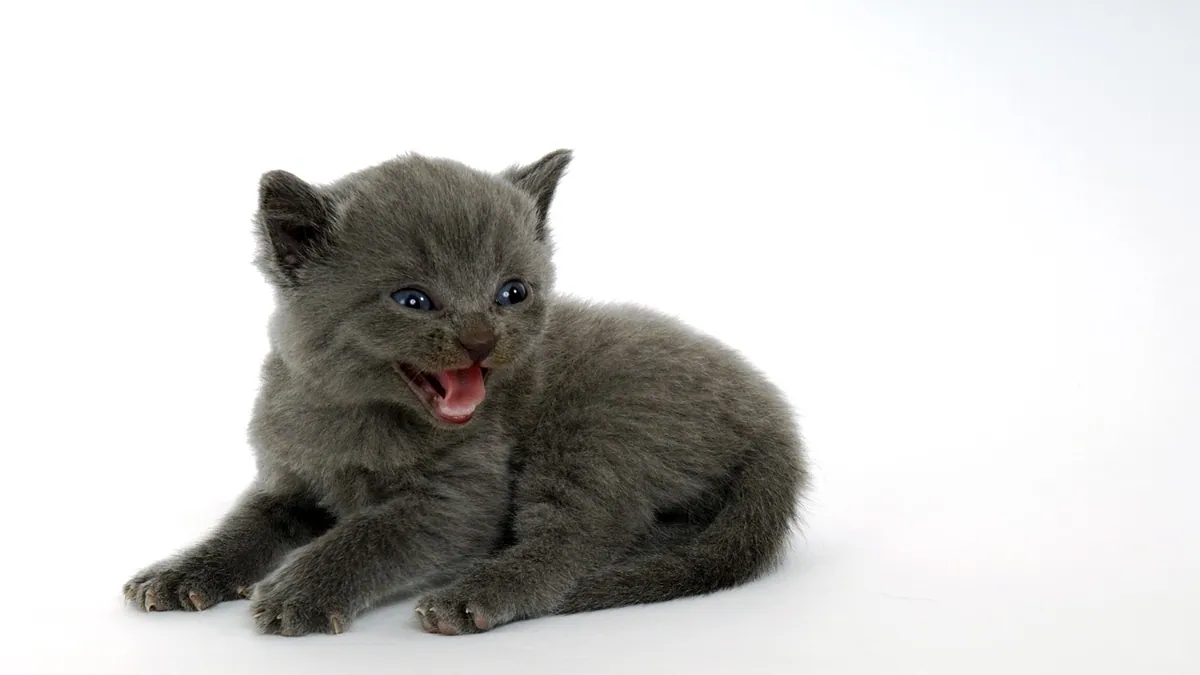
If your kitten meows while using the litter box, the most common reason is pain or straining during urination or a bowel movement. A kitten that cries in the box is telling you something hurts, and urinary blockages in male kittens can become fatal within a day. This article is educational and is not a substitute for veterinary diagnosis or treatment.
Quick Answer
- Meowing, crying, or yowling in the litter box is usually a sign of pain or effort, not a behavioral quirk.
- Urinary problems and constipation are the two most common causes in kittens.
- A male kitten who strains, cries, and produces little or no urine needs emergency care right away.
- Do not wait a few days to "see if it passes." Urinary obstruction and severe constipation can both become life threatening.
- Keep the box clean and watch how often your kitten goes, how long it takes, and whether the amount looks normal.
What Meowing in the Litter Box Looks Like
A normal trip to the box is quiet and quick. Your kitten steps in, scratches a little, postures, eliminates, covers, and leaves. Healthy cats tend to follow fairly regular daily patterns of eating and using the box, and their habits stay fairly stable day to day [1].
A painful trip looks different. Your kitten may:
- Cry, meow, or yowl while posturing
- Squat for a long time with little or nothing coming out
- Visit the box over and over in a short period
- Pace in and out of the box
- Strain so hard that the abdomen looks tight
- Lick the genital area after leaving the box
- Produce small, frequent urine spots or hard, dry stool
Cats meow to communicate with people, and they use meowing to tell us when something is wrong [2]. A kitten who is normally quiet but suddenly vocalizes in the box is sending a clear signal.
Why Is My Kitten Meowing While Using the Litter Box?
The two big categories are urinary (lower urinary tract) problems and gastrointestinal problems. Pain is the thread that connects them.
Urinary Causes
Feline lower urinary tract disease (FLUTD) covers several conditions, including feline interstitial cystitis (FIC) and urolithiasis (bladder stones). FIC results from complex interactions between the bladder, nervous system, adrenal glands, and the cat's living environment, and urolithiasis is the second most common cause of FLUTD [3]. Both can produce signs that look identical to an owner: straining, crying, frequent small urinations, and licking at the rear.
In male kittens, the urethra is narrow. A stone, plug, or inflammatory debris can block it completely. This is a true emergency. A blocked cat cannot pass urine, the bladder overfills, and toxins build up quickly.
Chronic kidney disease is another urinary condition, and it is a leading cause of death in cats. It is hard for owners to spot early, but cats with kidney disease tend to urinate more often, take longer in the box, and cover their waste less [4]. Kidney disease is less common in young kittens than in older cats, but it belongs on the list.
Gastrointestinal Causes
Constipation is common in kittens, especially after a diet change, a bout of diarrhea, or when they are not drinking enough. A constipated kitten strains, cries, and may pass small hard pellets or nothing at all. Severe constipation can progress to obstipation, where the colon can no longer push stool out.
Other GI causes include intestinal parasites, foreign objects (a swallowed toy or string), and inflammation of the colon. Any of these can make a bowel movement painful.
Behavioral and Environmental Causes
Not every cry in the box is medical. Litter box issues are common, and at least 10% of all cats develop elimination problems at some point [5]. Fearful cats are more prone to litter box problems than confident cats, and low sociability toward other cats, being male, and being intact are linked to house soiling [6].
Cats also have real preferences. In one study, cats preferred litter boxes measuring at least 50 cm (about 20 inches) and clumping clay litter, and a comfortable litter setup promoted normal urination and reduced unhappy behaviors during elimination [7]. A kitten squeezed into a tiny box with an unfamiliar litter may fuss and vocalize.
Cause Table
| Cause | Typical clues | How urgent |
|---|---|---|
| Urethral obstruction (male kittens) | Straining with no urine, crying, pacing, hiding, vomiting | Emergency now |
| Feline interstitial cystitis or bladder stones | Frequent small urinations, crying, blood in urine, licking rear | Same day |
| Constipation | Straining to defecate, hard dry stool, crying, reduced appetite | Same day to 24 hours |
| Intestinal parasites or colitis | Diarrhea, mucus, gas, crying during bowel movements | Routine visit soon |
| Litter box dislike or fear | Crying, box avoidance, going outside the box, normal appetite | Routine visit, but rule out pain first |
| Chronic kidney disease | More frequent urination, longer box time, less covering | Routine visit |
Red Flags: When Litter Box Pain Is an Emergency
Call an emergency veterinary hospital right now if your kitten shows any of these:
- Repeated trips to the box with no urine produced
- Crying or yowling while squatting
- A hard, painful belly
- Vomiting, drooling, or extreme lethargy
- Hiding and refusing to eat
- Open-mouth breathing or collapse
- No bowel movement for more than 48 hours with straining
- Blood in the urine or stool along with pain
A male kitten who cannot urinate can die within 24 to 48 hours. Do not wait for morning. Do not try home remedies. Go now.
If your kitten is hiding and avoiding the box along with the crying, that combination deserves urgent attention. You can read more about that pattern in Why Is My Cat Suddenly Hiding and Not Using the Litter Box?.
What You Can Safely Do at Home While You Wait
Home care does not replace a veterinary exam. These steps keep your kitten comfortable and give your vet useful information.
Watch and time the box visits. Note how often your kitten goes, how long each visit lasts, and whether urine or stool comes out. A written log helps your vet.
Check the litter for output. Clumping litter makes it easy to see clump size and number. Small, frequent clumps suggest urinary irritation. No clumps at all is an emergency.
Offer fresh water in several spots. Use ceramic or stainless steel bowls and consider a water fountain. Hydration supports both urinary and GI health.
Do not change the diet on your own. Sudden diet changes can worsen constipation or diarrhea. Ask your vet first.
Do not give human pain medications. Many common human drugs are toxic to cats. Never give ibuprofen, acetaminophen, or aspirin.
Do not give laxatives or enemas without veterinary guidance. Enemas can cause serious harm in cats.
Keep the box clean and quiet. Scoop at least once daily. Put the box in a low-traffic spot away from the food and water.
Reduce stress. A new pet, a move, or loud construction can trigger urinary flares. Keep a consistent routine.
If your kitten is going outside the box instead of inside it, the problem may be medical, behavioral, or both. See Cat Litter Box Problems: Medical Causes vs. Behavioral for a fuller breakdown.
What Your Veterinarian Will Check
Your vet will start with a full physical exam, including palpating the abdomen and bladder. A distended, firm bladder in a straining male kitten points to obstruction.
Expect some of these tests:
- Urinalysis to check for blood, crystals, infection, and concentration
- Bladder ultrasound or X-rays to look for stones or sludge
- Blood work to assess kidney values and electrolytes
- Fecal exam to check for parasites
- Abdominal imaging if a foreign object or severe constipation is suspected
Treatment depends on the cause. A blocked kitten needs catheterization and fluids. A kitten with cystitis may need pain control, environmental changes, and sometimes medication. A constipated kitten may need fluids, a stool softener, or a prescription diet. Your vet will calculate any medication dose based on your kitten's weight and health.
Prevention and Monitoring
Prevention starts with the box itself. Make it cat friendly. A box that is at least 20 inches long, filled with clumping clay litter, and kept clean covers most of the basics [7].
Other habits that help:
- One box per cat, plus one extra
- Scoop daily, full litter change weekly
- Place boxes in quiet, easy-to-reach spots
- Avoid covered boxes if your kitten seems uneasy
- Keep food and water away from the box
- Watch for changes in frequency, duration, and covering behavior
Tracking elimination habits matters because early problems are easy to miss. A cat with kidney disease, for example, may urinate more often and cover less, changes an owner might overlook without paying close attention [4].
Pay attention to your kitten's baseline. If your kitten normally uses the box twice a day and suddenly goes six times, that is a signal. If your kitten cries once during a bowel movement and then seems fine, watch closely for the next 24 hours. If the crying repeats, call your vet.
If your kitten starts peeing outside the box, that is often the first visible sign of a urinary problem. Read more in Why Is My Cat Peeing Outside the Litter Box?. If the problem is stool, see Why Is My Cat Pooping Outside the Litter Box? Causes and Solutions.
Limitations and When to Contact a Veterinarian
This article cannot tell you what is wrong with your specific kitten. Only a veterinarian who examines your kitten can do that. Individual cases need a veterinarian.
Call an emergency hospital now if: your kitten strains with no urine, cries in pain, has a hard belly, vomits, hides, or collapses. A male kitten who cannot urinate is the most time-sensitive case.
Call your vet the same day if: your kitten cries in the box but is still producing urine or stool, has blood in urine or stool, is straining for more than a few minutes, or has not had a bowel movement in 48 hours.
Schedule a routine visit if: the crying is mild, happens only now and then, and your kitten is eating, drinking, playing, and producing normal urine and stool. Mention the behavior at the visit so your vet can check for early problems.
Frequently Asked Questions
Is it normal for a kitten to meow in the litter box?
No, it is not normal. A healthy kitten uses the box quietly and quickly. Meowing, crying, or yowling during elimination usually means pain or straining, so have your kitten checked.
Can constipation make my kitten cry in the litter box?
Yes. Constipation causes hard, dry stool that is painful to pass, and kittens often cry or strain during the attempt. If your kitten has not passed stool in 48 hours or is straining with nothing coming out, call your vet.
How do I know if my kitten is blocked and needs emergency care?
A blocked kitten strains over and over with little or no urine, cries, paces, and may vomit or hide. The belly can feel firm and painful. This is an emergency, so go to a veterinary hospital right away.
Should I change my kitten's litter if it cries in the box?
Litter changes can help with comfort and preference, but they do not fix pain. Rule out a medical cause first. If your vet clears your kitten, try a larger box with clumping clay litter and scoop it daily.
Can stress cause litter box crying?
Stress can trigger urinary flares and box avoidance, especially in fearful kittens. Stress alone rarely causes crying during elimination, though. Have your vet check for pain first, then work on reducing stress at home.
Related Articles
- Why Is My Cat Suddenly Hiding and Not Using the Litter Box?
- Why Is My Cat Peeing Outside the Litter Box?
- Why Is My Cat Pooping Outside the Litter Box? Causes and Solutions
- Why Is My Cat sleeping in litter box? FLUTD Pain and Anxiety Response
- Cat Litter Box Problems: Medical Causes vs. Behavioral
- Why Is My Cat Pacing and Meowing? Anxiety or Medical Issue?
- Why Is My Kitten Sitting in the Litter Box? Causes
- Why Does My Kitten Meow When Pooping?
- Why Is My Kitten Refusing to Use the Litter Box?
References
- Characterising individual feeding and elimination behaviours in healthy cats using a connected smart feeder and litter box: a preliminary study. Journal of feline medicine and surgery, 2026.
- Meowing and Yowling. ASPCA Animal Poison Control Center.
- Serum and Urine Nerve Growth Factor and Glycosaminoglycan Levels in Obstructive and Non-Obstructive Feline Urolithiasis and Interstitial Cystitis. Veterinary medicine and science, 2026.
- Enhancing Detection of Feline Chronic Kidney Disease Through Smart Litter Box Monitoring. Animals : an open access journal from MDPI, 2026.
- Litter Box Problems. ASPCA Animal Poison Control Center.
- Feline litter box issues associate with cat personality, breed, and age at sterilization. Journal of the American Veterinary Medical Association, 2023.
- Litter box size and litter type preference and their associated behavioral changes in cats. The Journal of veterinary medical science, 2025.