Why Is My Kitten Refusing to Eat? Causes and What to Do
By Dr. Zubair Khalid, DVM, MS, PhD ·
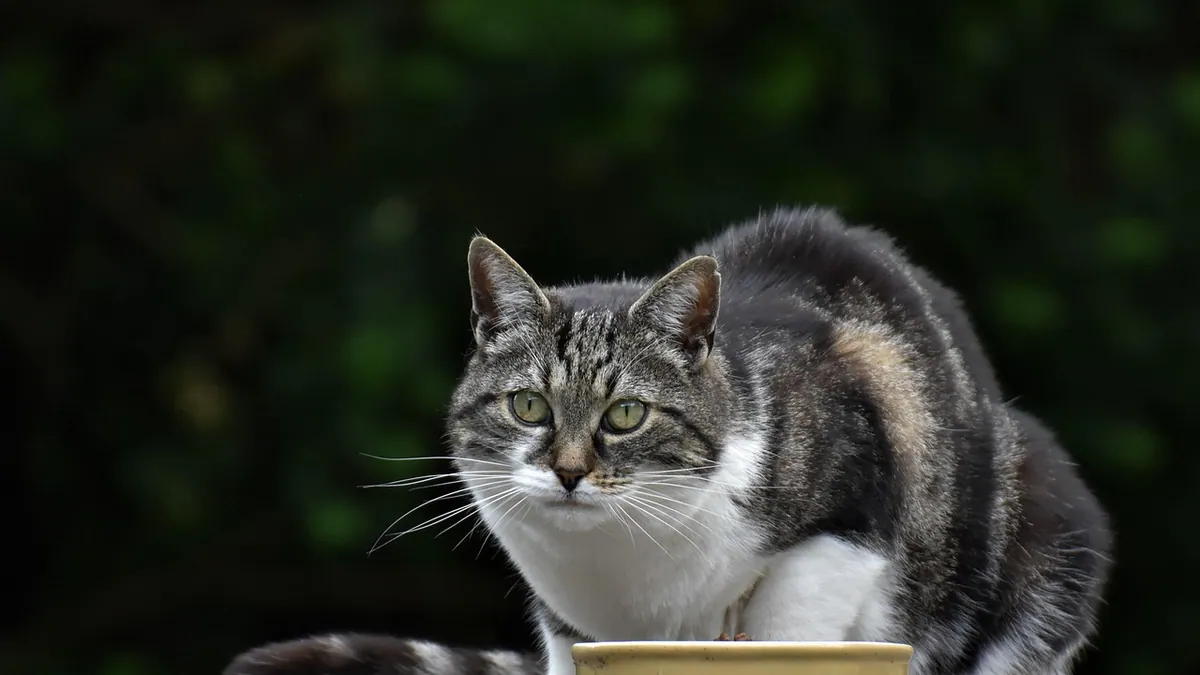
A kitten that refuses to eat is a medical concern, not a picky phase. Kittens have tiny energy reserves and can decline within 24 hours, so a skipped meal or two needs attention right away. If you are asking why is my kitten refusing to eat, the answer usually falls into one of a few groups: illness, pain, stress, food aversion, or teething discomfort.
This article is educational and is not a substitute for veterinary diagnosis or treatment.
Quick Answer
- A kitten that has not eaten in 12 to 24 hours needs to be seen by a veterinarian today, not tomorrow.
- Newborn and very young kittens are prone to low blood sugar because their metabolism is underdeveloped and their liver sugar reserves are small [1].
- The most common serious causes are infections, intestinal problems, pain, and fever, and these often come with lethargy, vomiting, or diarrhea.
- Smell drives appetite in cats, and repeated exposure to the same food odor can reduce how much they eat [2].
- Never force-feed a kitten or give human medications. Call your veterinarian or a pet poison hotline first.
What Refusing to Eat Looks Like and What Is Normal
A healthy kitten eats several small meals a day. Normal kittens are curious, active, and gain weight steadily. A kitten that is refusing to eat may walk away from the bowl, lick only the gravy, or show no interest when you open a can.
Some kittens eat less for a day and bounce back. Others stop completely. The difference matters. Watch for these signs:
- Turning away from food you know they usually like
- Eating a few bites and stopping
- Drooling, lip smacking, or pawing at the mouth
- Hiding, sleeping more, or crying when picked up
- Weight loss or a sunken look around the ribs
A kitten that stops eating and also seems weak or wobbly may have low blood sugar. Newborn kittens can drop into this state quickly because their bodies use up liver sugar reserves fast and cannot make new glucose well [1]. This can be life threatening, so treat it as an emergency.
Why Is My Kitten Refusing to Eat? The Main Causes
Many things can cause a kitten to stop eating. Some are minor and fixable at home. Others are serious and need a veterinarian the same day.
| Cause | Typical clues | How urgent |
|---|---|---|
| Infection or fever | Lethargy, warm ears, vomiting, diarrhea, poor coat | Same day |
| Intestinal blockage or disease | Vomiting, bloated belly, no poop, weight loss | Emergency |
| Pain (mouth, teeth, body) | Drooling, chewing on one side, flinching when touched | Same day |
| Teething | Chewing, drooling, mild fussiness, still playful | Routine visit if it lasts |
| Stress or change | New home, new food, loud noises, new pet | Watch closely for 24 hours |
| Food aversion or smell fatigue | Eats a little then quits, prefers a different food | Try a fix today |
| Low blood sugar | Weakness, trembling, wobbling, collapse | Emergency |
Illness and Infection
A sick kitten often stops eating before any other sign shows. In one reported case, a cat with a serious spleen infection had a two-week history of lethargy and vomiting along with reduced appetite [3]. Kittens can hide illness well, so appetite loss may be your first clue.
If your kitten is also vomiting, has diarrhea, or feels warm, call your veterinarian. These signs point to a problem that will not fix itself.
Intestinal Problems and Blockages
Some kittens stop eating because their gut is not moving food normally. A young cat with a long history of reduced appetite, diarrhea, and weight loss was found to have severe intestinal disease after imaging showed dilated loops of bowel [4]. That is an extreme example, but it shows how appetite loss can be the first visible sign of a deeper problem.
If your kitten is not eating and also not pooping, read Cat Not Pooping but Eating Normally: Causes and When to Help for more on what changes in the litter box can mean.
Why Is My Kitten Refusing to Eat Wet Food?
Wet food has a strong smell, which usually makes it appealing. If your kitten refuses wet food, consider these causes:
- The food is cold. Warm it slightly to boost the aroma.
- The food sat out too long and smells off.
- Your kitten is teething and the texture hurts.
- Your kitten has a mouth ulcer or a loose tooth.
- Your kitten has learned to expect a different food.
Cats rely heavily on smell to decide whether to eat. Research shows that repeated exposure to the same food odor reduces feeding motivation, and offering different foods can restore it [2]. That means a kitten may refuse the same wet food simply because the smell has become boring.
Why Is My Kitten Refusing to Eat Dry Food?
Dry food has less aroma than wet food. A kitten with a stuffy nose, a sore mouth, or teething pain may refuse kibble first. Dry food can also be hard on small teeth that are shifting.
Try these steps:
- Moisten a few kibbles with warm water.
- Offer a small amount of wet food instead.
- Check the mouth for redness, swelling, or missing teeth.
- Watch for drooling or chewing on one side.
Teething and Mouth Pain
Kittens lose baby teeth and grow adult teeth between about 3 and 6 months of age. During this time, gums can be sore. Many kittens still eat, but some slow down or prefer softer food.
Mouth pain from other causes is more serious. If your kitten drools, cries when eating, or has bad breath, have a veterinarian look at the mouth.
Stress and Environment
Kittens are sensitive to change. A new home, a new food, a new litter, or a noisy household can shut down appetite. So can a recent vaccination, a car ride, or a fight with another pet.
Give a stressed kitten a quiet room, a warm bed, and a familiar food. Sit nearby without hovering. Most kittens settle within a day. If they do not, call your veterinarian.
Food Aversion
A kitten can form a dislike for a food after feeling sick while eating it. This is called a food aversion. If your kitten ate a food and then vomited, they may refuse that food later even after they feel better.
Rotating flavors or textures can help. The research on smell and feeding motivation supports offering variety to keep interest up [2].
Red Flags That Mean Emergency Now
Some signs mean you should stop reading and call an emergency clinic.
- Your kitten is limp, cold, or unresponsive.
- Your kitten is trembling, wobbling, or collapsing (possible low blood sugar) [1].
- Your kitten is straining to breathe or breathing fast.
- Your kitten has a swollen, painful belly.
- Your kitten is vomiting repeatedly or has bloody diarrhea.
- Your kitten has not eaten for 24 hours or more.
- Your kitten is a newborn and has missed even one feeding.
Newborn kittens are at high risk because their blood sugar can swing in the first days of life [1]. Do not wait to see if a newborn perks up on its own.
Safe Things You Can Do at Home While You Wait
If your kitten is alert and not showing red flags, you can try a few safe steps before or while you arrange a vet visit.
- Warm the food slightly. A gentle warmth releases aroma.
- Offer a small amount of a different flavor or texture.
- Try a shallow plate so the smell reaches the nose easily.
- Hand-feed a tiny bit of wet food on your finger.
- Keep the room quiet and dim.
- Remove other pets from the feeding area.
- Check the mouth gently for sores or loose teeth.
- Offer water in a clean bowl and watch for drinking.
Do not force-feed. Do not give human food, milk, or medicine. Do not use a syringe unless your veterinarian tells you to and shows you how.
If your kitten is also vomiting, see Why Is My Kitten Throwing Up White Foam And Not Eating for more on that specific pattern.
If your kitten is eating odd things like litter, that can point to a different problem. Read Why Is My Cat eating litter? Pica Mineral Deficiency and Stress to learn more.
What Your Veterinarian Will Check and Test
Your veterinarian will start with a full physical exam. They will check weight, hydration, temperature, heart rate, and breathing. They will look inside the mouth and feel the belly for pain or swelling.
Depending on what they find, they may recommend:
- Blood glucose test to check for low blood sugar [1]
- Blood work to look at organ function and infection
- Fecal test for parasites
- X-rays or ultrasound to look for blockages or dilated bowel [4]
- Urine test
- Culture if an infection is suspected [3]
Treatment depends on the cause. Some kittens need fluids and a warm environment. Some need antibiotics or other medication. Your veterinarian will calculate any dose based on your kitten's weight and health. Never guess a dose on your own.
If your kitten needs to stay for treatment, ask about feeding support. Some kittens need a feeding tube for a short time. This is common and can save a life.
Prevention and Daily Monitoring
You can lower the risk of appetite problems with a few habits.
- Weigh your kitten weekly on a kitchen scale. Write it down.
- Feed several small meals a day instead of one big bowl.
- Rotate flavors or textures to keep smell interest high [2].
- Keep food and water bowls clean.
- Store food properly and toss anything that smells off.
- Keep the feeding area calm and away from the litter box.
- Schedule routine vet visits for vaccines and weight checks.
- Watch the litter box for poop and pee changes.
Food labels can be confusing. One study found that feeding instructions on many cat food labels recommend energy intake within a standard range, but labels vary [5]. Ask your veterinarian how much to feed your specific kitten based on age, weight, and body condition.
If your adult cat stops eating, the same urgency applies. See Why Is My Cat Not Eating? A Vet-Reviewed Guide for Pet Owners and Cat Not Eating? When to Worry and What to Do for more guidance.
Limitations and When to Contact a Veterinarian
This article cannot diagnose your kitten. Every kitten is different, and only a veterinarian who examines your kitten can tell you what is wrong and what to do.
Call your veterinarian the same day if:
- Your kitten has not eaten in 12 to 24 hours.
- Your kitten is eating much less than usual for more than a day.
- Your kitten has vomiting, diarrhea, or lethargy.
- Your kitten is drooling or has mouth pain.
- Your kitten is losing weight.
Go to an emergency clinic now if:
- Your kitten is limp, cold, or unresponsive.
- Your kitten is trembling, wobbling, or collapsing.
- Your kitten is having trouble breathing.
- Your kitten has a swollen or painful belly.
- Your kitten is a newborn and has missed a feeding.
If you are not sure, call. A quick phone call can help you decide. It is always better to check than to wait.
Frequently Asked Questions
How long can a kitten go without eating?
A kitten should not go more than 12 to 24 hours without eating. Newborns need to eat every few hours and can decline very fast. If your kitten has missed even one feeding and seems weak, call an emergency clinic right away.
Why is my kitten refusing to eat but still playful?
A playful kitten may just be stressed, teething, or bored with the food. Try warming the food or offering a different flavor. If your kitten is still playful but has not eaten for a full day, call your veterinarian.
Should I force-feed my kitten?
No. Force-feeding can cause choking and can make food aversion worse. It can also push food into the lungs. If your kitten will not eat, your veterinarian can show you safe ways to support feeding or place a feeding tube if needed.
Can I give my kitten human food to get it to eat?
No. Human foods can upset a kitten's stomach and some are toxic. Do not give milk, tuna, or table scraps as a substitute for kitten food. Ask your veterinarian for a safe option.
Will a kitten eat when it is hungry enough?
Not always. A sick kitten may not eat even when hungry. Appetite loss is often the first sign of illness. Do not wait for hunger to fix the problem. Call your veterinarian.
Related Articles
- Why Is My Cat Not Eating? A Vet-Reviewed Guide for Pet Owners
- Cat Not Pooping but Eating Normally: Causes and When to Help
- Cat Not Eating? When to Worry and What to Do
- Why Is My Kitten Throwing Up White Foam And Not Eating
- Why Is My Cat eating litter? Pica Mineral Deficiency and Stress
- Why Is My Cat Losing Weight?
- Sick Kitten Not Eating or Drinking: Causes and Urgency
- Kitten Not Eating in a New Home: Normal or Worrying?
- Kitten Not Growing or Thriving: Causes and What to Do
References
- Reassessing neonatal hypoglycemia in kittens: clinical relevance beyond the laboratory value. Topics in companion animal medicine, 2026.
- Olfactory habituation and dishabituation dynamically regulate feeding motivation in domestic cats. Physiology & behavior, 2026.
- Successful Management of Septic Splenitis in an Abyssinian Cat. Veterinary medicine and science, 2026.
- Chronic intestinal pseudo-obstruction secondary to intestinal leiomyositis in a ragdoll cat. Frontiers in veterinary science, 2026.
- An investigation of feeding instructions on cat food labels in Belgium and comparison with European industry energy intake recommendations. The Veterinary record, 2026.