Why Does My Kitten Meow When Pooping?
By Dr. Zubair Khalid, DVM, MS, PhD ·
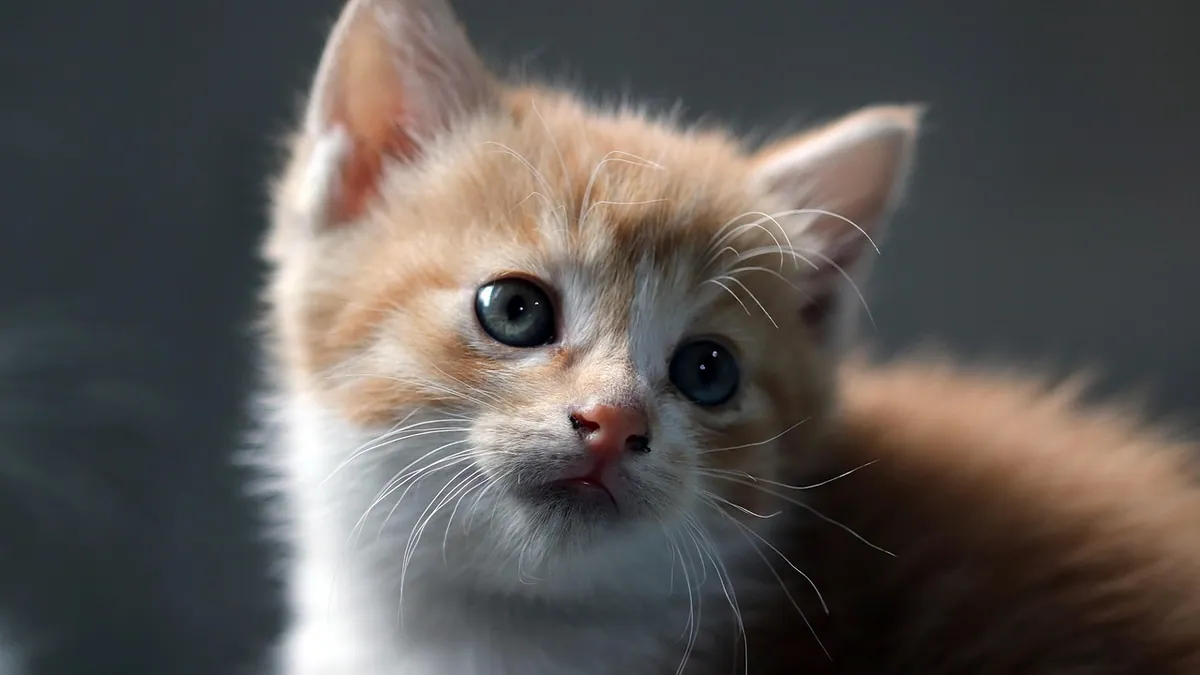
Is it normal for kittens to meow when they poop? Occasionally, yes. A kitten may make a small sound from effort or habit, especially if the stool is a little firm or the litter box is new. But repeated meowing, crying, or straining during pooping is not something to shrug off, because it often points to discomfort or a blockage.
This article is educational and is not a substitute for veterinary diagnosis or treatment.
Quick Answer
- A soft grunt or single chirp during a normal, well-formed poop is usually harmless.
- Loud crying, crouching, pacing, or repeated trips to the box with little output suggests pain or constipation.
- Kittens dehydrate fast, so a day or two without a bowel movement matters more than it would in an adult cat.
- Never give human laxatives, enemas, or stool softeners to a kitten without veterinary direction.
- Call your veterinarian the same day if meowing comes with straining, a hard belly, vomiting, or no stool for 24 to 48 hours.
What Meowing During Pooping Looks Like, and What Is Normal
Healthy cats tend to follow steady daily routines for eating and using the litter box, and their elimination habits stay fairly consistent from day to day [1]. A normal kitten poop is soft but formed, easy to pass, and produced without a lot of drama. Many kittens are quiet. Some make a brief squeak or grunt as they push, then trot off to play.
The sound itself matters less than the whole picture. Ask yourself:
- Is the poop normal in shape and color?
- Does the kitten finish quickly and seem comfortable afterward?
- Is this a new sound, or has she always done it?
- Are there other changes, like less appetite, vomiting, or hiding?
A kitten who meows once and passes a normal stool is likely fine. A kitten who cries, squats for a long time, or leaves the box without producing anything is telling you something is wrong.
Why Does My Kitten Meow When She Poops? The Main Causes
There are several reasons a kitten vocalizes during defecation, and they range from harmless to serious.
Normal effort or a learned habit
Passing stool takes abdominal pressure. Some kittens vocalize with that effort the same way people grunt when lifting something. If the stool is normal and the kitten seems relaxed before and after, this is usually just her style.
Constipation and hard stool
Constipation is one of the most common reasons for crying during pooping. When stool sits too long in the colon, it loses water and becomes hard and painful to pass. Kittens on dry-only diets, kittens who are not drinking enough, and kittens with parasites or dietary upset can all get constipated. Long-standing constipation that goes untreated can progress to a stretched, poorly motile colon, a condition called megacolon, which is most often seen in middle-aged to older cats but can affect cats of any age [2].
Painful conditions in the rectum or colon
A narrowed spot in the rectum, called a rectal stricture, can cause straining and pain during defecation. In one reported case, an 8-month-old cat was brought in for rectal straining and pain while pooping, and the stricture was confirmed with contrast imaging and treated successfully with balloon dilation [3]. Young cats can develop these problems, so age alone does not rule out a structural cause.
Large intestinal disease
Diseases of the large intestine in cats often show up as large bowel diarrhea, though constipation happens too. Causes include infections, parasites, inflammatory disease, tumors, blood vessel abnormalities, and motility disorders [4]. Any of these can make pooping uncomfortable and prompt vocalizing.
Obstruction or a foreign body
Kittens chew everything. String, hair ties, toy parts, and bones can partially or fully block the intestine. A blockage is an emergency and often comes with vomiting, a painful belly, and no stool at all.
Stress or litter box problems
A dirty box, a box that is too small, a new location, or a noisy household can make a kitten hold her stool. Holding it leads to harder stool, which then hurts to pass. You can read more about this pattern in Why Is My Cat Pooping Outside the Litter Box? Causes and Solutions.
Table: Cause, Clues, and Urgency
| Cause | Typical clues | How urgent |
|---|---|---|
| Normal effort | One soft sound, normal formed stool, playful afterward | Not urgent |
| Mild constipation | Firm or dry stool, occasional straining, normal appetite | Call within 24 hours |
| Rectal stricture or narrowing | Ongoing straining, pain, thin or ribbon-like stool | Same-day visit |
| Large intestinal disease | Diarrhea, mucus, urgency, weight loss | Same-day to routine visit |
| Megacolon | Long history of constipation, bloated belly, weight loss | Same-day visit |
| Obstruction or foreign body | Vomiting, no stool, hard painful belly, lethargy | Emergency now |
| Stress or box issues | Holds stool, goes outside the box, otherwise well | Routine visit if it continues |
Red Flags That Make It an Emergency
Some signs mean you should stop reading and call an emergency clinic.
- Your kitten is crying loudly and cannot pass anything.
- The belly looks swollen and feels hard or painful to touch.
- There is vomiting, especially repeated vomiting.
- Your kitten is weak, wobbly, or unresponsive.
- You see blood or a large amount of mucus in the stool.
- Your kitten has not pooped in 24 to 48 hours and is straining.
- Your kitten is drooling, panting, or breathing fast.
A kitten with a suspected blockage can decline within hours. Do not wait to see if it passes on its own.
Safe Things You Can Do at Home While You Wait
Home care is about comfort and monitoring, not treatment. Never give a kitten human laxatives, suppositories, or enemas. These can cause serious harm, and the dose depends on the kitten's weight and health, so only your veterinarian should calculate it.
What you can do:
- Offer fresh water in several spots and consider adding a little water or kitten-safe wet food to meals.
- Keep the litter box clean and easy to reach. Use a low-sided box for small kittens.
- Reduce stress. Put the box in a quiet spot away from the food and from loud appliances.
- Watch and write down what you see. Note the time of each attempt, the size and shape of any stool, and whether your kitten cries.
- Take a photo of the stool if it looks unusual. This helps your veterinarian.
If your kitten is straining and nothing is coming out, stop offering food and call your vet. If she is eating and passing soft stool normally, gentle monitoring is reasonable.
For related problems, see Cat Not Pooping but Eating Normally: Causes and When to Help and Cat Straining to Poop but Only Passing Mucus: Causes and Care.
What Your Veterinarian Will Check and Test
Your veterinarian will start with a full history. Tell them when the meowing started, what the stool looks like, what your kitten eats, and whether there have been any vomiting or appetite changes.
The physical exam usually includes:
- Palpating the abdomen to feel for a full, firm colon or a painful spot. A dilated, firm colon on palpation is a common finding in cats with severe constipation [2].
- Checking hydration, weight, and gum color.
- A rectal exam when it is safe and appropriate.
Testing may include:
- Abdominal radiographs (X-rays), which are the main way to diagnose a severely dilated colon [2].
- Fecal testing for parasites and infection.
- Blood work to check hydration, electrolytes, and organ function.
- Contrast imaging or additional imaging when a stricture or mass is suspected [3].
- Colonoscopy with biopsy in selected cases of large intestinal disease [4].
Treatment depends on the cause. Early or reversible constipation may respond to rehydration, dietary fiber, laxatives, enemas, and drugs that improve gut motility [2]. Structural problems like a stricture may need a procedure such as balloon dilation [3]. Large intestinal disease is managed by treating the underlying cause along with diet and supportive care [4].
Prevention and Monitoring
Most kitten poop problems are easier to prevent than to fix.
- Feed a balanced kitten diet. If you use dry food, ask your vet whether adding wet food makes sense.
- Keep water available and fresh. Some kittens drink more from a fountain.
- Scoop the box daily and do a full change weekly.
- Track your kitten's poop. A simple note on your phone is enough. Healthy cats show regular, predictable elimination patterns [1].
- Keep string, hair ties, bones, and small toys out of reach.
- Schedule routine vet visits and bring up any changes in poop, appetite, or behavior.
If your kitten has had one episode of constipation, watch closely for a repeat. Cats with a history of chronic constipation need ongoing monitoring because untreated cases can progress to megacolon [2]. If you notice gas or digestive upset along with the poop changes, Why Does My Cat Have Gas? covers common causes.
Limitations and When to Contact a Veterinarian
This article cannot tell you what is happening inside your specific kitten. Only a veterinarian who examines her can do that. Use these timing rules:
- Emergency now: repeated vomiting, a hard or swollen belly, no stool with straining, collapse, trouble breathing, or suspected swallowed object.
- Same day: crying during pooping that is new or getting worse, straining with little output, blood in the stool, or no poop for 24 hours.
- Routine visit: occasional soft meowing with normal stool, mild firmness that responds to diet changes, or any pattern you want checked.
When in doubt, call. A phone call costs nothing, and kittens can go downhill faster than adult cats.
Frequently Asked Questions
Is it normal for kittens to meow when they poop?
A brief, quiet sound during a normal bowel movement is common and usually harmless. Ongoing or loud meowing is not normal and often means the kitten is uncomfortable. If the sound is new or comes with straining, have her checked.
My kitten meows when he poops but the stool looks normal. Should I worry?
If the stool is well formed, he passes it quickly, and he acts normal afterward, you can monitor for a day or two. Keep a written record of each bowel movement. If the meowing continues or gets louder, call your veterinarian.
Can constipation cause a kitten to cry while pooping?
Yes. Hard, dry stool is painful to pass, and kittens often vocalize because of that pain. Constipation that goes untreated can lead to a stretched, poorly working colon over time. Early diet and hydration changes usually help, but a vet should confirm the cause.
How long can a kitten go without pooping before it is a problem?
A healthy kitten usually poops at least once a day. If your kitten has not pooped in 24 hours and is straining or crying, call your vet. If she has not pooped in 48 hours, treat it as urgent, especially if she is vomiting or off her food.
Should I give my kitten a laxative or enema at home?
No. Human laxatives, suppositories, and enemas can seriously harm a kitten, and the correct dose depends on her weight and health. Only a veterinarian should decide if one is needed and calculate the amount. Offer water and call your vet instead.
Related Articles
- Cat Not Pooping but Eating Normally: Causes and When to Help
- Why Is My Cat Pooping Outside the Litter Box? Causes and Solutions
- Cat Straining to Poop but Only Passing Mucus: Causes and Care
- Why Does My Cat Have Gas?
- Why Does My Dog Eat Poop?
- Cat Straining to Poop: Constipation or Something Worse?
- Why Does My Kitten Cry When Pooping? Causes and Help
- Why Is My Kitten Meowing in the Litter Box? Causes
- Kitten Not Pooping: Causes and When to Help
References
- Characterising individual feeding and elimination behaviours in healthy cats using a connected smart feeder and litter box: a preliminary study. Journal of feline medicine and surgery, 2026.
- Megacolon in cats: Current insights and future directions. Veterinary journal (London, England : 1997), 2026.
- Management of a rectal stricture in a young cat with a balloon dilatation method. Tierarztliche Praxis. Ausgabe K, Kleintiere/Heimtiere, 2026.
- Large-Intestinal Disorders in Dogs and Cats: Diagnosis, Management, and Clinical Outcomes. The Veterinary clinics of North America. Small animal practice, 2026.