Senior Cat Pooping Everywhere: Causes and What to Do
By Dr. Zubair Khalid, DVM, MS, PhD ·
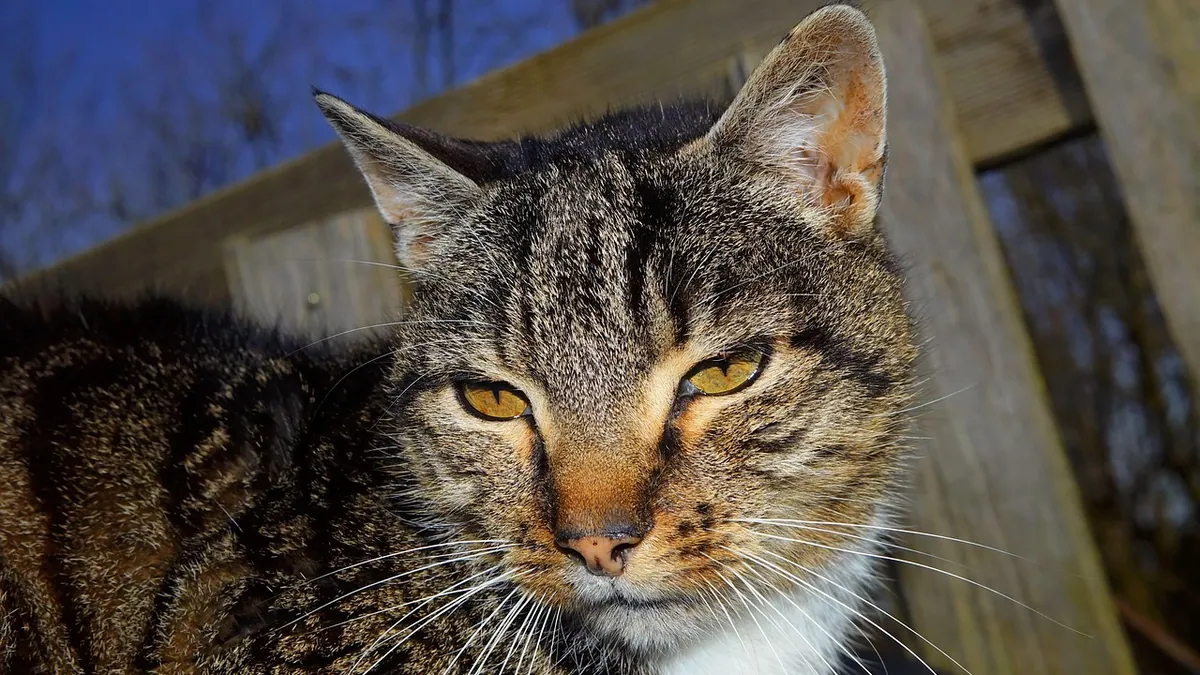
Senior cat pooping everywhere is a common and treatable problem, not something you have to live with. In older cats, bowel accidents usually trace back to a medical issue, a litter box that no longer works for them, or both. The good news is that most causes can be identified and managed once you know what to look for.
This article is educational and is not a substitute for veterinary diagnosis or treatment.
Quick Answer
- Any cat that starts pooping outside the box needs a veterinary exam. A physical disease is often the trigger, and behavior changes can be an early sign of illness [1].
- Never assume accidents are "just old age." Changes in an older cat's behavior or body should prompt a call to your veterinarian [2].
- Add more litter boxes, at least one on every floor, so a cat with stiff joints or confusion always has a short trip [3].
- Choose large, open boxes with clumping clay litter. Cats in one study preferred boxes measuring at least 50 cm (about 20 inches) and clumping clay litter, and that setup reduced house-soiling [4].
- Scoop daily and replace litter fully each week. Poor litter hygiene is linked to house-soiling in cats [5].
What Senior Cat Bowel Accidents Look Like
Normal bowel habits vary, but most healthy cats pass a firm, well-formed stool once or twice a day. The stool should be easy to pick up, with no blood, mucus, or unusual color.
A senior cat with a litter box problem may leave stool in several places. You might find firm piles on the floor near the box, soft stool on a rug, or small smears on furniture. Some cats poop right beside the box. Others pick a quiet corner far from the box, especially if stairs are involved.
Watch for these patterns:
- Stool on the floor near the litter box, which often points to a box problem or pain
- Accidents in new or unusual spots, which can suggest confusion or disorientation
- Small, frequent bits of stool, which can suggest straining or incomplete emptying
- Soft or watery stool, which points to a digestive issue
- Stool left while the cat is sleeping or walking, which can suggest nerve or muscle problems
The pattern matters. Where the accidents happen, how often, and what the stool looks like all give your veterinarian useful clues.
Why Is My Senior Cat Pooping Outside the Litter Box?
There are two big buckets of causes: medical problems and environmental problems. Most older cats have a mix of both. A cat with arthritis and a bladder infection may avoid a high-sided box and also feel urgent urges. Sorting out each piece takes a veterinary exam plus some detective work at home.
A change in behavior is often one of the early signs of physical disease, and disease can also make an existing behavior problem worse [1]. That is why the first step is always a health check, not a training plan.
Medical Causes
Older cats face a long list of conditions that affect bowel control and litter box use. Constipation is one of the most common. When stool becomes hard and dry, passing it hurts. A cat may start to associate the litter box with pain and avoid it. Over time, severe constipation can lead to megacolon, a condition where the colon stays stretched and stops moving stool normally. Megacolon is seen most often in middle-aged to older male domestic shorthair cats, though any cat can develop it [6].
Diseases that increase urine output, such as kidney failure, diabetes mellitus, and hyperthyroidism, can also play a role. These conditions make the litter box get dirty faster, and the extra soil and odor may push a cat to go elsewhere [2].
Cognitive decline is another major factor. Feline cognitive dysfunction affects more than 55% of cats aged 11 to 15 years and more than 80% of cats aged 16 to 20 years. Memory, learning, awareness, and senses can all decline. A cat with cognitive dysfunction may simply forget where the litter box is [3].
Pain and mobility problems matter too. Arthritis in the hips, knees, or spine makes climbing into a box painful. A cat may poop on the floor because getting into the box hurts more than the accident does.
Environmental and Litter Box Causes
Sometimes the box itself is the problem. Research on litter management shows that the number of boxes, their type and location, the litter type, and how often you scoop and fully replace litter all affect whether a cat eliminates outside the box [5]. Cats in one study preferred boxes at least 50 cm long with clumping clay litter, and giving them that setup improved house-soiling for both urine and stool [4].
Common environmental triggers include:
- Too few boxes in a multi-cat home
- Boxes placed near noisy appliances, dogs, or busy hallways
- Covered boxes that trap odor or feel cramped
- Scented litter or liners that bother sensitive paws and noses
- Boxes with high sides that are hard to step into
- A box that is scooped rarely or never fully changed
Stress plays a role as well. Stress activates the body's short-term and long-term stress response systems, and that can worsen elimination problems [1]. A new pet, a move, or a change in schedule can all tip a sensitive older cat toward accidents.
Cause Table
| Cause | Typical clues | How urgent |
|---|---|---|
| Constipation or megacolon | Straining, small hard stools, vomiting, belly discomfort | See a vet within 24 to 48 hours |
| Cognitive dysfunction | Accidents in new spots, confusion, nighttime yowling | Routine visit, but book soon |
| Arthritis or pain | Stiff walking, accidents beside the box, reluctance to jump | Routine visit |
| Bladder infection or stones | Frequent small urination, straining, blood in urine | See a vet within 24 hours |
| Kidney disease, diabetes, hyperthyroidism | More urine, more thirst, weight loss, bigger appetite | See a vet within a few days |
| Litter box or litter problem | Accidents near the box, box avoidance, normal stool | Try home changes, vet visit if no improvement |
| Stress or household change | Accidents after a move or new pet, hiding, pacing | Routine visit if it persists |
Red Flags That Mean Emergency Care
Some signs mean your cat needs to be seen right away. Do not wait to see if things improve on their own.
Go to an emergency clinic now if you see:
- A cat that has not passed stool for more than 48 hours and is straining hard
- Repeated unproductive straining with vomiting
- A hard, swollen, painful belly
- Collapse, extreme weakness, or pale gums
- Heavy bleeding from the rectum
- A cat that cannot urinate at all, especially a male cat
A cat that cannot pass urine is a true emergency. So is a cat that has stopped passing stool and is clearly in pain. These situations can become life threatening within hours.
What You Can Do at Home Today
You can make several safe changes right away while you wait for your veterinary appointment. None of these replace a medical workup, but they can reduce accidents and give your vet better information.
Reset the Litter Box Setup
- Add boxes. Place at least one on every floor of your home in case your cat has trouble with stairs [3].
- Use the one-plus-one rule. For a multi-cat home, aim for one box per cat plus one extra.
- Pick large, open boxes. Look for boxes at least 50 cm (about 20 inches) long, since cats in one study preferred that size [4].
- Switch to clumping clay litter. This was the preferred litter type in the same study [4].
- Scoop at least once daily and fully replace litter weekly. Litter hygiene is tied to house-soiling risk [5].
- Move boxes away from loud appliances, dogs, and busy paths.
Make the Box Easy to Reach
- Cut a low entry into a high-sided box, or use a shallow pan.
- Add a ramp or step for a cat with arthritis.
- Keep a night light near the box for a cat with fading vision.
- Keep food and water away from the box.
Track the Details
Write down when and where accidents happen, what the stool looks like, and how often your cat goes. Note any changes in appetite, thirst, weight, or behavior. Bring these notes to your appointment. This kind of record helps your veterinarian decide which tests to run first.
If your cat is also straining or not passing stool, see our guide on cat constipation: what should you do?. If your cat is eating but not pooping, read cat not pooping but eating normally: causes and when to help.
What Your Veterinarian Will Check
Your veterinarian will start with a full history and physical exam. They will feel your cat's abdomen to check for a large, firm colon, which can point to megacolon [6]. They will also check for pain, dehydration, weight loss, and dental disease.
Expect some of these tests:
- Blood work to check kidney values, blood sugar, thyroid level, and electrolytes
- A urine test to look for infection, crystals, or dilute urine
- Fecal testing to rule out parasites
- Abdominal radiographs (X-rays), which are the main way to diagnose megacolon [6]
- Blood pressure, since older cats often have high blood pressure
If the exam and tests point to a medical cause, treatment targets that cause. Constipation may be managed with laxatives, enemas, prokinetic drugs, rehydration, and dietary fiber, which work best in early or reversible cases [6]. Your veterinarian will calculate any medication dose from your cat's weight and health, so never give a human laxative or stool softener on your own.
If medical problems are ruled out, and if behavior problems that started before your cat began aging are ruled out, the accidents may be tied to the effects of aging on the brain [3]. In that case, your vet may focus on box changes, routine, and sometimes medication.
Once medical problems are treated, you may still need to retrain your cat to use the box again [7]. That is normal. Old habits can be rebuilt with patience.
Preventing and Monitoring Future Accidents
Prevention starts with regular veterinary care. Older cats benefit from exams at least twice a year, since many age-related changes are easier to manage when caught early. Never assume a change is untreatable just because your cat is old [2].
At home, keep the basics steady:
- Keep the same number of clean boxes in the same quiet spots
- Scoop daily and do a full litter change weekly
- Watch stool size, shape, and frequency
- Note any new accidents right away
- Keep a consistent feeding and play schedule
If your cat has cognitive decline, keep furniture and boxes in familiar places. Cats with cognitive dysfunction can forget well-learned habits, including where the litter box is [3]. A stable home layout helps.
For more on age-related care, see caring for senior cats and how to care for senior cats. If accidents continue after a clean veterinary workup, our article on why is my cat pooping outside the litter box? causes and solutions walks through behavior-focused steps.
Limitations and When to Contact a Veterinarian
This article covers common patterns, but every cat is an individual. Your cat's age, health history, and home setup all change what is likely and what to do next. Only a veterinarian who examines your cat can diagnose the cause and set a treatment plan.
Contact your veterinarian the same day if your cat:
- Has accidents along with vomiting, diarrhea, or weight loss
- Strains to poop or passes only small amounts
- Has blood or mucus in the stool
- Drinks and urinates much more than usual
- Seems painful when you touch the belly or hind end
Go to an emergency clinic now if your cat:
- Has not passed stool for more than 48 hours and is straining
- Is vomiting repeatedly with a hard, swollen belly
- Cannot urinate
- Is weak, collapsed, or breathing hard
Book a routine visit soon if the accidents are new but your cat otherwise seems well. Early visits are often the easiest to treat.
Frequently Asked Questions
Is it normal for a senior cat to poop outside the litter box?
No, it is not a normal part of aging. Accidents in an older cat usually point to a medical problem, a litter box problem, or cognitive decline, and all of these can be addressed. Any change in behavior or physical condition in an older cat should prompt a call to your veterinarian [2].
Can arthritis cause a senior cat to poop on the floor?
Yes. Arthritis pain in the hips, knees, or spine can make stepping into a litter box painful. A cat may then choose the floor because it hurts less. Low-entry boxes, ramps, and pain management from your veterinarian can help.
How many litter boxes does an older cat need?
At least one box on every floor of your home, so your cat never has to travel far or use stairs [3]. In a multi-cat home, one box per cat plus one extra is a good target. More boxes mean fewer accidents.
Will changing litter fix the problem?
Sometimes it helps a lot, but it is not a cure for a medical cause. Cats tend to prefer large boxes with clumping clay litter, and that setup reduced house-soiling in one study [4]. Pair litter changes with a veterinary exam so you do not miss an underlying illness.
Should I punish my senior cat for accidents?
No. Punishment adds stress and can make the problem worse, since stress can aggravate elimination problems [1]. Clean the spot with an enzymatic cleaner, fix the box setup, and get your cat checked by a veterinarian.
Related Articles
- Why Is My Cat Pooping Outside the Litter Box? Causes and Solutions
- Caring For Senior Cats
- How To Care For Senior Cats
- Cat Constipation: What Should You Do?
- Cat Not Pooping but Eating Normally: Causes and When to Help
- Senior Cat Not Eating? When to Rush to the Vet vs. Try Home Care
- Cat Pooping Uncontrollably: Causes and What to Do
- Cat Pooping on Carpet, Bed, or Floor: Causes and Cleaning
- Senior Cat Constipation, Diarrhea and Incontinence
References
- Cat Inappropriate Elimination and its Interaction with Physical Disease. The Veterinary clinics of North America. Small animal practice, 2024.
- The Special Needs of the Senior Cat. Cornell University College of Veterinary Medicine.
- Older Cats with Behavior Problems. ASPCA Animal Poison Control Center.
- Litter box size and litter type preference and their associated behavioral changes in cats. The Journal of veterinary medical science, 2025.
- Factors associated with house-soiling in Italian cats. Journal of feline medicine and surgery, 2023.
- Megacolon in cats: Current insights and future directions. Veterinary journal (London, England : 1997), 2026.
- Medical Causes of House Soiling in Cats. ASPCA Animal Poison Control Center.