Senior Cat Peeing on the Floor or Bed: Why It Happens
By Dr. Zubair Khalid, DVM, MS, PhD ·
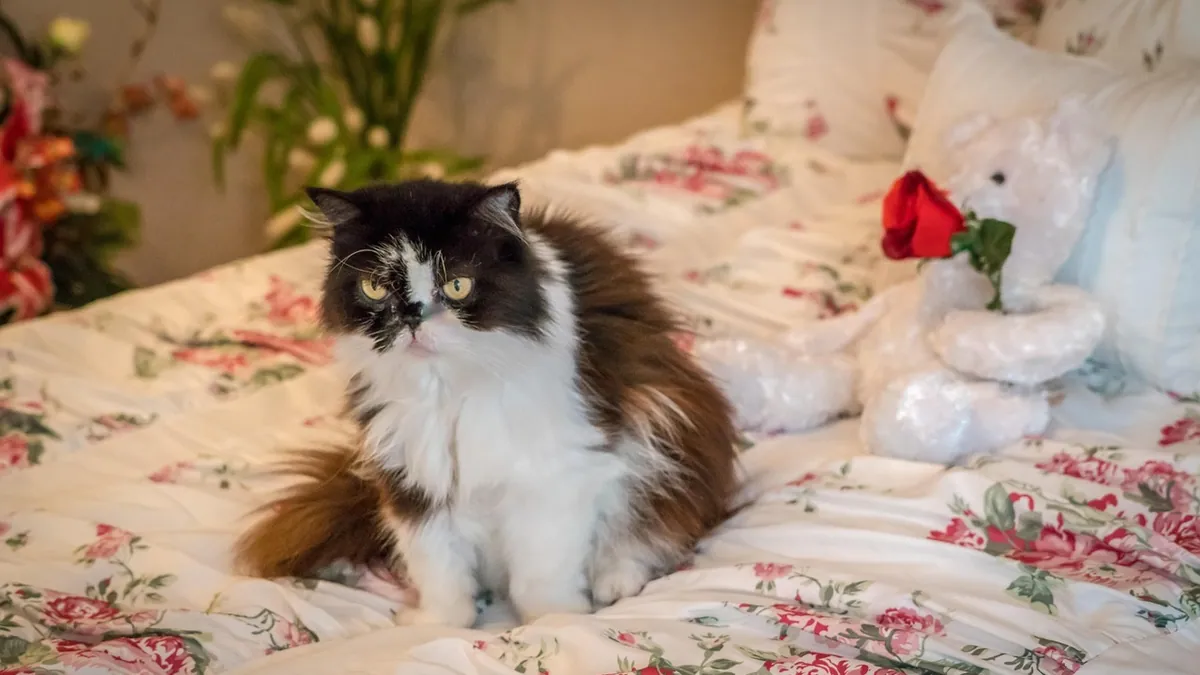
A senior cat keeps peeing on the floor or bed because something changed, either in her body or in her bathroom setup. In older cats, the most common drivers are kidney disease, arthritis, cognitive decline, and litter box problems [1][2]. The fix depends on which one is at work, so the first step is a veterinary visit, not a new carpet cleaner.
This article is educational and is not a substitute for veterinary diagnosis or treatment.
Quick Answer
- Any sudden change in where a senior cat urinates deserves a vet visit, because house-soiling is often the first visible sign of a medical problem [1].
- Kidney disease is a leading cause in older cats, and dilute urine can show up on testing before other signs appear [3].
- Arthritis makes it painful to climb into a high-sided box or walk to a box on another floor, so she may urinate wherever she is standing [1].
- Feline cognitive dysfunction affects more than half of cats aged 11 to 15 and more than 80% of cats aged 16 to 20, and it can make a cat forget where the litter box is [2].
- Most cats prefer a large box (at least 50 cm, about 20 inches) with clumping clay litter, and giving them that can reduce house-soiling [4].
What Senior Cat House-Soiling Looks Like
Normal urination for a cat means a full bladder emptied in a squatting position inside the litter box, with a normal volume and no straining. Senior cats may urinate a little more often than they used to, but the pattern should stay predictable.
House-soiling is urine (or stool) left outside the box. It can look like a puddle on a tile floor, a soaked spot on a bed, a spray pattern on a wall, or small dribbles along a walking path. The location matters. Puddles near the box suggest a box problem. Puddles on the bed, on your lap, or in a sleeping spot can suggest pain, anxiety, or a cat who cannot hold urine long enough to reach the box.
Some cats also vocalize while urinating, lick their genital area more, or leave smaller, more frequent puddles. Those details help your veterinarian narrow the list of causes.
Main Causes of a Senior Cat Peeing Outside the Box
| Cause | Typical clues | How urgent |
|---|---|---|
| Kidney disease | Large volume of dilute urine, increased drinking, weight loss, dull coat | See a vet within days [3] |
| Urinary tract infection or crystals | Small frequent puddles, straining, crying, blood in urine | Same day to urgent |
| Arthritis or mobility pain | Puddles near the box, reluctance to climb stairs, stiffness after rest | Routine visit, sooner if pain is obvious |
| Feline cognitive dysfunction | Peeing in new places, confusion, night waking, forgetting the box location | Routine visit [2] |
| Litter box dislike | Peeing beside the box, on soft items, or on the bed | Try home fixes, vet visit if no change [4][5] |
| Anxiety or stress | Spraying on walls, changes at home, fearfulness | Routine visit [6] |
| Bladder stones or blockage | Straining with little or no urine, pacing, vomiting | Emergency now |
Kidney Disease and Other Medical Causes
Kidney disease is one of the most common medical reasons a senior cat urinates outside the box. Damaged kidneys cannot concentrate urine well, so the cat produces large amounts of dilute urine and may not always make it to the box [1]. A 2026 study of apparently healthy mature cats found that poorly concentrated urine was linked to a higher risk of later chronic kidney disease, which means dilute urine can be an early warning sign [3]. Your veterinarian can check urine concentration with a simple urine test.
Other medical causes include urinary tract infections, bladder stones, diabetes, hyperthyroidism, and cancer. These can cause urgency, pain, or accidents. A cat with a urinary blockage, most common in male cats, cannot pass urine at all and needs emergency care.
Arthritis and Mobility Problems
Arthritis is easy to miss in cats because they hide pain well. A cat with sore hips or knees may struggle to step into a box with high sides, or she may avoid a box in the basement because stairs hurt. She may then urinate on a soft bed or a rug close to where she sleeps. This is not spite. It is a physical limit.
Watch for stiffness when she stands up, reluctance to jump, and a preference for low, flat resting spots. If she urinates right next to the box instead of inside it, mobility is a strong suspect.
Cognitive Decline in Senior Cats
Feline cognitive dysfunction is a decline in brain function that affects memory, learning, awareness, and the senses [2]. It affects more than 55% of cats aged 11 to 15 years and more than 80% of cats aged 16 to 20 years [2]. A cat with cognitive decline may forget where the litter box is, forget the habit of using it, or become anxious and disoriented, especially at night [2]. She may also sleep more during the day and wander at night.
If your cat seems confused, stares at walls, or urinates in spots she never used before, cognitive dysfunction belongs on the list. There is no cure, but changes at home and some veterinary treatments can help.
Litter Box Problems
Litter box issues are the most common complaint from cat owners and a leading reason cats are surrendered to shelters [4]. Research shows cats prefer boxes measuring at least 50 cm (about 20 inches) and clumping clay litter, and giving them both improved house-soiling in one study [4]. A 2023 study of over 3,000 cats found that the number of dogs and other cats in the home, the cat's age, the number, type, and location of boxes, the litter type, and how often the box was scooped and fully replaced all mattered [5]. Another large study found that fearful cats were more prone to litter box issues than confident cats [6].
For a senior cat, the box may have worked for years and then stopped working because her body changed. A high-sided box she used to hop into is now a hurdle. A box on another floor is now too far. A covered box that traps odor may now bother her.
If your cat is urinating in front of you, on the carpet, on the wall, or on the couch, those patterns often point to specific triggers. You can read more about them here: Why Is My Cat Peeing on the Floor Right in Front of Me?, Why Is My Cat Suddenly Peeing on the Carpet?, and Why Is My Cat Suddenly Peeing on the Couch?.
Red Flags That Mean Emergency Care Now
Some signs cannot wait. Go to an emergency clinic right away if your cat:
- Strains to urinate with little or no urine coming out
- Cries out or paces while trying to urinate
- Has a hard, painful belly
- Vomits and stops eating
- Collapses, breathes fast, or seems weak
- Has blood in the urine along with straining
A blocked urethra is fatal within a day or two without treatment. Do not wait to see if it passes.
What You Can Do at Home While You Wait for the Vet
You cannot diagnose your cat at home, but you can make her more comfortable and collect useful information.
Make the Box Easier to Use
- Add boxes. Place at least one on every floor so she does not have to use stairs [2].
- Choose a large, low-sided box. Cats prefer boxes at least 50 cm long, and a low entry helps a stiff cat step in [4].
- Use clumping clay litter, which cats preferred in one study [4].
- Scoop daily and fully replace litter regularly. Litter hygiene was linked to house-soiling in a large survey [5].
- Keep boxes in quiet, easy-to-reach spots away from loud appliances and dog traffic.
Reduce Stress and Protect Your Home
- Keep routines steady. Feed, play, and clean at the same times each day.
- Give her easy access to warm, soft resting spots near the box.
- Use waterproof pads on the bed and favorite chairs while you sort out the cause.
- Clean accidents with an enzymatic cleaner made for pet urine. Regular cleaners leave scent that invites repeat visits.
- Do not punish her. Punishment increases anxiety and can make the problem worse [2].
Track the Details
Write down when and where she urinates, how much, whether she strains, and how much she drinks. Bring the notes and a fresh urine sample if your vet asks for one. This information speeds up diagnosis.
What Your Veterinarian Will Check
Your veterinarian will start with a full history and physical exam, including a weight check and a hands-on feel of the bladder, kidneys, and joints. They will ask about diet, water intake, litter box setup, and any changes at home.
Testing usually includes:
- Urinalysis to check concentration, blood, crystals, and infection [3]
- Blood work to look at kidney values, thyroid, and blood sugar
- Blood pressure, because hypertension is common with kidney disease
- X-rays or ultrasound if stones, arthritis, or masses are suspected
- A cognitive screening based on her behavior and history [2]
Treatment depends on what turns up. Kidney disease gets managed with diet, water support, and monitoring. Infections get antibiotics. Arthritis gets pain control, and your veterinarian calculates the dose from your cat's weight and health. Cognitive dysfunction may be managed with home changes and medication. Litter box problems get a mix of medical care and environmental fixes [5].
Prevention and Monitoring for Senior Cats
Once you know the cause, keep watching for changes. Weigh your senior cat monthly, since weight loss is an early sign of many diseases. Watch her water bowl. A sudden increase in drinking often comes with increased urination.
Keep at least one box per cat plus one extra, and keep them on every floor [2]. Stick with the litter type and box style she prefers [4]. Schedule wellness visits at least twice a year for cats over 10, because early detection makes a real difference in kidney disease and other senior conditions [3].
If she has arthritis, keep her world low-impact. Ramps, low boxes, and warm beds help. If she has cognitive decline, keep furniture in place and lights on at night so she can find her way [2].
Limitations and When to Contact a Veterinarian
This article covers common patterns, but every cat is different. Your veterinarian needs to examine your cat to know what is happening.
Contact a veterinarian the same day if your cat starts urinating outside the box suddenly, strains, has blood in her urine, or drinks and urinates much more than usual. Go to an emergency clinic now if she cannot pass urine, cries in pain, vomits, or collapses. Schedule a routine visit soon if the changes are gradual, such as peeing beside the box, missing the box at night, or slowing down on stairs.
Frequently Asked Questions
Is my senior cat peeing on the floor out of spite?
No. Cats do not urinate outside the box to punish you. In senior cats, the cause is almost always medical, physical, or environmental, such as kidney disease, arthritis, cognitive decline, or a box she can no longer use comfortably [1][2].
Can arthritis really make a cat pee outside the litter box?
Yes. Arthritis pain can make it hard to climb into a high-sided box or walk to a box on another floor. A cat who cannot get there in time may urinate on a nearby rug or bed instead.
How do I know if my senior cat has cognitive dysfunction?
Signs include confusion, night waking, staring at walls, and forgetting where the litter box or food bowl is. Cognitive decline affects most cats over 11 and the great majority over 16, so these changes are common, not rare [2].
Should I switch litter if my senior cat keeps peeing on the bed?
A litter change alone rarely fixes the problem, but it can help. Cats preferred clumping clay litter and larger boxes in one study, and a comfortable litter setup improved house-soiling [4]. Pair any litter change with a vet visit to rule out medical causes.
How often should a senior cat see the veterinarian?
Twice a year is a good baseline for cats over 10, and sooner if you notice changes in urination, drinking, weight, or behavior. Early testing can catch kidney disease and other conditions before they become advanced [3].
Related Articles
- Why Is My Cat Peeing on the Floor Right in Front of Me?
- Why Is My Cat Suddenly Peeing on the Carpet?
- Why Is My Cat Suddenly Peeing on the Wall?
- Why Is My Cat Suddenly Peeing on the Couch?
- Why Is My Cat Peeing on the Rug? Medical and Behavioral Reasons
- Why Is My Cat Suddenly Peeing on My Clothes?
- Senior Cat Peeing in Sleep or Pooping on the Bed: What It Means
- How to Stop Your Cat Peeing on Beds and Floors
- Senior Cat Pooping Everywhere: Causes and What to Do
References
- Medical Causes of House Soiling in Cats. ASPCA Animal Poison Control Center.
- Older Cats with Behavior Problems. ASPCA Animal Poison Control Center.
- Poorly concentrated urine is associated with an increased risk of developing chronic kidney disease in apparently healthy cats. Journal of the American Veterinary Medical Association, 2026.
- Litter box size and litter type preference and their associated behavioral changes in cats. The Journal of veterinary medical science, 2025.
- Factors associated with house-soiling in Italian cats. Journal of feline medicine and surgery, 2023.
- Feline litter box issues associate with cat personality, breed, and age at sterilization. Journal of the American Veterinary Medical Association, 2023.