Senior Cat Drinking a Lot of Water: When to Worry
By Dr. Zubair Khalid, DVM, MS, PhD ·
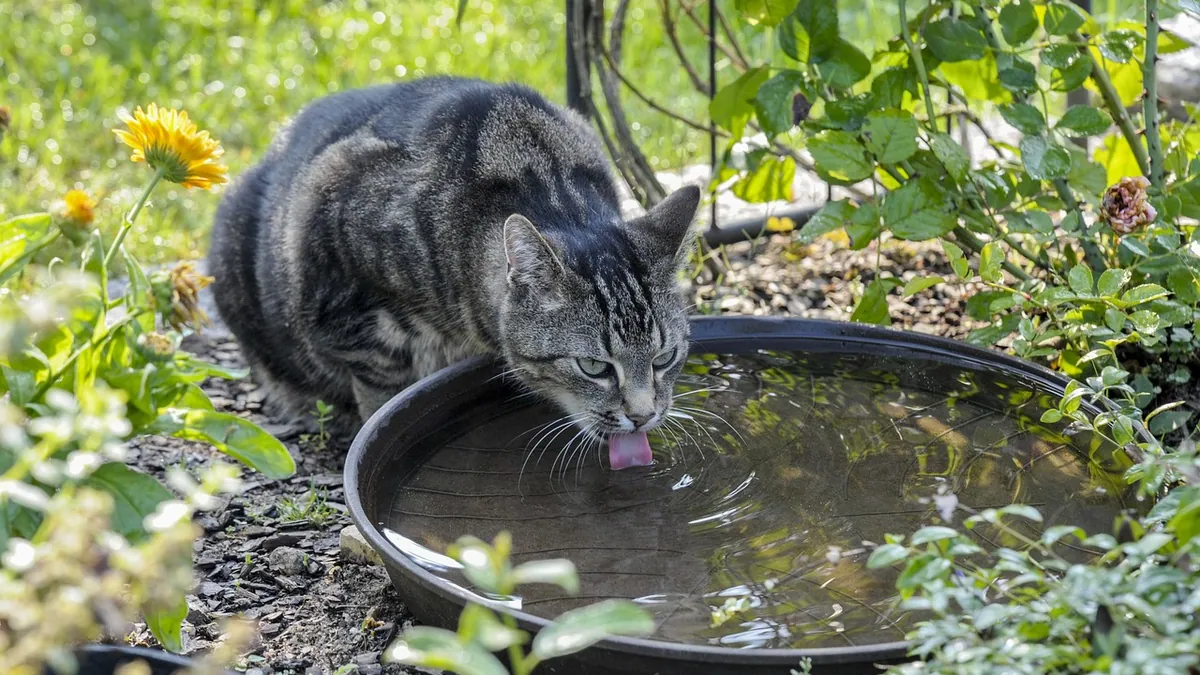
A senior cat drinking a lot of water is a common and important sign. In older cats, a clear increase in thirst usually points to kidney disease, diabetes, or an overactive thyroid. It is one of the most useful early clues you can catch at home, because cats often hide illness until it is advanced.
This article is educational and is not a substitute for veterinary diagnosis or treatment.
Quick Answer
- A typical cat drinks roughly 3.5 to 4.5 ounces of water per 10 pounds of body weight per day, though this varies with diet, room temperature, and activity. Wet food supplies a large share of a cat's water, so cats on canned food often drink less from the bowl.
- A sudden or steady increase in drinking, especially with increased urination, is not normal aging. It is a symptom that deserves a veterinary visit.
- The three most common causes in senior cats are chronic kidney disease, diabetes mellitus, and hyperthyroidism.
- Measure what your cat actually drinks for 2 to 3 days before the visit. A number helps your veterinarian more than a general impression.
- Do not restrict your cat's water. A cat who is losing water through the kidneys or through high blood sugar needs to drink.
What Increased Thirst Looks Like in a Senior Cat
Normal drinking versus too much
Most owners never measure water. They notice the bowl empties faster, or the cat sits by the sink and meows. That is usually the first sign.
Cats eating only dry food tend to drink near the higher end. Cats eating mostly canned food often drink much less because the food itself is about 70 to 80 percent water.
Anything clearly above that range, sustained over several days, is worth investigating. So is a cat who suddenly starts drinking from the faucet, the toilet, or your glass when they never did before.
Why the change matters
Water intake and urine output move together. When a cat drinks more, they almost always urinate more. Watch the litter box too. Bigger clumps, more frequent visits, or a box that needs changing twice as often all support the same story.
Age alone does not explain this. Changes in behavior and health in older cats are often gradual, and owners tend to attribute them to old age, but those changes can be signs of common diseases that should be addressed by your veterinarian [1].
The cat who only drinks water
Some senior cats stop eating well but keep drinking. This pattern, a cat who is only drinking water and picking at food, is concerning. Dental disease is a common reason older cats become reluctant to eat, and it can exist alongside kidney or thyroid disease [2]. A cat who is drinking but not eating can dehydrate quickly and lose weight fast. See Senior Cat Weight Loss: When to Worry and What to Do if that is part of your picture.
Main Causes of a Senior Cat Drinking More Water
| Cause | Typical clues | How urgent |
|---|---|---|
| Chronic kidney disease | Increased drinking and urination, weight loss, dull coat, reduced appetite, vomiting in later stages | See a vet within days. Early diagnosis allows treatment that slows progression [3] |
| Diabetes mellitus | Heavy drinking and urination, big appetite with weight loss, weakness in the back legs, plantigrade stance | See a vet within days. Untreated diabetes can become an emergency |
| Hyperthyroidism | Weight loss despite a good or increased appetite, restlessness, night yowling, poor coat, fast heart rate | See a vet within days to weeks |
| High blood pressure | Often no obvious signs, sometimes sudden blindness, dilated pupils, or bleeding in the eye | Same day if vision changes appear |
| Urinary tract infection or stones | Straining to urinate, small frequent trips, blood in urine, crying in the box | Same day. A male cat who cannot urinate is an emergency |
| Diet change or high potassium intake | Increased water intake and urine output after a food switch | Routine visit if the cat seems otherwise well |
| Medications, especially steroids or diuretics | Increased drinking starting after a new drug | Call the prescribing veterinarian |
| Heat, stress, or a dry-food-only diet | Mild increase, no other signs, resolves with cooler weather or more wet food | Monitor, mention at the next visit |
Kidney disease is the one to know best. It is common in senior cats, and early diagnosis can allow treatment that slows progression and reduces clinical signs [3]. Cats in the early stages often show minimal or no signs, which is exactly why a change in drinking is so valuable as a clue [3].
There is also a warning sign that comes before a diagnosis. Poorly concentrated urine in apparently healthy mature cats is linked to a higher risk of later developing chronic kidney disease, so a low urine specific gravity should raise concern for future kidney disease and change how your veterinarian monitors your cat [4].
Diabetes and hyperthyroidism are the other two big ones. In a screening study of 549 older cats at two veterinary clinics, hyperthyroidism was diagnosed in about 19 percent of the cats tested, and azotemic chronic kidney disease and hypertension were also common findings [5]. These conditions can look mild at home and still be well underway.
Red Flags That Mean Emergency
Go to an emergency clinic now if you see any of these.
- A male cat who is straining in the litter box, crying, or producing little or no urine. A blocked urethra is fatal within a day or two without treatment.
- Sudden blindness, bumping into furniture, or pupils that stay wide in bright light.
- Collapse, severe weakness, wobbling, or a cat who cannot stand.
- Heavy breathing, open-mouth breathing, or a blue tint to the gums.
- Vomiting that will not stop, or a cat who cannot keep water down.
- A cat who is drinking enormous amounts and seems disoriented or very dull.
- Seizures or tremors.
Call your veterinarian the same day for these.
- Your cat has stopped eating for more than 24 hours.
- You see blood in the urine, or your cat cries while urinating.
- Your cat is drinking far more than usual and losing weight.
- Your cat is vomiting several times a day.
- Your cat's breath smells sweet or fruity.
Safe Things You Can Do at Home While You Wait
Measure, do not guess
Pick a measuring cup and a single water bowl. Fill it to a marked line each morning, then measure what is left 24 hours later. Subtract to get the daily total. Do this for 2 to 3 days and write it down. If you have more than one cat, you may need to separate them at feeding time or use a microchip feeder to know who is drinking.
Also count litter box visits for a day, or note how many clumps you scoop. Owners often underestimate urine volume.
Keep water available and appealing
Never limit water. Offer several bowls in different rooms, and keep them clean. Many cats prefer wide, shallow bowls so their whiskers do not touch the sides. Some like a running fountain. If your cat eats dry food, adding a spoonful of warm water or switching part of the diet to canned food increases water intake from food. You can read more ideas in How to Keep Your Senior Cat Hydrated: Tips for Kidney Health.
Make the basics easy
Older cats benefit from easy access to the things they need, including food, water, and the litter box [1]. Put a water bowl on each floor. Use a low-sided box. Add a step or ramp to a favorite window perch.
Keep a simple log
Write down daily water intake, appetite, weight if you can weigh your cat on a baby scale, litter box output, and any vomiting. Bring the log to the visit. Trends over a week tell your veterinarian more than a single day.
Do not do these
Do not withhold water to reduce urination. Do not change to a prescription kidney diet on your own before a diagnosis. Do not give human medications, including pain relievers, without veterinary direction. Do not assume a cat who is drinking a lot is simply thirsty from the heat if the behavior lasts more than a few days.
What Your Veterinarian Will Check and Test
History and physical exam
Your veterinarian will ask about water intake, urination, appetite, weight change, vomiting, and behavior. They will weigh your cat, check hydration, feel the thyroid gland in the neck, listen to the heart, check the gums and eyes, and feel the kidneys and bladder. They will also measure blood pressure, since hypertension is common in older cats and often has no visible signs [5].
Blood work
A basic panel checks kidney values (creatinine and BUN), electrolytes, blood sugar, liver values, and often total thyroxine (T4) for thyroid function. Screening older cats with plasma biochemistry and a T4 measurement is standard practice, and it is how conditions like hyperthyroidism and azotemic kidney disease get caught [5].
Urinalysis
A urine sample gives the urine specific gravity, which shows how well the kidneys are concentrating urine, plus checks for infection, crystals, blood, and protein. Poor urine concentration in a mature cat is a meaningful finding and should raise concern for future kidney disease [4]. Your veterinarian may collect urine by cystocentesis, a small needle sample through the belly wall, which is the cleanest method.
Staging and follow-up
If chronic kidney disease is confirmed, your veterinarian will stage it using a standard system and repeat testing over time to track progression [3]. Management aims to slow progression and protect quality of life, and it usually includes diet changes, water support, and treatment of complications like high blood pressure or protein in the urine [3].
Other tests as needed
Depending on findings, your veterinarian may recommend a urine culture, imaging of the kidneys and bladder, a thyroid scan, or a glucose curve for diabetes. Each case is different, and your veterinarian sets the plan for your cat.
Prevention and Monitoring for Senior Cats
Schedule regular senior checkups
Twice-yearly visits with blood work and a blood pressure check are the standard for older cats. Many of the diseases behind increased thirst are silent early on, and routine screening is how they get found before a crisis [5].
Track water and weight at home
Weigh your cat monthly on a baby scale. A steady drop of even a few ounces matters. Pair that with a rough water measurement every few months so you know your cat's normal.
Feed for the condition you have
Diet matters, but the right diet depends on the diagnosis. Cats with kidney disease, diabetes, and hyperthyroidism need different nutrition plans. Ask your veterinarian before making a major change. One study found that increasing dietary potassium raised water intake and urine production and lowered urine specific gravity in senior cats, which shows how directly diet can shift these measurements [6].
Watch for the quiet signs
A cat who stops grooming, hides more, or sleeps in new places may be sick. Sudden loss of grooming can signal a health problem [1]. Keep an eye on the litter box, the food bowl, and the water bowl together. If you notice a change in any of them, see Cat Drinking More Water: When to See a Vet and When to Wait for guidance on timing.
Limitations and When to Contact a Veterinarian
Home monitoring has limits. You can measure water and count litter box visits, but you cannot check kidney values, blood sugar, or thyroid hormone at home. A normal-looking cat can have significant disease. Early chronic kidney disease often causes minimal or no clinical signs, which delays diagnosis [3].
Call your veterinarian the same day if your cat stops eating, vomits repeatedly, has blood in the urine, or loses weight while drinking more. Go to an emergency clinic immediately if your cat strains to urinate without producing urine, collapses, breathes with an open mouth, or suddenly goes blind. Schedule a routine visit within a week or two if the only change is increased drinking in a cat who otherwise seems well.
Every cat is an individual. Your veterinarian needs to examine your cat and run tests to know what is happening, and treatment decisions should be made with them.
Frequently Asked Questions
How much water should a senior cat drink per day?
A rough guide is about 3.5 to 4.5 ounces per 10 pounds of body weight daily, with cats on dry food drinking more and cats on canned food drinking less. The exact amount varies by cat, diet, and weather. What matters most is a clear change from your cat's own normal.
Is it normal for an older cat to drink more water?
No. Age by itself does not cause increased thirst. Older cats are more likely to develop conditions that do, and behavior changes in senior cats should not be dismissed as normal aging [1]. A real increase in drinking deserves a veterinary visit and lab work.
Can a cat drink too much water?
Yes, in rare cases. Drinking extreme amounts can be a sign of a serious problem, and some cats will overdrink to the point of vomiting. Do not restrict water on your own, because most cats who drink heavily need that fluid. Let your veterinarian sort out the cause first.
Will my cat drink more water on a dry food diet?
Often, yes. Dry food contains little water, so cats eating it take in more from the bowl. This is normal and not a sign of illness by itself. If your cat is on dry food and suddenly drinks much more than before, that change still needs attention.
Does drinking more water mean my cat has kidney disease?
Not always, but kidney disease is one of the most common reasons in senior cats. Diabetes and hyperthyroidism cause the same sign, and so can urinary infections and some medications. Blood work and a urinalysis are the only way to tell which one your cat has.
Related Articles
- Senior Cat Weight Loss: When to Worry and What to Do
- Cat Drinking a Lot of Water: Is It a Sign of Illness?
- How to Keep Your Senior Cat Hydrated: Tips for Kidney Health
- Cat Drinking More Water: When to See a Vet and When to Wait
- Why Is My Cat Drinking So Much Water?
- Cat Urinating Frequently: Causes and When to Worry
- Senior Cat Eating More: Causes of Increased Appetite
- Brown Cat Pee: What It Means and When to Worry
- Senior Cat Peeing in Sleep or Pooping on the Bed: What It Means
References
- Loving Care for Older Cats. Cornell University College of Veterinary Medicine.
- The Special Needs of the Senior Cat. Cornell University College of Veterinary Medicine.
- 2026 iCatCare consensus guidelines on the diagnosis and management of chronic kidney disease in cats. Journal of feline medicine and surgery, 2026.
- Poorly concentrated urine is associated with an increased risk of developing chronic kidney disease in apparently healthy cats. Journal of the American Veterinary Medical Association, 2026.
- Prevalence of disease in 549 older cats undergoing health screening at two United Kingdom-based veterinary clinics. Journal of veterinary internal medicine, 2026.
- Increasing Dietary Potassium Enhances Urine Production and Reduces Risk of Calcium Oxalate Stone Formation in Senior Cats. Animals : an open access journal from MDPI, 2026.