Queen Cat Diarrhea: Causes and When to Worry
By Dr. Zubair Khalid, DVM, MS, PhD ·
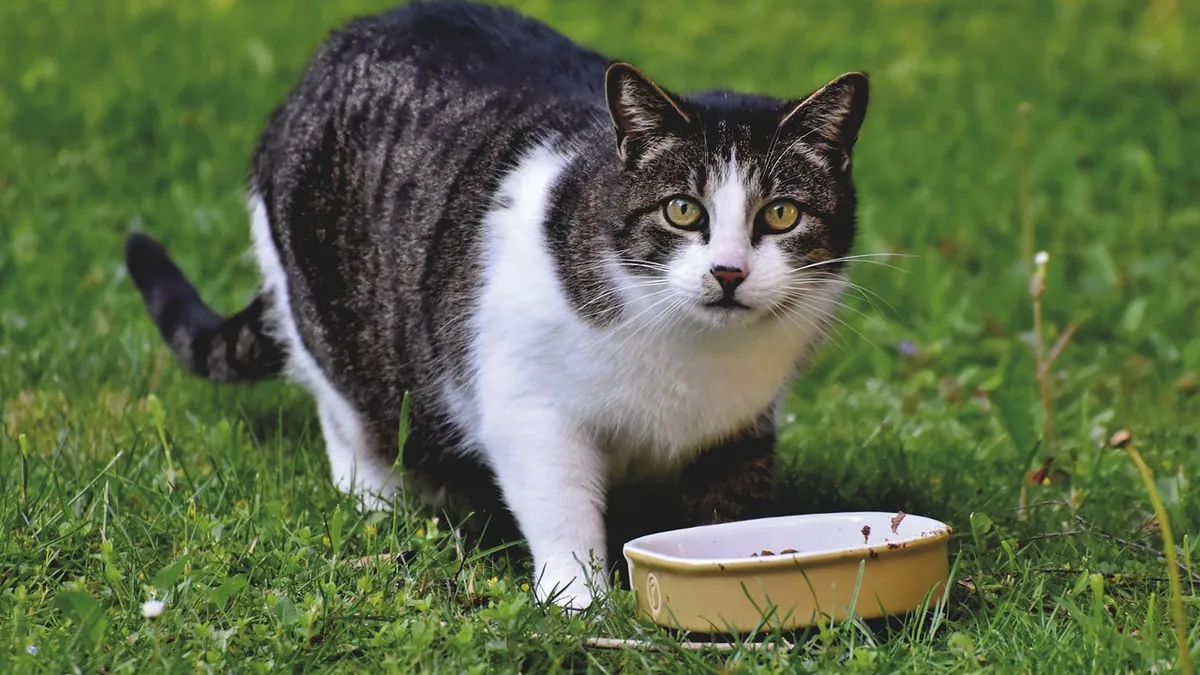
Diarrhea in a queen cat (a pregnant or nursing mother cat) is usually short lived and tied to stress, diet changes, or parasites, but it can also point to serious illness that threatens both her and her kittens. Because a queen is eating for herself and her litter, any digestive upset deserves closer attention than it would in an average adult cat. This article is educational and is not a substitute for veterinary diagnosis or treatment.
Quick Answer
- Mild, brief diarrhea in a pregnant or nursing cat is often caused by stress, a diet change, or intestinal parasites, and many cases settle within a few days [1].
- Diarrhea that lasts more than 24 to 48 hours, or that comes with vomiting, lethargy, fever, or refusal to eat, needs a veterinarian promptly.
- A queen who stops eating is a medical concern on its own, because she and her kittens depend on her intake.
- Never give human anti-diarrheal drugs or leftover antibiotics to a pregnant or nursing cat. Many are unsafe for the kittens.
- Keep the litter box, bedding, and food area clean, and wash your hands after handling stool, since some causes can spread to other cats and to people.
What Queen Cat Diarrhea Looks Like and What Is Normal
Normal cat stool is firm, formed, and brown, and a healthy cat passes it once or twice a day without straining. Diarrhea means more frequent, watery, or unusually soft stool, sometimes gray or yellow and unusually foul smelling [1]. A queen may also have accidents outside the box, urgency, or small amounts of mucus or blood.
Pregnancy and nursing add physical stress. A queen's calorie and water needs rise, her abdomen is crowded, and her routine may change when kittens arrive. Any of these can loosen her stool for a short time. The key question is not whether the stool is soft, but how long it lasts and whether the queen is otherwise acting well.
If the diarrhea is mild and she is eating, drinking, nursing, and behaving normally, watchful waiting for a day is reasonable. If she is dull, hiding, or skipping meals, treat it as a problem.
Main Causes of Diarrhea in Pregnant and Nursing Queens
Causes range from harmless to life threatening. The table below groups the most common ones by how they usually look and how quickly you should act.
| Cause | Typical clues | How urgent |
|---|---|---|
| Stress or routine change (new home, new food, kittens arriving) | Soft stool only, queen bright and eating, no vomiting | Monitor 24 to 48 hours |
| Sudden diet change | Diarrhea started within a day or two of a new food | Monitor, then call if it persists |
| Intestinal parasites (roundworms, Giardia, Tritrichomonas) | Chronic or recurring soft stool, possible mucus, poor coat | Routine vet visit, stool test needed |
| Infectious colitis (bacterial, protozoal, or other agents) | Large bowel diarrhea, straining, blood or mucus, sometimes systemic illness | Prompt vet visit |
| Viral enteritis such as feline panleukopenia | Severe diarrhea, vomiting, lethargy, fever, especially in unvaccinated cats | Emergency |
| Feline coronavirus and other enteropathogens | Chronic diarrhea, often with other agents found on testing | Vet visit for testing |
| Gut bacterial imbalance (dysbiosis) | Ongoing loose stool, inflammation in the gut | Vet visit, diet and supportive care |
| Chronic diarrhea from underlying disease | Diarrhea lasting weeks, weight loss, poor appetite | Scheduled vet workup |
Infectious colitis can cause large intestinal diarrhea and, in severe cases, systemic illness, and parasites such as Trichuris and Tritrichomonas are common enough that they should be routinely screened for [2]. In one review of 493 cats with chronic diarrhea, feline coronavirus was found in 65.1 percent of them, and samples from cats under one year old were significantly more likely to test positive than samples from older cats [3]. That does not mean coronavirus causes every case, only that it is common in cats with long standing diarrhea.
Gut bacteria also matter. Research shows that fecal microbes from diarrheic cats can impair the intestinal barrier and trigger colon inflammation when transferred to mice, which supports the idea that bacterial imbalance plays a role in feline diarrhea [4]. Feline panleukopenia virus causes severe enteric and systemic disease, and it is especially important in shelters where susceptible kittens and contaminated environments raise infection pressure [5].
For a broader look at diarrhea in cats generally, see Cat Diarrhea: Causes, Home Care, and When to Worry. If your queen is also vomiting, Cat Vomiting and Diarrhea: When to Worry covers that combination. Mucus in the stool is discussed in Cat Diarrhea with Mucus: Causes and When to Worry.
Pregnant Cat Diarrhea
A pregnant queen faces the same causes as any cat, plus the added strain of carrying kittens. Mild, brief diarrhea from stress or a food change is common and often self resolving [1]. Watch her appetite and energy closely. If she is eating well and acting normal, a short episode may not need treatment. If she refuses food, seems painful, or has a fever, call your veterinarian the same day.
Nursing Cat Diarrhea and Postpartum Diarrhea
After birth, a queen's body is recovering, her hormone levels are shifting, and she is producing milk. Diarrhea after birth can come from stress, a diet change, parasites, or an infection. The biggest risk is dehydration and poor milk production, which affects the kittens. If the queen is nursing and has diarrhea, check that the kittens are gaining weight and staying warm. If the kittens seem weak or cry constantly, both mother and litter need veterinary attention.
Queen Cat Not Eating
A queen who will not eat is a serious sign, especially if she is nursing. She needs far more calories than usual to make milk, and a cat that stops eating can develop liver problems within days. If your queen has diarrhea and is not eating, contact your veterinarian right away. Do not wait to see if she improves on her own.
Red Flags That Make It an Emergency
Some signs mean you should stop watching and go to a veterinarian now.
- Blood in the stool, black tarry stool, or large amounts of mucus
- Repeated vomiting along with diarrhea
- Lethargy, weakness, collapse, or a queen who will not get up to care for her kittens
- Fever, or a queen who feels unusually warm or cold
- Refusal to eat or drink for more than 12 to 24 hours
- Signs of dehydration (tacky gums, skin that stays tented when gently pinched, sunken eyes)
- Diarrhea in a queen who is unvaccinated or whose vaccination history is unknown
- Kittens that are weak, cold, not nursing, or losing weight
- Diarrhea that lasts more than 48 hours or keeps returning
Panleukopenia is a particular concern because it can cause severe enteric and systemic disease, and it spreads easily in environments with susceptible kittens [5]. If your queen or her kittens show severe vomiting, diarrhea, and lethargy, treat it as an emergency.
Safe Things You Can Do at Home While You Wait
Home care is about support, not treatment. These steps are safe for most queens while you arrange a veterinary visit.
- Offer fresh water at all times. Dehydration is the main short term risk.
- Keep her on her current diet. Do not switch foods during a bout of diarrhea unless your veterinarian tells you to.
- Feed small, frequent meals if she is willing to eat.
- Keep her litter box, bedding, and food bowls clean, and wash your hands after handling stool.
- Separate her from other cats if possible, since some causes are contagious.
- Note the time the diarrhea started, how often it happens, and what the stool looks like. Photos help your veterinarian.
Do not give human anti-diarrheal medications, human antibiotics, or leftover pet medications. Doses for pregnant and nursing cats are set by your veterinarian based on her weight and health, and many drugs are unsafe for kittens. If you think your cat ate something toxic, call the ASPCA Animal Poison Control Center at (888) 426-4435 or the Pet Poison Helpline at (855) 764-7661.
What Your Veterinarian Will Check and Test
Your veterinarian will start with a full history and physical exam, including the queen's hydration, temperature, weight, and abdominal feel. They will ask about diet, stress, vaccination status, and the kittens' health.
Testing often includes a fecal exam to look for parasites and other infectious agents, since routine screening for organisms like Trichuris and Tritrichomonas is recommended in cats with diarrhea [2]. Blood work can check for dehydration, organ function, and infection. Depending on the findings, your veterinarian may recommend viral testing, bacterial culture, or imaging.
Treatment depends on the cause. Many cases need only supportive care such as fluids, a bland or prescription diet, and time. Bacterial colitis is usually managed with supportive care and by addressing the underlying cause instead of routine antibiotics [2]. Chronic diarrhea often needs nutritional management as part of long term treatment [6]. If a specific infection is found, your veterinarian will choose a treatment that is safe for a pregnant or nursing queen.
Prevention and Monitoring
You cannot prevent every case, but you can lower the risk.
- Keep vaccinations current, especially before breeding, since panleukopenia is a major threat to queens and kittens [5].
- Deworm and screen for parasites on a schedule your veterinarian sets.
- Make diet changes slowly, over several days, and avoid sudden switches.
- Keep stress low around birth. Give the queen a quiet, private nesting area.
- Clean litter boxes daily and wash bedding often.
- Weigh the kittens regularly. Steady weight gain is the best sign that the queen is producing enough milk.
- Watch the queen's appetite, water intake, and stool for the first few weeks after birth.
If diarrhea returns or never fully resolves, ask your veterinarian about a chronic diarrhea workup. Long standing diarrhea in cats has many possible causes, and accurate diagnosis guides effective treatment [6].
Limitations and When to Contact a Veterinarian
This article cannot tell you what is causing your cat's diarrhea. Only a veterinarian who examines your queen and her kittens can do that, and individual cases always need a veterinarian's judgment.
Contact your veterinarian the same day if your queen has diarrhea plus vomiting, is not eating, seems painful, has blood or black stool, or is showing any sign of dehydration. Go to an emergency clinic now if she is weak, collapsed, having trouble breathing, or if her kittens are cold, weak, or not nursing. Schedule a routine visit if the diarrhea is mild but lasts more than 48 hours, keeps coming back, or if you notice weight loss or a poor coat. For help deciding, see Cat Diarrhea: When Should You Call the Vet?.
Frequently Asked Questions
Is diarrhea normal in a pregnant cat?
Mild, brief diarrhea can happen in pregnancy because of stress or diet changes, and it often settles on its own [1]. It is not something to ignore, though. If it lasts more than a day or two, or your queen stops eating, call your veterinarian.
Can diarrhea in a nursing cat affect her kittens?
Yes, indirectly. A queen with diarrhea may become dehydrated and produce less milk, which can leave kittens hungry and weak. If the kittens are not gaining weight or seem distressed, have both the mother and the litter checked.
Should I change my queen's food when she has diarrhea?
Do not make sudden food changes during a bout of diarrhea unless your veterinarian advises it. An abrupt diet change can itself cause loose stool [1]. Keep her on her current food and let your veterinarian guide any switch.
Can I give my cat human diarrhea medicine?
No. Human anti-diarrheal drugs and antibiotics can be harmful to a pregnant or nursing cat and to her kittens. Your veterinarian will choose any medication and calculate the dose based on her weight and health.
How long should I wait before calling the vet?
Call the same day if your queen is not eating, is vomiting, or seems dull. For mild diarrhea with a bright, eating cat, you can monitor for 24 to 48 hours, then call if it has not improved.
Related Articles
- Cat Diarrhea: Causes, Home Care, and When to Worry
- Cat Vomiting and Diarrhea: When to Worry
- Cat Diarrhea with Mucus: Causes and When to Worry
- Kitten Diarrhea: Causes, Safe Home Care, and Emergency Signs
- Cat Diarrhea: When Should You Call the Vet?
- Cat Constipation: When to Worry and How to Help
- Diarrhea in a Pregnant Cat: Causes and When to Worry
- Cat Diarrhea, Lethargy and Not Eating: When to Worry
- Cat Poop Runny: Causes of Diarrhea and What to Do
- Toxoplasmosis in Cats: Neurological Symptoms, Cytology, Pregnancy Risks, and Veterinary Care
- Toxoplasmosis in Cats: Risks During Pregnancy and Prevention
References
- Diarrhea. Cornell University College of Veterinary Medicine.
- Infectious Colitis in Dogs and Cats: Diagnosis, Management, and Clinical Outcomes. The Veterinary clinics of North America. Small animal practice, 2026.
- Feline Coronavirus Prevalence in 493 Cats With Chronic Diarrhea. Journal of veterinary internal medicine, 2025.
- Gram-Negative Bacterial Overgrowth Predominated by: Potential Association with Intestinal Barrier Impairment and Inflammatory Diarrhea in Cats. Veterinary sciences, 2026.
- Gut Microbiome Disruption in Shelter Cats with Feline Panleukopenia: Virome Co-Detection and Enteric Dysbiosis. Biology, 2026.
- Feline chronic diarrhea: causes and nutritional management. Veterinary and animal science, 2026.