Albon for Cat Diarrhea: When It Helps and When It Doesn't
By Dr. Zubair Khalid, DVM, MS, PhD ·
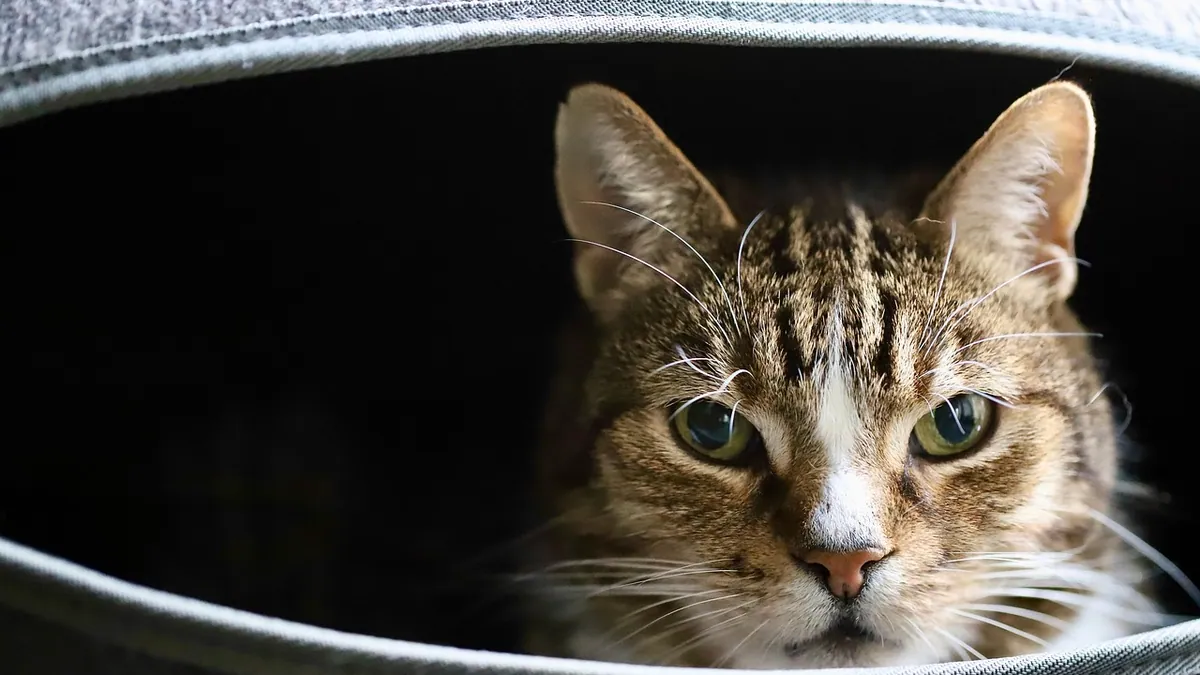
Albon for cats diarrhea is a reasonable question to ask, but the honest answer is that this drug only helps in one specific situation. Albon treats coccidia, a tiny intestinal parasite, and it does nothing for the many other reasons a cat can have loose stools. If your cat has diarrhea, the first step is figuring out the cause, not reaching for an antibiotic.
This article is educational and is not a substitute for veterinary diagnosis or treatment.
Quick Answer
- Albon (sulfadimethoxine) is a prescription antibiotic that veterinarians use mainly to treat coccidiosis, an infection caused by Cystoisospora parasites.
- Diarrhea in cats has many causes, including sudden diet changes, stress, parasites, and deeper intestinal disease, and most of these do not respond to Albon [1].
- Coccidia is common in young cats with diarrhea. In one study, about 34 percent of cats with diarrhea tested positive for coccidia [2].
- Never give your cat leftover Albon from a previous prescription or from another pet. The dose depends on your cat's weight and health, and your veterinarian sets it.
- Bloody diarrhea, repeated vomiting, lethargy, or a cat that stops eating needs same-day veterinary care.
What Is Albon and What Do Veterinarians Use It For?
Albon is the brand name for sulfadimethoxine, an antibiotic in the sulfonamide family. It works against certain single-celled parasites and some bacteria. In cats, its main job is treating coccidiosis, an intestinal infection caused by Cystoisospora species.
Coccidia are host-specific parasites, which means the species that infect cats are not the same ones that infect dogs. In a study of young dogs and cats with diarrhea, about 34 percent of the cats tested positive for coccidia, mostly Cystoisospora felis and Cystoisospora rivolta [2]. That study also found that some infected cats had watery or bloody diarrhea, while others had softer stools [2].
So when does Albon make sense? When a veterinarian has confirmed or strongly suspects coccidia as the cause of your cat's diarrhea. That usually means a fecal test, and often a specific test for coccidia, because a standard fecal float does not always catch it.
What Albon does not treat is just as important. It will not fix diarrhea from a sudden food change, stress, inflammatory bowel disease, or most viral infections. It also is not the right drug for Giardia, another common parasite. One study of cats in Brazil found Giardia in nearly 75 percent of the cats tested, and every one of those cats had no diarrhea at all [3]. That finding is a good reminder that finding a parasite in stool does not always mean it is the cause of the problem.
How Albon Works
Sulfadimethoxine stops susceptible organisms from making folate, a B vitamin they need to multiply. Mammalian cells can absorb folate from food, so they are less affected than the parasite. This is why the drug can target the parasite while your cat mostly tolerates it.
The catch is that Albon only works on organisms that depend on making their own folate. Coccidia do. Many bacteria and other parasites do not, which is why Albon is not a broad diarrhea cure.
Because it is an antibiotic, using it when it is not needed has downsides. It can upset your cat's normal gut bacteria, cause side effects, and contribute to antibiotic resistance. A study of cats seen as outpatients at a veterinary teaching hospital looked at which factors led to antibiotic prescriptions, and the authors noted that understanding these patterns matters for responsible antibiotic use [4]. In plain terms, veterinarians are trying to prescribe antibiotics only when there is a real reason.
Dosing Basics: Who Decides and How It Is Given
Your veterinarian calculates the Albon dose from your cat's body weight and overall health. There is no safe number you can work out at home, and you should not copy a dose from an old bottle or from a friend's pet.
Albon comes as a liquid suspension and as tablets. Many cats get the liquid form because it is easier to measure and give. Your veterinarian will tell you how often to give it and for how many days. Coccidia treatment usually runs for a set course, and stopping early can let the infection come back.
A few practical tips:
- Give the medicine at the same times each day if you can. A steady schedule keeps the drug level in your cat's body stable.
- You can offer a small treat or a bit of food after the dose if your veterinarian says it is fine. Some cats salivate or act queasy with sulfa drugs.
- If you miss a dose, give it when you remember, unless it is almost time for the next one. In that case, skip the missed dose and go back to your normal schedule. Do not double up.
- If your cat vomits right after a dose, call your veterinarian before giving another one. You do not know how much was absorbed.
- Finish the full course even if the diarrhea stops in a day or two.
If your cat is hard to pill or fights the syringe, ask your veterinarian about a different form or a compounding option. Do not crush or mix the medicine into a whole bowl of food unless your veterinarian says to, because your cat may not eat all of it and get the full dose.
Side Effects: What to Watch For
Most cats tolerate Albon well, but side effects happen. Some are minor and some need a phone call or a visit.
| Side effect | How common or serious | What to do |
|---|---|---|
| Vomiting, drooling, or lip smacking after a dose | Fairly common and usually mild | Give with a small amount of food if approved, and tell your vet if it keeps happening |
| Loss of appetite | Common and worth watching | Call your vet if your cat skips more than one meal |
| Loose stools that do not improve or get worse | Possible, and it can be hard to tell from the original problem | Call your vet to report it |
| Dry eyes, squinting, or eye redness | Uncommon but serious with sulfa drugs | Stop the medicine and call your vet right away |
| Fever, swollen lymph nodes, or a rash | Uncommon but serious | Stop the medicine and seek veterinary care |
| Blood in urine, straining to urinate, or pale gums | Rare but serious | Treat as an emergency |
| Yellow gums or skin, or a cat that seems weak and dull | Rare but serious | Treat as an emergency |
Sulfa drugs can cause crystals in the urine, which is one reason your cat needs to drink well during treatment. Fresh water available at all times helps. If your cat has a history of urinary problems, tell your veterinarian before starting Albon.
Some cats develop a dry eye reaction or a blood problem while on a sulfa antibiotic. These are uncommon, but they are the reason you should not shrug off eye changes or a cat that suddenly seems unwell. Stop the drug and call your veterinarian.
Who Should Not Take Albon and What It Interacts With
Albon is not right for every cat. Your veterinarian will weigh the risks if your cat:
- Has liver or kidney disease
- Has a history of urinary crystals or bladder stones
- Has had a reaction to a sulfa drug before
- Is pregnant, nursing, or very young
- Is already taking another sulfa drug or certain other medicines
Drug interactions matter. Sulfa drugs can interact with some other antibiotics, with drugs that affect blood clotting, and with certain seizure medicines. Tell your veterinarian about every medicine, supplement, and topical product your cat gets, including flea and tick products.
Never combine Albon with another antibiotic or with an over-the-counter diarrhea product unless your veterinarian tells you to. Some human diarrhea medicines are dangerous for cats, and mixing treatments can hide symptoms or cause harm. If you are wondering what you can safely give at home, see Cat Diarrhea Medicine: What's Safe to Give?.
Overdose and When to Call for Help
An overdose of Albon can cause vomiting, loss of appetite, wobbliness, and in serious cases, blood or kidney problems. If your cat got too much, do not wait for symptoms.
Call your veterinarian or an animal poison control service right away. Have the bottle with you so you can read the strength and the amount your cat may have swallowed. If you cannot reach your regular clinic, call an emergency veterinary hospital.
If your cat chewed through a bottle or you are not sure how much was eaten, treat it as an overdose. It is always better to call and be told to watch at home than to wait and miss a problem.
When Albon Is Not the Answer
Diarrhea is a symptom, not a diagnosis. Many feline health conditions can show up as diarrhea, and in most cases the problem is short-lived and either resolves on its own or responds to a diet change [1]. A sudden food switch or a stressful event like a long car trip or a clinic stay can cause a brief bout of loose stools [1]. Kittens can be at higher risk as their digestive systems adjust to solid food [1].
Other causes need a different plan. Chronic diarrhea, meaning it lasts for weeks, often has a complex cause and may need nutritional management along with a diagnosis [5]. If your cat has had loose stools for more than a few days, or if it keeps coming back, your veterinarian will want to look deeper. For a broad look at causes and home care, see Cat Diarrhea: Causes, Home Care, and When to Worry.
If your cat has diarrhea but is eating, playing, and acting normal, you may have a little time to watch and adjust. That situation is covered in Cat Diarrhea but Acting Normal: When to Monitor and When to Call.
Limitations and When to Contact a Veterinarian
Albon is a narrow tool. It treats coccidia and little else, so it will not help most cats with diarrhea. Even when coccidia is the cause, the drug only works if you give the full course correctly and if your cat does not have another problem at the same time.
Call your veterinarian the same day if your cat:
- Has diarrhea that lasts more than 24 to 48 hours
- Is a kitten, senior, or has another health condition
- Vomits more than once or cannot keep water down
- Seems tired, hides, or stops eating
- Has diarrhea that smells very foul or looks gray or yellow [1]
Go to an emergency clinic now if your cat:
- Has blood in the stool or black, tarry stool
- Is straining with little or nothing coming out
- Has pale gums, cold paws, or seems weak or wobbly
- Is vomiting repeatedly and cannot hold down water
- Has a swollen, painful belly
Dehydration is the biggest short-term risk with any kind of diarrhea, especially in kittens. A cat that is drinking and urinating normally is in better shape than one that is not. If you are unsure, call. Your veterinarian can tell you whether to come in, and individual cases always need a veterinarian's eyes.
Frequently Asked Questions
Can I give my cat Albon without a prescription?
No. Albon is a prescription antibiotic, and giving it without a diagnosis can delay the right treatment and cause side effects. Your veterinarian needs to confirm coccidia or another reason before choosing this drug. If you already have leftover Albon, do not use it.
How fast does Albon work for coccidia in cats?
Many cats start to improve within a few days of starting treatment, but the full course must be finished to clear the infection. If your cat is not better after a few days, call your veterinarian. The diarrhea may have a second cause that Albon cannot treat.
Can Albon cause diarrhea in cats?
Yes, it can. Antibiotics can upset the normal gut bacteria and cause loose stools, and it can be hard to tell that apart from the original problem. If the diarrhea gets worse or your cat also vomits or stops eating, call your veterinarian.
Is Albon the same as metronidazole or other cat diarrhea medicines?
No. Albon is sulfadimethoxine, and it targets coccidia. Other diarrhea medicines work on different organisms or on inflammation. Your veterinarian picks the drug based on the cause, so the right choice for one cat may be wrong for another.
What if my cat has diarrhea and I cannot get to a vet today?
Keep fresh water available, offer small bland meals if your cat is eating, and avoid new foods or treats. Do not give human diarrhea medicine. If your cat is a kitten, is vomiting, has blood in the stool, or seems weak, go to an emergency clinic instead of waiting.
Related Articles
- Cat Diarrhea: Causes, Home Care, and When to Worry
- Cat Diarrhea but Acting Normal: When to Monitor and When to Call
- Cat Diarrhea Treatment
- Cat Diarrhea Medicine: What's Safe to Give?
- Cat Constipation: When to Worry and How to Help
- What to Do If Your Cat's Medication Is Causing Diarrhea
- Cat Diarrhea, Lethargy and Not Eating: When to Worry
- Cat Diarrhea and Loss of Appetite: Causes and Care Steps
- Cat Loose Stools: What to Give and When to Worry
- Intestinal Parasites in Dogs and Cats: Identification, Symptoms, and Treatment Options
References
- Diarrhea. Cornell University College of Veterinary Medicine.
- Occurrence of Cystoisospora spp. and other intestinal parasites in dogs and cats with diarrhea. Veterinary parasitology, 2025.
- High prevalence of Giardia spp. in cats without diarrhea and agreement between diagnostic techniques in the municipality of Londrina, Paraná, Brazil. Veterinary research communications, 2026.
- EXPRESS: Factors associated with antimicrobial drug prescription in cats receiving outpatient care at a veterinary teaching hospital. Journal of feline medicine and surgery, 2026.
- Feline chronic diarrhea: causes and nutritional management. Veterinary and animal science, 2026.