Diarrhea in a Pregnant Cat: Causes and When to Worry
By Dr. Zubair Khalid, DVM, MS, PhD ·
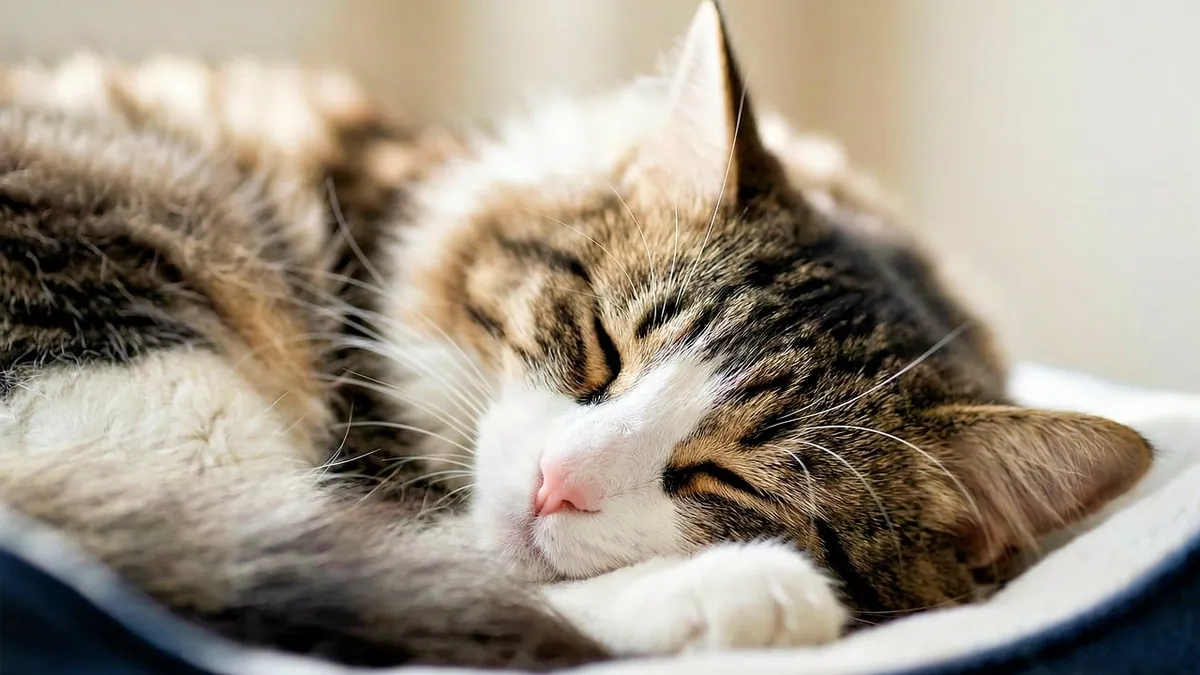
Diarrhea in a pregnant cat is common and often mild, but it can also signal something that threatens the mother or her kittens. The main question is whether the loose stool is a brief upset from diet or stress, or a sign of infection, parasites, or a problem with the pregnancy itself. This article is educational and is not a substitute for veterinary diagnosis or treatment.
Quick Answer
- A short bout of soft stool in an otherwise bright, eating, drinking pregnant cat is often caused by diet change or stress and may settle in a few days [1].
- Never give human anti-diarrheal medicines to a pregnant cat. Some can harm the kittens, and the safe choice and dose must come from your veterinarian.
- Call your veterinarian the same day if diarrhea lasts more than 24 to 48 hours, if your cat stops eating, or if you see blood, black stool, or repeated vomiting.
- Go to an emergency clinic now for a pregnant cat with a fever, straining, vaginal discharge, a painful belly, or labor that is not progressing.
- Keep your cat hydrated and eating. Offer small, frequent meals of her usual food and fresh water while you arrange veterinary care.
What Diarrhea Looks Like and What Is Normal in a Pregnant Cat
Diarrhea means stools that are more frequent and more watery than usual. The color can be odd, sometimes gray or yellow, and the smell can be unusually foul [1]. You may find accidents outside the litter box, or your cat may strain and produce only a small amount of soft stool.
Normal cat stool is firm, formed, and easy to scoop. A pregnant cat's stool should look the same as it did before pregnancy. Pregnancy itself does lower a cat's rectal temperature slightly, but that is a normal change and not a sign of illness [2].
A single soft stool is not a crisis. Watch your cat's energy, appetite, and water intake. Those three things tell you more about how sick she is than the stool alone.
Causes of Diarrhea in a Pregnant Cat
Most cases fall into a few groups. Some are minor and self-limiting. Others need treatment to protect the queen and her kittens.
| Cause | Typical clues | How urgent |
|---|---|---|
| Diet change or new food | Soft stool started within days of a food switch, cat still bright and eating | Low. Often settles in a few days [1] |
| Stress (travel, new home, vet visit) | Loose stool after a car trip, boarding, or a move, no other signs | Low. Usually brief [1] |
| Intestinal parasites | Soft or mucusy stool, possible weight loss, sometimes visible worms | Moderate. Needs a fecal test and deworming chosen for pregnancy |
| Bacterial or viral infection | Sudden watery diarrhea, vomiting, lethargy, poor appetite | High. Can dehydrate a pregnant cat quickly |
| Colitis (colon inflammation) | Mucus, straining, small frequent stools, sometimes blood | Moderate to high. Needs veterinary workup [3] |
| Chronic intestinal disease | Diarrhea lasting weeks, weight loss, dull coat | Moderate. Needs testing and nutritional management [4] |
| Pregnancy problem (fetal death, infection of the uterus) | Vaginal discharge, pain, lethargy, no mammary development near term | Emergency [5] |
Diet and stress are the two most common and least serious triggers. An abrupt food change or a stressful event such as a long car ride or a weekend at a clinic can produce a brief episode of loose bowels [1]. Kittens are at higher risk as their digestive systems adjust to solid food, but adult pregnant cats can react the same way to change.
Parasites and infections matter more during pregnancy. A queen with worms or a gut infection is losing fluid and nutrients she needs for her kittens. The large intestine helps maintain fluid and electrolyte balance, so when it is damaged by illness or parasites, diarrhea is often the result [3].
Colitis, or inflammation of the colon, can be short-term or long-term. In most cats the cause is unknown, though bacterial, parasitic, traumatic, kidney-related, and allergic causes are suspected [3]. Chronic diarrhea in cats has many underlying conditions, and accurate diagnosis of the mechanism is needed for effective treatment [4]. If your cat has had loose stool for weeks, this is not a wait-and-see situation.
A rare but serious cause is a problem with the pregnancy itself. In one reported case, a pregnant cat near term showed lethargy, increased thirst, loss of appetite, and bloody vaginal discharge, and imaging confirmed a dead fetus in the uterus [5]. Signs like these are emergencies.
There is also a medication warning. A cat whose owner gave an estrus-suppressing progestin before the pregnancy was recognized delivered a litter with multiple severe congenital malformations [6]. Do not give any hormone or estrus-suppressing product to a cat who may be pregnant.
Red Flags: When Diarrhea in a Pregnant Cat Is an Emergency
Some signs mean you should stop reading and call an emergency clinic.
- Vaginal discharge, especially bloody or foul-smelling [5]
- A painful or firm belly when you touch it gently [5]
- Lethargy so deep that your cat does not respond normally [5]
- Fever, or a temperature that seems high to the touch
- Repeated vomiting along with the diarrhea
- Blood in the stool, or stool that is black and tarry
- Straining to defecate with nothing coming out
- Labor that starts and stops, or contractions for more than an hour with no kitten
- Not eating for more than 24 hours
- Signs of dehydration: tacky gums, skin that tents when gently pinched, sunken eyes
Any of these can point to a problem that threatens the queen, the kittens, or both. Diarrhea can also be a sign of a deeper, possibly life-threatening condition, not just a stomach upset [1].
Safe Things You Can Do at Home While You Wait
Home care for a pregnant cat is about comfort and hydration, not medication.
Do not give human anti-diarrheal drugs. There is no over-the-counter anti-diarrheal that is established as safe for pregnant cats. Some ingredients can affect the uterus or the developing kittens. If your veterinarian decides medication is needed, they will calculate the dose from your cat's weight and health.
Keep fresh water available at all times. A cat with diarrhea loses fluid. Offer water in several clean bowls around the house.
Offer small, frequent meals of her usual food. Sudden diet changes can cause diarrhea in the first place, so now is not the time for a new brand [1]. If she is off her food, try warming it slightly.
Reduce stress. Keep her in a quiet room away from loud noise, other pets, and visitors. Stress is a known trigger for brief loose stools [1].
Keep the litter box clean. Scoop at least twice a day so you can track how often she goes and what the stool looks like. Note the color, consistency, and any blood or mucus.
Wash your hands after handling stool. Some causes of diarrhea in cats can pass to people, and pregnancy is a time to be careful with hygiene for your own sake too.
Weigh the pros of a vet visit early. A phone call costs little and can save a lot. Describe the stool, how long it has lasted, and your cat's appetite and energy.
If your cat also vomits, the picture changes. See Cat Vomiting and Diarrhea: When to Worry for how to judge that combination.
What Your Veterinarian Will Check and Test
Your veterinarian will start with questions about your cat's history and a physical examination [3]. They will ask when the diarrhea started, what she eats, whether the food changed, whether she has been stressed, and whether she is vaccinated and dewormed.
The physical exam checks hydration, gum color, belly tenderness, and the size and feel of the uterus. Your vet may also check the kittens' heartbeats with ultrasound.
Testing often includes blood, urine, and fecal samples [3]. A fecal test looks for parasites and certain infections. Blood work shows dehydration, infection, and organ function. Abdominal x-rays or ultrasound can check the pregnancy and look for problems in the intestines [3]. In some cases, endoscopy or biopsies are needed, though these are used less often in a pregnant cat [3].
If the cause turns out to be chronic, nutritional management becomes part of the long-term plan [4]. Your veterinarian will pick a diet that fits pregnancy and the intestinal problem.
One more thing your vet may look at is the mouth. There is a reported link between periodontal disease and gastrointestinal signs in cats, and one cat's long-standing small-bowel diarrhea resolved after dental treatment [7]. A dental check is a reasonable part of a full workup.
Preventing and Monitoring Diarrhea in a Pregnant Cat
Good prevention starts before breeding and continues through pregnancy.
- Keep her on one high-quality diet. If you must switch foods, do it slowly over a week or more.
- Keep her parasite prevention current, using only products your veterinarian approves for pregnancy.
- Limit stress. Keep routines steady, and avoid unnecessary travel.
- Bring her in for a pregnancy check so your vet can confirm the due date and the number of kittens.
- Watch her weight and body condition. A pregnant cat should gain steadily, not lose.
- Track her appetite, water intake, and stool daily in a notebook or phone note.
- Know the signs of labor and the normal timeline so you can spot a problem early.
If your cat has had diarrhea before, tell your veterinarian. A cat with a history of chronic colitis may need a plan in place before she gets pregnant [3]. If you are managing a queen with kittens, see Kitten Diarrhea: Causes, Safe Home Care, and Emergency Signs for what to watch in the babies after birth.
For a general overview of loose stool in cats, including home care basics, see Cat Diarrhea: Causes, Home Care, and When to Worry. If you notice mucus in the stool, Cat Diarrhea with Mucus: Causes and When to Worry explains what that can mean.
Limitations and When to Contact a Veterinarian
This article cannot tell you what is causing your cat's diarrhea. Only a veterinarian who examines your cat can do that. Individual cases need a veterinarian, and pregnancy adds risk that changes the timing of care.
Call your veterinarian the same day if:
- Diarrhea lasts more than 24 to 48 hours
- Your cat stops eating or drinking
- You see blood, black stool, or a large amount of mucus
- She vomits more than once
- She seems painful or uncomfortable
- She is in late pregnancy and anything changes suddenly
Go to an emergency clinic now if:
- You see vaginal discharge of any kind [5]
- She is lethargic and hard to rouse [5]
- Her belly is firm and painful [5]
- She is straining or in labor with no progress
- She is vomiting repeatedly and cannot keep water down
- You suspect she ate something toxic or was given a medication not meant for pregnancy [6]
Schedule a routine visit if:
- The diarrhea is mild, she is eating and drinking well, and it has lasted less than a day
- You want a fecal test and a pregnancy check
- You need help choosing a safe diet or parasite preventive
Do not wait on a pregnant cat. Kittens depend on her health, and problems in pregnancy can move fast.
Frequently Asked Questions
Can I give my pregnant cat human anti-diarrheal medicine?
No. Do not give any over-the-counter anti-diarrheal to a pregnant cat. Some ingredients can affect the uterus or the developing kittens, and there is no established safe option for owners to use at home. If medication is needed, your veterinarian will choose it and calculate the dose from your cat's weight and health.
Is diarrhea in late pregnancy more dangerous?
It can be. Late pregnancy is when problems such as fetal death or uterine infection are most likely to show up, and those can cause diarrhea along with discharge, pain, or lethargy. Any change in a cat close to her due date deserves a same-day call to your veterinarian.
How long can a pregnant cat have diarrhea before I call the vet?
Call if it lasts more than 24 to 48 hours, or sooner if she stops eating, vomits, or seems dull. A brief episode from a food change or stress often settles on its own in a few days. A pregnant cat cannot afford to lose fluid and nutrients for long.
What can I feed a pregnant cat with diarrhea?
Offer small, frequent meals of the food she already eats. Sudden diet changes can cause diarrhea, so avoid switching brands right now. If she will not eat, or if the diarrhea continues, your veterinarian can recommend a diet that supports both pregnancy and her intestines.
Can stress cause diarrhea in a pregnant cat?
Yes. A stressful event such as a long car trip, a move, or a stay at a veterinary clinic can produce a brief episode of loose bowels. Keep her routine steady, give her a quiet place to rest, and watch her appetite and energy. If the diarrhea lasts more than a day or two, call your veterinarian.
Related Articles
- Cat Diarrhea: Causes, Home Care, and When to Worry
- Cat Vomiting and Diarrhea: When to Worry
- Cat Diarrhea with Mucus: Causes and When to Worry
- Kitten Diarrhea: Causes, Safe Home Care, and Emergency Signs
- Cat Diarrhea: How to Tell If It's Serious and What to Do
- Cat Diarrhea: When Should You Call the Vet?
- Queen Cat Diarrhea: Causes and When to Worry
- Why Is My Cat Suddenly Having Diarrhea? Causes and Care
- Cat Diarrhea, Lethargy and Not Eating: When to Worry
- Toxoplasmosis in Cats: Risks During Pregnancy and One Health Implications
- Toxoplasmosis in Cats: Risks During Pregnancy and Prevention
References
- Diarrhea. Cornell University College of Veterinary Medicine.
- Assessing Pregnancy's Influence on Rectal and Corneal Temperature in Female Cats. Veterinary medicine and science, 2025.
- Disorders of the Stomach and Intestines in Cats - Cat Owners. Merck Veterinary Manual.
- Feline chronic diarrhea: causes and nutritional management. Veterinary and animal science, 2026.
- Imaging diagnosis of intrauterine fetal death in a cat with singleton pregnancy. Topics in companion animal medicine, 2026.
- Multiple congenital malformations in a litter of feline fetuses associated with gestational exposure to a synthetic estrus-suppressing progestin. BMC veterinary research, 2026.
- Resolution of Chronic Diarrhoea Following Treatment of Periodontal Disease in a Cat. Animals : an open access journal from MDPI, 2026.