Puppy Runny Poop: Causes and When to Call the Vet
By Dr. Zubair Khalid, DVM, MS, PhD ·
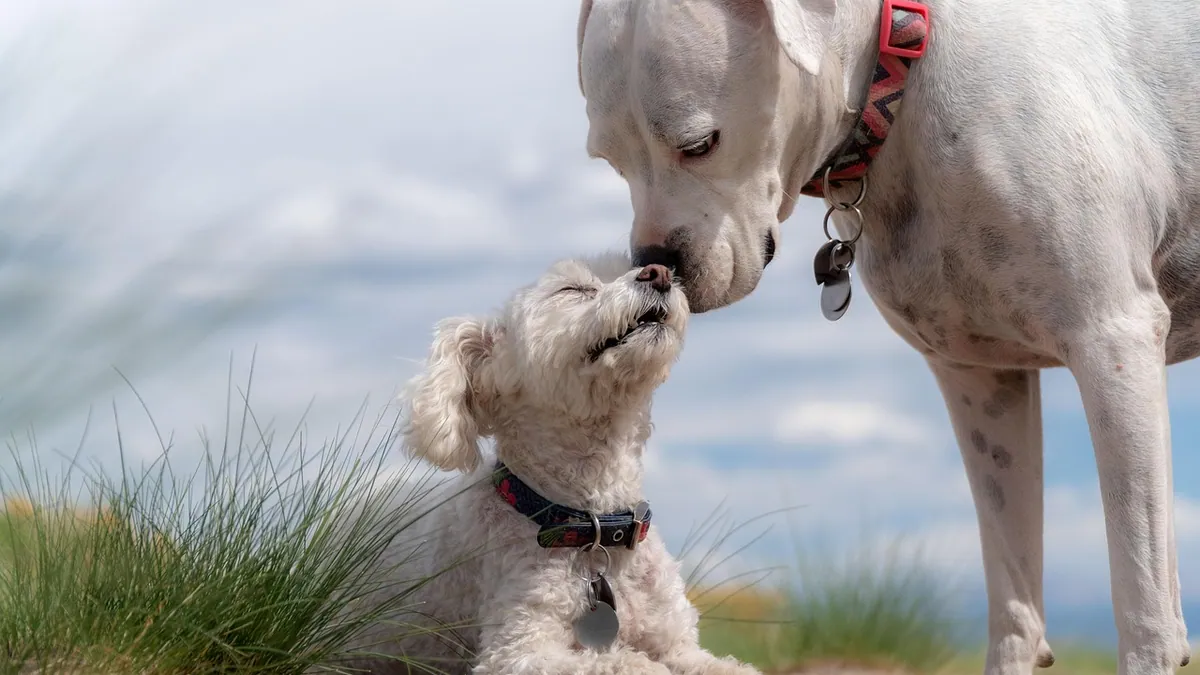
Puppies get runny poop for many reasons, and most cases are mild and short-lived. Diet changes, parasites, and viral infections are the usual culprits. The main thing you need to decide is whether your puppy can be watched at home or needs a veterinarian today. This article is educational and is not a substitute for veterinary diagnosis or treatment.
Quick Answer
- A single soft stool in a puppy that is still eating, drinking, and playing is usually not an emergency. Watch closely for 12 to 24 hours.
- Any diarrhea in a puppy younger than about 16 weeks deserves a call to your vet, because puppies dehydrate fast and parvovirus is most common in unvaccinated dogs under six months of age [1].
- Blood in the stool, repeated vomiting, lethargy, or a puppy that will not drink means go to a veterinarian the same day.
- Do not give human anti-diarrheal medicines or antibiotics on your own. Antibiotics can harm the gut microbiome and drive antimicrobial resistance [2].
- Bring a fresh stool sample to the vet visit if you can. It speeds up testing for parasites and viruses.
What Runny Poop Looks Like and What Counts as Normal
Normal puppy stool is firm, log-shaped, and easy to pick up. It holds its shape. Color ranges from light brown to dark brown depending on diet.
Runny poop sits on a spectrum. At the mild end, you get a soft cow-pat consistency that still holds some form. In the middle, you get pudding-like stool that spreads when you pick it up. At the severe end, you get watery or projectile stool, sometimes with mucus, blood, or a foul smell.
Puppies also poop more often than adult dogs. A young puppy may go four to six times a day, and that is normal. What matters is the consistency, the color, and how your puppy acts overall.
A useful rule: judge the puppy, not just the poop. A bright, hungry, playful puppy with soft stool is a different patient from a quiet puppy lying in a corner with watery stool.
Why Does My Puppy Have Runny Poop? The Main Causes
Most puppy diarrhea falls into three groups: diet and stress, parasites, and infections. Sometimes more than one is involved at once.
Diet and Stress Causes
- Sudden food changes. Switching kibble overnight, or feeding a new treat, can upset a puppy's gut. Transition foods over seven to ten days if you can.
- Overeating or scavenging. Puppies eat things they should not. Garbage, table scraps, and rich or fatty foods commonly cause loose stool.
- Stress. A new home, a car ride, a vaccination visit, or a boarding stay can trigger short-term diarrhea.
- Food intolerance. Some puppies do not tolerate certain proteins or ingredients. This tends to cause chronic or recurring soft stool instead of a one-time episode.
Parasites
Intestinal parasites are very common in puppies. Roundworms, hookworms, whipworms, giardia, and coccidia all cause diarrhea. Puppies often pick these up from their mother or from contaminated soil.
Parasite diarrhea is often intermittent. It may come and go over days or weeks. Stool may look greasy, contain mucus, or have a foul smell. Some puppies lose weight or have a pot-bellied look.
Your veterinarian can check a stool sample for parasite eggs and giardia. Many puppies need more than one deworming treatment, and some need a specific medication for giardia or coccidia.
Viral and Bacterial Infections
Canine enteric viruses are a major cause of gastrointestinal disease in dogs worldwide [3]. Routine testing often looks for only a few known viruses, so some infections go undiagnosed [3]. Canine parvovirus is the most feared of these because it causes severe, often bloody diarrhea in young, unvaccinated puppies [1].
Parvovirus typically hits puppies under six months old who are not fully vaccinated [1]. The classic story is a puppy that was alert and playful, then became suddenly lethargic and depressed, stopped eating, started vomiting, and then developed diarrhea [1]. The diarrhea can become bloody and projectile with a foul smell [1]. This is a medical emergency.
Other viruses, including canine sapovirus and canine minute virus, have been linked to gastrointestinal disease in dogs [3]. For some newly detected viruses, such as bufavirus and rotavirus C, the clinical relevance in dogs is still unclear [3].
A syndrome called acute hemorrhagic diarrhea syndrome (AHDS) causes sudden bloody diarrhea in dogs, often with vomiting. Recent work suggests enterotoxin-producing Clostridium perfringens plays a role, but the triggers for toxin production and the onset of AHDS are not known [4]. Weather and weather changes have been studied as possible triggers [4].
Cause Table
| Cause | Typical clues | How urgent |
|---|---|---|
| Sudden diet change or scavenging | Soft to watery stool, puppy still bright and eating, recent food switch | Monitor at home, call vet if it lasts more than 24 to 48 hours |
| Stress (new home, travel) | Loose stool within a day or two of a change, no blood, normal energy | Monitor at home |
| Parasites (roundworm, hookworm, giardia, coccidia) | Intermittent soft stool, mucus, weight loss, pot belly, sometimes visible worms | Routine vet visit within a day or two |
| Parvovirus | Puppy under 6 months, unvaccinated, sudden lethargy, vomiting, bloody projectile diarrhea [1] | Emergency now |
| Other enteric viruses | Diarrhea with or without vomiting, variable severity [3] | Same-day vet visit |
| Acute hemorrhagic diarrhea syndrome | Sudden bloody diarrhea, often with vomiting, adult or puppy [4] | Same-day vet visit |
| Food intolerance or chronic gut disease | Weeks of soft stool, good energy, no blood | Routine vet visit |
Puppy Diarrhea: When to Worry
Some signs mean you should stop watching and start driving. Call your veterinarian or an emergency clinic right away if you see any of these.
- Blood in the stool. Bright red blood or dark, tarry stool is a red flag. Bloody, projectile diarrhea is a hallmark of parvovirus in young puppies [1].
- Repeated vomiting. Vomiting plus diarrhea drains fluid fast. A puppy that cannot keep water down needs IV fluids.
- Lethargy or weakness. A puppy that was playful and is now depressed and quiet is seriously ill until proven otherwise [1].
- Not drinking. Refusing water for more than a few hours in a small puppy is dangerous.
- Diarrhea in an unvaccinated puppy under six months. Parvovirus is most infectious in this group [1]. Do not wait to see if it passes.
- Diarrhea that lasts more than 24 to 48 hours. Even mild diarrhea can dehydrate a small body over time.
- A puppy that looks painful. A hunched posture, a hard belly, or crying when picked up needs prompt care.
If your puppy has diarrhea along with changes in urination, see Dog Urinating Frequently: Causes and When to Call the Vet. If you are unsure whether the situation is urgent, Dog Diarrhea: When Should You Call the Vet? walks through the decision in more detail.
Safe Things You Can Do at Home While You Wait
Home care does not replace a vet visit for a sick puppy. These steps can help a mildly affected puppy while you monitor or wait for an appointment.
Keep Water Available
Offer small amounts of fresh water often. Do not let your puppy gulp a large bowl at once, because that can trigger vomiting. If your puppy will not drink, that is a reason to call the vet.
Offer a Bland Diet
Many veterinarians suggest a short course of plain, easily digested food, such as boiled chicken and rice, or a prescription gastrointestinal diet. Keep portions small and frequent. Ask your vet before changing food if your puppy is very young or already unwell.
Do Not Fast a Puppy
Fasting is not appropriate for puppies. They have small energy reserves and can become weak quickly without food.
Skip Human Medications
Do not give over-the-counter anti-diarrheal drugs, antibiotics, or pain relievers meant for people. Some are toxic to dogs, and antibiotics can damage the gut microbiome and contribute to antimicrobial resistance [2]. Probiotics are a promising option for canine diarrhea, but their effects are strain-specific and not fully characterized in dogs with diarrhea [2]. Ask your vet which product, if any, fits your puppy.
Protect Your Home and Other Dogs
Parvovirus is highly contagious [1]. Keep a diarrheic puppy away from other dogs and from public areas until your vet clears it. Clean up accidents with a disinfectant labeled for parvovirus. Wash your hands after handling stool.
Track the Details
Write down when the diarrhea started, how many times a day, the color and consistency, whether there is blood or mucus, and whether your puppy is eating, drinking, and playing. This history helps your vet a lot.
For more detail on home care steps and their limits, see Dog Diarrhea: Safe Home Care and When to Call the Vet.
What Your Veterinarian Will Check and Test
Your vet will start with a full history and a physical exam. They will check your puppy's hydration, gum color, temperature, belly feel, and body weight.
Common tests include:
- Fecal float and giardia test. Looks for parasite eggs and giardia cysts.
- Parvovirus test. A rapid in-clinic test on a stool swab. This is standard for young puppies with bloody diarrhea [1].
- Blood work. A complete blood count and chemistry panel show dehydration, low blood sugar, and organ function.
- Imaging. X-rays or ultrasound may be needed if the vet suspects an obstruction from a swallowed object.
- Viral testing. Some labs run PCR panels for enteric viruses [3]. These are not needed in every case.
Treatment depends on the cause. Parvovirus care centers on intravenous fluids, anti-nausea medication, antibiotics for secondary infection, and supportive nursing [1]. Your vet calculates every drug dose from your puppy's weight and health status, so never use a dose from the internet.
Parasites are treated with dewormers or specific antiparasitic drugs. Diet-related diarrhea is managed with a food transition or a prescription diet. Probiotics may be added, and their effects on the gut microbiome are still being studied [2].
Prevention and Monitoring
- Vaccinate on schedule. Parvovirus is most infectious in unvaccinated puppies under six months [1]. Keep your puppy on your vet's vaccine plan.
- Deworm regularly. Follow your vet's deworming schedule from the first visit.
- Transition food slowly. Mix old and new food over seven to ten days.
- Control what your puppy eats. Secure trash, block table scraps, and supervise outdoor time.
- Limit exposure until vaccinated. Avoid dog parks and unknown dogs until your vet says it is safe.
- Watch for patterns. If soft stool keeps coming back, keep a simple log. Recurring diarrhea may point to parasites, food intolerance, or chronic gut disease.
Chronic diarrhea has complex causes, including osmotic and secretory changes, impaired intestinal barrier function, and altered gut motility [5]. That research was done in cats, but the general principles of working up chronic diarrhea apply across species. If your puppy has weeks of loose stool, your vet will want to find the underlying mechanism before choosing a long-term diet [5].
Limitations and When to Contact a Veterinarian
This article cannot tell you what is wrong with your individual puppy. Only a veterinarian who examines your puppy can do that. Use the timing below as a guide.
Emergency now (go to a clinic): bloody or tarry stool, repeated vomiting, collapse, severe lethargy, a distended or painful belly, or a known parvovirus exposure in an unvaccinated puppy [1].
Same day: diarrhea in a puppy under 16 weeks, diarrhea with any vomiting, a puppy that refuses water, or diarrhea that is getting worse hour by hour.
Routine visit within a day or two: soft stool lasting more than 48 hours, intermittent diarrhea over a week or more, weight loss, or visible worms in the stool.
Monitor at home: one or two soft stools in a bright, drinking, playful puppy with no other signs. Call your vet if anything changes.
Frequently Asked Questions
How long does puppy diarrhea usually last?
Mild diet-related diarrhea often settles within 24 to 48 hours once the trigger is removed. Diarrhea from parasites or infections can last longer and needs treatment. If it is still going after two days, call your vet.
Can I give my puppy human anti-diarrheal medicine?
No. Human medications can be toxic to puppies, and the correct treatment depends on the cause. Antibiotics in particular can harm the gut microbiome and add to antimicrobial resistance [2]. Ask your vet before giving anything.
Is runny poop in a puppy always an emergency?
No. A single soft stool in a puppy that is eating, drinking, and playing is usually not an emergency. Any diarrhea in a puppy under 16 weeks, or diarrhea with blood, vomiting, or lethargy, should be treated as urgent [1].
Can my puppy get diarrhea from a new food?
Yes. Sudden food changes are one of the most common causes of loose stool in puppies. Switch foods gradually over seven to ten days. If diarrhea continues after the transition, your vet can check for food intolerance or other causes.
Should I bring a stool sample to the vet visit?
Yes, if you can collect one within a few hours of the visit. A fresh sample lets your vet run fecal tests for parasites and other causes right away. Put it in a clean plastic bag or container and keep it cool until the appointment.
Related Articles
- Dog Urinating Frequently: Causes and When to Call the Vet
- Dog Diarrhea: When Should You Call the Vet?
- Dog Diarrhea: Safe Home Care and When to Call the Vet
- Dog Straining to Poop: Causes and When to Help
- Why Does My Dog Eat Poop?
- Cat Diarrhea: When Should You Call the Vet?
- Watery Poop in Puppies: Causes and When to Call the Vet
- Why Does My Dog Have Diarrhea? Causes in Dogs and Puppies
- Puppy Not Pooping as Much: Causes and When to Call the Vet
- Canine Intestinal Parasites Causing Diarrhea: Diagnosis, Treatment, and Prevention
References
- Parvoviral hemorrhagic gastroenteritis and its therapeutic intervention in a case of 5-month-old puppy. Companion animal health and genetics, 2026.
- Pilot study evaluating tolerability and changes in fecal microbiota associated with novel probiotic administration to dogs with diarrhea. Frontiers in veterinary science, 2025.
- Expanded detection of canine enteric viruses in UK dogs with diarrhoea. Microbial genomics, 2026.
- Presentations of idiopathic hemorrhagic diarrhea syndrome in dogs in relation to meteorological factors. Journal of veterinary internal medicine, 2026.
- Feline chronic diarrhea: causes and nutritional management. Veterinary and animal science, 2026.