Yellow Poop in Cockatiels, Budgies and Puppies: What It Means
By Dr. Zubair Khalid, DVM, MS, PhD ·
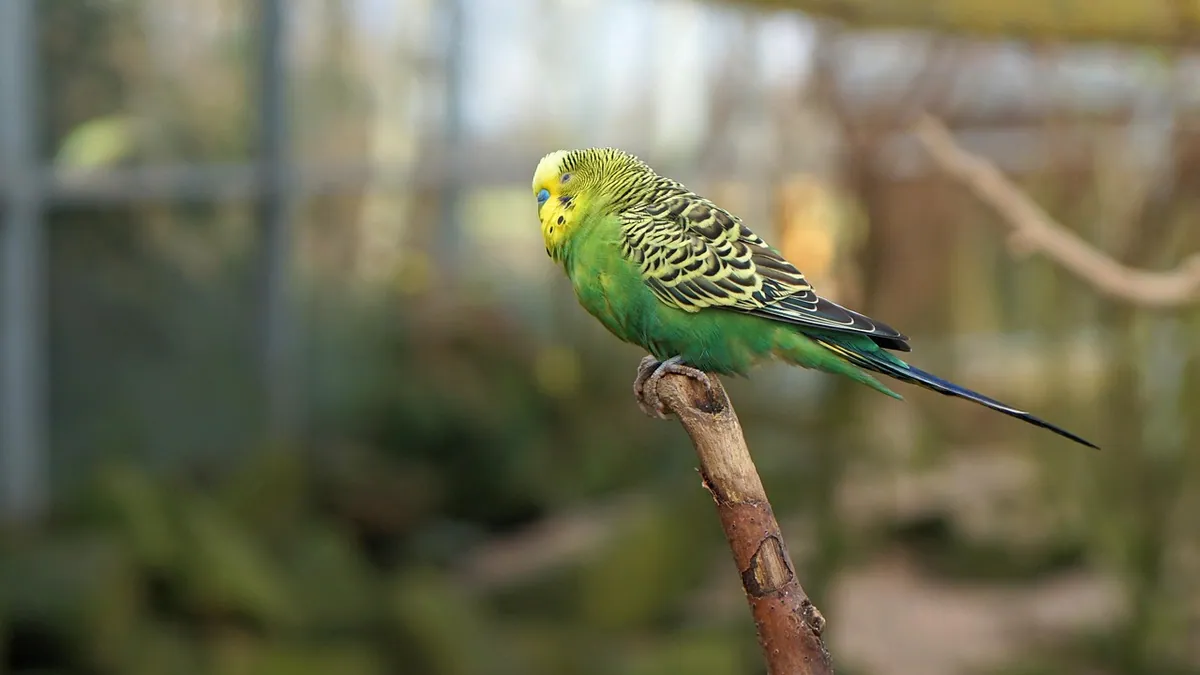
Yellow droppings in a cockatiel, budgie, or puppy usually reflect what the animal ate, how fast food moved through the gut, or how the liver and bile system are working. In birds, a yellow bird is a separate issue from yellow poop, since feather color changes point to nutrition, hormones, or organ disease. This article is educational and is not a substitute for veterinary diagnosis or treatment.
Quick Answer
- Diet is the most common and most harmless cause of yellow droppings in birds and puppies, especially yellow fruits, vegetables, or dyes.
- In birds, true droppings have three parts (feces, urine, and urates), and the urates are normally white, so yellow urates deserve a closer look.
- In puppies, yellow stool with a soft or watery texture often points to rapid transit, parasites, or a diet change.
- Yellow skin or feathers on a cockatiel is not the same problem as yellow poop and needs its own veterinary workup.
- Any yellow droppings plus vomiting, lethargy, not eating, or blood means a same-day call to your veterinarian.
What Yellow Droppings Look Like and What Is Normal
Bird owners often use "poop" to mean the whole dropping, but a dropping has three visible parts. The feces are the solid, worm-shaped portion, usually green or brown in a seed or pellet eater. The urates are the chalky white cap on top. The urine is the clear liquid around them. Color changes can happen in any of the three parts, and which part turned yellow matters.
A normal cockatiel or budgie dropping is fairly consistent day to day. It changes a little with diet, stress, and time of day. A hen about to lay eggs may pass larger, wetter droppings. A bird that just ate a lot of watery fruit may pass looser droppings for a few hours. These short-term shifts are common and usually settle on their own.
In puppies, normal stool is firm, log-shaped, and brown. Color depends on diet, bile, and how long the stool sat in the colon. Bile starts out green and turns brown as it moves through the gut. When stool moves too fast, it can stay yellow or green. When it moves too slowly, it can look darker.
Yellow stool in puppies is often soft, pasty, or watery. It may have a sour smell. Sometimes you see mucus or a greasy sheen. The texture and the company it keeps (vomiting, gas, straining) tell you more than color alone.
Why Is My Cockatiel Poop Yellow? Main Causes
Yellow droppings have a short list of common causes. Some are harmless. Some point to the liver, bile ducts, or an infection. The table below groups them by what you are likely to see and how fast you should act.
| Cause | Typical clues | How urgent |
|---|---|---|
| Diet (yellow fruits, veggies, pellets, dyes) | Color change within hours of eating, bird bright and eating well, normal droppings return in a day | Monitor at home |
| Rapid gut transit (stress, new food, heat) | Loose droppings with yellow or green urine, no other signs | Monitor 24 hours |
| Liver or bile duct disease | Yellow or lime-green urates, poor appetite, fluffed feathers, weight loss | Same-day vet visit |
| Intestinal infection or parasites | Foul smell, mucus, watery droppings, weight loss, sometimes blood | Same-day vet visit |
| Egg binding or reproductive disease in hens | Straining, swollen belly, large wet droppings, sitting on cage floor | Emergency now |
| Toxin exposure (heavy metals, spoiled food) | Sudden yellow or green droppings, vomiting, weakness, seizures | Emergency now |
Diet is the easy one to rule out. If your cockatiel ate carrot, corn, squash, or a yellow-dyed treat, the feces can pick up that color. The urates usually stay white. The bird acts normal. Droppings return to baseline within a day or two once the food clears.
Liver disease is the cause owners worry about most, and for good reason. The liver makes bile, and bile pigments give droppings their green and brown tones. When the liver or bile ducts are inflamed, bile flow can change, and urates may look yellow or lime green instead of white. A bird with liver trouble often shows other signs too, such as a poor appetite, fluffed feathers, sleeping more, or weight loss.
Yellow urates are the finding that matters most in birds. White urates that turn yellow are not a diet effect in most cases. They suggest the kidneys or liver are involved, and that bird needs a veterinary exam.
Intestinal infections and parasites can also change dropping color and texture. In young dogs and cats with diarrhea, intestinal parasites including Cystoisospora (coccidia), Giardia, hookworms, roundworms, and tapeworms are common findings, and infected animals often have very soft feces [1]. The same principle applies to birds, where a fecal exam can identify the problem.
Reproductive disease deserves a mention because it is common in hens. An egg-bound hen or one with a reproductive tract infection may pass large, wet, yellow-tinged droppings and strain. This is an emergency.
Why Is My Budgie's Poop Yellow?
Budgies follow the same rules as cockatiels. Diet first, then liver and bile, then infection. Because budgies are small, they hide illness well and can decline fast. A budgie that is still chirping and eating is reassuring. A budgie that is quiet, puffed up, and sitting low in the cage is not.
One difference is size. A budgie has less reserve, so a day of poor appetite matters more than it would in a larger bird. If yellow droppings last more than 24 hours, or if the urates are yellow instead of the feces, book a vet visit.
Seed-only diets are a common background problem in budgies. They can lead to obesity and liver disease over time, which then shows up as abnormal dropping color. Pellets, fresh vegetables, and measured portions support better liver health.
Why Is My Puppy's Poop Yellow?
Yellow stool in puppies has its own set of causes. The most common are rapid transit, diet change, parasites, and infections. Puppies have a fast gut transit time to begin with, so stool can stay yellow or mustard-colored even when nothing is wrong.
Parasites are a major cause in this age group. In a study of young dogs and cats with diarrhea, coccidia and other intestinal parasites were found in a meaningful share of animals, and all dogs with coccidiosis had very soft feces [1]. Puppies pick up parasites from the mother, the yard, and other dogs, so fecal testing is routine.
Diet changes and food intolerance are also common. A sudden switch to a new food, too many treats, or table scraps can produce yellow, soft stool for a few days. A greasy or high-fat meal can do the same.
Less common but more serious causes include liver disease, bile duct problems, pancreatitis, and inflammatory bowel disease. Large intestinal disease in dogs and cats often shows up as large bowel diarrhea, with frequent small stools, mucus, and straining [2]. Chronic diarrhea in cats has many possible causes and needs a structured diagnostic plan plus nutritional management [3].
If your puppy is vomiting yellow fluid along with passing yellow stool, that combination points to a gut that is irritated from top to bottom. You can read more about that pattern in What Does A Dog Throwing Up Yellow Mean and Dog Vomiting Yellow Meaning. Straining with only mucus coming out is another pattern worth understanding, covered in Dog Straining to Poop but Only Passing Mucus: What It Means.
Why Is My Cockatiel Turning Yellow?
This is a different question from yellow droppings, and owners often mix the two up. A cockatiel that is turning yellow is showing a change in feather or skin color, not in its waste.
Feather color in cockatiels is set by genetics and by nutrition. A bird on a poor diet, especially one low in certain pigments and nutrients, can develop dull or off-color feathers. Liver disease can also affect feather quality and color over time. Hormonal changes, age, and underlying illness can play a role.
Skin that looks yellow (jaundice) is more serious than feathers that look yellow. Jaundice means bilirubin is building up in the tissues, and it points to liver or red blood cell problems. A jaundiced bird needs a veterinary exam the same day.
If your cockatiel is turning yellow, take photos in natural light and note when the change started. Your veterinarian will want to know about diet, weight, droppings, and any other signs. This is not something you can fix with a supplement at home.
Red Flags That Make It an Emergency
Call your veterinarian right away if you see any of these:
- Yellow urates in a bird, especially with a fluffed posture or poor appetite
- Blood in droppings or stool
- Repeated vomiting, especially yellow or green fluid
- A bird sitting on the cage floor, unable to perch
- Straining to pass an egg, or a swollen abdomen in a hen
- A puppy that is weak, dehydrated, or not eating
- Seizures, tremors, or sudden collapse
- Yellow skin or gums (jaundice) in any species
These signs mean the problem is no longer just a color change. They point to organ disease, a blockage, an infection, or a toxin, and time matters.
Safe Things You Can Do at Home While You Wait
You cannot diagnose yellow droppings at home, but you can gather good information and avoid making things worse.
For birds:
- Take a photo of the droppings on clean paper or a paper towel, with a coin or ruler for scale.
- Note which part is yellow (feces, urates, or urine).
- Keep the bird warm, quiet, and away from drafts.
- Offer its normal food and fresh water. Do not switch foods suddenly.
- Do not give human medications, antibiotics, or supplements.
For puppies:
- Pick up a fresh stool sample in a clean bag or container and refrigerate it, not freeze it.
- Note the texture, color, frequency, and whether there is mucus or blood.
- Keep fresh water available. Do not withhold water.
- Feed small, plain meals of the food your puppy already eats. Skip table scraps and new treats.
- Do not give human anti-diarrheal drugs. Some are toxic to dogs.
For both, write down a short timeline. When did the color change start? What did the animal eat in the last 48 hours? Any vomiting, lethargy, or appetite change? Your veterinarian will use this.
What Your Veterinarian Will Check and Test
Your veterinarian starts with a full history and physical exam. They will weigh your pet, check hydration, feel the abdomen, and look at the gums and skin for jaundice. In birds, they will check body condition, feather quality, and the vent area.
For birds, common tests include a fecal exam, a gram stain or fecal culture, blood work to check the liver and kidneys, and sometimes imaging. Yellow urates push the workup toward liver and kidney function.
For puppies, expect a fecal flotation and other parasite tests, since intestinal parasites are a leading cause of diarrhea in young animals [1]. Blood work checks the liver, pancreas, and hydration status. Imaging can help, but its accuracy varies. In a study of dogs and cats with gastrointestinal signs, agreement between preoperative imaging and what was found during surgery was only moderate, which is why vets combine imaging with exams and lab work instead of relying on one test [4]. When pancreatitis is suspected, newer markers such as pancreatitis-associated protein 1 are being studied to help tell pancreatic from non-pancreatic gut disease [5].
Treatment depends on the cause. Parasites get dewormers or antiprotozoal drugs. Diet-related cases get a food plan. Liver disease gets supportive care and a liver-friendly diet. Your veterinarian calculates every dose from your pet's weight and health, so never use a dose you found online.
Prevention and Monitoring
Most yellow dropping problems are preventable or manageable with good routine care.
For birds:
- Feed a balanced diet with pellets, vegetables, and limited seed.
- Weigh your bird weekly on a small kitchen scale and track the number.
- Clean the cage tray daily so you see droppings early.
- Keep a photo log of normal droppings so you can spot changes fast.
- Schedule yearly wellness exams with a bird-experienced veterinarian.
For puppies:
- Keep up with deworming and fecal testing on your vet's schedule.
- Change foods slowly over 7 to 10 days.
- Limit treats and avoid fatty table food.
- Keep vaccinations current and limit exposure to unknown dogs until the series is complete.
- Watch stool color and texture daily during the first year.
Limitations and When to Contact a Veterinarian
Color alone rarely gives a diagnosis. Yellow droppings can be harmless or serious, and the difference usually comes from the other signs, the physical exam, and lab tests. No article can tell you which one your pet has. Individual cases need a veterinarian who can examine your animal.
Contact your veterinarian the same day if yellow droppings last more than 24 hours, if urates are yellow in a bird, if your puppy has soft stool for more than a day, or if appetite or energy drops at all.
Go to an emergency clinic now if you see blood, repeated vomiting, a bird on the cage floor, straining to lay an egg, seizures, collapse, or yellow gums and skin.
For a routine visit, book an appointment if the color keeps coming back, if your pet is losing weight, or if you want a fecal test and blood work to rule out liver and parasite problems.
Frequently Asked Questions
Is yellow poop in cockatiels always a sign of liver disease?
No, diet and rapid gut transit are more common causes. Liver disease becomes more likely when the urates are yellow instead of white, or when the bird also has a poor appetite, fluffed feathers, or weight loss. A veterinarian can sort this out with an exam and blood work.
Can stress change my budgie's dropping color?
Yes, stress can speed up gut transit and produce looser, greener, or yellower droppings for a short time. If the droppings return to normal within a day and your budgie is active and eating, watch closely. If the change lasts longer or the bird acts sick, call your vet.
Should I switch my puppy's food if the stool is yellow?
Not right away. A sudden food switch can itself cause yellow, soft stool, so changing again may make things worse. Keep the current food, offer small plain meals, and let your veterinarian decide whether a diet change or a fecal test is the next step.
Can yellow stool in puppies be caused by parasites?
Yes, parasites are a leading cause of diarrhea in young dogs. Coccidia and other intestinal parasites are common in puppies with soft stool, and infected dogs often have very loose feces. A fecal test is the way to find out, and treatment is straightforward once the cause is known.
Does a yellowing cockatiel need a different treatment than one with yellow poop?
Yes, these are separate problems. Yellow droppings point to the gut, liver, or bile, while a yellowing body points to feather nutrition, hormones, or jaundice. A yellowing bird needs its own exam and testing, and jaundice in particular is urgent.
Related Articles
- What Does A Dog Throwing Up Yellow Mean
- When Dogs Throw Up Yellow What Does That Mean
- Dog Vomiting Yellow Meaning
- Dog Throw Up Yellow Meaning
- Dog Straining to Poop but Only Passing Mucus: What It Means
- Dog Vomiting Yellow And Diarrhea
- Dog Poop Color and Meaning: What Your Dog's Stool Says
- Macrorhabdus ornithogaster (Megabacteriosis) in Budgerigars: Wasting Disease and Diagnosis
References
- Occurrence of Cystoisospora spp. and other intestinal parasites in dogs and cats with diarrhea. Veterinary parasitology, 2025.
- Large-Intestinal Disorders in Dogs and Cats: Diagnosis, Management, and Clinical Outcomes. The Veterinary clinics of North America. Small animal practice, 2026.
- Feline chronic diarrhea: causes and nutritional management. Veterinary and animal science, 2026.
- Comparison of pre- and intraoperative findings in 35 cats and 60 dogs presenting with gastrointestinal signs. Frontiers in veterinary science, 2025.
- Serum pancreatitis-associated protein 1 concentrations in dogs with acute signs of gastrointestinal disease and normal or abnormal DGGR lipase activity. Journal of veterinary internal medicine, 2026.